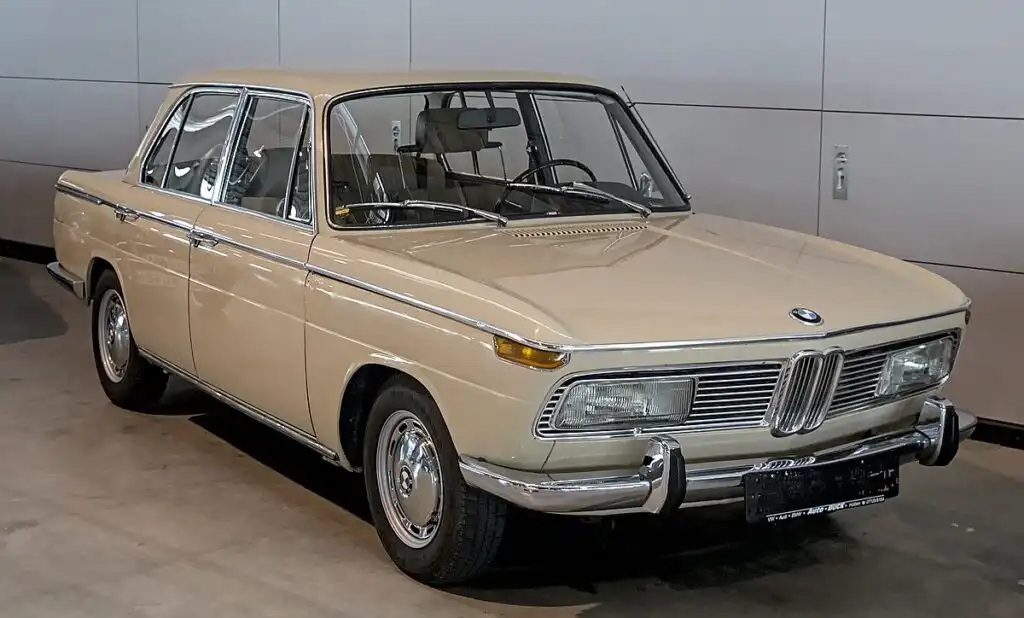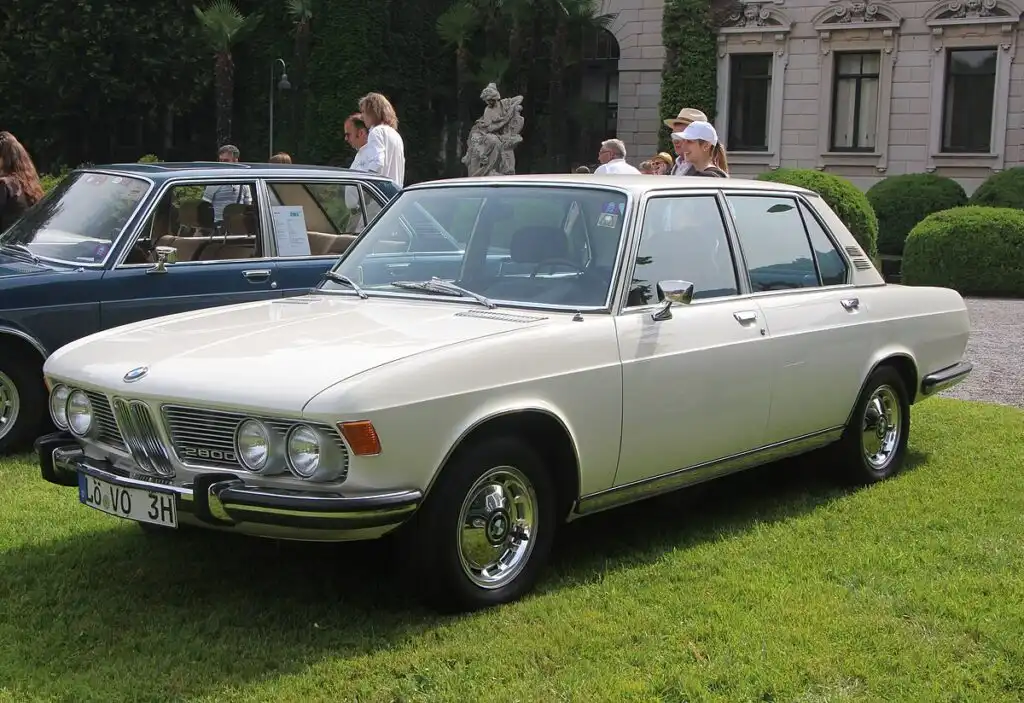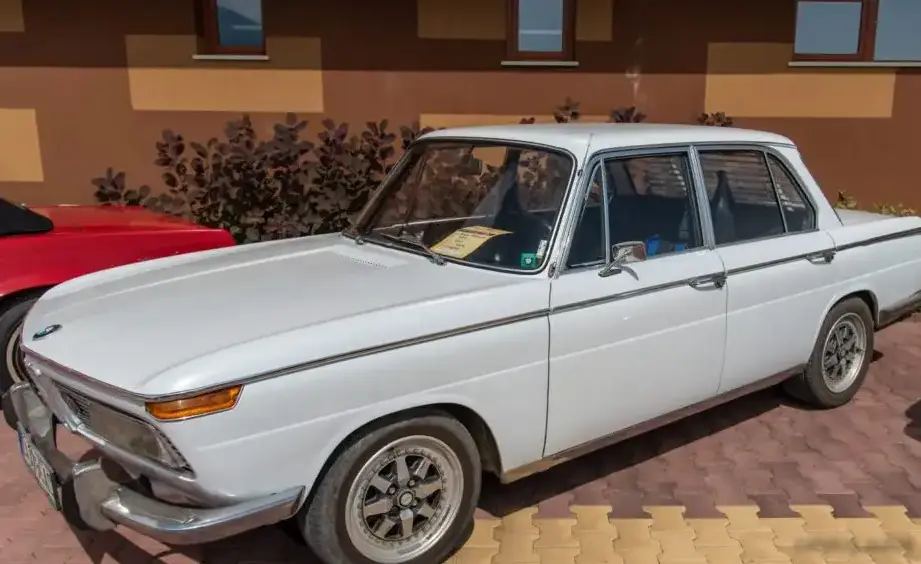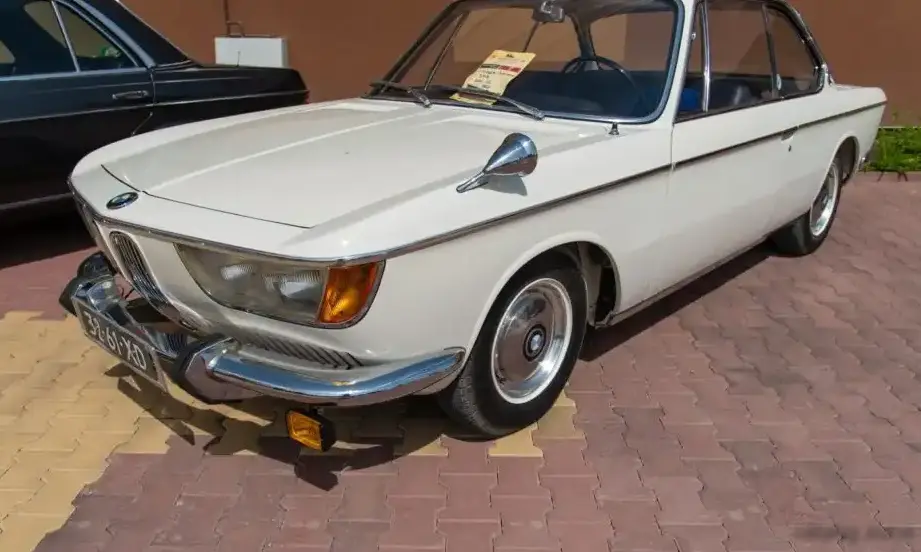
The BMW New Class Coupe 2000CS, produced between March 1966 and April 1972, represents a pivotal moment in BMW’s history. Falling within the broader New Class (Neue Klasse) generation – internally designated the 118/120/130 series – the 2000CS was a stylish, performance-oriented coupe designed to revitalize the brand’s image and appeal to a more discerning clientele. Positioned as the premium coupe offering within the New Class range, it offered a more refined and sporting experience than the sedan variants, and laid the groundwork for BMW’s future success in the luxury sports car market. The “CS” designation stood for “Coupe Sport,” emphasizing its focus on driving enjoyment and elegant design.
Technical Specifications
| Brand | BMW |
| Model | New Class |
| Generation | New Class Coupe |
| Type (Engine) | 2000CS (120 Hp) |
| Start of production | March, 1966 |
| End of production | April, 1972 |
| Powertrain Architecture | Internal Combustion engine |
| Body type | Coupe |
| Seats | 4 |
| Doors | 2 |
| Fuel consumption (combined) | 10.9 l/100 km |
| Fuel consumption (US mpg) | 21.6 US mpg |
| Fuel consumption (UK mpg) | 25.9 UK mpg |
| Fuel consumption (km/l) | 9.2 km/l |
| Fuel Type | Petrol (Gasoline) |
| Acceleration 0 – 100 km/h | 11.7 sec |
| Acceleration 0 – 62 mph | 11.7 sec |
| Acceleration 0 – 60 mph | 11.1 sec |
| Maximum speed | 185 km/h (114.95 mph) |
| Weight-to-power ratio | 9.8 kg/Hp |
| Hp/tonne | 101.7 Hp/tonne |
| Weight-to-torque ratio | 7.1 kg/Nm |
| Nm/tonne | 141.5 Nm/tonne |
| Power | 120 Hp @ 5800 rpm |
| Power per litre | 60.3 Hp/l |
| Torque | 167 Nm @ 3600 rpm (123.17 lb.-ft. @ 3600 rpm) |
| Engine layout | Front, Longitudinal |
| Engine Model/Code | M05 |
| Engine displacement | 1990 cm3 (121.44 cu. in.) |
| Number of cylinders | 4 |
| Engine configuration | Inline |
| Cylinder Bore | 89 mm (3.5 in.) |
| Piston Stroke | 80 mm (3.15 in.) |
| Compression ratio | 9.3:1 |
| Number of valves per cylinder | 2 |
| Fuel injection system | Carburettor |
| Engine aspiration | Naturally aspirated engine |
| Valvetrain | SOHC |
| Engine oil capacity | 4.25 l (4.49 US qt | 3.74 UK qt) |
| Coolant capacity | 7 l (7.4 US qt | 6.16 UK qt) |
| Kerb Weight | 1180 kg (2601.45 lbs.) |
| Max. weight | 1580 kg (3483.3 lbs.) |
| Max load | 400 kg (881.85 lbs.) |
| Trunk (boot) space – minimum | 450 l (15.89 cu. ft.) |
| Fuel tank capacity | 53 l (14 US gal | 11.66 UK gal) |
| Length | 4529 mm (178.31 in.) |
| Width | 1675 mm (65.94 in.) |
| Height | 1360 mm (53.54 in.) |
| Wheelbase | 2550 mm (100.39 in.) |
| Front track | 1330 mm (52.36 in.) |
| Rear (Back) track | 1376 mm (54.17 in.) |
| Front overhang | 942 mm (37.09 in.) |
| Rear overhang | 1036 mm (40.79 in.) |
| Ride height (ground clearance) | 140 mm (5.51 in.) |
| Minimum turning circle | 9.8 m (32.15 ft.) |
| Departure angle | 10.8° |
| Drivetrain Architecture | Rear wheel drive |
| Number of gears | 4 |
| Gearbox type | Manual transmission |
| Front suspension | Spring Strut, Wishbone |
| Rear suspension | Independent coil spring, Trailing arm |
| Front brakes | Disc, 272 mm |
| Rear brakes | Drum, 250 mm |
| Steering type | Steering rack and pinion |
| Power steering | Hydraulic Steering |
| Wheel rims size | 5.5J x 14 |
Powertrain & Engine Architecture
The 2000CS was powered by BMW’s M05 engine, a 1,990cc inline-four cylinder engine. This engine was a significant departure from BMW’s pre-war designs, featuring a modern overhead camshaft (SOHC) valvetrain and a relatively high compression ratio of 9.3:1. Fuel delivery was handled by a Solex 32 PHH carburetor, a common setup for the era. The engine produced 120 horsepower at 5,800 rpm and 167 Nm (123.17 lb-ft) of torque at 3,600 rpm. The engine was mounted longitudinally in the front of the car, driving the rear wheels. The transmission was a four-speed manual, providing a direct and engaging driving experience. The M05 engine, while not exceptionally powerful by modern standards, was known for its smoothness and willingness to rev.
Driving Characteristics
The 2000CS offered a balanced driving experience. The 120 hp engine, coupled with the relatively lightweight chassis (approximately 1,180 kg or 2,601 lbs), provided brisk acceleration – 0 to 60 mph in around 11.1 seconds and a top speed of 185 km/h (114.95 mph). Compared to the later 2000Tii model with fuel injection, the carbureted 2000CS offered slightly less power and responsiveness, but it was also considered more forgiving and easier to drive. The manual transmission provided precise gear changes, and the rear-wheel-drive layout contributed to a sporty feel. The suspension, featuring independent front suspension and a trailing-arm rear suspension, offered a comfortable ride while maintaining good handling characteristics. The steering, aided by hydraulic power steering, was light and precise.
Equipment & Trim Levels
The 2000CS was positioned as a premium offering, and as such, came standard with a relatively high level of equipment. Standard features included comfortable cloth upholstery, a wood-trimmed dashboard, and a comprehensive instrument cluster. Optional extras included leather upholstery, a sunroof, and upgraded audio systems. The interior was well-appointed and focused on providing a comfortable and refined driving environment. The exterior featured sleek lines and a distinctive coupe profile, with chrome trim adding a touch of elegance.
Chassis & Braking
The 2000CS utilized a robust chassis with independent front suspension using spring struts and wishbones, and a trailing-arm independent rear suspension. Braking was accomplished via disc brakes on the front wheels (272mm diameter) and drum brakes on the rear wheels (250mm diameter). While the braking system was adequate for the car’s performance, it lacked the stopping power of more modern systems. The car’s relatively low weight helped to mitigate this limitation. The steering system employed a rack-and-pinion setup with hydraulic power assistance, providing precise and responsive steering feel.
Market Reception & Comparison
The 2000CS was well-received by critics and buyers alike. It was praised for its stylish design, comfortable interior, and engaging driving experience. Compared to other coupes of the era, such as the Mercedes-Benz 200D coupe, the 2000CS offered a more sporting character and a more modern design. The 2000Tii, with its fuel injection, offered improved performance and fuel economy, but at a higher price point. The 2000CS represented a sweet spot in the New Class lineup, offering a balance of performance, comfort, and affordability. Fuel economy was typical for the era, around 21.6 US mpg.
Legacy
The BMW 2000CS is now considered a classic car and a highly sought-after collectible. The M05 engine, while relatively simple, is known for its durability and reliability when properly maintained. However, like any classic car, the 2000CS requires regular maintenance and attention to detail. Rust can be a concern, particularly in areas exposed to harsh weather conditions. Today, well-preserved examples of the 2000CS command high prices in the used car market, reflecting their historical significance and enduring appeal. The 2000CS played a crucial role in establishing BMW as a leading manufacturer of premium sports coupes, and its design and engineering principles continue to influence BMW’s products today.