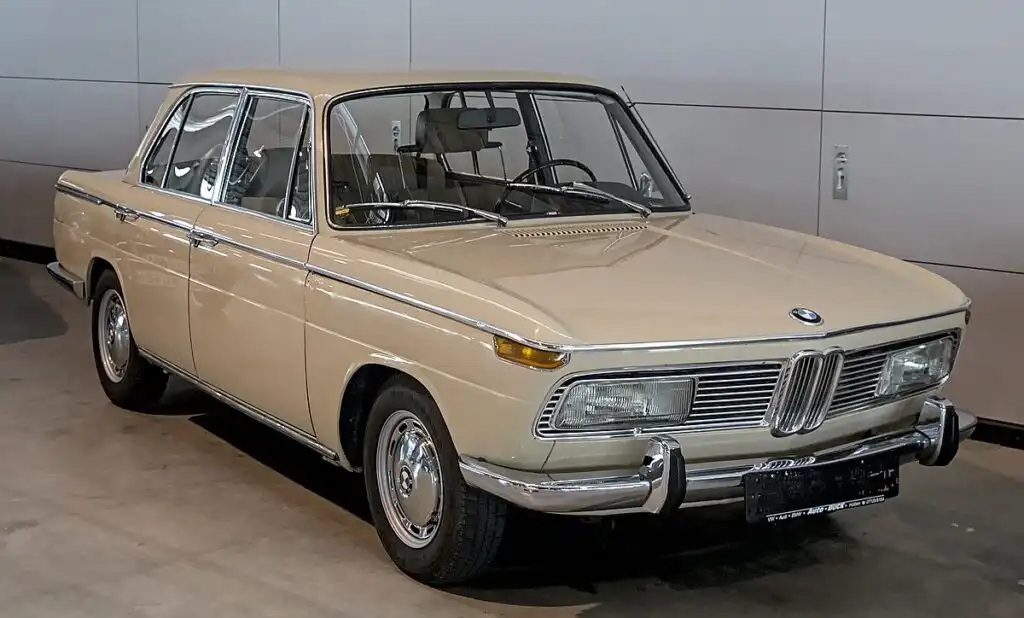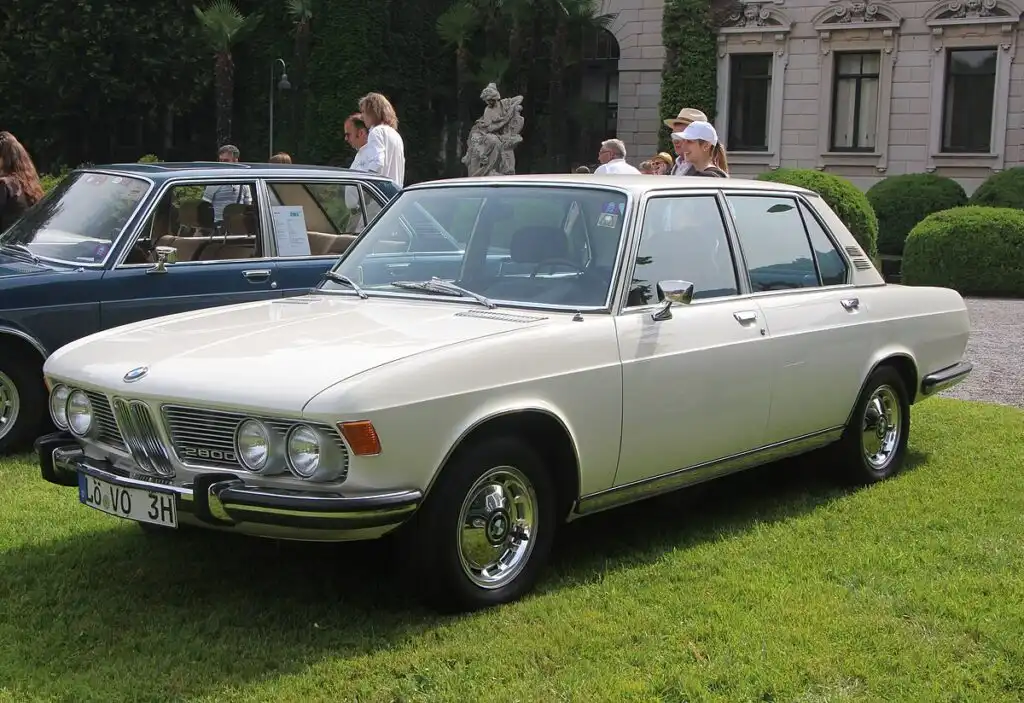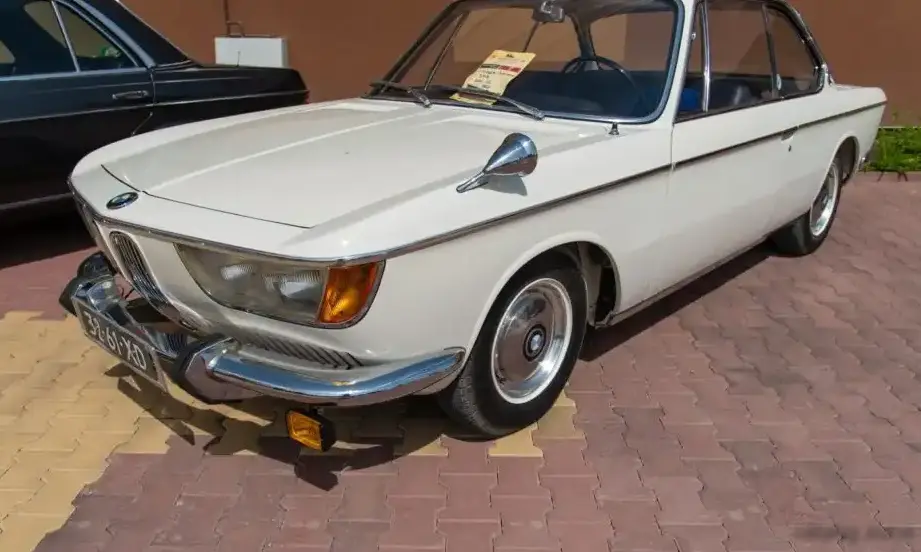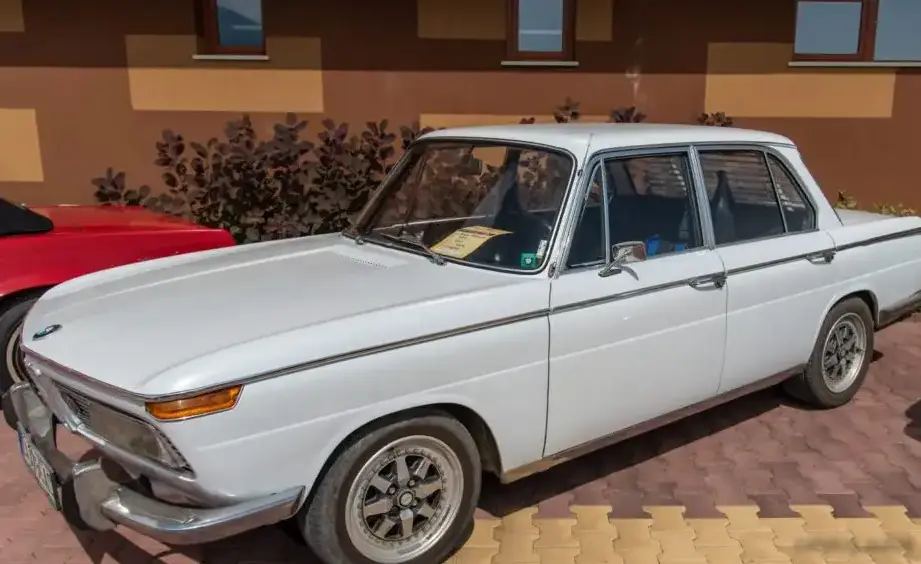
The BMW New Class 2000 tilux, produced between September 1966 and March 1970, represented a significant step forward for BMW, solidifying its reputation for sporty sedans. Positioned as a mid-range offering within the New Class lineup (internally designated the 114/120 series), the 2000 tilux bridged the gap between the more basic 1600 and the higher-performance 2000 ti. It offered a blend of comfort, practicality, and respectable performance, appealing to buyers seeking a refined driving experience without the outright sportiness of the ‘ti’ models. The “tilux” designation, primarily a European market specification, denoted a higher level of trim and equipment compared to the standard 2000.
Technical Specifications
| Brand | BMW |
| Model | New Class |
| Generation | New Class |
| Type (Engine) | 2000 tilux (120 Hp) |
| Start of production | September, 1966 |
| End of production | March, 1970 |
| Powertrain Architecture | Internal Combustion engine |
| Body type | Sedan |
| Seats | 5 |
| Doors | 4 |
| Fuel consumption (combined) | 11 l/100 km |
| Fuel consumption (US mpg) | 21.4 US mpg |
| Fuel consumption (UK mpg) | 25.7 UK mpg |
| Fuel consumption (km/l) | 9.1 km/l |
| Fuel Type | Petrol (Gasoline) |
| Acceleration 0 – 100 km/h | 10.8 sec |
| Acceleration 0 – 62 mph | 10.8 sec |
| Acceleration 0 – 60 mph | 10.3 sec |
| Maximum speed | 180 km/h (111.85 mph) |
| Weight-to-power ratio | 9.5 kg/Hp |
| Hp/tonne | 105.3 Hp/tonne |
| Weight-to-torque ratio | 6.8 kg/Nm |
| Nm/tonne | 146.5 Nm/tonne |
| Power | 120 Hp @ 5500 rpm |
| Power per litre | 60.3 Hp/l |
| Torque | 167 Nm @ 3600 rpm (123.17 lb.-ft. @ 3600 rpm) |
| Engine layout | Front, Longitudinal |
| Engine Model/Code | M05 |
| Engine displacement | 1990 cm3 (121.44 cu. in.) |
| Number of cylinders | 4 |
| Engine configuration | Inline |
| Cylinder Bore | 89 mm (3.5 in.) |
| Piston Stroke | 80 mm (3.15 in.) |
| Compression ratio | 9.3:1 |
| Number of valves per cylinder | 2 |
| Fuel injection system | Carburettor |
| Engine aspiration | Naturally aspirated engine |
| Valvetrain | SOHC |
| Engine oil capacity | 4.25 l (4.49 US qt | 3.74 UK qt) |
| Coolant capacity | 7 l (7.4 US qt | 6.16 UK qt) |
| Kerb Weight | 1140 kg (2513.27 lbs.) |
| Max. weight | 1540 kg (3395.12 lbs.) |
| Max load | 400 kg (881.85 lbs.) |
| Trunk (boot) space – minimum | 600 l (21.19 cu. ft.) |
| Fuel tank capacity | 55 l (14.53 US gal | 12.1 UK gal) |
| Max. roof load | 75 kg (165.35 lbs.) |
| Permitted trailer load with brakes (12%) | 1200 kg (2645.55 lbs.) |
| Permitted trailer load without brakes | 500 kg (1102.31 lbs.) |
| Length | 4500 mm (177.17 in.) |
| Width | 1710 mm (67.32 in.) |
| Height | 1450 mm (57.09 in.) |
| Wheelbase | 2550 mm (100.39 in.) |
| Front track | 1330 mm (52.36 in.) |
| Rear (Back) track | 1376 mm (54.17 in.) |
| Minimum turning circle | 9.6 m (31.5 ft.) |
| Drivetrain Architecture | Rear wheel drive |
| Number of gears | 4 gears, manual transmission |
| Front suspension | Double wishbone |
| Rear suspension | Independent coil spring, Trailing arm |
| Front brakes | Disc, 272 mm |
| Rear brakes | Drum, 250 mm |
| Steering type | Worm-reduction unit |
| Wheel rims size | 5.5J x 14 |
Powertrain & Engine Architecture
The 2000 tilux was powered by BMW’s M05 engine, a 1,990cc inline-four cylinder unit. This engine was a cornerstone of the New Class range, known for its robust construction and smooth operation. The M05 featured a single overhead camshaft (SOHC) valvetrain operating two valves per cylinder. Fuel delivery was handled by a Solex 32 PHH carburetor, a common setup for the era. The engine produced 120 horsepower at 5,500 rpm and 167 Nm (123.17 lb-ft) of torque at 3,600 rpm. The engine’s longitudinal front-engine, rear-wheel-drive layout was typical for BMW at the time, contributing to balanced handling. The 2000 tilux exclusively came with a four-speed manual transmission, offering precise gear changes and a direct connection to the engine.
Driving Characteristics
The 2000 tilux offered a refined and engaging driving experience. While not as overtly sporty as the 2000 ti, it provided ample power for comfortable cruising and spirited driving. Acceleration from 0 to 60 mph took around 10.3 seconds, and it could reach a top speed of 180 km/h (112 mph). The four-speed manual transmission was well-matched to the engine’s characteristics, providing a good balance between acceleration and fuel economy. The gear ratios were spaced to maximize the engine’s torque, making it relatively easy to drive in everyday conditions. Compared to the 1600, the 2000 tilux offered noticeably more power and torque, resulting in improved acceleration and highway performance. However, it lacked the higher compression ratio and twin-carburetor setup of the 2000 ti, which delivered significantly more power but at the expense of fuel economy and refinement.
Equipment & Trim Levels
The “tilux” designation indicated a higher level of standard equipment compared to the base 2000. Standard features typically included cloth upholstery, a wood-trimmed dashboard, and a comprehensive instrument cluster. The tilux also featured more extensive sound deadening, contributing to a quieter cabin. Optional extras included a sunroof, upgraded audio systems, and leather upholstery. The interior design was functional and well-built, reflecting BMW’s commitment to quality. The exterior trim was also upgraded, with chrome accents and brightwork adding to the car’s premium appearance.
Chassis & Braking
The 2000 tilux utilized a robust chassis with independent suspension all around. The front suspension featured a double wishbone design, while the rear suspension employed a trailing arm setup with coil springs. This suspension configuration provided a comfortable ride and good handling characteristics. Braking duties were handled by disc brakes at the front and drum brakes at the rear. While the drum brakes at the rear were adequate for most driving conditions, they were a point of criticism compared to the all-disc brake setup found on the 2000 ti. The steering was a worm-reduction unit, providing precise control and good feedback.
Market Reception & Comparison
The BMW 2000 tilux was well-received by automotive critics and buyers alike. It was praised for its blend of performance, comfort, and refinement. Compared to other cars in its class, such as the Mercedes-Benz W114, the 2000 tilux offered a more sporty driving experience. Fuel economy was reasonable for the time, averaging around 21.4 US mpg. Reliability was generally good, although maintenance costs could be higher than some competitors due to the car’s sophisticated engineering. The 2000 tilux occupied a sweet spot in the New Class lineup, offering a compelling alternative to the more basic 1600 and the more expensive 2000 ti.
Legacy
The BMW New Class 2000 tilux played a crucial role in establishing BMW as a leading manufacturer of premium automobiles. Its combination of performance, refinement, and build quality set a new standard for the brand. Today, the 2000 tilux is a sought-after classic car, appreciated by collectors and enthusiasts for its historical significance and driving characteristics. The M05 engine is known for its durability, and well-maintained examples can still provide years of reliable service. However, finding parts can be challenging, and maintenance requires specialized knowledge. The 2000 tilux remains a testament to BMW’s engineering prowess and its commitment to building driver-focused automobiles.