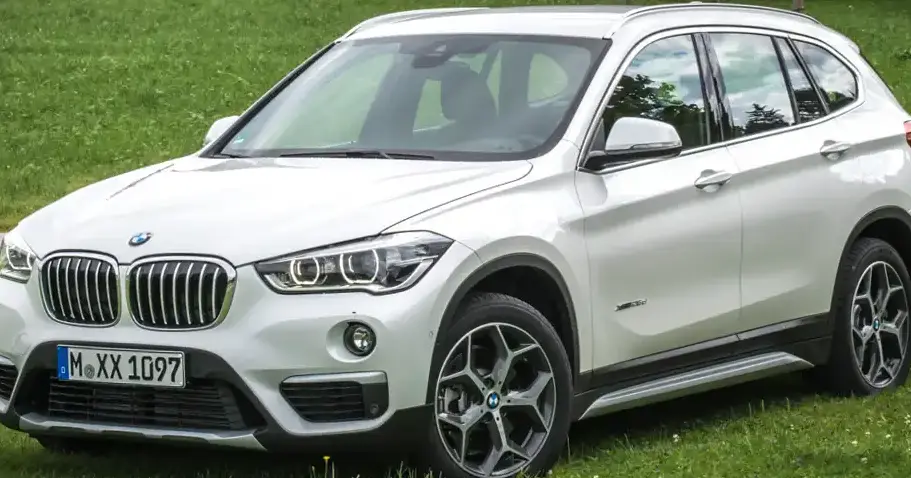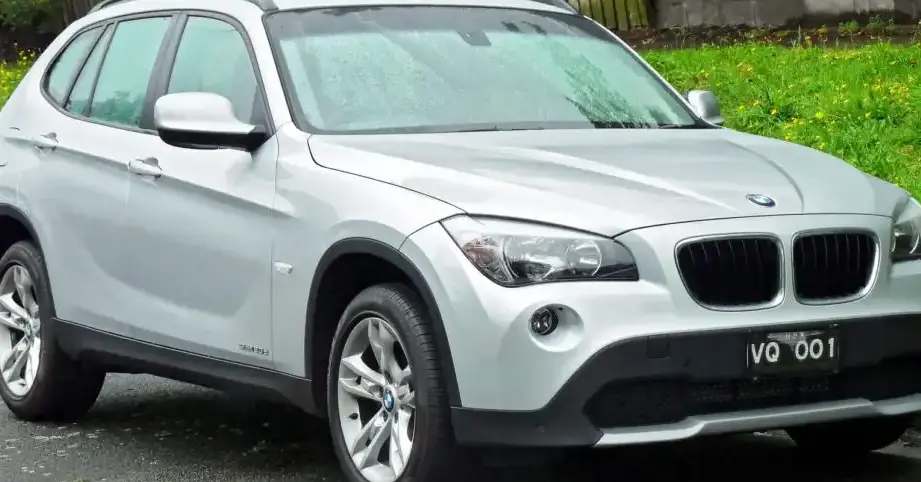
The BMW X1 (E84) 20d sDrive, produced from 2009 to 2012, represented BMW’s initial foray into the compact luxury crossover segment. This variant, powered by a 2.0-liter turbocharged diesel engine producing 177 horsepower, was a key offering in the European market, designed to appeal to buyers seeking a blend of practicality, efficiency, and the BMW driving experience in a smaller package. The 20d sDrive occupied a mid-range position within the E84 X1 lineup, slotting between the base 18d and the more powerful 23d and xDrive all-wheel drive models. It was primarily aimed at customers who prioritized fuel economy and reasonable performance over outright speed and all-weather capability.
Technical Specifications
| Brand | BMW |
| Model | X1 |
| Generation | X1 (E84) |
| Type (Engine) | 20d (177 Hp) sDrive |
| Start of production | 2009 |
| End of production | 2012 |
| Powertrain Architecture | Internal Combustion engine |
| Body type | SUV |
| Seats | 5 |
| Doors | 5 |
| Fuel consumption (urban) | 6.4 l/100 km (36.8 US mpg) |
| Fuel consumption (extra urban) | 4.7 l/100 km (50 US mpg) |
| Fuel consumption (combined) | 5.3 l/100 km (44.4 US mpg) |
| Fuel Type | Diesel |
| Acceleration 0 – 100 km/h | 8.1 sec |
| Acceleration 0 – 62 mph | 8.1 sec |
| Acceleration 0 – 60 mph | 7.7 sec |
| Maximum speed | 218 km/h (135.46 mph) |
| Weight-to-power ratio | 8.8 kg/Hp |
| Weight-to-torque ratio | 4.5 kg/Nm |
| Power | 177 Hp @ 4000 rpm |
| Torque | 350 Nm @ 1750-3000 rpm (258.15 lb.-ft.) |
| Engine layout | Front, Longitudinal |
| Engine Model/Code | N47D20C |
| Engine displacement | 1995 cm3 (121.74 cu. in.) |
| Number of cylinders | 4 |
| Engine configuration | Inline |
| Cylinder Bore | 84 mm (3.31 in.) |
| Piston Stroke | 90 mm (3.54 in.) |
| Number of valves per cylinder | 4 |
| Fuel injection system | Diesel Commonrail |
| Engine aspiration | Turbocharger, Intercooler |
| Engine oil capacity | 5.2 l (5.49 US qt) |
| Coolant capacity | 7.5 l (7.93 US qt) |
| Kerb Weight | 1565 kg (3450.23 lbs.) |
| Max. weight | 2045 kg (4508.45 lbs.) |
| Max load | 480 kg (1058.22 lbs.) |
| Fuel tank capacity | 61 l (16.11 US gal) |
| Length | 4454 mm (175.35 in.) |
| Width | 1798 mm (70.79 in.) |
| Height | 1545 mm (60.83 in.) |
| Wheelbase | 2760 mm (108.66 in.) |
| Front track | 1500 mm (59.06 in.) |
| Rear track | 1529 mm (60.2 in.) |
| Drivetrain Architecture | Rear wheel drive |
| Number of gears | 6 |
| Gearbox type | Automatic transmission |
| Tire size | 225/50 R17 V |
Powertrain & Engine Architecture
The heart of the X1 20d sDrive is the BMW N47D20C engine, a 2.0-liter inline-four cylinder diesel. This engine is a highly advanced design for its time, featuring common-rail direct injection, a variable geometry turbocharger, and four valves per cylinder. The N47 family of engines was known for its efficiency and refinement, and the 20d variant was no exception. The common-rail system, operating at extremely high pressures, allowed for precise fuel metering and optimized combustion. The turbocharger, coupled with an intercooler, boosted power output while maintaining good low-end torque. The engine’s longitudinal mounting and rear-wheel drive configuration were typical of BMW’s traditional layout, contributing to a balanced driving experience. The six-speed automatic transmission, while not as sporty as BMW’s manual options, provided smooth and convenient gear changes. It was programmed for fuel efficiency, with taller gear ratios prioritizing economy over rapid acceleration.
Driving Characteristics
The X1 20d sDrive offered a comfortable and composed driving experience. While not a performance machine, the 177 horsepower and 350 Nm (258 lb-ft) of torque provided adequate power for everyday driving and highway cruising. Acceleration from 0-60 mph took around 7.7 seconds, which was respectable for a compact crossover. The automatic transmission, while smooth, could sometimes feel hesitant during quick overtaking maneuvers. Compared to the more powerful X1 23d, the 20d felt noticeably less responsive. However, it offered significantly better fuel economy. The rear-wheel drive configuration provided a balanced feel, although it lacked the all-weather capability of the xDrive models. The steering was precise and well-weighted, typical of BMW, and the suspension provided a comfortable ride without feeling overly soft.
Equipment & Trim Levels
The X1 20d sDrive typically came standard with features such as air conditioning, power windows, power mirrors, a basic audio system, and alloy wheels. Higher trim levels offered options like leather upholstery, a sunroof, navigation system, parking sensors, and upgraded audio systems. Interior materials were generally of good quality, although the overall design was relatively understated. The dashboard layout was functional and driver-focused, with clear instrumentation. Optional extras allowed buyers to personalize their X1, but the base model was well-equipped for its price point.
Chassis & Braking
The E84 X1 utilized a MacPherson strut front suspension and a multi-link rear suspension. This setup provided a good balance of ride comfort and handling. The rear brakes on the 20d sDrive were typically drum brakes, while the front brakes were ventilated discs. Anti-lock braking system (ABS) was standard, along with electronic brake-force distribution (EBD). The chassis was relatively lightweight, contributing to the X1’s agility. Stabilizer bars were fitted front and rear to reduce body roll during cornering.
Market Reception & Comparison
The BMW X1 20d sDrive was generally well-received by automotive critics. It was praised for its fuel efficiency, comfortable ride, and refined interior. However, some critics noted that the rear-wheel drive configuration was not ideal for all weather conditions, and the automatic transmission could be slow to respond at times. Compared to other compact crossovers, such as the Audi Q3 and the Mercedes-Benz GLK, the X1 offered a more engaging driving experience and a more premium interior. The 20d variant offered a compelling value proposition for buyers who prioritized fuel economy and practicality over outright performance.
Legacy
The N47D20C engine, while generally reliable, has been known to experience timing chain issues in some cases. Regular maintenance, including oil changes and timing chain inspections, is crucial for long-term reliability. Today, the E84 X1 20d sDrive remains a popular choice in the used car market, particularly in Europe. Its combination of fuel efficiency, practicality, and the BMW badge makes it an attractive option for buyers seeking a compact luxury crossover. The E84 X1 paved the way for the second-generation X1 (F48), which adopted a front-wheel drive platform and a more spacious interior.