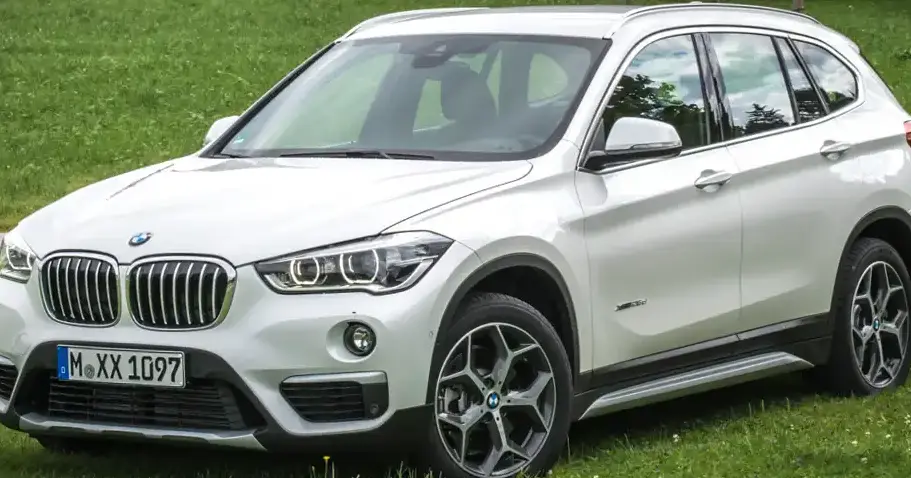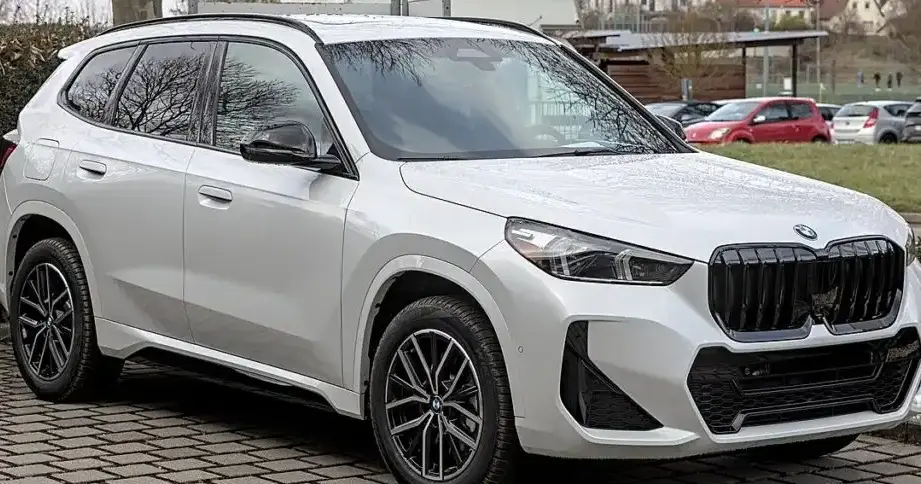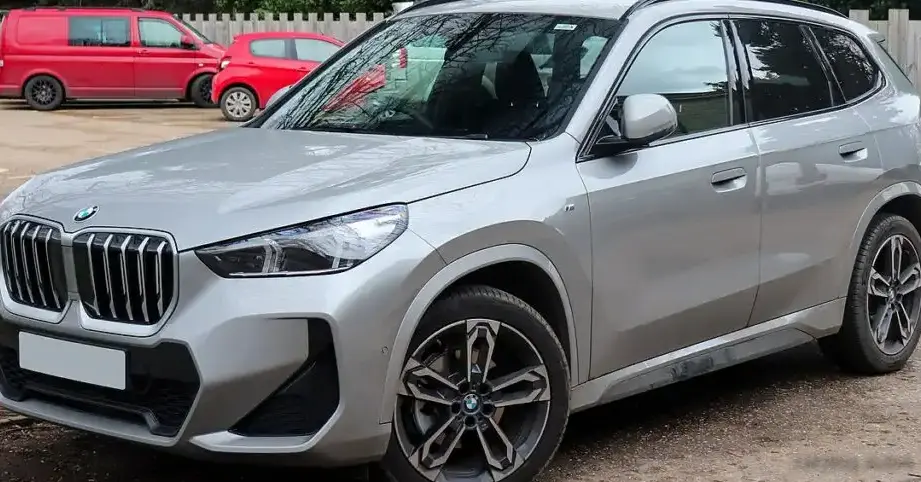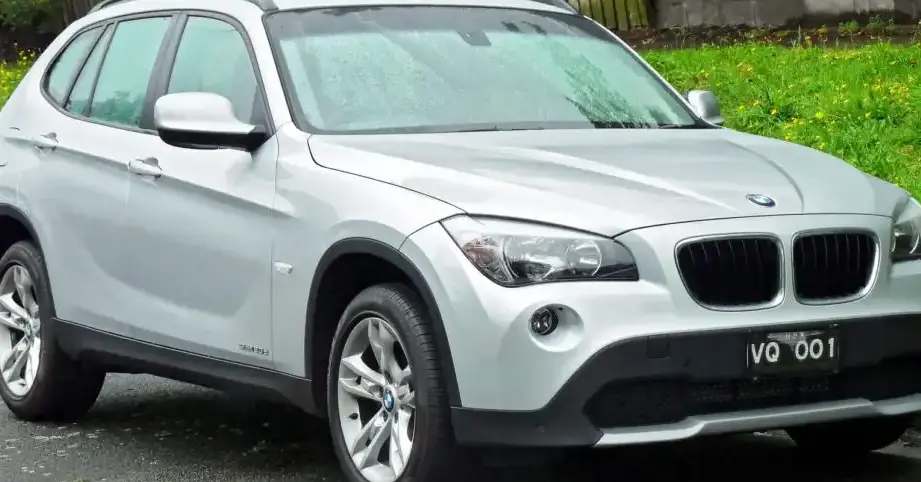
The BMW X1 (E84) 28i xDrive, produced from 2011 to 2012, represented a significant entry for BMW into the burgeoning compact luxury crossover segment. Built on the BMW 1 Series platform (E84), the X1 aimed to offer a more practical and spacious alternative to traditional hatchbacks while retaining the brand’s focus on driving dynamics. The 28i variant, equipped with the N20B20A engine and all-wheel drive (xDrive), occupied the upper-mid range of the X1 lineup, positioned above the base 20i models and below the diesel-powered xDrive23d and xDrive35i. It was primarily marketed towards buyers seeking a blend of performance, practicality, and the prestige associated with the BMW badge.
Technical Specifications
| Brand | BMW |
| Model | X1 |
| Generation | X1 (E84) |
| Type (Engine) | 28i (245 Hp) xDrive |
| Start of production | 2011 |
| End of production | 2012 |
| Powertrain Architecture | Internal Combustion engine |
| Body type | SUV |
| Seats | 5 |
| Doors | 5 |
| Fuel consumption (urban) | 13 l/100 km (18.1 US mpg, 21.7 UK mpg, 7.7 km/l) |
| Fuel consumption (extra urban) | 7.3 l/100 km (32.2 US mpg, 38.7 UK mpg, 13.7 km/l) |
| Fuel consumption (combined) | 9.4 l/100 km (25 US mpg, 30.1 UK mpg, 10.6 km/l) |
| Fuel Type | Petrol (Gasoline) |
| Acceleration 0 – 100 km/h | 6.8 sec |
| Acceleration 0 – 62 mph | 6.8 sec |
| Acceleration 0 – 60 mph | 6.5 sec |
| Maximum speed | 230 km/h (142.92 mph) |
| Weight-to-power ratio | 6.9 kg/Hp, 145.4 Hp/tonne |
| Weight-to-torque ratio | 4.8 kg/Nm, 207.7 Nm/tonne |
| Power | 245 Hp @ 5000-6500 rpm |
| Power per litre | 81.8 Hp/l |
| Torque | 350 Nm @ 1250-4800 rpm (258.15 lb.-ft. @ 1250-4800 rpm) |
| Engine layout | Front, Longitudinal |
| Engine Model/Code | N20B20A |
| Engine displacement | 2996 cm3 (182.83 cu. in.) |
| Number of cylinders | 6 |
| Engine configuration | Inline |
| Cylinder Bore | 85 mm (3.35 in.) |
| Piston Stroke | 88 mm (3.46 in.) |
| Number of valves per cylinder | 4 |
| Fuel injection system | Direct injection |
| Engine aspiration | Turbocharger, Intercooler |
| Engine oil capacity | 5 l (5.28 US qt | 4.4 UK qt) |
| Coolant | 8.2 l (8.66 US qt | 7.21 UK qt) |
| Kerb Weight | 1685 kg (3714.79 lbs.) |
| Max. weight | 2180 kg (4806.08 lbs.) |
| Max load | 495 kg (1091.29 lbs.) |
| Fuel tank capacity | 63 l (16.64 US gal | 13.86 UK gal) |
| Length | 4454 mm (175.35 in.) |
| Width | 1798 mm (70.79 in.) |
| Height | 1545 mm (60.83 in.) |
| Wheelbase | 2760 mm (108.66 in.) |
| Front track | 1500 mm (59.06 in.) |
| Rear track | 1529 mm (60.2 in.) |
| Drive wheel | All wheel drive (4×4) |
| Number of gears | 6 |
| Type of gearbox | Manual transmission |
| Front brakes | Ventilated discs |
| Assisting systems | ABS (Anti-lock braking system) |
| Steering type | Steering rack and pinion |
| Tires size | 225/50 R17 V |
| Wheel rims size | 7.5J x 17 |
Powertrain & Engine Architecture
The heart of the X1 28i xDrive is the N20B20A 3.0-liter inline-six cylinder engine. This engine is a key member of BMW’s new generation of modular engines, featuring direct fuel injection, a single twin-scroll turbocharger, and variable valve timing (Double-VANOS) and valve lift (Valvetronic) technologies. These technologies work in concert to deliver a broad torque curve and impressive fuel efficiency. The N20 engine produces 245 horsepower at 5,000-6,500 rpm and 350 Nm (258 lb-ft) of torque between 1,250 and 4,800 rpm. The engine’s longitudinal mounting and rear-wheel-drive bias, coupled with BMW’s xDrive all-wheel-drive system, contribute to balanced handling characteristics. The standard transmission for the 28i was a six-speed manual, although a six-speed automatic transmission was also available as an option. The automatic transmission featured Sport and Manual shift modes, allowing drivers to tailor the driving experience to their preferences.
Driving Characteristics
The X1 28i xDrive offered a noticeably more engaging driving experience than many of its competitors. The turbocharged inline-six provided ample power for everyday driving and confident passing maneuvers. The 0-60 mph sprint took approximately 6.5 seconds, making it a relatively quick crossover for its class. The xDrive all-wheel-drive system provided excellent traction in various weather conditions. While the manual transmission offered a more connected feel, the automatic transmission provided smooth and responsive shifts. Compared to the base 20i models, the 28i delivered a significant performance boost. However, it didn’t quite match the outright acceleration of the xDrive35i, which featured a more powerful engine. The suspension tuning prioritized comfort and control, resulting in a ride that was firm but not overly harsh.
Equipment & Trim Levels
The X1 28i xDrive came standard with a respectable array of features, including automatic climate control, power windows and locks, a multi-function steering wheel, and a BMW Professional radio system. Upholstery was typically cloth, but leather upholstery was available as an option. Common optional extras included a panoramic sunroof, navigation system, upgraded audio system, and parking sensors. Trim levels were relatively simple, with most customization occurring through individual options packages. The interior design was functional and modern, reflecting BMW’s design language of the time.
Chassis & Braking
The X1 E84 utilized a MacPherson strut front suspension and a multi-link rear suspension. The suspension components were tuned to provide a balance between comfort and handling. The xDrive system intelligently distributed torque between the front and rear axles, optimizing traction and stability. Braking duties were handled by ventilated disc brakes at the front and either disc or drum brakes at the rear, depending on the specific configuration. The standard anti-lock braking system (ABS) and electronic stability control (ESC) enhanced safety. The steering system employed a rack-and-pinion setup, providing precise and responsive steering feel.
Market Reception & Comparison
The BMW X1 28i xDrive was generally well-received by automotive critics. It was praised for its engaging driving dynamics, spacious interior, and premium build quality. However, some critics noted that the rear seat headroom was somewhat limited and that the ride could be firm on rough roads. Compared to competitors like the Audi Q3 and Mercedes-Benz GLK, the X1 offered a more sporty driving experience. Fuel economy was respectable for its class, averaging around 25 mpg in combined driving. Reliability was generally good, although some owners reported minor issues with the electronic systems.
Legacy
The BMW X1 E84 28i xDrive remains a popular choice in the used car market. The N20 engine is known for its durability and relatively low maintenance costs, although preventative maintenance, such as regular oil changes and cooling system flushes, is crucial. The xDrive all-wheel-drive system is also generally reliable. The X1 E84 paved the way for the second-generation X1 (F48), which offered a more refined and spacious interior. Today, the E84 28i xDrive represents a compelling option for buyers seeking a sporty and practical compact luxury crossover at an affordable price point.