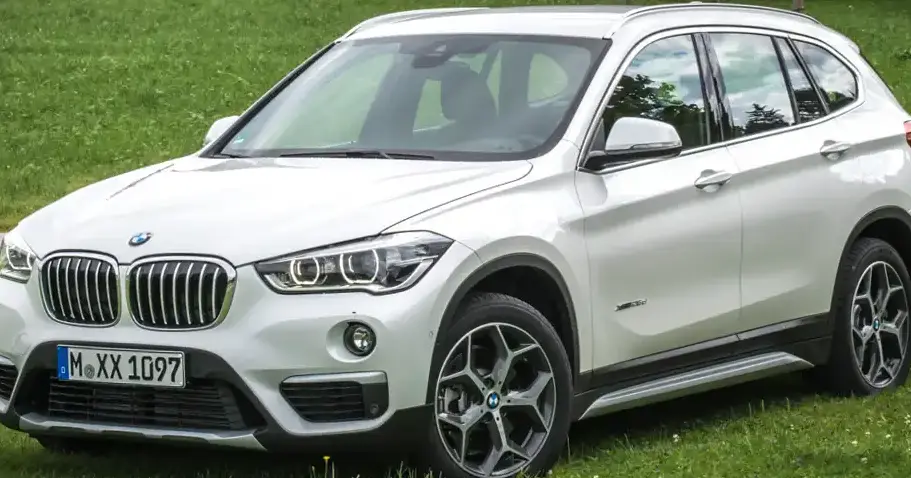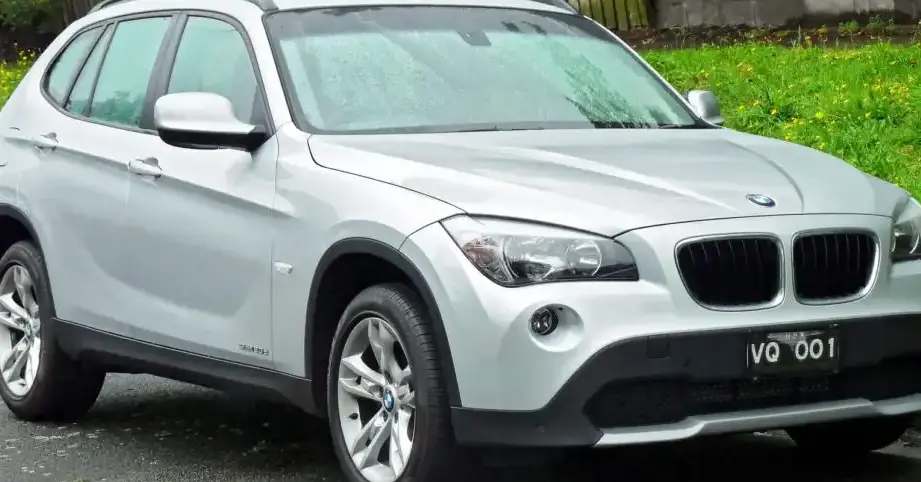
The BMW X1 (E84) facelift, produced from 2012 to 2015, represented BMW’s entry into the burgeoning compact luxury crossover segment. The 16d variant, powered by a 2.0-liter four-cylinder diesel engine producing 116 horsepower, was a significant offering within the range, particularly in European markets where diesel fuel was prevalent and taxation favored smaller displacement engines. This sDrive (rear-wheel drive) model aimed to provide a balance of fuel efficiency, practicality, and the BMW driving experience at a relatively accessible price point. It sat as the base engine option in the X1 lineup, positioned below the more powerful xDrive20d and xDrive28i models.
Technical Specifications
| Brand | BMW |
| Model | X1 |
| Generation | X1 (E84 Facelift 2012) |
| Type (Engine) | 16d (116 Hp) sDrive |
| Start of production | 2012 |
| End of production | 2015 |
| Powertrain Architecture | Internal Combustion engine |
| Body type | SUV |
| Seats | 5 |
| Doors | 5 |
| Fuel consumption (urban) | 5.7 l/100 km (41.3 US mpg, 49.6 UK mpg, 17.5 km/l) |
| Fuel consumption (extra urban) | 4.4 l/100 km (53.5 US mpg, 64.2 UK mpg, 22.7 km/l) |
| Fuel consumption (combined) | 4.9 l/100 km (48 US mpg, 57.6 UK mpg, 20.4 km/l) |
| CO2 emissions | 128 g/km |
| Fuel Type | Diesel |
| Acceleration 0 – 100 km/h | 11.5 sec |
| Acceleration 0 – 62 mph | 11.5 sec |
| Acceleration 0 – 60 mph | 10.9 sec |
| Maximum speed | 190 km/h (118.06 mph) |
| Emission standard | Euro 5 |
| Weight-to-power ratio | 13.4 kg/Hp, 74.6 Hp/tonne |
| Weight-to-torque ratio | 6 kg/Nm, 167.2 Nm/tonne |
| Power | 116 Hp @ 4000 rpm |
| Power per litre | 58.1 Hp/l |
| Torque | 260 Nm @ 1750-2500 rpm (191.77 lb.-ft. @ 1750-2500 rpm) |
| Engine layout | Front, Longitudinal |
| Engine Model/Code | N47D20C |
| Engine displacement | 1995 cm3 (121.74 cu. in.) |
| Number of cylinders | 4 |
| Engine configuration | Inline |
| Cylinder Bore | 84 mm (3.31 in.) |
| Piston Stroke | 90 mm (3.54 in.) |
| Compression ratio | 16.5:1 |
| Number of valves per cylinder | 4 |
| Fuel injection system | Diesel Commonrail |
| Engine aspiration | Twin-power turbo, Intercooler |
| Engine oil capacity | 5.2 l (5.49 US qt | 4.58 UK qt) |
| Coolant | 8.5 l (8.98 US qt | 7.48 UK qt) |
| Kerb Weight | 1555 kg (3428.19 lbs.) |
| Max. weight | 2030 kg (4475.38 lbs.) |
| Max load | 475 kg (1047.2 lbs.) |
| Trunk (boot) space – minimum | 420 l (14.83 cu. ft.) |
| Trunk (boot) space – maximum | 1350 l (47.67 cu. ft.) |
| Fuel tank capacity | 61 l (16.11 US gal | 13.42 UK gal) |
| Length | 4477 mm (176.26 in.) |
| Width | 1798 mm (70.79 in.) |
| Height | 1545 mm (60.83 in.) |
| Wheelbase | 2760 mm (108.66 in.) |
| Front track | 1500 mm (59.06 in.) |
| Rear (Back) track | 1529 mm (60.2 in.) |
| Minimum turning circle | 11.3 m (37.07 ft.) |
| Drivetrain Architecture | Rear wheel drive |
| Number of gears | 6 |
| Gearbox type | Manual transmission |
| Front suspension | Independent coil spring |
| Rear suspension | Independent multi-link suspension |
| Front brakes | Ventilated discs |
| Rear brakes | Ventilated discs |
| Assisting systems | ABS (Anti-lock braking system) |
| Steering type | Steering rack and pinion |
| Tires size | 225/50 R17 94H |
| Wheel rims size | 7.5J x 17 |
INTRODUCTION
The BMW X1 E84 facelift, launched in 2012, was a mid-cycle refresh of the first-generation X1, which debuted in 2009. Built on the 1HX0 platform (shared with the first-generation MINI Countryman), the X1 aimed to offer a more compact and affordable entry point into the BMW SUV lineup. The 16d variant, with its 116 horsepower diesel engine and rear-wheel drive configuration, was particularly popular in Europe, where fuel economy and lower running costs were highly valued. This model represented an entry-level option, appealing to buyers seeking a premium badge and a practical vehicle for urban and occasional long-distance driving.
Powertrain & Engine Architecture
The heart of the X1 16d is the N47D20C 2.0-liter inline-four diesel engine. This engine is a member of BMW’s highly successful N47 family, known for its efficiency and relatively compact size. The N47D20C utilizes a second-generation common rail direct injection system, delivering fuel at pressures up to 1800 bar for optimized combustion. It’s equipped with a single turbocharger with variable geometry turbine (VGT) technology, enhancing low-end torque and responsiveness. The engine also features an intercooler to further improve performance. The 116 horsepower and 260 Nm (192 lb-ft) of torque are respectable for its displacement, but the focus is clearly on fuel efficiency. The engine is longitudinally mounted, driving the rear wheels. The standard transmission for this variant was a six-speed manual gearbox, although a six-speed automatic transmission was also available as an option. The automatic transmission offered smoother shifts but slightly reduced fuel economy.
Driving Characteristics
The X1 16d sDrive, with its 116 horsepower and rear-wheel drive setup, delivers a driving experience that prioritizes fuel economy and comfort over outright performance. Acceleration from 0-60 mph takes around 10.9 seconds, which is adequate for everyday driving but doesn’t offer much in the way of spirited performance. The engine’s torque peak is available from 1750-2500 rpm, providing sufficient pulling power for overtaking and climbing hills. The six-speed manual transmission is well-matched to the engine, offering precise shifts and allowing the driver to maintain optimal engine speed. Compared to the more powerful xDrive models, the 16d feels noticeably slower, especially when fully loaded. However, the rear-wheel drive configuration provides a balanced feel and predictable handling. The steering is typical BMW – precise and well-weighted, although lacking some of the feedback found in more performance-oriented models.
Equipment & Trim Levels
The X1 16d sDrive typically came with a reasonable level of standard equipment. This included features like air conditioning, power windows, central locking, a basic audio system with CD player, and alloy wheels. Safety features such as ABS, traction control, and multiple airbags were also standard. Optional extras included features like a sunroof, leather upholstery, navigation system, parking sensors, and upgraded audio systems. Trim levels varied depending on the market, but generally, the 16d was positioned as the entry-level model, with fewer standard features than the higher-spec xDrive variants. Interior upholstery was typically cloth, with the option of leather as an upgrade. The dashboard layout was functional and well-designed, with a clear instrument cluster and intuitive controls.
Chassis & Braking
The X1 E84 utilizes a MacPherson strut front suspension and a multi-link rear suspension, providing a comfortable and controlled ride. The suspension is tuned for a balance between comfort and handling, offering a good compromise for everyday driving. The rear-wheel drive configuration contributes to a balanced chassis. Braking duties are handled by ventilated disc brakes on all four wheels, providing adequate stopping power. ABS (Anti-lock Braking System) is standard, enhancing safety in emergency braking situations. The X1 16d’s weight of around 1555 kg (3428 lbs) is relatively low for a compact SUV, which helps to improve handling and fuel efficiency. Stabilizer bars are fitted to both the front and rear axles to reduce body roll during cornering.
Market Reception & Comparison
The BMW X1 16d was generally well-received by automotive critics, particularly for its fuel efficiency and practicality. However, some reviewers noted that the engine lacked the punch of the more powerful xDrive models. Compared to the X1 xDrive20d, the 16d offered significantly lower running costs but at the expense of performance. The 16d also compared favorably to other compact SUVs in terms of fuel economy, but its price was higher due to the BMW badge. Reliability was generally good, although some owners reported issues with the diesel particulate filter (DPF) and turbocharger. The rear-wheel drive configuration was seen as a positive by driving enthusiasts, but it also meant that the 16d was less capable in slippery conditions than the all-wheel drive xDrive models.
Legacy
The BMW X1 E84 16d remains a popular choice in the used car market, particularly in Europe. Its fuel efficiency, practicality, and the prestige of the BMW brand continue to appeal to buyers. The N47 engine, while generally reliable, is known to have some potential issues, such as timing chain wear and DPF problems. Regular maintenance and preventative servicing are crucial to ensure the long-term reliability of this powertrain. Despite its age, the X1 E84 16d still offers a comfortable and refined driving experience, making it a viable option for those seeking an affordable and efficient compact SUV.