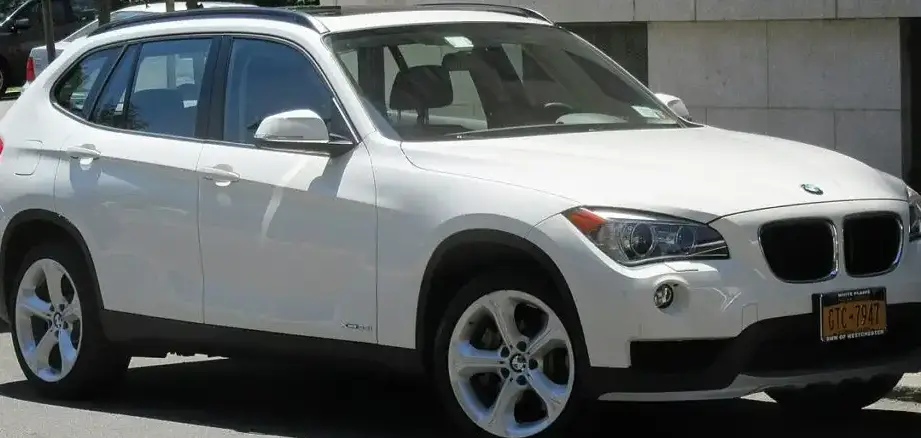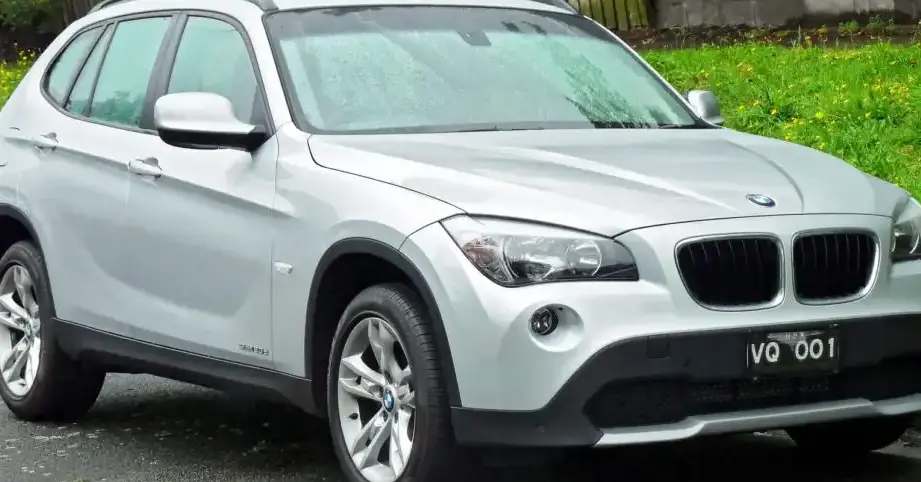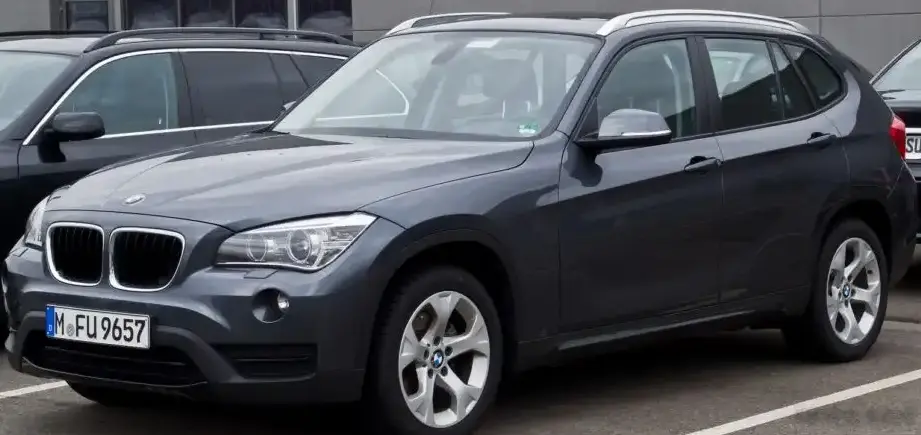
The BMW X1 (E84) facelift, introduced in 2012 and produced through 2015, represented a mid-cycle refresh of BMW’s entry-level compact SUV. The 20d sDrive variant, powered by a 2.0-liter turbocharged diesel engine producing 184 horsepower, occupied a significant position in the X1 lineup, particularly in European markets where diesel engines were highly favored. This rear-wheel drive configuration aimed to balance fuel efficiency with a reasonably engaging driving experience, appealing to buyers seeking a practical yet premium vehicle. The E84 X1 was BMW’s first foray into the sub-compact luxury crossover segment, and the 20d sDrive model was a core offering designed to attract a broad customer base.
Technical Specifications
| Brand | BMW |
| Model | X1 |
| Generation | X1 (E84 Facelift 2012) |
| Type (Engine) | 20d (184 Hp) sDrive |
| Start of production | 2012 |
| End of production | 2015 |
| Powertrain Architecture | Internal Combustion engine |
| Body type | SUV |
| Seats | 5 |
| Doors | 5 |
| Fuel consumption (urban) | 5.8 l/100 km (40.6 US mpg, 48.7 UK mpg, 17.2 km/l) |
| Fuel consumption (extra urban) | 4.4 l/100 km (53.5 US mpg, 64.2 UK mpg, 22.7 km/l) |
| Fuel consumption (combined) | 4.9 l/100 km (48 US mpg, 57.6 UK mpg, 20.4 km/l) |
| CO2 emissions | 129 g/km |
| Fuel Type | Diesel |
| Acceleration 0 – 100 km/h | 7.8 sec |
| Acceleration 0 – 62 mph | 7.8 sec |
| Acceleration 0 – 60 mph | 7.4 sec |
| Maximum speed | 220 km/h (136.7 mph) |
| Emission standard | Euro 5 |
| Weight-to-power ratio | 8.5 kg/Hp, 117.6 Hp/tonne |
| Weight-to-torque ratio | 4.1 kg/Nm, 242.8 Nm/tonne |
| Power | 184 Hp @ 4000 rpm |
| Torque | 380 Nm @ 1750-2750 rpm (280.27 lb.-ft. @ 1750-2750 rpm) |
| Engine layout | Front, Longitudinal |
| Engine Model/Code | N47D20C |
| Engine displacement | 1995 cm3 (121.74 cu. in.) |
| Number of cylinders | 4 |
| Engine configuration | Inline |
| Cylinder Bore | 84 mm (3.31 in.) |
| Piston Stroke | 90 mm (3.54 in.) |
| Compression ratio | 16.5:1 |
| Number of valves per cylinder | 4 |
| Fuel injection system | Diesel Commonrail |
| Engine aspiration | Twin-power turbo, Intercooler |
| Engine oil capacity | 5.2 l (5.49 US qt | 4.58 UK qt) |
| Coolant capacity | 7.2 l (7.61 US qt | 6.34 UK qt) |
| Kerb Weight | 1565 kg (3450.23 lbs.) |
| Max. weight | 2045 kg (4508.45 lbs.) |
| Max load | 480 kg (1058.22 lbs.) |
| Trunk (boot) space – minimum | 420 l (14.83 cu. ft.) |
| Trunk (boot) space – maximum | 1350 l (47.67 cu. ft.) |
| Fuel tank capacity | 61 l (16.11 US gal | 13.42 UK gal) |
| Length | 4477 mm (176.26 in.) |
| Width | 1798 mm (70.79 in.) |
| Height | 1545 mm (60.83 in.) |
| Wheelbase | 2760 mm (108.66 in.) |
| Front track | 1500 mm (59.06 in.) |
| Rear track | 1529 mm (60.2 in.) |
| Minimum turning circle | 11.3 m (37.07 ft.) |
| Drivetrain Architecture | Rear wheel drive |
| Number of gears | 6 |
| Gearbox type | Manual transmission |
| Front suspension | Independent coil spring |
| Rear suspension | Independent multi-link suspension |
| Front brakes | Ventilated discs |
| Rear brakes | Ventilated discs |
| Assisting systems | ABS (Anti-lock braking system) |
| Steering type | Steering rack and pinion |
| Tires size | 225/50 R17 94H |
| Wheel rims size | 7.5J x 17 |
Powertrain & Engine Architecture
The heart of the X1 20d sDrive is the BMW N47D20C engine, a 2.0-liter inline-four cylinder diesel. This engine is a member of BMW’s modular engine family and features common-rail direct injection, a variable geometry turbocharger, and four valves per cylinder. The N47 series, known for its efficiency and refinement, utilizes a sophisticated fuel injection system capable of multiple injections per combustion cycle to optimize combustion and reduce noise. The ‘C’ suffix denotes updates to the engine, including improvements to the turbocharger and fuel injection system for increased power and reduced emissions. The engine produces 184 horsepower at 4000 rpm and a substantial 380 Nm (280 lb-ft) of torque between 1750 and 2750 rpm. This broad torque curve is characteristic of diesel engines and contributes to strong low-end responsiveness. The engine is longitudinally mounted, driving the rear wheels through a six-speed manual transmission. While an eight-speed automatic was available on other X1 variants, the 20d sDrive was primarily offered with the manual gearbox, emphasizing a more driver-focused experience.
Driving Characteristics
The X1 20d sDrive, with its 184 hp and rear-wheel drive configuration, offered a distinct driving experience compared to its all-wheel drive siblings or higher-powered variants. The manual transmission provided a direct connection to the engine, allowing drivers to fully utilize the available torque. Acceleration from 0 to 60 mph took approximately 7.4 seconds, which was respectable for a compact SUV of this era. While not overtly sporty, the X1 20d sDrive felt nimble and responsive in everyday driving situations. The rear-wheel drive layout contributed to a balanced feel, although it could exhibit a degree of oversteer under hard cornering. Compared to the xDrive all-wheel drive models, the sDrive version was lighter and slightly more fuel-efficient, but it lacked the added traction and stability in inclement weather. The six-speed manual transmission was well-matched to the engine’s characteristics, with gear ratios optimized for both fuel economy and performance.
Equipment & Trim Levels
The X1 20d sDrive typically came equipped with a solid base level of standard features. These included automatic climate control, a BMW Professional radio system with iDrive controller, power windows and mirrors, and alloy wheels. Interior upholstery was generally cloth, although leather options were available. Common optional extras included a panoramic sunroof, navigation system, parking sensors, and upgraded audio systems. Trim levels were relatively simple, with most customization occurring through individual option selections. The focus was on providing a premium experience without the extensive customization options found in higher-end BMW models. Safety features such as ABS, stability control, and multiple airbags were standard.
Chassis & Braking
The X1 E84 utilized a MacPherson strut front suspension and a multi-link rear suspension, providing a good balance of ride comfort and handling. The suspension was tuned to be relatively firm, reflecting BMW’s emphasis on driving dynamics. The 20d sDrive model featured ventilated disc brakes on all four wheels, providing ample stopping power. ABS (Anti-lock Braking System) was standard, enhancing safety and control during emergency braking. The rear-wheel drive configuration necessitated a slightly different suspension setup compared to the xDrive models, with adjustments made to accommodate the different weight distribution. Stabilizer bars were fitted front and rear to minimize body roll during cornering.
Market Reception & Comparison
The BMW X1 20d sDrive was generally well-received by automotive critics, who praised its fuel efficiency, refined engine, and engaging driving dynamics. However, some reviewers noted that the rear-wheel drive configuration wasn’t ideal for all climates and that the interior space was somewhat limited compared to some competitors. Compared to the X1 23d or xDrive20d models, the 20d sDrive offered a more affordable entry point into the X1 range, albeit with slightly less power and all-weather capability. Its fuel economy was comparable to other diesel-powered compact SUVs, and its reliability was generally considered good, although early N47 engines were known to have potential issues with timing chain tensioners, which were addressed in later revisions.
Legacy
The BMW X1 E84 20d sDrive remains a popular choice in the used car market, particularly in Europe. Its combination of fuel efficiency, practicality, and BMW brand prestige continues to appeal to buyers. While the N47 engine’s timing chain issue is a known concern, regular maintenance and preventative checks can mitigate the risk. The X1 E84 paved the way for the second-generation X1 (F48), which adopted a front-wheel drive platform. The 20d sDrive variant represents a compelling option for those seeking a compact, efficient, and reasonably engaging luxury SUV.