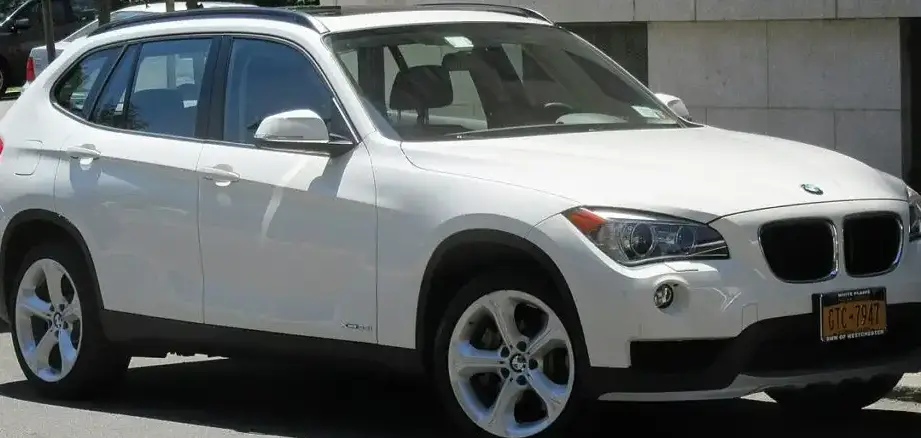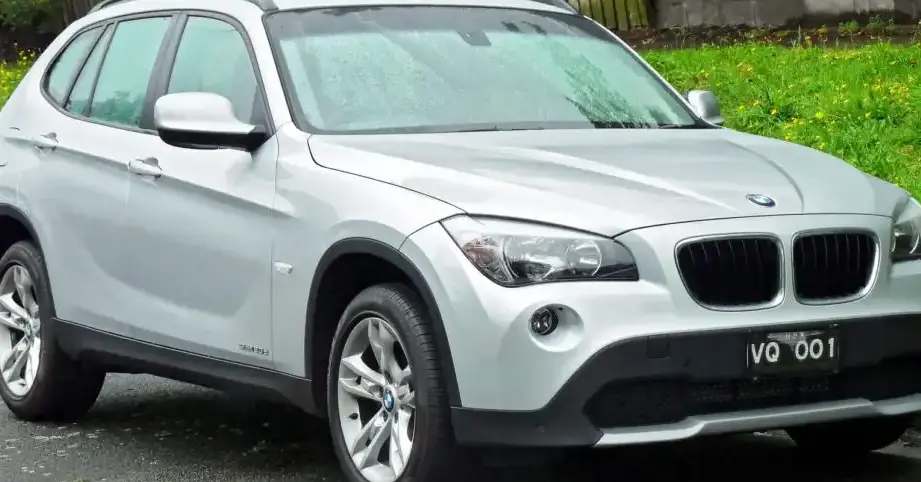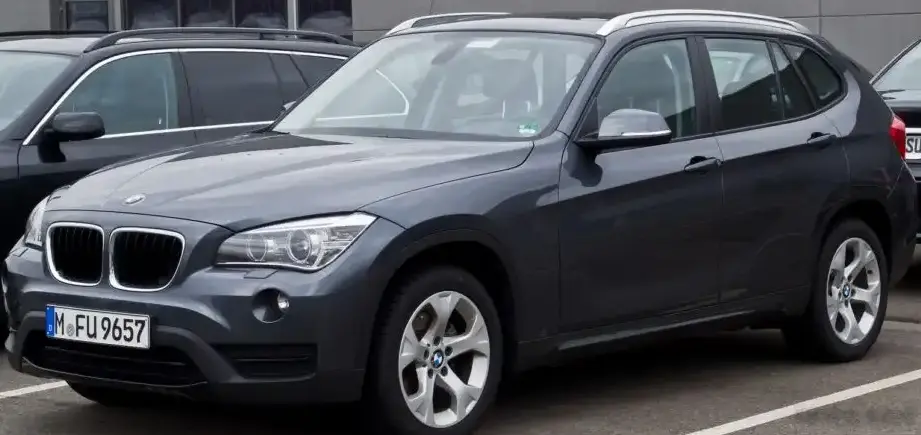
The BMW X1 (E84) facelift, produced from 2012 to 2015, represented a mid-cycle refresh of BMW’s entry-level compact SUV. The 20d variant, powered by a 2.0-liter turbocharged diesel engine producing 184 horsepower and paired with an 8-speed Steptronic automatic transmission, was a significant offering within the X1 lineup. This rear-wheel drive (sDrive) configuration aimed to balance fuel efficiency, practicality, and a taste of BMW’s driving dynamics in a more accessible package. It served as a bridge between the base models and the more powerful xDrive all-wheel-drive versions, appealing to buyers prioritizing economy and a comfortable driving experience.
Technical Specifications
| Brand | BMW |
| Model | X1 |
| Generation | X1 (E84 Facelift 2012) |
| Type (Engine) | 20d (184 Hp) sDrive Steptronic |
| Start of production | 2012 |
| End of production | 2015 |
| Powertrain Architecture | Internal Combustion engine |
| Body type | SUV |
| Seats | 5 |
| Doors | 5 |
| Fuel consumption (urban) | 5.6 l/100 km (42 US mpg, 50.4 UK mpg, 17.9 km/l) |
| Fuel consumption (extra urban) | 4.7 l/100 km (50 US mpg, 60.1 UK mpg, 21.3 km/l) |
| Fuel consumption (combined) | 5 l/100 km (47 US mpg, 56.5 UK mpg, 20 km/l) |
| CO2 emissions | 132 g/km |
| Fuel Type | Diesel |
| Acceleration 0 – 100 km/h | 7.7 sec |
| Acceleration 0 – 62 mph | 7.7 sec |
| Acceleration 0 – 60 mph | 7.3 sec |
| Maximum speed | 218 km/h (135.46 mph) |
| Emission standard | Euro 5 |
| Weight-to-power ratio | 8.6 kg/Hp, 116.8 Hp/tonne |
| Weight-to-torque ratio | 4.1 kg/Nm, 241.3 Nm/tonne |
| Power | 184 Hp @ 4000 rpm |
| Torque | 380 Nm @ 1750-2750 rpm (280.27 lb.-ft. @ 1750-2750 rpm) |
| Engine layout | Front, Longitudinal |
| Engine Model/Code | N47D20C |
| Engine displacement | 1995 cm3 (121.74 cu. in.) |
| Number of cylinders | 4 |
| Engine configuration | Inline |
| Cylinder Bore | 84 mm (3.31 in.) |
| Piston Stroke | 90 mm (3.54 in.) |
| Compression ratio | 16.5:1 |
| Number of valves per cylinder | 4 |
| Fuel injection system | Diesel Commonrail |
| Engine aspiration | Twin-power turbo, Intercooler |
| Engine oil capacity | 5.2 l (5.49 US qt | 4.58 UK qt) |
| Coolant | 7.5 l (7.93 US qt | 6.6 UK qt) |
| Kerb Weight | 1575 kg (3472.28 lbs.) |
| Max. weight | 2060 kg (4541.52 lbs.) |
| Max load | 485 kg (1069.24 lbs.) |
| Trunk (boot) space – minimum | 420 l (14.83 cu. ft.) |
| Trunk (boot) space – maximum | 1350 l (47.67 cu. ft.) |
| Fuel tank capacity | 61 l (16.11 US gal | 13.42 UK gal) |
| Length | 4477 mm (176.26 in.) |
| Width | 1798 mm (70.79 in.) |
| Height | 1545 mm (60.83 in.) |
| Wheelbase | 2760 mm (108.66 in.) |
| Front track | 1500 mm (59.06 in.) |
| Rear (Back) track | 1529 mm (60.2 in.) |
| Minimum turning circle | 11.3 m (37.07 ft.) |
| Drivetrain Architecture | The Internal combustion engine (ICE) drives the rear wheels of the vehicle. |
| Drive wheel | Rear wheel drive |
| Number of gears and type of gearbox | 8 gears, automatic transmission Steptronic |
| Front suspension | Independent coil spring |
| Rear suspension | Independent multi-link suspension |
| Front brakes | Ventilated discs |
| Rear brakes | Ventilated discs |
| Assisting systems | ABS (Anti-lock braking system) |
| Steering type | Steering rack and pinion |
| Tires size | 225/50 R17 94H |
| Wheel rims size | 7.5J x 17 |
Powertrain & Engine Architecture
The heart of the X1 20d was the BMW N47D20C engine, a 2.0-liter inline-four cylinder diesel. This engine was a cornerstone of BMW’s EfficientDynamics strategy, focusing on maximizing fuel economy and reducing emissions. It featured common-rail direct injection, delivering fuel at extremely high pressure for optimized combustion. A twin-scroll turbocharger, coupled with an intercooler, provided a significant boost in power and torque. The N47 engine was known for its relatively complex valvetrain, utilizing a chain-driven double overhead camshaft (DOHC) design. The 8-speed Steptronic automatic transmission, a ZF-sourced unit, was a key component in maximizing efficiency and providing smooth gear changes. This transmission offered both automatic and manual shift modes, allowing drivers to tailor the driving experience to their preferences. The sDrive configuration meant all power was sent to the rear wheels, offering a more traditional BMW driving feel compared to the all-wheel-drive xDrive models.
Driving Characteristics
The X1 20d sDrive Steptronic offered a comfortable and refined driving experience. While not overtly sporty, the 184 horsepower and 380 Nm (280 lb-ft) of torque provided adequate performance for everyday driving. Acceleration from 0 to 60 mph took around 7.3 seconds, which was respectable for a compact SUV. The 8-speed automatic transmission played a crucial role in keeping the engine in its optimal power band, resulting in responsive acceleration. Compared to the more powerful X1 variants, such as the xDrive28i or the xDrive35i, the 20d offered less outright performance. However, it excelled in fuel economy, achieving around 47 mpg on the combined cycle. The rear-wheel-drive configuration provided a balanced feel, although it lacked the all-weather capability of the xDrive models. The steering was precise and well-weighted, typical of BMW, and the suspension provided a comfortable ride without feeling overly soft.
Equipment & Trim Levels
The X1 20d sDrive Steptronic typically came with a reasonable level of standard equipment. This included features like automatic climate control, a BMW Professional radio system with iDrive controller, power windows and mirrors, and alloy wheels. Upholstery was generally cloth, although leather options were available. Higher trim levels offered upgrades such as a panoramic sunroof, navigation system, upgraded audio system, and parking sensors. Optional extras could significantly enhance the X1’s features, allowing buyers to customize the vehicle to their specific needs and preferences. The interior design was functional and modern, with a focus on ergonomics and ease of use.
Chassis & Braking
The X1 E84 utilized a robust chassis with independent suspension all around. The front suspension featured coil springs and MacPherson struts, while the rear employed a multi-link setup. This configuration provided a good balance between ride comfort and handling. The braking system consisted of ventilated discs on all four wheels, providing ample stopping power. Anti-lock Braking System (ABS) was standard, enhancing safety and stability. The chassis was designed to be relatively lightweight, contributing to the X1’s fuel efficiency and agility. Stabilizer bars were fitted to both the front and rear axles to reduce body roll during cornering.
Market Reception & Comparison
The BMW X1 20d sDrive Steptronic was generally well-received by automotive critics. It was praised for its fuel efficiency, comfortable ride, and refined interior. However, some critics noted that the rear-wheel-drive configuration limited its appeal in regions with harsh winter weather. Compared to other compact SUVs in its class, such as the Audi Q3 and the Mercedes-Benz GLA, the X1 offered a more engaging driving experience and a more premium interior. The 20d variant was positioned as a more economical alternative to the higher-powered X1 models, appealing to buyers who prioritized fuel efficiency and practicality over outright performance. Its reliability was generally good, although some owners reported issues with the turbocharger and the diesel particulate filter.
Legacy
The BMW X1 (E84) 20d sDrive Steptronic remains a popular choice in the used car market. The N47 engine, while known for some potential issues like timing chain wear, is generally considered reliable if properly maintained. The 8-speed Steptronic transmission is also known for its durability. The X1’s compact size, practicality, and fuel efficiency continue to appeal to buyers looking for a versatile and economical SUV. Its status as an entry-level BMW makes it an accessible option for those wanting to experience the brand’s driving dynamics without a significant financial investment. The E84 generation X1 laid the foundation for BMW’s successful expansion into the compact SUV segment, and the 20d variant played a key role in attracting a wider range of customers.