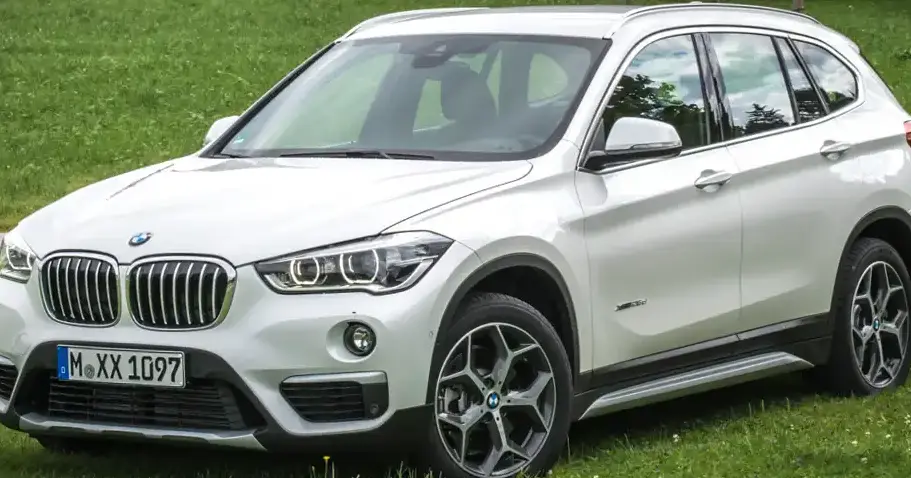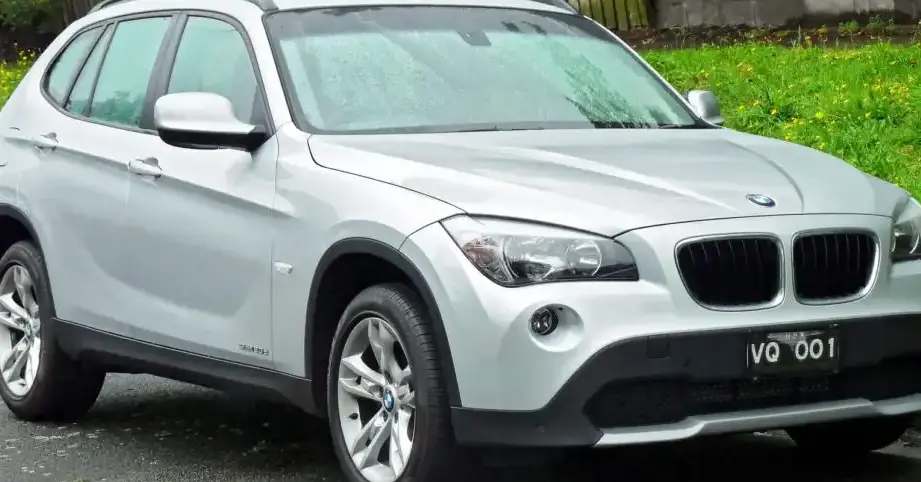
The BMW X1 E84 facelift, produced from 2012 to 2015, represented a mid-cycle refresh of BMW’s entry-level compact SUV. The 20i xDrive variant, powered by the N20B20A 2.0-liter turbocharged four-cylinder engine producing 184 horsepower, occupied a key position in the X1 lineup. It served as a balance between affordability and performance, appealing to buyers seeking a premium SUV experience with reasonable running costs. This model was primarily aimed at the European market, where compact SUVs were gaining significant popularity, but was also available in other regions including North America.
Technical Specifications
| Brand | BMW |
| Model | X1 |
| Generation | X1 (E84 Facelift 2012) |
| Type (Engine) | 20i (184 Hp) xDrive |
| Start of production | 2012 |
| End of production | 2015 |
| Powertrain Architecture | Internal Combustion engine |
| Body type | SUV |
| Seats | 5 |
| Doors | 5 |
| Fuel consumption (urban) | 9.5-9.7 l/100 km (24.8 – 24.2 US mpg) |
| Fuel consumption (extra urban) | 6.3-6.5 l/100 km (37.3 – 36.2 US mpg) |
| Fuel consumption (combined) | 7.5-7.7 l/100 km (31.4 – 30.5 US mpg) |
| CO2 emissions | 176-179 g/km |
| Fuel Type | Petrol (Gasoline) |
| Acceleration 0 – 100 km/h | 7.8 sec |
| Acceleration 0 – 62 mph | 7.8 sec |
| Acceleration 0 – 60 mph | 7.4 sec |
| Maximum speed | 215 km/h (133.59 mph) |
| Emission standard | Euro 6 |
| Weight-to-power ratio | 9 kg/Hp |
| Weight-to-torque ratio | 6.1 kg/Nm |
| Power | 184 Hp @ 5000-6250 rpm |
| Torque | 270 Nm @ 1250-4500 rpm (199.14 lb.-ft. @ 1250-4500 rpm) |
| Engine layout | Front, Longitudinal |
| Engine Model/Code | N20B20A |
| Engine displacement | 1997 cm3 (121.86 cu. in.) |
| Number of cylinders | 4 |
| Engine configuration | Inline |
| Cylinder Bore | 84 mm (3.31 in.) |
| Piston Stroke | 90.1 mm (3.55 in.) |
| Compression ratio | 10:1 |
| Number of valves per cylinder | 4 |
| Fuel injection system | Direct injection |
| Engine aspiration | Twin-power turbo, Intercooler |
| Engine oil capacity | 5 l (5.28 US qt | 4.4 UK qt) |
| Coolant | 8.2 l (8.66 US qt | 7.21 UK qt) |
| Kerb Weight | 1650 kg (3637.63 lbs.) |
| Max. weight | 2125 kg (4684.82 lbs.) |
| Max load | 475 kg (1047.2 lbs.) |
| Trunk (boot) space – minimum | 420 l (14.83 cu. ft.) |
| Trunk (boot) space – maximum | 1350 l (47.67 cu. ft.) |
| Fuel tank capacity | 63 l (16.64 US gal | 13.86 UK gal) |
| Length | 4477 mm (176.26 in.) |
| Width | 1798 mm (70.79 in.) |
| Height | 1545 mm (60.83 in.) |
| Wheelbase | 2760 mm (108.66 in.) |
| Front track | 1500 mm (59.06 in.) |
| Rear (Back) track | 1529 mm (60.2 in.) |
| Minimum turning circle | 11.8 m (38.71 ft.) |
| Drive wheel | All wheel drive (4×4) |
| Number of gears | 6 |
| Gearbox type | Manual transmission |
| Front suspension | Independent coil spring |
| Rear suspension | Independent multi-link suspension |
| Front brakes | Ventilated discs |
| Rear brakes | Ventilated discs |
| Assisting systems | ABS (Anti-lock braking system) |
| Steering type | Steering rack and pinion |
| Tires size | 225/50 R17 94H; 225/45 R18; 255/40 R18; 225/40 R19; 255/35 R19 |
| Wheel rims size | 7.5J x 17; 8J x 18; 9J x 18; 8J x 19; 9J x 19 |
INTRODUCTION
The BMW X1 E84 facelift, launched in 2012, was a significant update to BMW’s first foray into the compact SUV segment. Built on the UKL1 platform (shared with the MINI Countryman), the facelift brought revised styling, improved interior materials, and updated engine options. The 20i xDrive, featuring the N20B20A engine, was a popular choice for buyers prioritizing a blend of performance, efficiency, and all-weather capability. It slotted into the lineup above the base 18i models and below the more powerful 25i and diesel variants.
Powertrain & Engine Architecture
The heart of the X1 20i xDrive is the N20B20A 2.0-liter inline-four cylinder engine. This engine is a cornerstone of BMW’s modern powertrain strategy, utilizing direct fuel injection, a twin-scroll turbocharger, and variable valve timing (VANOS) and valve lift (Valvetronic) technologies. These features work in concert to deliver a broad torque curve and responsive performance. The N20 engine is known for its relatively high specific output – approximately 92 horsepower per liter – achieved through careful engineering and advanced materials. The engine’s turbocharger is integrated into the exhaust manifold, reducing turbo lag and improving low-end responsiveness. The 20i xDrive was exclusively offered with a six-speed manual transmission, providing drivers with direct control over gear selection. The xDrive all-wheel-drive system is a sophisticated on-demand system, intelligently distributing torque between the front and rear axles based on driving conditions to maximize traction and stability.
Driving Characteristics
The X1 20i xDrive offers a surprisingly engaging driving experience for a compact SUV. While not as overtly sporty as some of BMW’s other models, the 184 horsepower and 270 Nm (199 lb-ft) of torque provide ample power for everyday driving and highway overtaking. The six-speed manual transmission allows for precise gear changes, and the xDrive system inspires confidence in inclement weather. Acceleration from 0 to 60 mph takes approximately 7.4 seconds. Compared to the more powerful 25i variant, the 20i feels less urgent in its acceleration, but the difference is not dramatic. The 20i’s lighter weight and more balanced chassis contribute to a more nimble feel in corners. The gear ratios are well-chosen, providing good acceleration in lower gears and comfortable cruising at highway speeds.
Equipment & Trim Levels
The X1 20i xDrive came reasonably well-equipped as standard. Typical features included automatic climate control, a multi-function steering wheel, power windows and mirrors, and a basic audio system. Upholstery was typically cloth, although leather options were available. Higher trim levels offered features such as a panoramic sunroof, navigation system, upgraded audio, and parking sensors. Optional extras included sport seats, heated front seats, and a variety of cosmetic enhancements. The interior design was functional and modern, with a focus on ergonomics and driver comfort. The rear seats offered adequate space for passengers, and the 420-liter trunk (expanding to 1350 liters with the rear seats folded) provided ample cargo capacity.
Chassis & Braking
The X1 E84 utilizes a MacPherson strut front suspension and a multi-link rear suspension, providing a good balance of ride comfort and handling precision. The suspension is tuned to be relatively firm, reflecting BMW’s emphasis on driving dynamics. The X1 20i xDrive is equipped with ventilated disc brakes on all four wheels, providing strong and consistent stopping power. Anti-lock braking system (ABS) and electronic stability control (ESC) are standard safety features. The steering is precise and well-weighted, offering good feedback to the driver. The X1’s relatively compact size and well-engineered chassis contribute to its agile handling characteristics.
Market Reception & Comparison
The BMW X1 E84 facelift, including the 20i xDrive variant, was generally well-received by automotive critics. It was praised for its stylish design, engaging driving dynamics, and practical interior. The N20 engine was lauded for its performance and efficiency. Compared to other compact SUVs in its class, the X1 offered a more premium driving experience and a higher level of refinement. However, some critics noted that the rear seat space was somewhat limited compared to some competitors. Fuel economy was competitive, with combined figures ranging from 7.5 to 7.7 liters per 100 kilometers (30.5 to 31.4 US mpg). The 20i xDrive offered a compelling alternative to the diesel-powered X1 variants, particularly for buyers who preferred the responsiveness of a gasoline engine.
Legacy
The N20B20A engine, while generally reliable, has been known to exhibit some issues, including oil leaks, timing chain wear, and cooling system problems. Regular maintenance and timely repairs are crucial to ensure the longevity of this engine. The X1 E84 facelift remains a popular choice in the used car market, offering a good value proposition for buyers seeking a premium compact SUV. Its combination of performance, efficiency, and all-wheel-drive capability continues to appeal to a wide range of drivers. The X1 E84 paved the way for the second-generation X1 (F48), which adopted a front-wheel-drive platform and a more spacious interior.