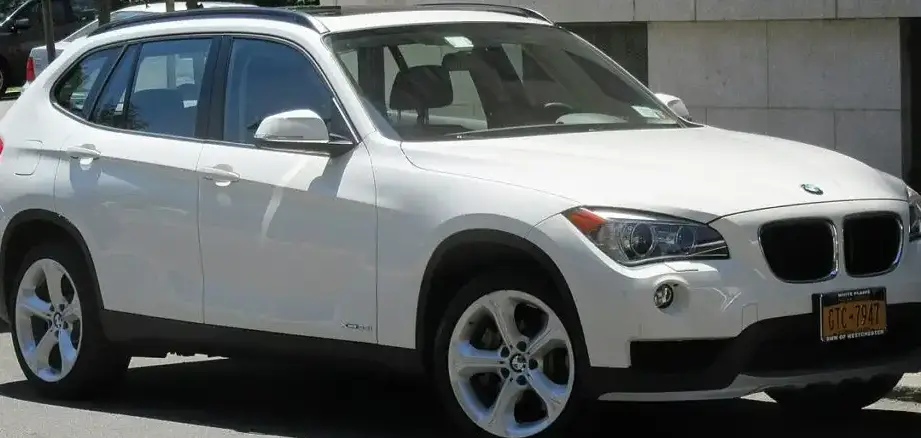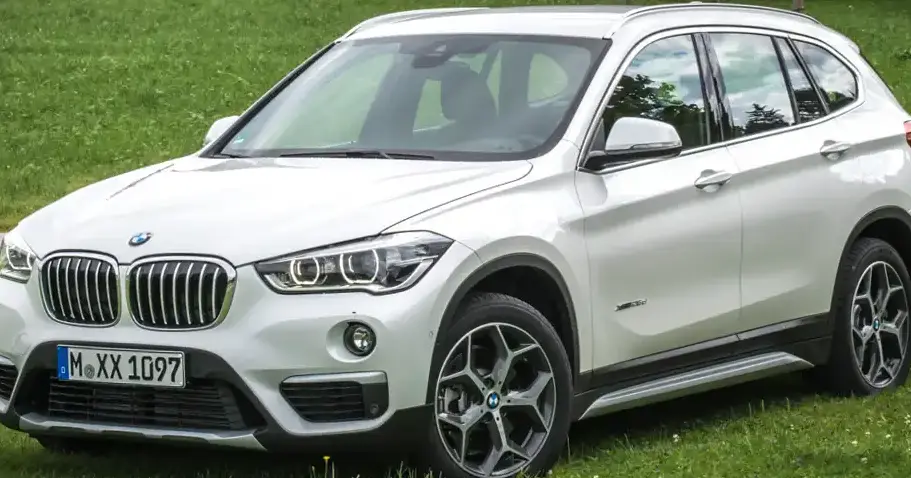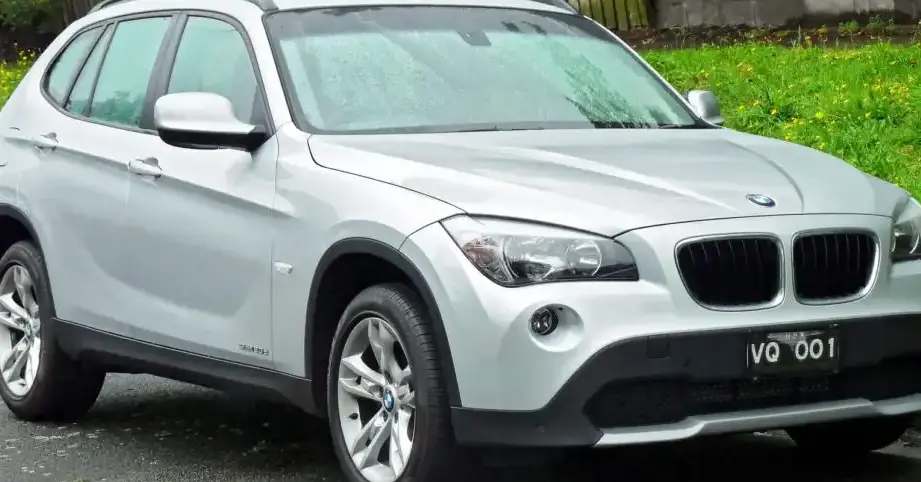
The BMW X1 (F48, facelift 2019) 25e xDrive Steptronic represents BMW’s entry into the plug-in hybrid (PHEV) compact SUV segment. Introduced in September 2019 and produced through 2022, this variant combined a 1.5-liter three-cylinder gasoline engine with an electric motor, offering a balance of efficiency and performance within the broader F48 X1 lifecycle. The 25e positioned itself as a premium, eco-conscious option within the X1 range, appealing to buyers seeking reduced emissions and the flexibility of electric driving alongside traditional combustion power. It was a key component of BMW’s expanding electrification strategy, designed to meet increasingly stringent emissions regulations in Europe and other markets.
Technical Specifications
| Brand | BMW |
| Model | X1 |
| Generation | X1 (F48, facelift 2019) |
| Type | 25e (220 Hp) Plug-in Hybrid xDrive Steptronic |
| Start of production | September, 2019 |
| End of production | 2022 |
| Powertrain Architecture | PHEV (Plug-in Hybrid Electric Vehicle) |
| Body type | SUV |
| Seats | 5 |
| Doors | 5 |
| Fuel consumption (combined NEDC) | 2 l/100 km (117.6 US mpg, 141.2 UK mpg, 50 km/l) |
| CO2 emissions (NEDC) | 43 g/km |
| Fuel Type | Petrol / electricity |
| Acceleration 0 – 100 km/h | 6.9 sec |
| Acceleration 0 – 62 mph | 6.9 sec |
| Acceleration 0 – 60 mph | 6.6 sec |
| Maximum speed | 193 km/h (119.92 mph) |
| Emission standard | Euro 6d |
| Weight-to-power ratio | 7.9 kg/Hp, 126.1 Hp/tonne |
| Weight-to-torque ratio | 4.5 kg/Nm, 220.6 Nm/tonne |
| Gross battery capacity | 10 kWh |
| All-electric range (NEDC) | 57 km (35.42 mi) |
| Average Energy consumption (NEDC) | 13.5 kWh/100 km (21.73 kWh/100 mi, 155 MPGe, 7.4 km/kWh, 4.6 mi/kWh) |
| Electric motor power | 95 Hp |
| Electric motor Torque | 165 Nm (121.7 lb.-ft.) |
| Electric motor location | Rear, Transverse |
| System power | 220 Hp |
| System torque | 385 Nm (283.96 lb.-ft.) |
| Internal combustion engine Power | 125 Hp |
| Power per litre | 83.4 Hp/l |
| Internal combustion engine Torque | 220 Nm (162.26 lb.-ft.) |
| Engine layout | Front, Transverse |
| Engine Model/Code | B38A15A |
| Engine displacement | 1499 cm3 (91.47 cu. in.) |
| Number of cylinders | 3 |
| Engine configuration | Inline |
| Cylinder Bore | 82 mm (3.23 in.) |
| Piston Stroke | 94.6 mm (3.72 in.) |
| Compression ratio | 11:1 |
| Number of valves per cylinder | 4 |
| Fuel injection system | Direct injection |
| Engine aspiration | Twin-power turbo, Intercooler |
| Valvetrain | VALVETRONIC |
| Engine oil capacity | 4.25 l (4.49 US qt | 3.74 UK qt) |
| Coolant | 7.6 l (8.03 US qt | 6.69 UK qt) |
| Kerb Weight | 1745 kg (3847.07 lbs.) |
| Max. weight | 2330 kg (5136.77 lbs.) |
| Max load | 585 kg (1289.7 lbs.) |
| Trunk (boot) space – minimum | 450 l (15.89 cu. ft.) |
| Trunk (boot) space – maximum | 1470 l (51.91 cu. ft.) |
| Fuel tank capacity | 36 l (9.51 US gal | 7.92 UK gal) |
| Max. roof load | 75 kg (165.35 lbs.) |
| Permitted trailer load with brakes (12%) | 750 kg (1653.47 lbs.) |
| Permitted trailer load without brakes | 750 kg (1653.47 lbs.) |
| Permitted towbar download | 80 kg (176.37 lbs.) |
| Length | 4447 mm (175.08 in.) |
| Width | 1821 mm (71.69 in.) |
| Height | 1598 mm (62.91 in.) |
| Wheelbase | 2670 mm (105.12 in.) |
| Front track | 1561 mm (61.46 in.) |
| Rear (Back) track | 1562 mm (61.5 in.) |
| Ride height (ground clearance) | 147 mm (5.79 in.) |
| Drag coefficient (Cd) | 0.29 |
| Minimum turning circle (turning diameter) | 11.4 m (37.4 ft.) |
| Drivetrain Architecture | The Internal combustion engine (ICE) permanently drives the front wheels of the vehicle, the electric motor drives the rear wheels of the vehicle, capable of running in full electric mode, only by the Internal combustion engine (ICE) or in mixed mode. |
| Drive wheel | All wheel drive (4×4) |
| Number of gears and type of gearbox | 6 gears, automatic transmission Steptronic |
| Front suspension | Independent type McPherson |
| Rear suspension | Independent multi-link suspension |
| Front brakes | Ventilated discs |
| Rear brakes | Ventilated discs |
| Assisting systems | ABS (Anti-lock braking system) |
| Steering type | Steering rack and pinion |
| Power steering | Electric Steering |
| Tires size | 225/55 R17 97W |
| Wheel rims size | 7.5J x 17 |
Powertrain & Engine Architecture
The BMW X1 25e’s powertrain centers around the B38A15A 1.5-liter turbocharged three-cylinder gasoline engine. This engine, part of BMW’s modular engine family, utilizes direct fuel injection and VALVETRONIC variable valve timing for optimized efficiency and power delivery. The engine produces 125 horsepower and 220 Nm (162.26 lb.-ft.) of torque. Coupled with this is a 95 horsepower electric motor integrated into the rear axle. This configuration creates an all-wheel-drive system, with the gasoline engine powering the front wheels and the electric motor driving the rear. The combined system output is 220 horsepower and 385 Nm (283.96 lb.-ft.) of torque. The 10 kWh battery pack, positioned under the rear seats, provides an all-electric range of up to 57 km (35.42 miles) based on the NEDC standard. The Steptronic 6-speed automatic transmission manages power delivery, optimized for both fuel efficiency and smooth shifting. The transmission is specifically tuned to work seamlessly with both the combustion engine and the electric motor.
Driving Characteristics
The X1 25e offers a distinct driving experience compared to its gasoline-only counterparts. In electric mode, the vehicle provides near-silent acceleration and instant torque, making it ideal for urban driving. Switching to hybrid mode allows the engine and motor to work in tandem, delivering brisk acceleration – 0 to 60 mph in approximately 6.6 seconds. The rear-wheel-drive electric motor contributes to a balanced feel, particularly during cornering. While the 6-speed automatic transmission is generally smooth, it may exhibit occasional hesitation compared to the more modern 8-speed units found in other X1 models. The added weight of the battery pack (approximately 1745 kg / 3847.07 lbs) is noticeable, slightly impacting handling agility compared to lighter X1 variants. However, the regenerative braking system helps recoup energy and provides a more natural braking feel.
Equipment & Trim Levels
The 25e trim generally included a high level of standard equipment, reflecting its premium positioning. Standard features typically included BMW’s iDrive infotainment system with a touchscreen display, navigation, automatic climate control, and a suite of driver-assistance systems such as lane departure warning and collision warning. Interior upholstery was typically a combination of cloth and leatherette, with options for full leather available. Optional extras included a panoramic sunroof, upgraded audio system, and adaptive cruise control. The exterior styling was largely consistent with other F48 X1 models, with subtle “25e” badging to denote its plug-in hybrid status.
Chassis & Braking
The X1 25e utilizes a McPherson strut front suspension and a multi-link rear suspension, providing a comfortable and controlled ride. The suspension tuning is slightly softer than that of the sportier X1 variants to accommodate the added weight of the battery pack. Braking duties are handled by ventilated disc brakes on all four wheels, providing ample stopping power. The ABS (Anti-lock Braking System) and electronic stability control systems are standard, enhancing safety and stability. The vehicle’s electric regenerative braking system also contributes to deceleration, reducing wear on the conventional brakes.
Market Reception & Comparison
The X1 25e was generally well-received by automotive critics, who praised its fuel efficiency, electric range, and refined driving experience. However, some reviewers noted the limited rear cargo space due to the battery pack and the slightly higher price compared to gasoline-only X1 models. Compared to the X1 xDrive28i (with its 2.0-liter four-cylinder engine), the 25e offered lower running costs but slightly less overall performance. Against the X1 18d (diesel), the 25e provided a zero-emission driving option for shorter journeys, but the diesel offered superior fuel economy on longer trips. The 25e appealed to environmentally conscious buyers who prioritized efficiency and electric driving capability.
Legacy
The BMW X1 25e represented an important step in BMW’s electrification journey. While superseded by newer plug-in hybrid and fully electric X1 models, the F48 25e remains a viable option in the used car market. The powertrain has proven to be relatively reliable, with few widespread issues reported. The longevity of the battery pack is a key consideration for potential buyers, but with proper care and maintenance, the battery should provide many years of service. The X1 25e’s combination of practicality, efficiency, and BMW’s renowned driving dynamics continues to make it an attractive choice for buyers seeking a compact plug-in hybrid SUV.