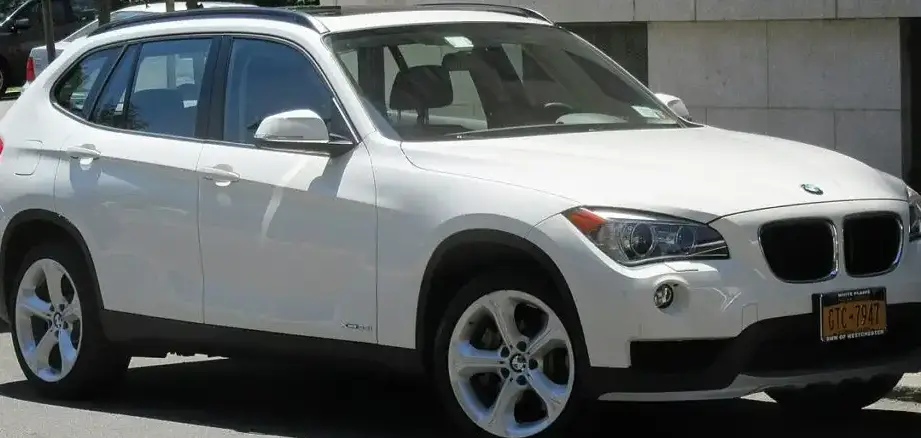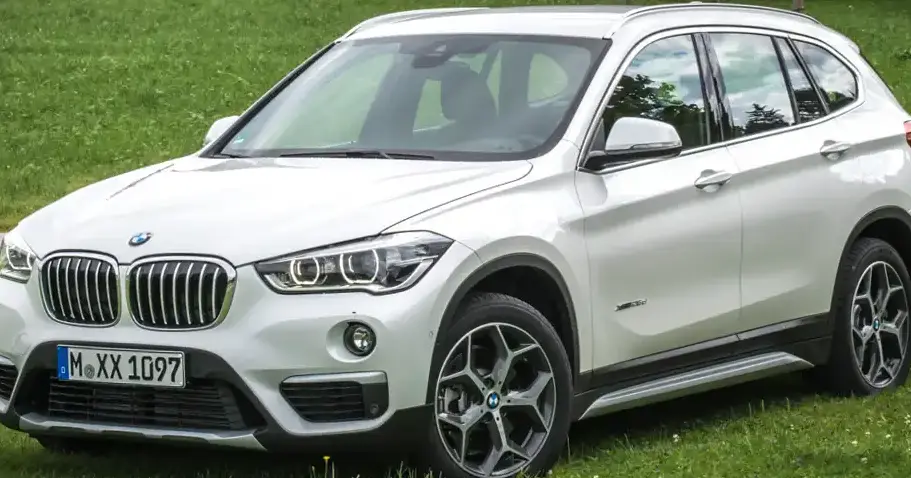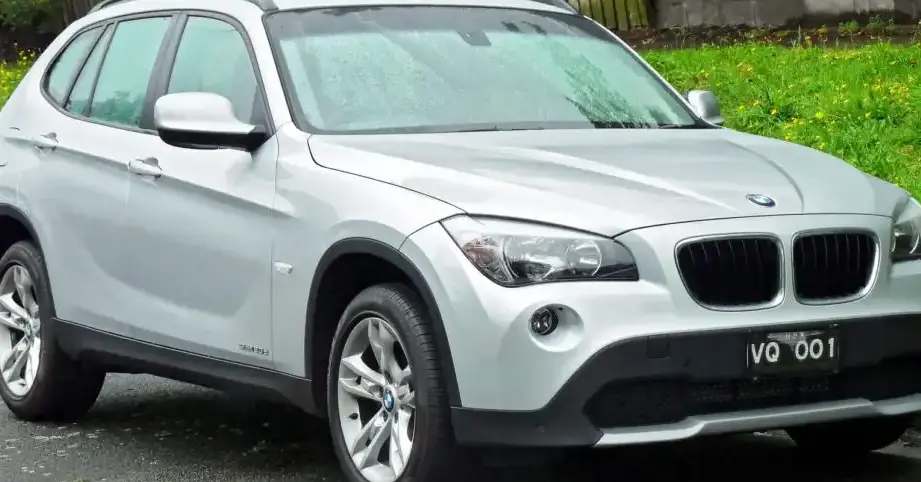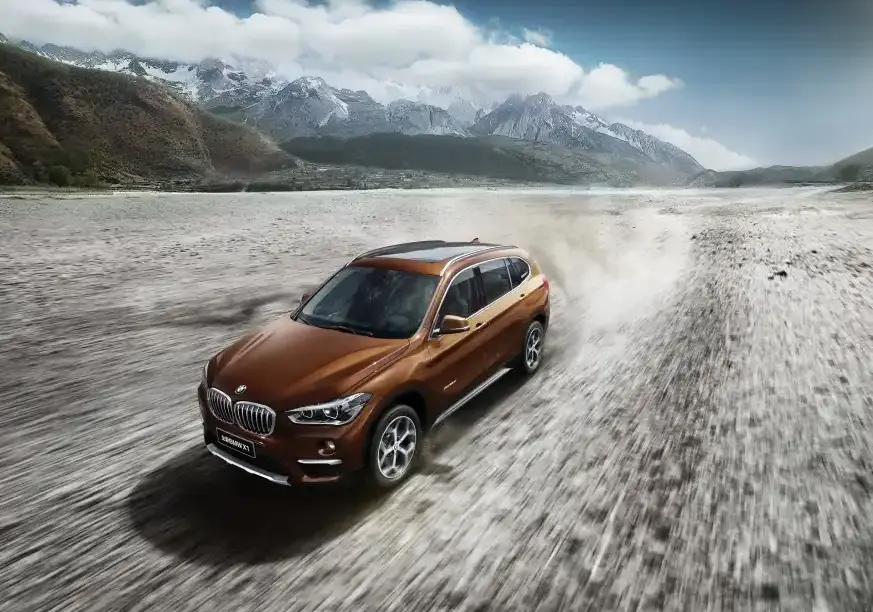
The BMW X1 (F49 Long) 25Le xDrive Steptronic, produced from August 2016 to July 2019, represents BMW’s entry into the compact plug-in hybrid SUV market, specifically tailored for the Chinese market where the long-wheelbase version of the F49 X1 was particularly popular. This variant combined a 1.5-liter three-cylinder turbocharged gasoline engine with an electric motor, delivering a combined system output of 231 horsepower. Positioned as a mid-range offering within the X1 lineup, the 25Le aimed to provide a balance of fuel efficiency, performance, and practicality for urban commuters and environmentally conscious buyers. It was built on the UKL2 platform, shared with other BMW and MINI models.
Technical Specifications
| Brand | BMW |
| Model | X1 |
| Generation | X1 (F49 Long) |
| Type | 25Le (231 Hp) Plug-in Hybrid xDrive Steptronic |
| Start of production | August, 2016 |
| End of production | July, 2019 |
| Powertrain Architecture | PHEV (Plug-in Hybrid Electric Vehicle) |
| Body type | SUV |
| Seats | 5 |
| Doors | 5 |
| Fuel consumption (combined) | 1.8 l/100 km (130.7 US mpg, 156.9 UK mpg, 55.6 km/l) |
| Fuel Type | Petrol / electricity |
| Acceleration 0 – 100 km/h | 7.4 sec |
| Acceleration 0 – 62 mph | 7.4 sec |
| Acceleration 0 – 60 mph | 7 sec |
| Maximum speed | 195 km/h (121.17 mph) |
| All-electric range | 60 km (37.28 mi) |
| Electric motor power | 95 Hp @ 4000 rpm (71 kW) |
| Electric motor Torque | 165 Nm @ 0-3000 rpm (121.7 lb.-ft. @ 0-3000 rpm) |
| Electric motor location | Rear axle, Transverse |
| System power | 231 Hp (170 kW) |
| Internal combustion engine power | 136 Hp @ 4400 rpm (100 kW) |
| Power per litre | 90.7 Hp/l |
| Torque | 220 Nm @ 1250-4300 rpm (162.26 lb.-ft. @ 1250-4300 rpm) |
| Engine layout | Front, Transverse |
| Engine Model/Code | B38A15M0 |
| Engine displacement | 1499 cm3 (91.47 cu. in.) |
| Number of cylinders | 3 |
| Engine configuration | Inline |
| Number of valves per cylinder | 4 |
| Fuel injection system | Direct injection |
| Engine aspiration | Turbocharger, Intercooler |
| Valvetrain | DOHC |
| Engine oil capacity | 4.25 l (4.49 US qt | 3.74 UK qt) |
| Trunk (boot) space – minimum | 445 l (15.72 cu. ft.) |
| Trunk (boot) space – maximum | 1550 l (54.74 cu. ft.) |
| Fuel tank capacity | 35 l (9.25 US gal | 7.7 UK gal) |
| Length | 4565 mm (179.72 in.) |
| Width | 1821 mm (71.69 in.) |
| Height | 1613 mm (63.5 in.) |
| Wheelbase | 2780 mm (109.45 in.) |
| Drive wheel | All wheel drive (4×4) |
| Number of gears and type of gearbox | 6 gears, automatic transmission Steptronic |
| Front suspension | Independent coil spring |
| Rear suspension | Independent multi-link suspension |
| Front brakes | Ventilated discs |
| Rear brakes | Ventilated discs |
| Assisting systems | ABS (Anti-lock braking system) |
| Steering type | Steering rack and pinion |
| Wheel rims size | 17; 18 |
Powertrain & Engine Architecture
The BMW X1 25Le’s powertrain centers around the B38A15M0, a 1.5-liter inline three-cylinder gasoline engine. This engine utilizes direct fuel injection and a single twin-scroll turbocharger with an intercooler to maximize efficiency and power output. The B38 engine is known for its relatively smooth operation despite its three-cylinder configuration, thanks to features like a counter-rotating crankshaft. The electric motor, positioned on the rear axle, provides all-wheel drive capability and assists the gasoline engine during acceleration. The Steptronic 6-speed automatic transmission is specifically tuned to work seamlessly with both power sources, optimizing for both fuel economy and performance. The electric motor draws power from a lithium-ion battery pack, providing an all-electric range of approximately 60 kilometers (37 miles).
Driving Characteristics
The 25Le offers a distinct driving experience compared to its gasoline-only counterparts. In electric mode, the vehicle provides near-silent operation and instant torque, making it ideal for city driving. When the gasoline engine engages, the transition is generally smooth, and the combined output of 231 horsepower delivers respectable acceleration – 0 to 60 mph in around 7 seconds. The automatic transmission is programmed for efficiency, often prioritizing higher gears to conserve fuel. Compared to the X1 20i (with a more powerful four-cylinder engine), the 25Le feels less eager to accelerate at higher speeds, but the added torque from the electric motor compensates for this in lower gears. The all-wheel-drive system provides enhanced traction and stability, particularly in adverse weather conditions.
Equipment & Trim Levels
The X1 25Le typically came well-equipped, reflecting its position as a mid-range model. Standard features included automatic climate control, a BMW iDrive infotainment system with a central display screen, power-adjustable front seats, and a suite of safety features like ABS, stability control, and multiple airbags. Interior upholstery was typically a combination of cloth and leatherette, with options for full leather upgrades. Available optional extras included a panoramic sunroof, a premium sound system, and advanced driver-assistance systems like lane departure warning and adaptive cruise control. The long-wheelbase configuration provided increased rear legroom, enhancing passenger comfort.
Chassis & Braking
The X1 25Le utilizes an independent suspension setup, with coil springs at the front and a multi-link suspension at the rear. This configuration provides a comfortable ride quality and good handling characteristics. The vehicle is equipped with ventilated disc brakes on all four wheels, providing ample stopping power. The electric motor also contributes to regenerative braking, which helps to recharge the battery and reduce wear on the conventional brakes. The steering system is a rack-and-pinion setup, offering precise and responsive steering feel.
Market Reception & Comparison
The X1 25Le was generally well-received in the Chinese market, where plug-in hybrids were gaining popularity due to government incentives and growing environmental awareness. Critics praised its fuel efficiency, comfortable ride, and spacious interior. However, some reviewers noted that its performance was not as sporty as some of its gasoline-powered rivals. Compared to the X1 20i, the 25Le offered significantly better fuel economy but slightly slower acceleration. Against other plug-in hybrid SUVs in its class, the X1 25Le offered a competitive combination of features, performance, and price.
Legacy
The BMW X1 25Le represented an important step in BMW’s electrification strategy, demonstrating the company’s commitment to developing plug-in hybrid technology. While the F49 generation has been superseded by the U11 model, the 25Le remains a relatively common sight on Chinese roads. The B38 engine, while not without its complexities, has proven to be generally reliable, and the hybrid powertrain has demonstrated good long-term durability. In the used car market, the X1 25Le continues to appeal to buyers seeking a fuel-efficient and environmentally friendly SUV with the BMW badge.