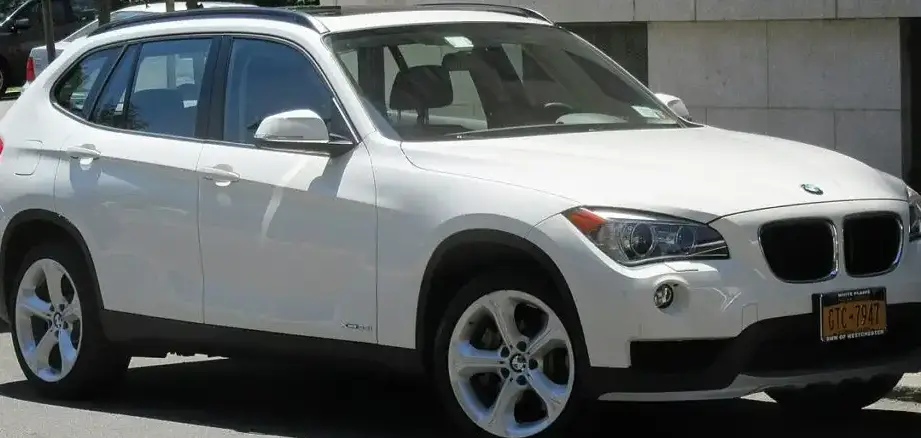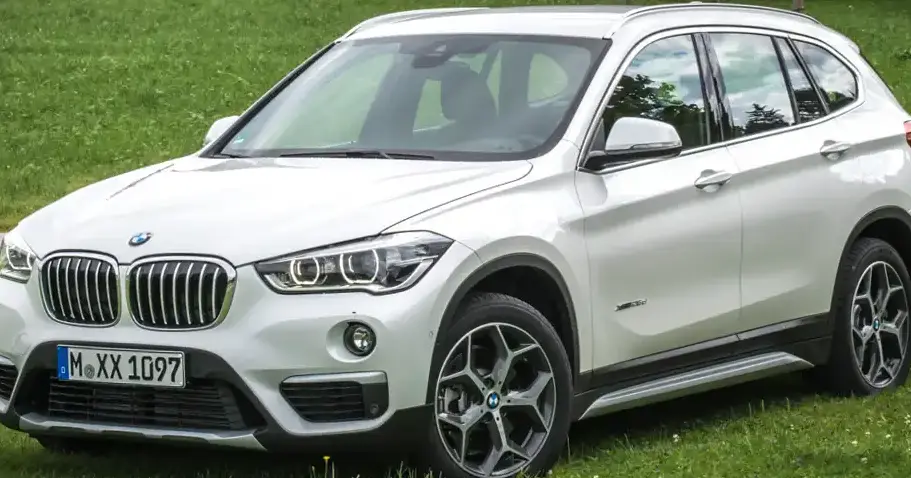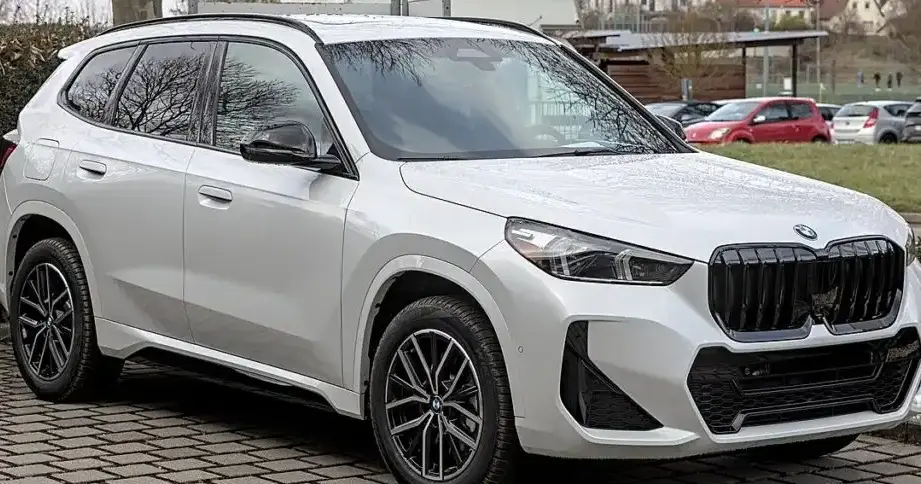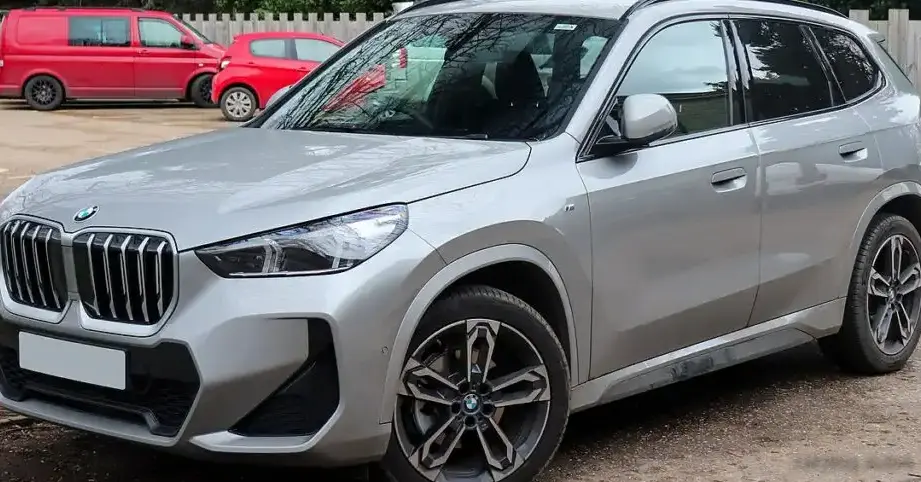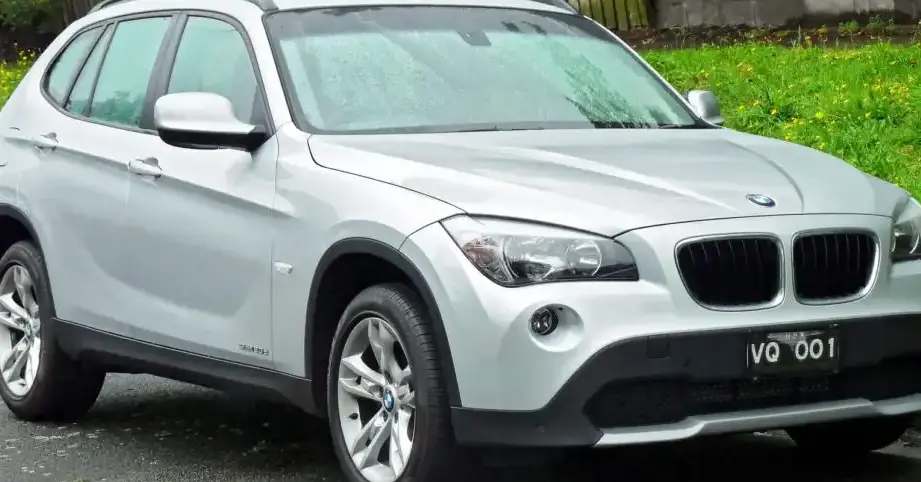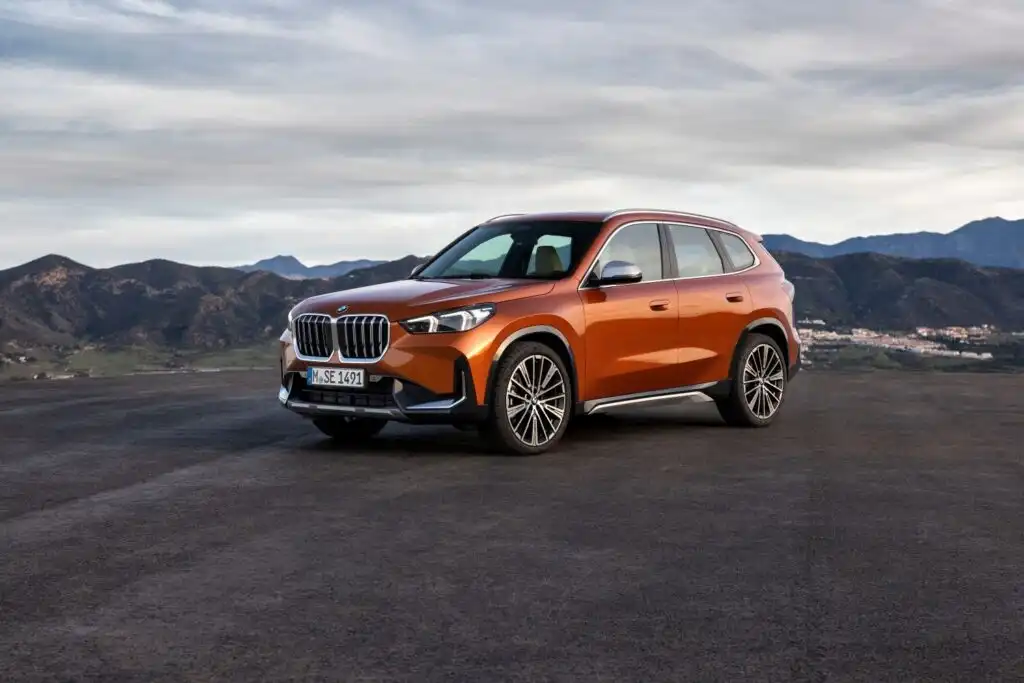
The BMW X1 (U11) 25e xDrive Steptronic, introduced in 2022, represents BMW’s entry into the compact luxury plug-in hybrid (PHEV) crossover segment. Positioned as a mid-range offering within the U11 X1 generation, it combines a 1.5-liter three-cylinder gasoline engine with an electric motor, delivering a combined system output of 245 horsepower. This model is primarily targeted towards European and increasingly North American markets, appealing to buyers seeking a blend of efficiency, practicality, and premium features. The U11 X1 builds upon the success of the previous F48 generation, offering a more modern design, updated technology, and improved driving dynamics.
Technical Specifications
| Brand | BMW |
| Model | X1 |
| Generation | X1 (U11) |
| Type | 25e (245 Hp) Plug-in Hybrid xDrive Steptronic |
| Start of production | 2022 |
| Powertrain Architecture | PHEV (Plug-in Hybrid Electric Vehicle) |
| Body type | SAV (Sports Activity Vehicle) |
| Seats | 5 |
| Doors | 5 |
| Combined fuel consumption (WLTP) | 0.7-1.1 l/100 km (336 – 213.8 US mpg, 403.5 – 256.8 UK mpg, 142.9 – 90.9 km/l) |
| CO2 emissions (WLTP) | 16-24 g/km |
| Fuel Type | Petrol / electricity |
| Acceleration 0 – 100 km/h | 6.8 sec |
| Acceleration 0 – 62 mph | 6.8 sec |
| Acceleration 0 – 60 mph | 6.5 sec |
| Maximum speed | 190 km/h (118.06 mph) |
| Emission standard | Euro 6d |
| Weight-to-power ratio | 7.6 kg/Hp, 132.1 Hp/tonne |
| Weight-to-torque ratio | 3.9 kg/Nm, 257.1 Nm/tonne |
| Gross battery capacity | 16.3 kWh |
| Net (usable) battery capacity | 14.2 kWh |
| Battery technology | Lithium-ion (Li-Ion) |
| Battery location | Below the floor |
| All-electric range (WLTP) | 71-86 km (44.12 – 53.44 mi) |
| Average Energy consumption (WLTP) | 16.8-19.3 kWh/100 km (27.04 – 31.06 kWh/100 mi, 125 – 108 MPGe, 6 – 5.2 km/kWh, 3.7 – 3.2 mi/kWh) |
| Max speed (electric) | 140 km/h (86.99 mph) |
| Electric motor power | 109 Hp |
| Electric motor Torque | 247 Nm (182.18 lb.-ft.) |
| Electric motor location | Rear axle, Transverse |
| Electric motor type | Synchronous |
| System power | 245 Hp |
| System torque | 477 Nm (351.82 lb.-ft.) |
| Power | 136 Hp @ 4400-6500 rpm |
| Torque | 230 Nm @ 1500-4400 rpm (169.64 lb.-ft. @ 1500-4400 rpm) |
| Engine layout | Front, Transverse |
| Engine Model/Code | B38A15P |
| Engine displacement | 1499 cm3 (91.47 cu. in.) |
| Number of cylinders | 3 |
| Engine configuration | Inline |
| Cylinder Bore | 82 mm (3.23 in.) |
| Piston Stroke | 94.6 mm (3.72 in.) |
| Number of valves per cylinder | 4 |
| Fuel injection system | Direct injection |
| Engine aspiration | Twin-power turbo, Intercooler |
| Valvetrain | DOHC |
| Engine oil capacity | 4.5 l (4.76 US qt | 3.96 UK qt) |
| Kerb Weight | 1855 kg (4089.57 lbs.) |
| Max. weight | 2430 kg (5357.23 lbs.) |
| Max load | 575 kg (1267.66 lbs.) |
| Trunk (boot) space – minimum | 490 l (17.3 cu. ft.) |
| Trunk (boot) space – maximum | 1495 l (52.8 cu. ft.) |
| Fuel tank capacity | 47 l (12.42 US gal | 10.34 UK gal) |
| Max. roof load | 75 kg (165.35 lbs.) |
| Permitted trailer load with brakes (8%) | 1700 kg (3747.86 lbs.) |
| Permitted trailer load with brakes (12%) | 1700 kg (3747.86 lbs.) |
| Permitted trailer load without brakes | 750 kg (1653.47 lbs.) |
| Permitted towbar download | 80 kg (176.37 lbs.) |
| Length | 4500 mm (177.17 in.) |
| Width | 1845 mm (72.64 in.) |
| Width including mirrors | 2104 mm (82.83 in.) |
| Height | 1630 mm (64.17 in.) |
| Wheelbase | 2692 mm (105.98 in.) |
| Front track | 1592 mm (62.68 in.) |
| Rear (Back) track | 1593 mm (62.72 in.) |
| Front overhang | 875 mm (34.45 in.) |
| Rear overhang | 933 mm (36.73 in.) |
| Minimum turning circle (turning diameter) | 11.7 m (38.39 ft.) |
| Drivetrain Architecture | The Internal combustion engine (ICE) permanently drives the front wheels of the vehicle, the electric motor drives the rear wheels of the vehicle, capable of running in full electric mode, only by the Internal combustion engine (ICE) or in mixed mode. |
| Drive wheel | All wheel drive (4×4) |
| Number of gears and type of gearbox | 7 gears, automatic transmission Steptronic |
| Front suspension | Independent, type McPherson with coil spring and anti-roll bar |
| Rear suspension | Independent multi-link spring suspension with stabilizer |
INTRODUCTION
The BMW X1 U11 25e is a compact Sports Activity Vehicle (SAV) launched in 2022, representing the third generation of the X1 model. Built on the FAAR (Front-wheel-drive Architecture) platform, also underpinning the latest MINI models and certain BMW 2 Series variants, the 25e is a plug-in hybrid offering a balance between fuel efficiency and performance. It slots into the X1 lineup as a more environmentally conscious option, positioned above the conventionally powered models (like the sDrive18i) and below the more performance-oriented trims. The U11 generation marked a significant departure in design from the previous F48, adopting a bolder, more angular aesthetic and a significantly updated interior.
Powertrain & Engine Architecture
At the heart of the X1 25e lies BMW’s B38A15P 1.5-liter turbocharged three-cylinder gasoline engine. This engine, part of BMW’s modular engine family, produces 136 horsepower and 230 Nm (169.64 lb.-ft.) of torque. It utilizes direct fuel injection and a single twin-scroll turbocharger to maximize efficiency and responsiveness. The engine is paired with an 83 kW (109 hp) electric motor integrated into the rear axle, powered by a 14.2 kWh usable capacity lithium-ion battery pack located under the vehicle floor. The combined system output is 245 horsepower and 477 Nm (351.82 lb.-ft.) of torque. The transmission is a 7-speed Steptronic automatic gearbox, optimized for smooth and efficient power delivery. The electric motor utilizes a synchronous design, known for its efficiency and power density. The powertrain allows for all-wheel drive capability, with the gasoline engine powering the front wheels and the electric motor driving the rear wheels.
Driving Characteristics
The X1 25e offers a refined driving experience, particularly in hybrid mode. The electric motor provides instant torque, resulting in brisk acceleration, especially from a standstill. The 0-60 mph sprint takes approximately 6.5 seconds. In electric-only mode, the vehicle can travel between 71-86 km (44-53 miles) on a full charge, making it suitable for daily commutes. The Steptronic transmission provides seamless gear changes, and the all-wheel-drive system offers excellent traction in various conditions. Compared to the standard X1 models, the 25e feels slightly heavier due to the battery pack, but the added torque from the electric motor compensates for this. The higher-output X1 models, such as the xDrive28i, offer more overall power and a sportier driving feel, while the base models prioritize fuel economy over performance.
Equipment & Trim Levels
The X1 25e typically comes well-equipped as standard. Features include BMW’s Live Cockpit Plus, a digital instrument cluster and infotainment system with a 10.25-inch touchscreen display, automatic climate control, and a suite of advanced driver-assistance systems (ADAS) such as lane departure warning and forward collision warning. Interior upholstery is typically a combination of cloth and synthetic leather, with optional upgrades to full leather available. Trim levels often include Sport, xLine, and M Sport packages, each adding unique styling elements and additional features. Optional extras include a panoramic sunroof, premium sound system, and adaptive suspension.
Chassis & Braking
The X1 25e utilizes an independent suspension setup, with McPherson struts at the front and a multi-link system at the rear. The suspension is tuned to provide a comfortable ride while maintaining good handling characteristics. Brakes are ventilated discs all around, providing ample stopping power. Due to the added weight of the battery pack, the 25e may have slightly stiffer spring rates compared to the standard X1 models. Anti-lock braking system (ABS) and electronic stability control (ESC) are standard features, enhancing safety and control.
Market Reception & Comparison
The X1 25e has been generally well-received by automotive critics, praised for its fuel efficiency, comfortable ride, and refined driving experience. However, some reviewers have noted that the 1.5-liter three-cylinder engine can feel strained under hard acceleration. Compared to other PHEV crossovers in its class, such as the Volvo XC40 Recharge and the Mercedes-Benz GLA 250e, the X1 25e offers a competitive balance of performance, efficiency, and price. Its real-world fuel economy is impressive, particularly for drivers who frequently utilize the electric-only mode. Reliability reports are still emerging, but BMW’s reputation for build quality and engineering suggests that the X1 25e should prove to be a dependable vehicle.
Legacy
The BMW X1 U11 25e represents a significant step forward in BMW’s electrification strategy. As a plug-in hybrid, it offers a practical and accessible entry point into the world of electric driving. The B38 engine, while relatively new, has proven to be a reliable unit in other BMW and MINI applications. The long-term durability of the battery pack remains to be seen, but BMW offers an eight-year/100,000-mile warranty on the battery. On the used car market, the X1 25e is expected to hold its value well, particularly as demand for fuel-efficient vehicles continues to grow. Its combination of luxury, practicality, and environmental consciousness positions it as a desirable option for buyers seeking a versatile and modern compact crossover.