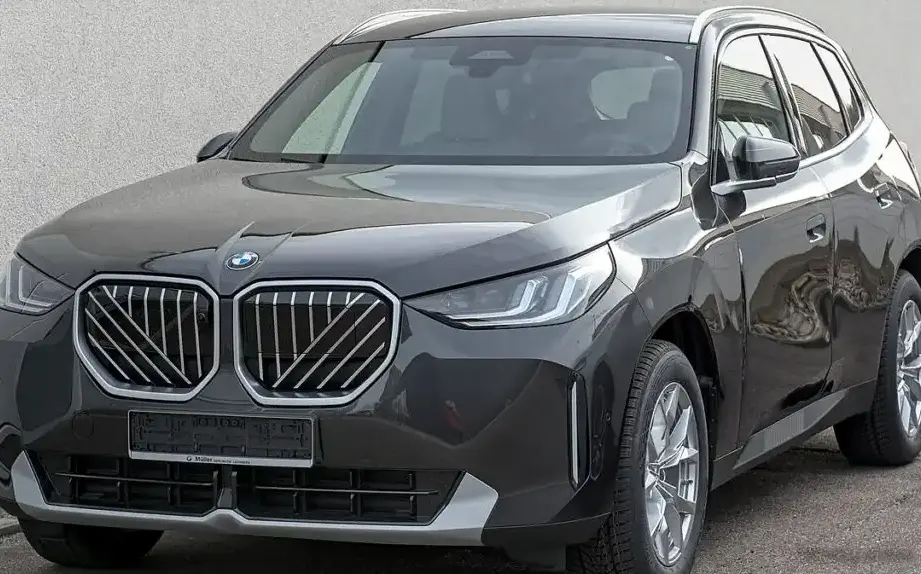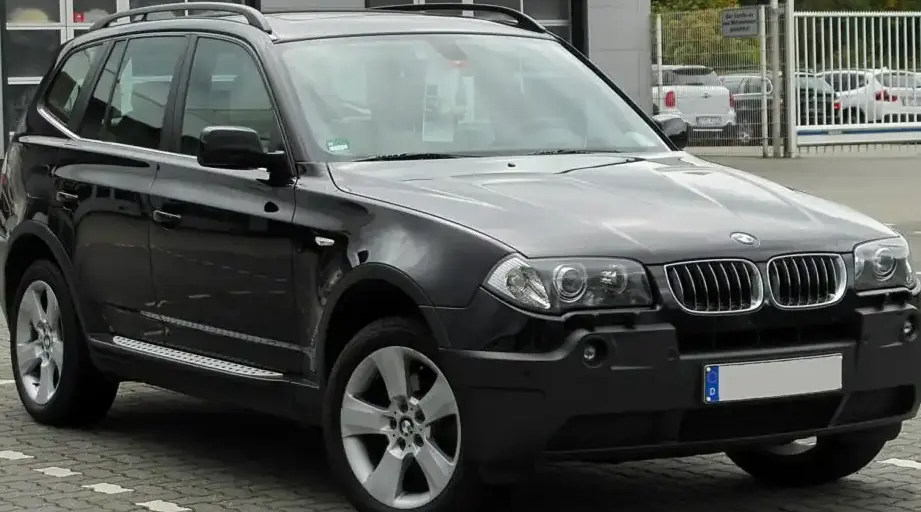
The BMW X3 (E83) 2.0i, produced from 2005 to 2006, represented the entry point into the first generation of BMW’s compact luxury SUV. Positioned within the E83 series, which spanned from 2003-2010, this variant offered a more accessible price point compared to the higher-powered 3.0i models. It aimed to attract buyers seeking the X3’s practicality and elevated driving experience without the premium associated with the larger engine options. The 2.0i was primarily sold in the European market, where smaller displacement engines were favored due to taxation and fuel economy considerations. While not officially sold in the United States during these years, the E83 X3 gained popularity as a used import.
Technical Specifications
| Brand | BMW |
| Model | X3 |
| Generation | X3 (E83) |
| Type (Engine) | 2.0i (150 Hp) |
| Start of production | 2005 |
| End of production | 2006 |
| Powertrain Architecture | Internal Combustion engine |
| Body type | SUV |
| Seats | 5 |
| Doors | 5 |
| Fuel consumption (urban) | 13.1 l/100 km (18 US mpg, 21.6 UK mpg, 7.6 km/l) |
| Fuel consumption (extra urban) | 7.1 l/100 km (33.1 US mpg, 39.8 UK mpg, 14.1 km/l) |
| Fuel consumption (combined) | 9.3 l/100 km (25.3 US mpg, 30.4 UK mpg, 10.8 km/l) |
| Fuel Type | Petrol (Gasoline) |
| Acceleration 0 – 100 km/h | 11.5 sec |
| Acceleration 0 – 62 mph | 11.5 sec |
| Acceleration 0 – 60 mph | 10.9 sec |
| Maximum speed | 198 km/h (123.03 mph) |
| Weight-to-power ratio | 11.1 kg/Hp, 90.4 Hp/tonne |
| Weight-to-torque ratio | 8.3 kg/Nm, 120.5 Nm/tonne |
| Power | 150 Hp @ 6200 rpm |
| Power per litre | 75.2 Hp/l |
| Torque | 200 Nm @ 3750 rpm (147.51 lb.-ft. @ 3750 rpm) |
| Engine layout | Front, Longitudinal |
| Engine Model/Code | N46B20 |
| Engine displacement | 1995 cm3 (121.74 cu. in.) |
| Number of cylinders | 4 |
| Engine configuration | Inline |
| Number of valves per cylinder | 4 |
| Fuel injection system | Multi-port manifold injection |
| Engine aspiration | Naturally aspirated engine |
| Engine oil capacity | 4.25 l (4.49 US qt, 3.74 UK qt) |
| Coolant capacity | 9 l (9.51 US qt, 7.92 UK qt) |
| Kerb Weight | 1660 kg (3659.67 lbs) |
| Max. weight | 2200 kg (4850.17 lbs) |
| Max load | 540 kg (1190.5 lbs) |
| Trunk (boot) space – minimum | 500 l (17.66 cu. ft.) |
| Trunk (boot) space – maximum | 1560 l (55.09 cu. ft.) |
| Fuel tank capacity | 67 l (17.7 US gal, 14.74 UK gal) |
| Length | 4569 mm (179.88 in.) |
| Width | 1853 mm (72.95 in.) |
| Height | 1674 mm (65.91 in.) |
| Wheelbase | 2795 mm (110.04 in.) |
| Front track | 1524 mm (60 in.) |
| Rear track | 1542 mm (60.71 in.) |
| Ride height (ground clearance) | 200 mm (7.87 in.) |
| Drive wheel | All wheel drive (4×4) |
| Number of gears and type of gearbox | 5 gears, manual transmission |
| Front suspension | Coil spring |
| Rear suspension | Coil spring |
| Front brakes | Ventilated discs |
| Rear brakes | Disc |
| Assisting systems | ABS (Anti-lock braking system) |
| Steering type | Steering rack and pinion |
| Power steering | Hydraulic Steering |
| Tires size | 235/55 R17 |
| Wheel rims size | 17 |
Powertrain & Engine Architecture
The heart of the X3 2.0i is the BMW N46B20 engine, a 1.995-liter inline-four cylinder naturally aspirated powerplant. This engine belongs to BMW’s highly regarded N46 series, known for its relatively smooth operation and decent fuel efficiency. It utilizes a double overhead camshaft (DOHC) valvetrain with four valves per cylinder, contributing to its respectable power output for its displacement. Fuel delivery is managed by a multi-port fuel injection system, a common setup for engines of this era. The N46B20 produces 150 horsepower at 6200 rpm and 200 Nm (147.51 lb-ft) of torque at 3750 rpm. The engine is longitudinally mounted, a characteristic of BMW’s rear-wheel-drive-based platforms, even in all-wheel-drive applications like the X3. The 2.0i was exclusively offered with a 5-speed manual transmission, providing drivers with direct control over gear selection. This transmission was chosen to complement the engine’s characteristics and provide a more engaging driving experience than an automatic option.
Driving Characteristics
The X3 2.0i, with its 150 hp and manual transmission, offered a balanced driving experience. Acceleration from 0-60 mph took approximately 10.9 seconds, making it adequately quick for everyday driving but not particularly sporty. The engine’s torque curve was relatively flat, providing usable power across a broad range of engine speeds. The 5-speed manual transmission was well-matched to the engine, with gear ratios optimized for both fuel economy and responsiveness. Compared to the 3.0i models, the 2.0i felt noticeably less powerful, especially during overtaking maneuvers or when carrying a full load. However, the lighter weight of the 2.0i (1660 kg) partially offset the power deficit, resulting in a more nimble feel in corners. The all-wheel-drive system provided excellent traction in various weather conditions, enhancing stability and confidence.
Equipment & Trim Levels
The X3 2.0i typically came with a reasonable level of standard equipment, reflecting its position as an entry-level luxury SUV. Standard features included air conditioning, power windows and locks, a basic audio system, and alloy wheels. Interior upholstery was typically cloth, although leather options were available as an upgrade. Safety features such as ABS brakes, traction control, and front airbags were standard. Optional extras included a sunroof, upgraded audio system, navigation system, and heated front seats. Trim levels were relatively simple, with most variations stemming from the addition of optional packages. The focus was on providing a functional and comfortable interior without the lavish appointments found in the higher-end models.
Chassis & Braking
The X3 E83 utilized a MacPherson strut front suspension and a multi-link rear suspension, providing a comfortable ride and good handling characteristics. The suspension was tuned to balance ride comfort with body control, making it suitable for both on-road and light off-road use. The 2.0i models were equipped with ventilated disc brakes at the front and solid disc brakes at the rear. The braking system was effective, providing adequate stopping power for the vehicle’s weight and performance. The steering was a hydraulic rack-and-pinion system, offering precise and responsive steering feel. The all-wheel-drive system employed BMW’s xDrive technology, which automatically distributes torque between the front and rear axles based on traction conditions.
Market Reception & Comparison
The X3 2.0i received mixed reviews from automotive critics. While praised for its practicality, comfortable ride, and fuel efficiency, it was often criticized for its lack of outright performance compared to the 3.0i models. Some reviewers felt that the 2.0i engine was underpowered for an SUV of its size and weight. However, it was generally acknowledged that the 2.0i offered a good value proposition for buyers seeking a compact luxury SUV at a more affordable price point. Compared to other SUVs in its class, such as the Audi Q5 and Mercedes-Benz GLK (which arrived later), the X3 2.0i offered a more engaging driving experience and a more refined interior. Fuel economy was competitive, averaging around 25.3 US mpg in combined driving.
Legacy
The BMW X3 E83 2.0i, while not the most powerful or sought-after variant, has proven to be a relatively reliable vehicle over the long term. The N46B20 engine is generally considered to be durable, although it is susceptible to certain issues such as oil leaks and valvetronic system problems. Regular maintenance, including oil changes and timely replacement of wear items, is crucial for ensuring its longevity. Today, the X3 2.0i can be found on the used car market at relatively affordable prices. It represents a good option for buyers seeking a compact luxury SUV with a manual transmission and all-wheel drive, offering a blend of practicality, comfort, and driving enjoyment.