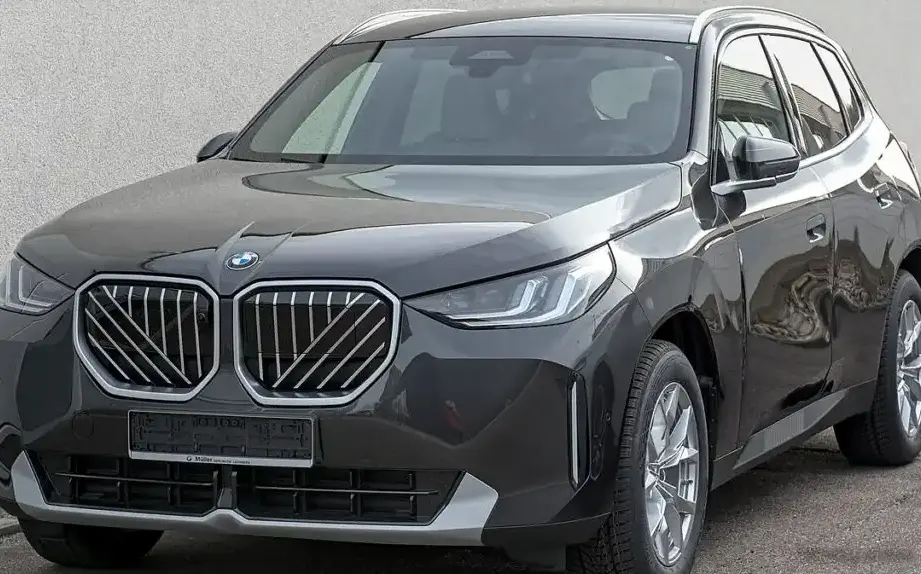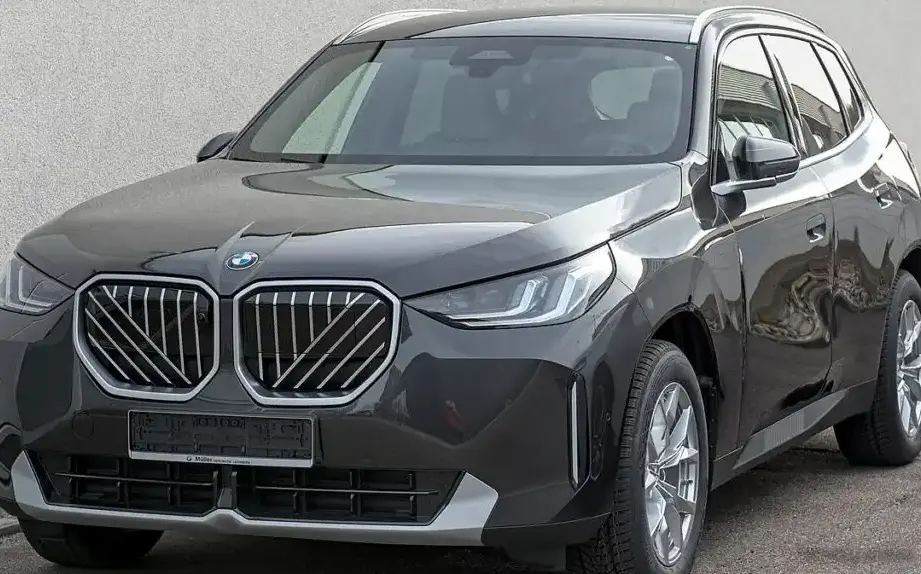
The BMW X3 (E83) 2.5i, produced from 2003 to 2006, represents BMW’s initial foray into the burgeoning compact luxury SUV segment. Positioned as a mid-range offering within the E83 X3 lineup, it aimed to deliver a blend of BMW’s renowned driving dynamics with the practicality of a small SUV. The E83 X3 was built on the shared platform with the E46 3 Series, utilizing its chassis and many components, but packaged in a more versatile, raised body style. This 2.5i variant served as a popular choice for buyers seeking a balance between performance and fuel efficiency, offering a step up from the base 2.0i model while remaining more accessible than the high-performance 3.0i.
Technical Specifications
| Brand | BMW |
| Model | X3 |
| Generation | X3 (E83) |
| Type (Engine) | 2.5i (192 Hp) |
| Start of production | 2003 |
| End of production | 2006 |
| Powertrain Architecture | Internal Combustion engine |
| Body type | SUV |
| Seats | 5 |
| Doors | 5 |
| Fuel consumption (urban) | 15.6 l/100 km (15.1 US mpg, 18.1 UK mpg, 6.4 km/l) |
| Fuel consumption (extra urban) | 8.7 l/100 km (27 US mpg, 32.5 UK mpg, 11.5 km/l) |
| Fuel consumption (combined) | 11.2 l/100 km (21 US mpg, 25.2 UK mpg, 8.9 km/l) |
| Fuel Type | Petrol (Gasoline) |
| Acceleration 0 – 100 km/h | 8.9 sec |
| Acceleration 0 – 62 mph | 8.9 sec |
| Acceleration 0 – 60 mph | 8.5 sec |
| Maximum speed | 208 km/h (129.25 mph) |
| Weight-to-power ratio | 9.5 kg/Hp, 105.8 Hp/tonne |
| Weight-to-torque ratio | 7.4 kg/Nm, 135 Nm/tonne |
| Power | 192 Hp @ 6000 rpm |
| Power per litre | 77 Hp/l |
| Torque | 245 Nm @ 3500 rpm (180.7 lb.-ft. @ 3500 rpm) |
| Engine layout | Front, Longitudinal |
| Engine Model/Code | M54B25 |
| Engine displacement | 2494 cm3 (152.19 cu. in.) |
| Number of cylinders | 6 |
| Engine configuration | Inline |
| Cylinder Bore | 84 mm (3.31 in.) |
| Piston Stroke | 75 mm (2.95 in.) |
| Compression ratio | 10.5:1 |
| Number of valves per cylinder | 4 |
| Fuel injection system | Multi-port manifold injection |
| Engine aspiration | Naturally aspirated engine |
| Engine oil capacity | 6.2 l (6.55 US qt | 5.46 UK qt) |
| Coolant | 10.6 l (11.2 US qt | 9.33 UK qt) |
| Kerb Weight | 1815 kg (4001.39 lbs.) |
| Max. weight | 2240 kg (4938.35 lbs.) |
| Max load | 425 kg (936.96 lbs.) |
| Trunk (boot) space – minimum | 500 l (17.66 cu. ft.) |
| Trunk (boot) space – maximum | 1560 l (55.09 cu. ft.) |
| Fuel tank capacity | 67 l (17.7 US gal | 14.74 UK gal) |
| Length | 4569 mm (179.88 in.) |
| Width | 1853 mm (72.95 in.) |
| Height | 1674 mm (65.91 in.) |
| Wheelbase | 2795 mm (110.04 in.) |
| Front track | 1524 mm (60 in.) |
| Rear (Back) track | 1542 mm (60.71 in.) |
| Ride height (ground clearance) | 200 mm (7.87 in.) |
| Drive wheel | All wheel drive (4×4) |
| Number of gears and type of gearbox | 6 gears, manual transmission |
| Front suspension | Coil spring |
| Rear suspension | Coil spring |
| Front brakes | Ventilated discs |
| Rear brakes | Disc |
| Assisting systems | ABS (Anti-lock braking system) |
| Steering type | Steering rack and pinion |
| Power steering | Hydraulic Steering |
| Tires size | 235/55 R17 |
| Wheel rims size | 17 |
Powertrain & Engine Architecture
The heart of the X3 2.5i is BMW’s M54B25 inline-six engine. This 2.5-liter naturally aspirated engine is a descendant of the M52 and M54 families, known for their smooth operation and robust construction. The M54B25 features double overhead camshafts (DOHC), four valves per cylinder, and a multi-port fuel injection system. This configuration allowed for a relatively high specific output of 77 horsepower per liter. The engine’s block is cast iron, while the cylinder head is aluminum, contributing to a favorable weight balance. The 6-speed manual transmission, standard on this model, provided precise shifts and helped to maximize the engine’s potential. The engine’s longitudinal mounting and rear-wheel-drive bias, coupled with BMW’s xDrive all-wheel-drive system, contributed to the X3’s balanced handling characteristics.
Driving Characteristics
The X3 2.5i offered a driving experience that was more engaging than many of its competitors. While not overtly powerful, the 192 horsepower and 180 lb-ft of torque provided adequate acceleration for everyday driving. The 0-60 mph time of around 8.5 seconds was respectable for the era. The six-speed manual transmission allowed drivers to keep the engine in its sweet spot, maximizing performance. The xDrive all-wheel-drive system provided excellent traction in various conditions, enhancing stability and confidence. Compared to the 2.0i, the 2.5i offered a noticeable improvement in responsiveness, while the 3.0i provided significantly more power but at a higher price point. The gear ratios were tuned for a balance of acceleration and fuel economy, making it a comfortable cruiser on the highway.
Equipment & Trim Levels
The X3 2.5i came standard with a reasonable level of equipment, including automatic climate control, power windows and locks, and a basic audio system. Upholstery was typically cloth, although leather was available as an option. Optional extras included a premium sound system, sunroof, navigation system, and heated front seats. The interior design was functional and well-built, reflecting BMW’s commitment to quality. Trim levels were relatively simple, with options packages allowing buyers to customize their vehicle to their preferences. The standard dashboard configuration featured analog gauges and a straightforward layout, prioritizing usability.
Chassis & Braking
The X3’s chassis was based on the E46 3 Series, providing a solid foundation for its SUV body style. The suspension utilized coil springs and shock absorbers, with stabilizer bars to reduce body roll. The front suspension featured MacPherson struts, while the rear suspension employed a multi-link design. Braking duties were handled by ventilated discs at the front and solid discs at the rear, equipped with ABS (Anti-lock Braking System). The braking system provided adequate stopping power for the vehicle’s weight and performance. The X3’s relatively low ride height for an SUV contributed to its stable handling characteristics.
Market Reception & Comparison
The BMW X3 2.5i was generally well-received by automotive critics. It was praised for its engaging driving dynamics, comfortable ride, and practical interior. However, some critics noted that the engine could feel strained when pushed hard, and the fuel economy was not class-leading. Compared to rivals like the Acura RDX and Audi Q5, the X3 offered a more sporty driving experience but potentially at the expense of fuel efficiency. The 2.5i model struck a good balance between price and performance, making it a popular choice for buyers who wanted a premium SUV without the higher cost of the 3.0i.
Legacy
The M54B25 engine, found in the X3 2.5i, is known for its reliability when properly maintained. Common issues include oil leaks and cooling system failures, but these are generally addressable with preventative maintenance. Today, the E83 X3 2.5i represents an affordable entry point into BMW ownership. Well-maintained examples are still relatively common on the used car market, offering a blend of practicality, performance, and BMW’s signature driving experience. The X3 2.5i laid the groundwork for BMW’s successful expansion into the compact luxury SUV segment, paving the way for future generations of the X3.