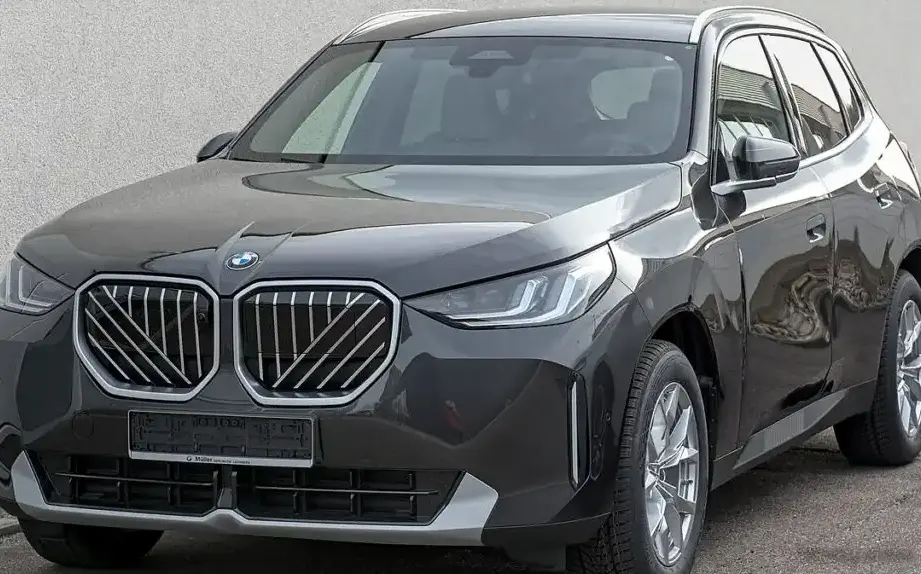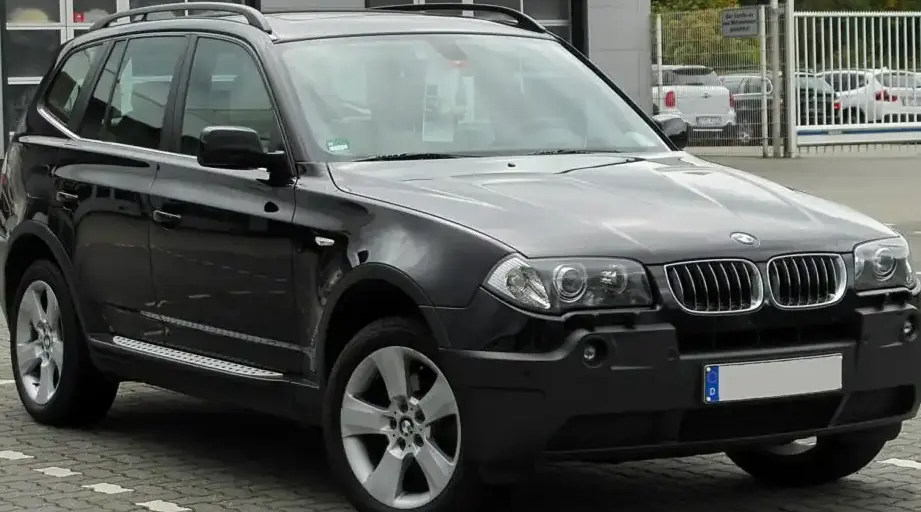
The BMW X3 (E83) 30d xDrive, produced from 2008 to 2010, represents a significant offering in BMW’s compact luxury SUV lineup. This variant, part of the E83’s facelifted generation (introduced in 2006), was positioned as a mid-range option, bridging the gap between the entry-level 2.0d models and the higher-performance 3.0si. It catered to buyers seeking a balance of fuel efficiency, respectable performance, and the all-weather capability of BMW’s xDrive all-wheel-drive system. The 30d utilized BMW’s advanced diesel technology, offering a compelling alternative to gasoline-powered SUVs in the European market, where diesel fuel was more prevalent and often incentivized.
Technical Specifications
| Brand | BMW |
| Model | X3 |
| Generation | X3 (E83, facelift 2006) |
| Type (Engine) | 30d (218 Hp) xDrive |
| Start of production | 2008 |
| End of production | 2010 |
| Powertrain Architecture | Internal Combustion engine |
| Body type | SUV |
| Seats | 5 |
| Doors | 5 |
| Fuel consumption (urban) | 9.7 l/100 km (24.2 US mpg) |
| Fuel consumption (extra urban) | 6 l/100 km (39.2 US mpg) |
| Fuel consumption (combined) | 7.4 l/100 km (31.8 US mpg) |
| CO2 emissions | 196 g/km |
| Fuel Type | Diesel |
| Acceleration 0 – 100 km/h | 7.4 sec |
| Acceleration 0 – 62 mph | 7.4 sec |
| Acceleration 0 – 60 mph | 7 sec |
| Maximum speed | 210 km/h (130.49 mph) |
| Emission standard | Euro 4 |
| Weight-to-power ratio | 8.3 kg/Hp |
| Weight-to-torque ratio | 3.6 kg/Nm |
| Power | 218 Hp @ 4000 rpm |
| Torque | 500 Nm @ 1750-2750 rpm (368.78 lb.-ft.) |
| Engine layout | Front, Longitudinal |
| Engine Model/Code | M57D30 |
| Engine displacement | 2993 cm3 (182.64 cu. in.) |
| Number of cylinders | 6 |
| Engine configuration | Inline |
| Cylinder Bore | 84 mm (3.31 in.) |
| Piston Stroke | 90 mm (3.54 in.) |
| Compression ratio | 17:1 |
| Number of valves per cylinder | 4 |
| Fuel injection system | Diesel Commonrail |
| Engine aspiration | Turbocharger, Intercooler |
| Engine oil capacity | 7.5 l (7.93 US qt | 6.6 UK qt) |
| Coolant | 10.4 l (10.99 US qt | 9.15 UK qt) |
| Kerb Weight | 1805 kg (3979.34 lbs.) |
| Max. weight | 2350 kg (5180.86 lbs.) |
| Max load | 545 kg (1201.52 lbs.) |
| Trunk (boot) space – minimum | 480 l (16.95 cu. ft.) |
| Trunk (boot) space – maximum | 1560 l (55.09 cu. ft.) |
| Fuel tank capacity | 67 l (17.7 US gal | 14.74 UK gal) |
| Max. roof load | 75 kg (165.35 lbs.) |
| Permitted trailer load with brakes (12%) | 2000 kg (4409.25 lbs.) |
| Permitted trailer load without brakes | 750 kg (1653.47 lbs.) |
| Permitted towbar download | 80 kg (176.37 lbs.) |
| Length | 4569 mm (179.88 in.) |
| Width | 1853 mm (72.95 in.) |
| Height | 1674 mm (65.91 in.) |
| Wheelbase | 2795 mm (110.04 in.) |
| Front track | 1524 mm (60 in.) |
| Rear (Back) track | 1542 mm (60.71 in.) |
| Ride height (ground clearance) | 201 mm (7.91 in.) |
| Drag coefficient (Cd) | 0.34 |
| Minimum turning circle (turning diameter) | 11.7 m (38.39 ft.) |
| Approach angle | 23.9° |
| Departure angle | 21.8° |
| Ramp-over (brakeover) angle | 17.2° |
| Wading depth | 500 mm (19.69 in.) |
| Drive wheel | All wheel drive (4×4) |
| Number of gears and type of gearbox | 6 gears, manual transmission |
| Front brakes | Ventilated discs |
| Rear brakes | Ventilated discs |
| Assisting systems | ABS (Anti-lock braking system) |
| Steering type | Steering rack and pinion |
| Power steering | Electric Steering |
| Tires size | 235/55 R17 |
| Wheel rims size | 8J x 17 |
Powertrain & Engine Architecture
The heart of the X3 30d xDrive is BMW’s M57D30 engine, a 3.0-liter inline-six diesel. This engine, part of the M57 family, was renowned for its robust construction and sophisticated technology. It featured common rail direct injection, delivering fuel at extremely high pressure for optimized combustion. A variable geometry turbocharger (VGT) and intercooler further enhanced performance and efficiency. The M57D30 produced 218 horsepower at 4000 rpm and a substantial 500 Nm (368 lb-ft) of torque between 1750 and 2750 rpm. This broad torque curve provided strong acceleration and effortless cruising. The engine was longitudinally mounted, powering all four wheels through BMW’s xDrive all-wheel-drive system. The transmission was a six-speed manual, offering precise gear changes and driver engagement. While an automatic transmission was available on other X3 models, the 30d was primarily offered with the manual gearbox in many markets.
Driving Characteristics
The X3 30d xDrive offered a compelling driving experience. The high torque output of the M57D30 engine meant that strong acceleration was available from low engine speeds, making it well-suited for overtaking and navigating varied terrain. The six-speed manual transmission allowed for precise control, although the gear ratios were tuned more for fuel efficiency than outright performance. Compared to the more powerful 3.0si, the 30d felt less eager to rev, but it provided a more relaxed and refined driving experience. The xDrive system provided excellent traction in all weather conditions, enhancing stability and confidence. The steering was typically BMW – precise and well-weighted, providing good feedback to the driver.
Equipment & Trim Levels
The X3 30d xDrive typically came well-equipped, reflecting its mid-range positioning. Standard features included automatic climate control, power windows and mirrors, a multi-function steering wheel, and a basic audio system. Upholstery was usually cloth, although leather options were available. Optional extras included a premium sound system, navigation system, sunroof, and parking sensors. The interior design was functional and well-built, typical of BMW’s standards at the time. The 30d trim often included unique exterior styling cues, such as specific alloy wheel designs and chrome accents.
Chassis & Braking
The X3 E83 utilized a MacPherson strut front suspension and a multi-link rear suspension, providing a comfortable ride and good handling characteristics. The suspension was tuned to balance comfort and control, offering a good compromise for everyday driving. The 30d xDrive featured ventilated disc brakes on all four wheels, providing ample stopping power. Anti-lock braking system (ABS) was standard, enhancing safety and stability during emergency braking. Stabilizer bars were fitted front and rear to reduce body roll during cornering.
Market Reception & Comparison
The X3 30d xDrive was generally well-received by automotive critics. It was praised for its fuel efficiency, strong performance, and comfortable ride. The diesel engine was seen as a particularly attractive option in Europe, where diesel fuel was cheaper and more readily available than gasoline. Compared to the 2.0d models, the 30d offered a significant performance upgrade. Compared to the 3.0si, it provided a more economical and relaxed driving experience. Reliability was generally good, although diesel engines can be more susceptible to issues with the fuel injection system and turbocharger over time.
Legacy
The BMW X3 (E83) 30d xDrive remains a popular choice in the used car market. The M57D30 engine is known for its durability and longevity, provided it has been properly maintained. Regular servicing, including oil changes and fuel filter replacements, is crucial for ensuring its continued reliability. While older diesel engines may face increasing scrutiny due to emissions regulations, the X3 30d xDrive continues to offer a compelling combination of performance, efficiency, and practicality for buyers seeking a capable and well-built compact SUV.