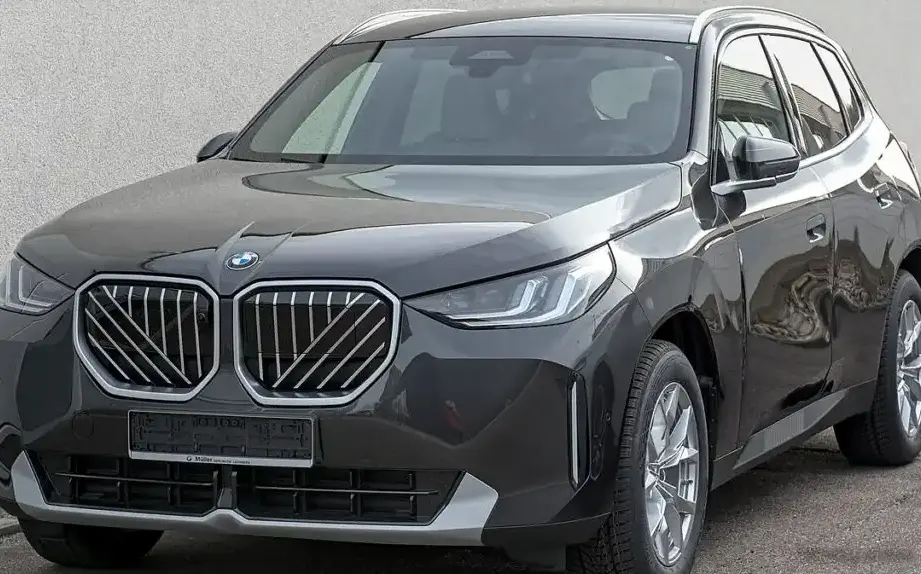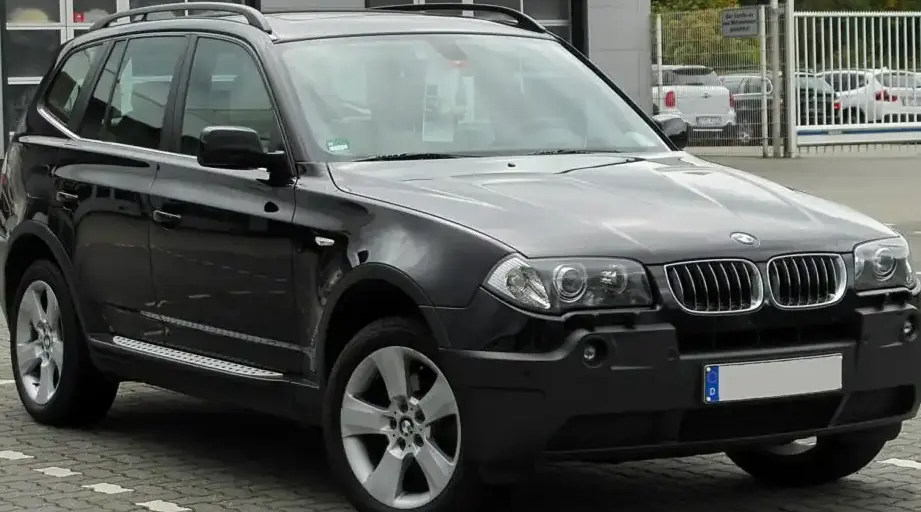
The BMW X3 (E83) 30i xDrive, produced from 2008 to 2010, represented a significant offering in BMW’s compact luxury SUV lineup. This facelifted version of the E83 X3, introduced in 2006, aimed to refine the original’s design and enhance its driving experience. The 30i variant, equipped with the naturally aspirated N52B30A inline-six engine and a six-speed manual transmission, positioned itself as a performance-oriented option within the range, appealing to drivers seeking a balance between practicality and engaging driving dynamics. It sat above the 2.0i and 2.5i models in terms of power and performance, but below the range-topping xDrive 3.0si.
Technical Specifications
| Brand | BMW |
| Model | X3 |
| Generation | X3 (E83, facelift 2006) |
| Type (Engine) | 30i (272 Hp) xDrive |
| Start of production | 2008 |
| End of production | 2010 |
| Powertrain Architecture | Internal Combustion engine |
| Body type | SUV |
| Seats | 5 |
| Doors | 5 |
| Fuel consumption (urban) | 13.4 l/100 km (17.6 US mpg, 21.1 UK mpg, 7.5 km/l) |
| Fuel consumption (extra urban) | 7.3 l/100 km (32.2 US mpg, 38.7 UK mpg, 13.7 km/l) |
| Fuel consumption (combined) | 9.5 l/100 km (24.8 US mpg, 29.7 UK mpg, 10.5 km/l) |
| CO2 emissions | 229 g/km |
| Fuel Type | Petrol (Gasoline) |
| Acceleration 0 – 100 km/h | 7.2 sec |
| Acceleration 0 – 62 mph | 7.2 sec |
| Acceleration 0 – 60 mph | 6.8 sec |
| Maximum speed | 210 km/h (130.49 mph) |
| Emission standard | Euro 4 |
| Weight-to-power ratio | 6.4 kg/Hp, 156.3 Hp/tonne |
| Weight-to-torque ratio | 5.5 kg/Nm, 181 Nm/tonne |
| Power | 272 Hp @ 6650 rpm |
| Power per litre | 90.8 Hp/l |
| Torque | 315 Nm @ 2750 rpm (232.33 lb.-ft. @ 2750 rpm) |
| Engine layout | Front, Longitudinal |
| Engine Model/Code | N52B30A |
| Engine displacement | 2996 cm3 (182.83 cu. in.) |
| Number of cylinders | 6 |
| Engine configuration | Inline |
| Cylinder Bore | 85 mm (3.35 in.) |
| Piston Stroke | 88 mm (3.46 in.) |
| Compression ratio | 10.7:1 |
| Number of valves per cylinder | 4 |
| Fuel injection system | Multi-port manifold injection |
| Engine aspiration | Naturally aspirated engine |
| Engine oil capacity | 6.5 l (6.87 US qt | 5.72 UK qt) |
| Coolant | 10 l (10.57 US qt | 8.8 UK qt) |
| Kerb Weight | 1740 kg (3836.04 lbs.) |
| Max. weight | 2260 kg (4982.45 lbs.) |
| Max load | 520 kg (1146.4 lbs.) |
| Trunk (boot) space – minimum | 480 l (16.95 cu. ft.) |
| Trunk (boot) space – maximum | 1560 l (55.09 cu. ft.) |
| Fuel tank capacity | 67 l (17.7 US gal | 14.74 UK gal) |
| Max. roof load | 75 kg (165.35 lbs.) |
| Permitted trailer load with brakes (12%) | 2000 kg (4409.25 lbs.) |
| Permitted trailer load without brakes | 720 kg (1587.33 lbs.) |
| Permitted towbar download | 80 kg (176.37 lbs.) |
| Length | 4569 mm (179.88 in.) |
| Width | 1853 mm (72.95 in.) |
| Height | 1674 mm (65.91 in.) |
| Wheelbase | 2795 mm (110.04 in.) |
| Front track | 1524 mm (60 in.) |
| Rear (Back) track | 1542 mm (60.71 in.) |
| Ride height (ground clearance) | 201 mm (7.91 in.) |
| Drag coefficient (Cd) | 0.34 |
| Minimum turning circle (turning diameter) | 11.7 m (38.39 ft.) |
| Approach angle | 23.9° |
| Departure angle | 21.8° |
| Ramp-over (brakeover) angle | 17.2° |
| Wading depth | 500 mm (19.69 in.) |
| Drive wheel | All wheel drive (4×4) |
| Number of gears and type of gearbox | 6 gears, manual transmission |
| Front brakes | Ventilated discs |
| Rear brakes | Ventilated discs |
| Assisting systems | ABS (Anti-lock braking system) |
| Steering type | Steering rack and pinion |
| Power steering | Electric Steering |
| Tires size | 235/55 R17 |
| Wheel rims size | 8J x 17 |
INTRODUCTION
The E83 BMW X3, launched in 2003, was BMW’s first foray into the burgeoning compact luxury SUV segment. The 2008-2010 facelift brought revised styling, improved interior materials, and updated engine options. The 30i xDrive model, powered by the N52B30A engine, was a key component of this refresh. It offered a compelling alternative to competitors like the Audi Q5 and Mercedes-Benz GLK, providing a more engaging driving experience than many of its rivals. The xDrive system provided all-weather capability, making it a practical choice for a wide range of climates.
Powertrain & Engine Architecture
At the heart of the X3 30i xDrive lies the N52B30A, a 3.0-liter inline-six cylinder engine. This engine is renowned for its smooth power delivery and responsive nature. It utilizes Double-VANOS, BMW’s variable valve timing system for both intake and exhaust valves, optimizing performance and efficiency across the rev range. Fuel is delivered via multi-port fuel injection. The engine produces 272 horsepower at 6650 rpm and 315 Nm (232 lb-ft) of torque at 2750 rpm. The six-speed manual transmission was standard, offering precise shifts and a direct connection to the engine. The xDrive all-wheel-drive system is a sophisticated on-demand system, distributing torque between the front and rear axles as needed to maximize traction.
Driving Characteristics
The X3 30i xDrive offered a noticeably more spirited driving experience compared to the lower-powered variants. The N52B30A engine provided ample power for both everyday driving and more enthusiastic pursuits. Acceleration from 0 to 60 mph took approximately 6.8 seconds, making it competitive within its class. The manual transmission allowed for greater driver control, while the xDrive system provided confident handling in various conditions. While not as overtly sporty as some BMW sedans, the X3 30i xDrive struck a good balance between comfort and performance. The gear ratios were well-chosen to provide strong acceleration in most situations, and the engine’s willingness to rev made it enjoyable to drive.
Equipment & Trim Levels
The X3 30i xDrive came reasonably well-equipped as standard. Features included automatic climate control, power-adjustable front seats, a multi-function steering wheel, and a premium audio system. Leather upholstery was standard, along with wood trim accents. Optional extras included a navigation system, sunroof, heated seats, and upgraded audio options. The interior design was functional and well-built, reflecting BMW’s commitment to quality. The facelifted model benefited from improved interior materials compared to the pre-2006 X3.
Chassis & Braking
The E83 X3 utilized a MacPherson strut front suspension and a multi-link rear suspension. This setup provided a comfortable ride while maintaining good handling characteristics. The 30i xDrive model typically featured slightly stiffer springs and dampers compared to the base models to complement its increased power. Braking duties were handled by ventilated disc brakes on all four wheels, providing ample stopping power. The ABS (Anti-lock Braking System) was standard, enhancing safety and control. The steering was a rack-and-pinion system with electric power assistance, offering precise and responsive steering feel.
Market Reception & Comparison
The X3 30i xDrive was generally well-received by automotive critics. It was praised for its powerful engine, engaging driving dynamics, and comfortable interior. However, some reviewers noted that the X3’s ride could be firm on rough roads. Compared to the 2.0i and 2.5i models, the 30i offered a significant performance upgrade, but at a higher price point. Fuel economy was reasonable for a vehicle of its size and performance, averaging around 24.8 US mpg in combined driving. Reliability was generally good, although preventative maintenance was crucial to avoid potential issues with the VANOS system and cooling system.
Legacy
The BMW X3 (E83) 30i xDrive remains a popular choice in the used car market. The N52B30A engine is known for its durability and relatively straightforward maintenance. However, as with any older BMW, regular maintenance is essential to keep it running reliably. Common issues include oil leaks, VANOS system wear, and cooling system component failures. Despite these potential issues, the X3 30i xDrive offers a compelling combination of performance, practicality, and luxury, making it a desirable option for those seeking a well-rounded compact SUV.