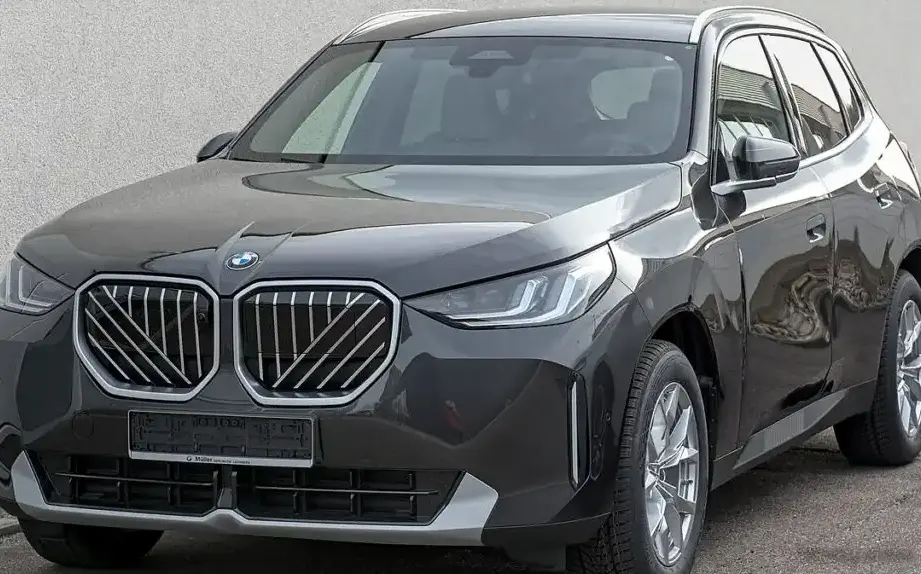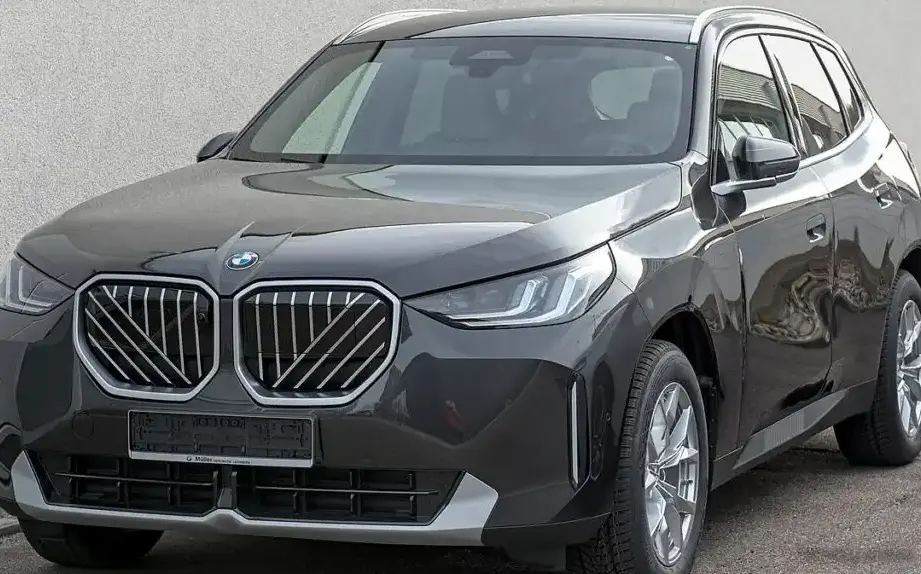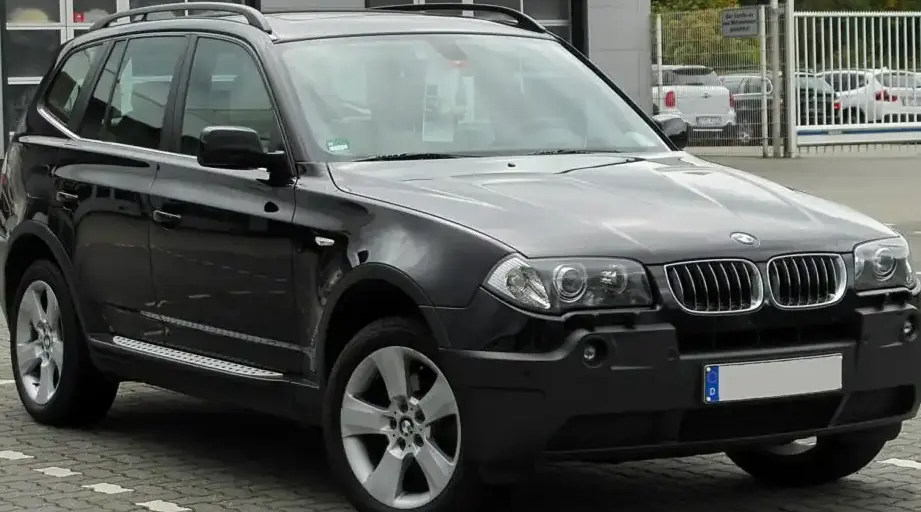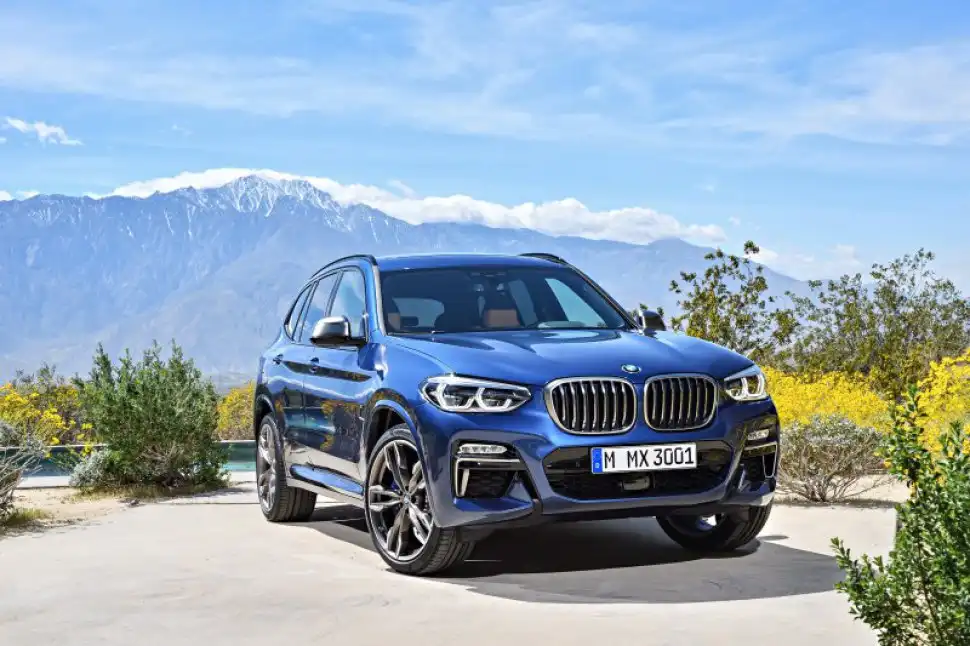
The BMW X3 (G01) 18d, a rear-wheel drive (sDrive) Sport Activity Vehicle (SAV), was produced from 2020 to 2021. This variant occupied the entry-level position within the G01 X3 lineup, offering a balance of fuel efficiency and practicality. It represented BMW’s attempt to cater to a broader market segment seeking a premium SUV experience with lower running costs. The 18d utilized a mild hybrid diesel powertrain, marking a step towards electrification in BMW’s model range. It was primarily sold in the European market, where diesel engines remained popular due to favorable tax incentives and fuel economy.
Technical Specifications
| Brand | BMW |
| Model | X3 |
| Generation | X3 (G01) |
| Type (Engine) | 18d (150 Hp) Mild Hybrid sDrive Steptronic |
| Start of production | 2020 |
| End of production | 2021 |
| Powertrain Architecture | MHEV (Mild Hybrid Electric Vehicle) |
| Body type | SAV |
| Seats | 5 |
| Doors | 5 |
| Fuel consumption (urban) | 4.8-5.4 l/100 km (49-43.6 US mpg) |
| Fuel consumption (extra urban) | 4.2-4.8 l/100 km (56-49 US mpg) |
| Fuel consumption (combined) | 4.4-5 l/100 km (53.5-47 US mpg) |
| CO2 emissions | 116-133 g/km |
| Fuel Type | Diesel |
| Acceleration 0-100 km/h | 9.4 sec |
| Acceleration 0-62 mph | 9.4 sec |
| Acceleration 0-60 mph | 8.9 sec |
| Maximum speed | 198 km/h (123.03 mph) |
| Emission standard | Euro 6d |
| Weight-to-power ratio | 11.4 kg/Hp |
| Weight-to-torque ratio | 4.9 kg/Nm |
| Gross battery capacity | 0.4 kWh |
| Battery voltage | 48 V |
| Battery technology | Lithium-ion (Li-Ion) |
| Electric motor power | 11 Hp |
| Electric motor Torque | 25 Nm (18.44 lb.-ft.) |
| Power | 150 Hp @ 4000 rpm |
| Torque | 350 Nm @ 1750-2500 rpm (258.15 lb.-ft.) |
| Engine displacement | 1995 cm3 (121.74 cu. in.) |
| Number of cylinders | 4 |
| Engine layout | Front, Longitudinal |
| Engine Model/Code | B47 |
| Cylinder Bore | 84 mm (3.31 in.) |
| Piston Stroke | 90 mm (3.54 in.) |
| Compression ratio | 16.5:1 |
| Fuel injection system | Diesel Commonrail |
| Engine oil capacity | 5.5 l (5.81 US qt | 4.84 UK qt) |
| Kerb Weight | 1715-1745 kg (3780.93 – 3847.07 lbs.) |
| Max. weight | 2360-2400 kg (5202.91 – 5291.09 lbs.) |
| Trunk (boot) space (minimum) | 550 l (19.42 cu. ft.) |
| Trunk (boot) space (maximum) | 1600 l (56.5 cu. ft.) |
| Fuel tank capacity | 58 l (15.32 US gal | 12.76 UK gal) |
| Length | 4708 mm (185.35 in.) |
| Width | 1891 mm (74.45 in.) |
| Height | 1676 mm (65.98 in.) |
| Wheelbase | 2864 mm (112.76 in.) |
| Gears/Transmission | 8 gears, automatic transmission Steptronic |
Powertrain & Engine Architecture
The heart of the X3 18d is the BMW B47D20, a 2.0-liter inline-four cylinder diesel engine. This engine is part of BMW’s modular engine family, known for its efficiency and refinement. The B47 utilizes a common rail direct injection system, delivering fuel at extremely high pressures for optimized combustion. A twin-scroll turbocharger with intercooling further enhances performance and reduces turbo lag. The engine produces 150 horsepower at 4,000 rpm and 350 Nm (258 lb-ft) of torque between 1,750 and 2,500 rpm.
The “mild hybrid” aspect of this powertrain comes from a 48V electrical system and a small electric motor integrated into the drivetrain. This system provides a power boost during acceleration and allows for extended coasting with the engine switched off, improving fuel economy. The electric motor contributes an additional 11 horsepower and 25 Nm of torque. The transmission is an 8-speed Steptronic automatic, known for its smooth shifts and responsiveness. This transmission is crucial for maximizing the engine’s efficiency and providing a comfortable driving experience.
Driving Characteristics
The X3 18d with the automatic transmission offers a comfortable and refined driving experience. While not particularly sporty, it provides adequate performance for everyday driving. Acceleration from 0-60 mph takes approximately 8.9 seconds, which is competitive within its class. The automatic transmission is well-tuned, providing smooth gear changes and responsive downshifts. The mild hybrid system contributes to a seamless driving experience, with the electric motor providing a subtle boost when needed. The rear-wheel drive configuration offers a balanced feel, although it may not be ideal for driving in harsh winter conditions without winter tires. Compared to the more powerful X3 variants (like the xDrive30i or M40i), the 18d feels less urgent in its acceleration, but it compensates with significantly better fuel economy.
Equipment & Trim Levels
The X3 18d typically came with a generous level of standard equipment. This included features like BMW’s iDrive infotainment system with a 10.25-inch touchscreen display, automatic climate control, power-adjustable front seats, and a suite of safety features such as automatic emergency braking and lane departure warning. Interior upholstery was typically a combination of cloth and synthetic leather, with optional upgrades to full leather available. Common optional extras included a panoramic sunroof, upgraded audio system, and parking assist features. Trim levels varied slightly depending on the market, but generally offered packages that added convenience and luxury features.
Chassis & Braking
The X3 18d utilizes a MacPherson strut front suspension and a multi-link rear suspension, providing a comfortable ride and good handling characteristics. Stabilizer bars are fitted to both axles to reduce body roll during cornering. The braking system consists of ventilated disc brakes on all four wheels. ABS (Anti-lock Braking System) and electronic stability control are standard features. The suspension tuning is geared towards comfort rather than outright sportiness, making it well-suited for long journeys. The weight distribution is relatively balanced, contributing to predictable handling.
Market Reception & Comparison
The X3 18d was generally well-received by automotive critics as a practical and efficient entry-level SUV. It was praised for its comfortable ride, refined interior, and good fuel economy. However, some critics noted that the engine lacked the punch of more powerful X3 variants. Compared to other diesel-powered SUVs in its class, the X3 18d offered a competitive combination of performance, efficiency, and luxury. Its fuel economy figures of 4.4-5 l/100 km (53.5-47 US mpg) were particularly attractive to buyers seeking to minimize running costs. Compared to the gasoline-powered X3 30i, the 18d offered significantly better fuel economy, but at the expense of some performance.
Legacy
The B47 engine, used in the X3 18d, has proven to be a relatively reliable powertrain, although some early models experienced issues with timing chain wear. Regular maintenance, including oil changes and timing chain inspections, is crucial for ensuring long-term reliability. On the used car market, the X3 18d represents a good value proposition for buyers seeking a premium SUV with low running costs. Its mild hybrid technology and efficient diesel engine make it an attractive option for those prioritizing fuel economy and environmental responsibility. The G01 X3, in general, has established a reputation for build quality and durability, contributing to its continued popularity in the used car market.