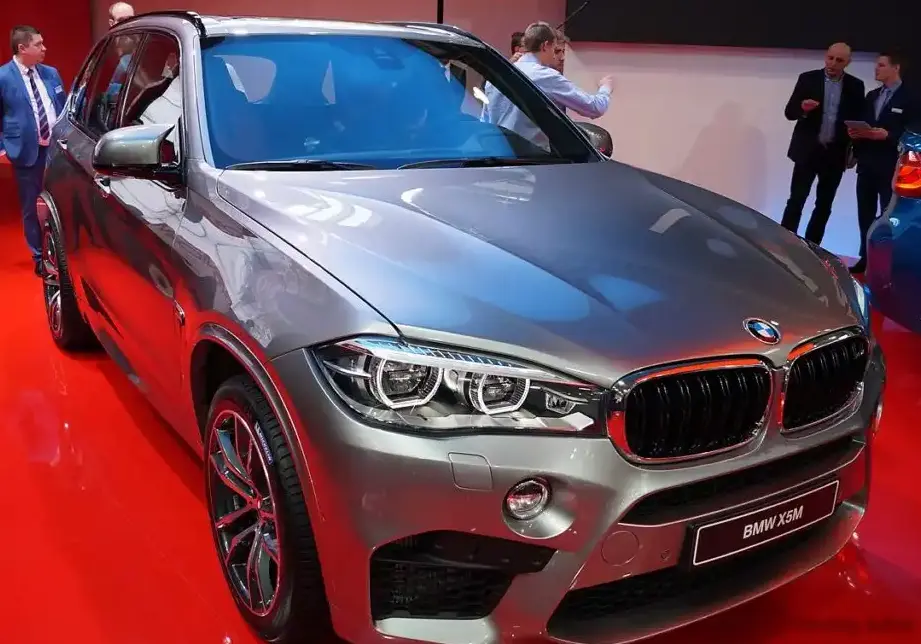
The BMW X5 (E53) 3.0d, produced from 2000 to 2003, represented BMW’s initial foray into the burgeoning luxury SUV market. This variant, powered by the M57D30 inline-six diesel engine producing 184 horsepower, occupied a middle ground within the E53 X5 lineup, positioned as a more fuel-efficient and torque-rich alternative to the gasoline-powered models, while offering a more accessible price point than the higher-output diesel options. The E53 generation, built on the BMW X platform, aimed to deliver a driving experience consistent with BMW’s established reputation for performance and handling, packaged within a versatile and spacious SUV body style. It was a key model for BMW, establishing the brand’s presence in a segment previously dominated by North American and Japanese manufacturers.
Technical Specifications
| Brand | BMW |
| Model | X5 |
| Generation | X5 (E53) |
| Type (Engine) | 3.0d (184 Hp) |
| Start of production | 2000 |
| End of production | 2003 |
| Powertrain Architecture | Internal Combustion engine |
| Body type | SUV |
| Seats | 5 |
| Doors | 5 |
| Fuel consumption (urban) | 11.1 l/100 km (21.2 US mpg) |
| Fuel consumption (extra urban) | 7.1 l/100 km (33.1 US mpg) |
| Fuel consumption (combined) | 9.7 l/100 km (24.2 US mpg) |
| Fuel Type | Diesel |
| Acceleration 0 – 100 km/h | 10.1 sec |
| Acceleration 0 – 62 mph | 10.1 sec |
| Acceleration 0 – 60 mph | 9.6 sec |
| Maximum speed | 200 km/h (124.27 mph) |
| Weight-to-power ratio | 11.8 kg/Hp |
| Weight-to-torque ratio | 5.3 kg/Nm |
| Power | 184 Hp @ 4000 rpm |
| Torque | 410 Nm @ 2000 rpm (302.4 lb.-ft. @ 2000 rpm) |
| Engine layout | Front, Longitudinal |
| Engine Model/Code | M57D30 |
| Engine displacement | 2926 cm3 (178.56 cu. in.) |
| Number of cylinders | 6 |
| Engine configuration | Inline |
| Cylinder Bore | 84 mm (3.31 in.) |
| Piston Stroke | 88 mm (3.46 in.) |
| Compression ratio | 18:1 |
| Number of valves per cylinder | 4 |
| Fuel injection system | Diesel Commonrail |
| Engine aspiration | Turbocharger, Intercooler |
| Valvetrain | DOHC |
| Engine oil capacity | 6.5 l (6.87 US qt | 5.72 UK qt) |
| Coolant capacity | 10.5 l (11.1 US qt | 9.24 UK qt) |
| Kerb Weight | 2170 kg (4784.03 lbs.) |
| Max. weight | 2685 kg (5919.41 lbs.) |
| Max load | 515 kg (1135.38 lbs.) |
| Trunk (boot) space – minimum | 465 l (16.42 cu. ft.) |
| Trunk (boot) space – maximum | 1550 l (54.74 cu. ft.) |
| Fuel tank capacity | 93 l (24.57 US gal | 20.46 UK gal) |
| Length | 4666 mm (183.7 in.) |
| Width | 1872 mm (73.7 in.) |
| Height | 1717 mm (67.6 in.) |
| Wheelbase | 2820 mm (111.02 in.) |
| Front track | 1576 mm (62.05 in.) |
| Rear track | 1576 mm (62.05 in.) |
| Drive wheel | All wheel drive (4×4) |
| Number of gears | 5 |
| Gearbox type | Manual transmission |
| Front suspension | Double wishbone |
| Rear suspension | Independent multi-link suspension |
| Front brakes | Ventilated discs, 332 mm |
| Rear brakes | Disc, 324 mm |
| Assisting systems | ABS (Anti-lock braking system) |
| Steering type | Steering rack and pinion |
| Power steering | Hydraulic Steering |
| Tires size | 235/65 R17 |
| Wheel rims size | 17 |
Powertrain & Engine Architecture
The heart of the X5 3.0d is the M57D30, a 2.9-liter inline-six diesel engine. This engine, part of BMW’s M57 family, was a significant step forward in diesel technology. It featured common rail direct injection, allowing for precise fuel delivery and improved combustion efficiency. The M57D30 utilized a variable geometry turbocharger (VGT) and an intercooler to boost power and torque. The engine’s DOHC valvetrain, with four valves per cylinder, further enhanced its breathing and performance. The 5-speed manual transmission was the standard offering, providing a direct connection between the engine and the all-wheel-drive system. The engine code ‘M57D30’ designates the engine family (M57), fuel type (D for Diesel), and displacement (30 for 3.0 liters).
Driving Characteristics
The X5 3.0d with the manual transmission offered a surprisingly engaging driving experience for an SUV. While not as overtly sporty as the gasoline-powered X5 variants, the 410 Nm (302 lb-ft) of torque available from 2000 rpm provided strong acceleration and effortless cruising. The manual gearbox allowed for greater driver control, although the shift action could feel slightly notchy compared to some competitors. The 0-60 mph time of around 9.6 seconds was respectable for the era, and the X5 3.0d felt stable and composed at highway speeds. Compared to the higher-output X5 4.4i, the 3.0d prioritized fuel economy and low-end grunt over outright speed. Against the X5 3.0i, the diesel offered significantly better fuel economy and a more relaxed driving experience, albeit with slightly less peak horsepower.
Equipment & Trim Levels
The X5 3.0d typically came standard with features such as automatic climate control, power windows and locks, a CD stereo system, and alloy wheels. Upholstery was generally cloth, although leather was available as an option. Optional extras included a sunroof, navigation system, premium sound system, and heated front seats. Trim levels were relatively simple, with most options being added individually. The focus was on providing a well-equipped vehicle with a premium feel, without the extensive customization options found in some other luxury SUVs.
Chassis & Braking
The X5 E53 featured a robust chassis with a double wishbone front suspension and an independent multi-link rear suspension. This setup provided a comfortable ride while maintaining good handling characteristics. The 3.0d variant typically came equipped with ventilated disc brakes at the front and solid disc brakes at the rear. Anti-lock brakes (ABS) were standard. The suspension was tuned to balance comfort and handling, offering a more compliant ride than some of its sportier rivals. Stabilizer bars were fitted front and rear to reduce body roll during cornering.
Market Reception & Comparison
The X5 3.0d was generally well-received by automotive critics. It was praised for its fuel efficiency, strong torque, and comfortable ride. However, some reviewers noted that the manual transmission could feel a bit clunky, and the interior, while well-built, lacked the visual flair of some competitors. Compared to other SUVs in its class, the X5 3.0d offered a unique blend of luxury, performance, and fuel economy. Its diesel engine provided a significant advantage in terms of running costs, making it an attractive option for drivers who covered long distances. Reliability was generally good, although some owners reported issues with the turbocharger and fuel injection system.
Legacy
The BMW X5 E53 3.0d has proven to be a relatively durable vehicle, with many examples still on the road today. The M57D30 engine is known for its longevity, provided it has been properly maintained. However, as with any older vehicle, potential buyers should be aware of common issues such as turbocharger failure, fuel injector problems, and wear and tear on the suspension components. In the used car market, the X5 3.0d represents a relatively affordable entry point into BMW ownership, offering a comfortable and capable SUV with a reputation for reliability. It remains a popular choice for those seeking a practical and well-built luxury vehicle.