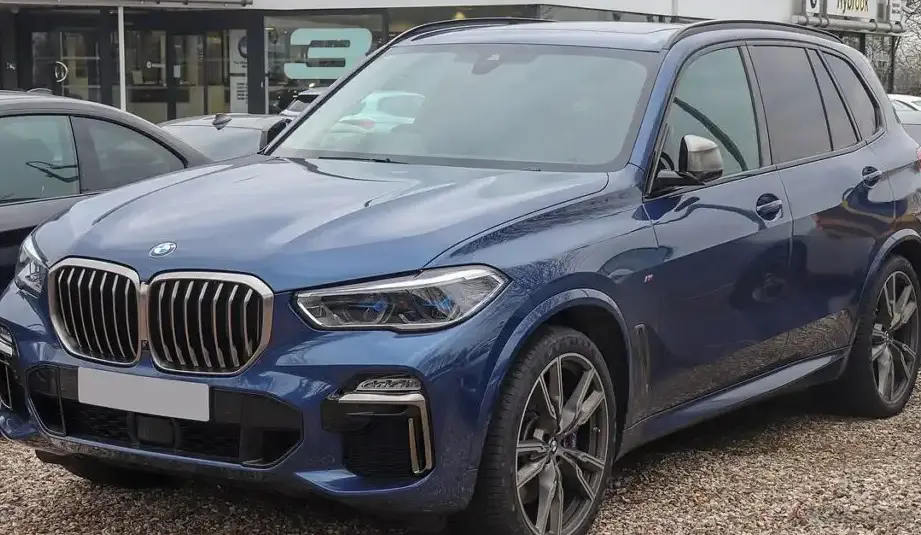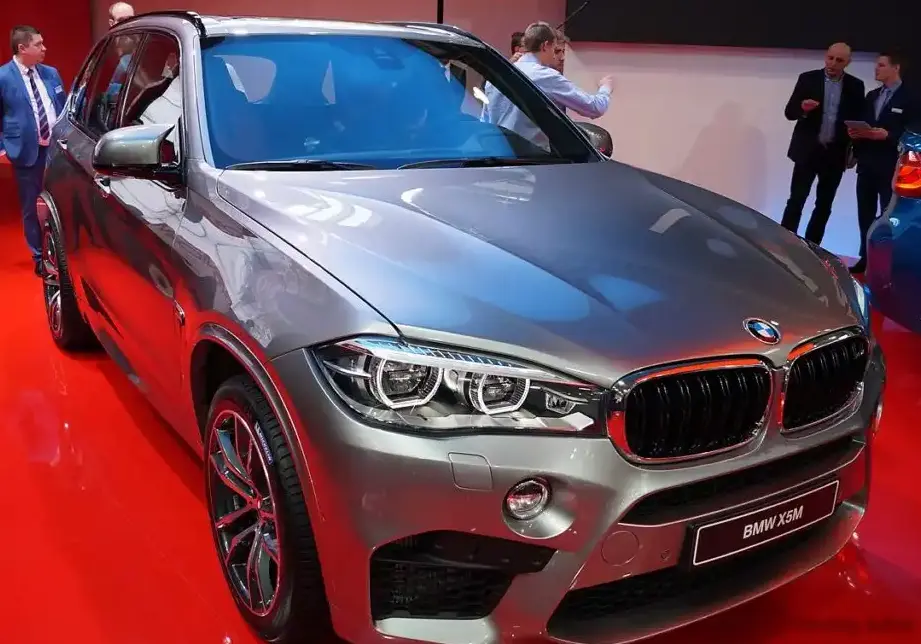
The BMW X5 (E53) 3.0d Steptronic, produced from 2000 to 2003, represented BMW’s initial foray into the burgeoning luxury SUV market. This variant, powered by the M57D30 inline-six diesel engine and paired with a five-speed automatic transmission (branded ‘Steptronic’), occupied a middle ground within the E53 X5 lineup, offering a balance between performance, fuel efficiency, and affordability. It was positioned below the more powerful 4.4i gasoline model and above the entry-level 2.5d, catering to buyers seeking a refined and capable SUV with the benefits of diesel technology. The E53 generation was significant as it established the X5 as a key model for BMW, blending traditional BMW driving dynamics with the practicality and space of an SUV.
Technical Specifications
| Brand | BMW |
| Model | X5 |
| Generation | X5 (E53) |
| Type (Engine) | 3.0d (184 Hp) Steptronic |
| Start of production | 2000 |
| End of production | 2003 |
| Powertrain Architecture | Internal Combustion engine |
| Body type | SUV |
| Seats | 5 |
| Doors | 5 |
| Fuel consumption (urban) | 12.3 l/100 km (19.1 US mpg, 23 UK mpg, 8.1 km/l) |
| Fuel consumption (extra urban) | 8.2 l/100 km (28.7 US mpg, 34.4 UK mpg, 12.2 km/l) |
| Fuel consumption (combined) | 9.7 l/100 km (24.2 US mpg, 29.1 UK mpg, 10.3 km/l) |
| Fuel Type | Diesel |
| Acceleration 0 – 100 km/h | 10.5 sec |
| Acceleration 0 – 62 mph | 10.5 sec |
| Acceleration 0 – 60 mph | 10 sec |
| Maximum speed | 200 km/h (124.27 mph) |
| Weight-to-power ratio | 11.8 kg/Hp, 84.8 Hp/tonne |
| Weight-to-torque ratio | 5.3 kg/Nm, 188.9 Nm/tonne |
| Power | 184 Hp @ 4000 rpm |
| Power per litre | 62.9 Hp/l |
| Torque | 410 Nm @ 2000 rpm (302.4 lb.-ft. @ 2000 rpm) |
| Engine layout | Front, Longitudinal |
| Engine Model/Code | M57D30 |
| Engine displacement | 2926 cm3 (178.56 cu. in.) |
| Number of cylinders | 6 |
| Engine configuration | Inline |
| Cylinder Bore | 84 mm (3.31 in.) |
| Piston Stroke | 88 mm (3.46 in.) |
| Compression ratio | 18:1 |
| Number of valves per cylinder | 4 |
| Fuel injection system | Diesel Commonrail |
| Engine aspiration | Turbocharger, Intercooler |
| Valvetrain | DOHC |
| Engine oil capacity | 6.5 l (6.87 US qt | 5.72 UK qt) |
| Coolant capacity | 10.5 l (11.1 US qt | 9.24 UK qt) |
| Kerb Weight | 2170 kg (4784.03 lbs.) |
| Max. weight | 2685 kg (5919.41 lbs.) |
| Max load | 515 kg (1135.38 lbs.) |
| Trunk (boot) space – minimum | 465 l (16.42 cu. ft.) |
| Trunk (boot) space – maximum | 1550 l (54.74 cu. ft.) |
| Fuel tank capacity | 93 l (24.57 US gal | 20.46 UK gal) |
| Length | 4666 mm (183.7 in.) |
| Width | 1872 mm (73.7 in.) |
| Height | 1717 mm (67.6 in.) |
| Wheelbase | 2820 mm (111.02 in.) |
| Front track | 1576 mm (62.05 in.) |
| Rear (Back) track | 1576 mm (62.05 in.) |
| Drive wheel | All wheel drive (4×4) |
| Number of gears and type of gearbox | 5 gears, automatic transmission |
| Front suspension | Double wishbone |
| Rear suspension | Independent multi-link suspension |
| Front brakes | Ventilated discs, 332 mm |
| Rear brakes | Disc, 324 mm |
| Assisting systems | ABS (Anti-lock braking system) |
| Steering type | Steering rack and pinion |
| Power steering | Hydraulic Steering |
| Tires size | 235/65 R17 |
| Wheel rims size | 17 |
Powertrain & Engine Architecture
The heart of the X5 3.0d Steptronic is the M57D30, a 3.0-liter inline-six diesel engine. This engine was a cornerstone of BMW’s diesel offerings in the early 2000s, known for its robust construction and relatively sophisticated technology for the time. It featured a cast iron block and aluminum cylinder head, employing a common rail direct injection system to deliver fuel at extremely high pressures, optimizing combustion efficiency and reducing emissions. The M57D30 utilized a variable geometry turbocharger (VGT) and an intercooler to boost power and torque. The engine’s valvetrain consisted of a double overhead camshaft (DOHC) design with four valves per cylinder. The ‘Steptronic’ transmission is a five-speed automatic gearbox, offering both fully automatic operation and a manual shift mode for greater driver control. This transmission was designed to handle the engine’s substantial torque output and provide smooth, refined gear changes.
Driving Characteristics
The X5 3.0d Steptronic offered a distinctly different driving experience compared to its gasoline-powered siblings. While not as overtly powerful as the 4.4i, the 3.0d provided ample torque – 302 lb-ft – available from a low 2000 rpm. This resulted in strong acceleration in everyday driving situations and effortless cruising on the highway. The automatic transmission, while smooth, wasn’t particularly quick to downshift, and the 0-60 mph time of around 10 seconds reflects this. Compared to the manual transmission versions of the 3.0d, the Steptronic offered greater convenience but slightly diminished responsiveness. The X5’s all-wheel-drive system provided excellent traction in various weather conditions, enhancing its stability and handling.
Equipment & Trim Levels
The X5 3.0d Steptronic typically came standard with a respectable level of equipment. This included leather upholstery, automatic climate control, power-adjustable front seats, a CD stereo system, and alloy wheels. Optional extras were plentiful, allowing buyers to customize their X5 with features such as a sunroof, navigation system, premium sound system, heated seats, and parking sensors. Trim levels were relatively simple, with most options being added individually rather than bundled into distinct packages. The interior design was typical BMW, emphasizing functionality and a driver-focused layout.
Chassis & Braking
The E53 X5 featured a robust chassis designed to handle the vehicle’s weight and provide a comfortable ride. The front suspension utilized a double wishbone setup, while the rear employed an independent multi-link suspension. This configuration delivered a good balance between ride quality and handling precision. Braking duties were handled by ventilated discs at the front and solid discs at the rear. Anti-lock braking system (ABS) was standard, enhancing braking performance and stability. The X5’s steering was a hydraulic rack-and-pinion system, providing precise and responsive steering feel.
Market Reception & Comparison
The X5 3.0d Steptronic was generally well-received by automotive critics. It was praised for its refined diesel engine, comfortable ride, and spacious interior. However, some reviewers noted that the automatic transmission could feel sluggish at times and that the X5 wasn’t as sporty to drive as some of its competitors. Compared to the 2.5d, the 3.0d offered a significant performance upgrade, while the 4.4i provided even more power but at the expense of fuel economy. The 3.0d offered a compelling blend of performance and efficiency, making it a popular choice for buyers who prioritized both.
Legacy
The M57D30 engine proved to be remarkably durable and reliable, with many examples exceeding 200,000 miles with proper maintenance. The X5 3.0d Steptronic remains a relatively popular choice in the used car market today, appreciated for its practicality, comfort, and fuel efficiency. While maintenance costs can be higher than some other SUVs due to its BMW heritage, the X5 3.0d offers a compelling value proposition for buyers seeking a capable and refined luxury SUV. The E53 generation X5 established BMW as a serious contender in the SUV segment, and the 3.0d variant played a key role in its success.