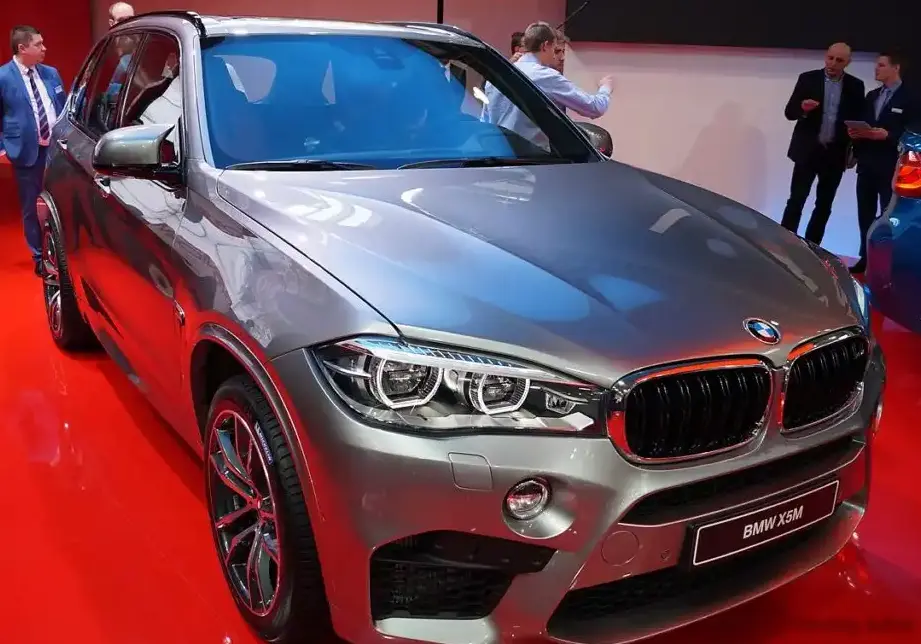
The BMW X5 (E53) 3.0i, produced from 2000 to 2003, represented BMW’s initial foray into the burgeoning luxury sport utility vehicle (SUV) segment. Positioned as a mid-range offering within the E53 X5 lineup, the 3.0i aimed to deliver a balance of performance, luxury, and practicality. It served as a key model in establishing the X5’s reputation and paved the way for subsequent generations. The E53 X5 was built on the BMW X platform, sharing components with the E39 5 Series, and was a significant departure for BMW, traditionally known for its sedans and coupes.
Technical Specifications
| Brand | BMW |
| Model | X5 |
| Generation | X5 (E53) |
| Type (Engine) | 3.0i (231 Hp) |
| Start of production | 2000 |
| End of production | 2003 |
| Powertrain Architecture | Internal Combustion engine |
| Body type | SUV |
| Seats | 5 |
| Doors | 5 |
| Fuel consumption (economy) – urban | 17.8 l/100 km (13.2 US mpg, 15.9 UK mpg, 5.6 km/l) |
| Fuel consumption (economy) – extra urban | 9.7 l/100 km (24.2 US mpg, 29.1 UK mpg, 10.3 km/l) |
| Fuel consumption (economy) – combined | 12.7 l/100 km (18.5 US mpg, 22.2 UK mpg, 7.9 km/l) |
| Fuel Type | Petrol (Gasoline) |
| Acceleration 0 – 100 km/h | 8.3 sec |
| Acceleration 0 – 62 mph | 8.3 sec |
| Acceleration 0 – 60 mph | 7.9 sec |
| Maximum speed | 215 km/h (133.59 mph) |
| Emission standard | Euro 4 |
| Weight-to-power ratio | 8.6 kg/Hp, 116.1 Hp/tonne |
| Weight-to-torque ratio | 6.6 kg/Nm, 150.8 Nm/tonne |
| Power | 231 Hp @ 5900 rpm |
| Power per litre | 77.5 Hp/l |
| Torque | 300 Nm @ 3500 rpm (221.27 lb.-ft. @ 3500 rpm) |
| Engine layout | Front, Longitudinal |
| Engine Model/Code | M54B30 |
| Engine displacement | 2979 cm3 (181.79 cu. in.) |
| Number of cylinders | 6 |
| Engine configuration | Inline |
| Cylinder Bore | 84 mm (3.31 in.) |
| Piston Stroke | 89.6 mm (3.53 in.) |
| Compression ratio | 10.2:1 |
| Number of valves per cylinder | 4 |
| Fuel injection system | Multi-port manifold injection |
| Engine aspiration | Naturally aspirated engine |
| Valvetrain | DOHC |
| Engine oil capacity | 6.5 l (6.87 US qt | 5.72 UK qt) |
| Coolant | 10.5 l (11.1 US qt | 9.24 UK qt) |
| Kerb Weight | 1990 kg (4387.2 lbs.) |
| Max. weight | 2600 kg (5732.02 lbs.) |
| Max load | 610 kg (1344.82 lbs.) |
| Trunk (boot) space – minimum | 465 l (16.42 cu. ft.) |
| Trunk (boot) space – maximum | 1550 l (54.74 cu. ft.) |
| Fuel tank capacity | 92 l (24.3 US gal | 20.24 UK gal) |
| Max. roof load | 150 kg (330.69 lbs.) |
| Permitted trailer load with brakes (12%) | 1600 kg (3527.4 lbs.) |
| Length | 4666 mm (183.7 in.) |
| Width | 1872 mm (73.7 in.) |
| Height | 1717 mm (67.6 in.) |
| Wheelbase | 2820 mm (111.02 in.) |
| Front track | 1576 mm (62.05 in.) |
| Rear (Back) track | 1576 mm (62.05 in.) |
| Drag coefficient (Cd) | 0.35 |
| Minimum turning circle (turning diameter) | 12.1 m (39.7 ft.) |
| Drive wheel | All wheel drive (4×4) |
| Number of gears and type of gearbox | 5 gears, manual transmission |
| Front suspension | Double wishbone |
| Rear suspension | Independent multi-link suspension |
| Front brakes | Ventilated discs, 332 mm |
| Rear brakes | Disc, 324 mm |
| Assisting systems | ABS (Anti-lock braking system) |
| Steering type | Steering rack and pinion |
| Power steering | Hydraulic Steering |
| Tires size | 235/65 R17 |
| Wheel rims size | 17 |
Powertrain & Engine Architecture
The heart of the X5 3.0i is the M54B30, a 3.0-liter inline-six cylinder engine. This engine is a naturally aspirated powerplant utilizing a double overhead camshaft (DOHC) valvetrain and multi-port fuel injection. The M54 engine family was known for its smooth power delivery and relative reliability. The 3.0i version produced 231 horsepower at 5900 rpm and 300 Nm (221 lb-ft) of torque at 3500 rpm. The engine’s layout is front-mounted and longitudinal, driving all four wheels through BMW’s xDrive all-wheel-drive system. The 5-speed manual transmission was standard, offering precise shifts and a direct connection to the engine. An optional 5-speed automatic transmission was also available, providing convenience but with a slight performance trade-off.
Driving Characteristics
The X5 3.0i with the manual transmission offered a surprisingly engaging driving experience for an SUV. Acceleration from 0-60 mph took approximately 7.9 seconds, and top speed was limited to 133.59 mph. The inline-six engine provided ample power for everyday driving and even spirited acceleration. The automatic transmission, while smooth, did slightly diminish performance, adding around 0.4 seconds to the 0-60 mph time. The xDrive system provided excellent traction in various conditions, enhancing stability and confidence. The suspension, tuned for a balance between comfort and handling, delivered a relatively smooth ride without sacrificing too much agility.
Equipment & Trim Levels
The X5 3.0i came standard with a respectable array of features, including automatic climate control, power windows and locks, and a premium sound system. Upholstery was typically cloth, with leather options available. Optional extras included a navigation system, sunroof, heated seats, and upgraded audio systems. The 3.0i was generally considered the entry-level X5, offering a more accessible price point compared to the higher-performance 4.4i and the diesel-powered 3.0d models. Trim levels were relatively simple, with options primarily bundled into packages.
Chassis & Braking
The X5 E53 featured a robust chassis with a double wishbone front suspension and an independent multi-link rear suspension. This setup provided a comfortable ride and good handling characteristics. Brakes consisted of ventilated discs at the front and solid discs at the rear. Anti-lock braking system (ABS) was standard. The X5 3.0i’s weight of approximately 1990 kg (4387.2 lbs) was managed effectively by the suspension and braking systems, providing a stable and controlled driving experience.
Market Reception & Comparison
The X5 3.0i was generally well-received by automotive critics. It was praised for its blend of luxury, performance, and practicality. However, some reviewers noted that the base engine, while capable, lacked the outright power of the 4.4i model. Fuel economy was considered average for its class, with combined figures around 18.5 US mpg. Compared to the 4.4i, the 3.0i offered a more affordable entry point into the X5 range, appealing to buyers who prioritized fuel efficiency and value. The 3.0d diesel variant, popular in Europe, offered even better fuel economy but was not widely available in the US market.
Legacy
The BMW X5 E53 3.0i remains a popular choice in the used car market. The M54B30 engine is known for its durability, although regular maintenance is crucial. Common issues include oil leaks, cooling system failures, and occasional VANOS (variable valve timing) problems. The xDrive system is generally reliable, but regular fluid changes are recommended. Overall, the X5 3.0i represents a solid and capable luxury SUV that continues to offer a compelling combination of performance, comfort, and value for its age.