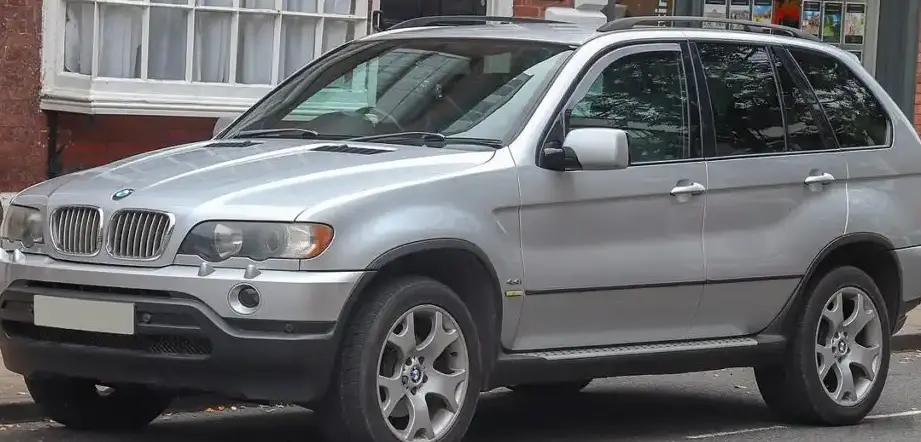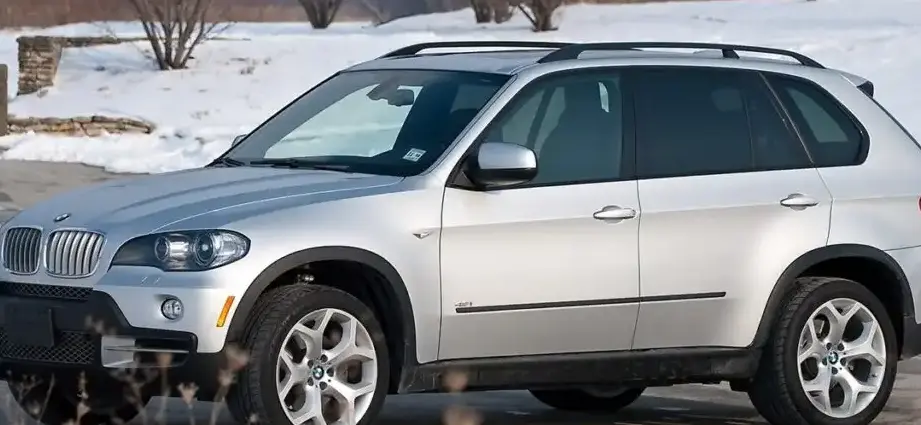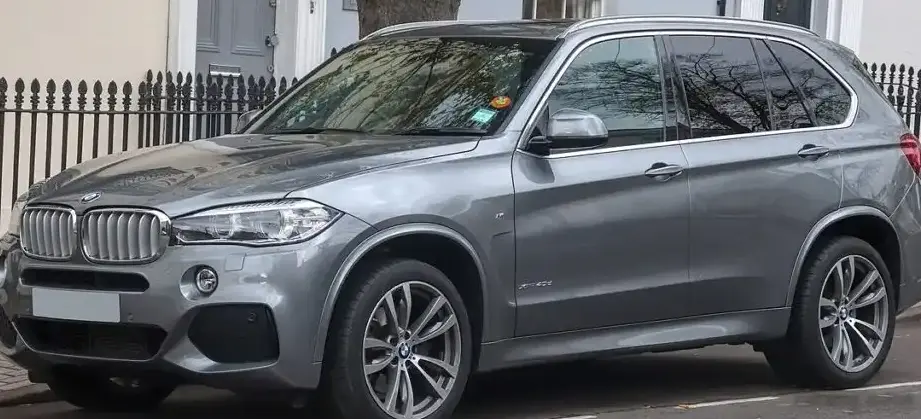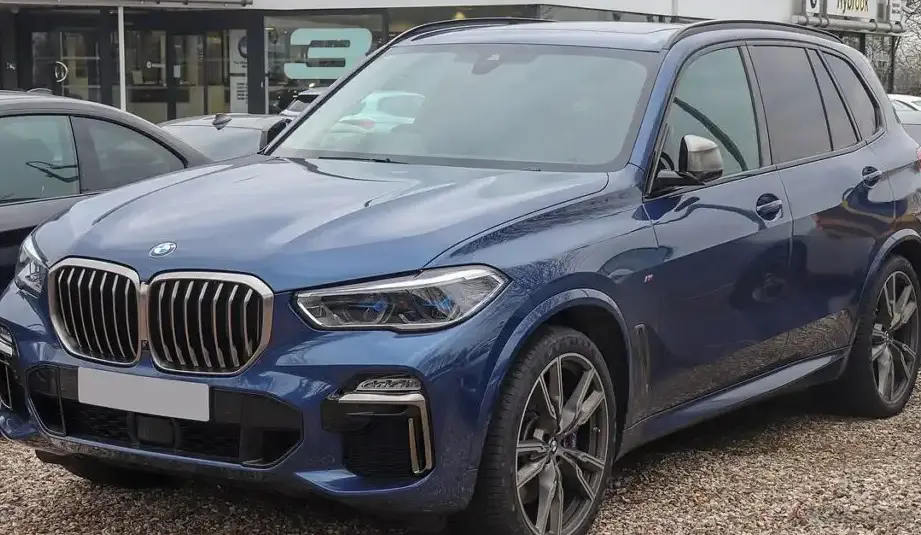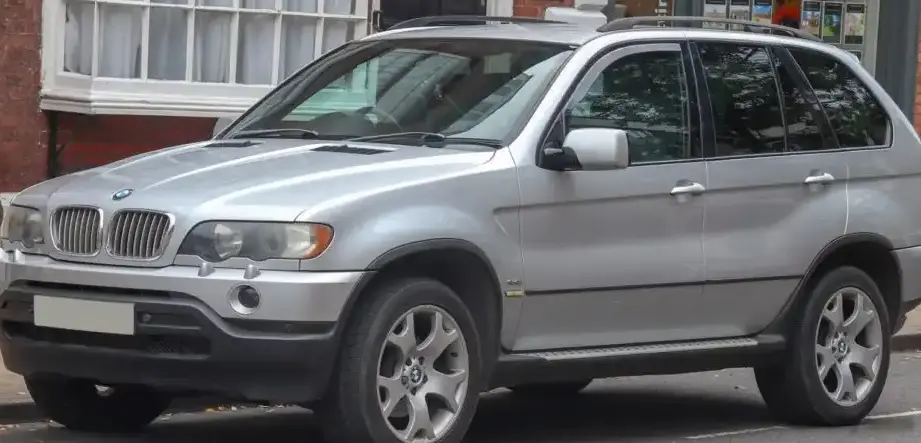
The BMW X5 (E53) 4.4i Steptronic, produced from 2000 to 2003, represented a significant entry for BMW into the burgeoning luxury SUV market. Positioned as a premium offering within the E53 X5 range, the 4.4i was the top-tier engine option available with BMW’s five-speed “Steptronic” automatic transmission. It aimed to deliver a blend of performance, luxury, and all-weather capability, appealing to buyers seeking a sportier alternative to traditional SUVs. The E53 X5 was BMW’s first dedicated SUV platform, and the 4.4i variant showcased the brand’s engineering prowess with its naturally aspirated V8 engine.
Technical Specifications
| Brand | BMW |
| Model | X5 |
| Generation | X5 (E53) |
| Type (Engine) | 4.4i (286 Hp) Steptronic |
| Start of production | 2000 |
| End of production | 2003 |
| Powertrain Architecture | Internal Combustion engine |
| Body type | SUV |
| Seats | 5 |
| Doors | 5 |
| Fuel consumption (economy) – urban | 18.8 l/100 km (12.5 US mpg, 15 UK mpg, 5.3 km/l) |
| Fuel consumption (economy) – extra urban | 11.1 l/100 km (21.2 US mpg, 25.4 UK mpg, 9 km/l) |
| Fuel consumption (economy) – combined | 13.9 l/100 km (16.9 US mpg, 20.3 UK mpg, 7.2 km/l) |
| Fuel Type | Petrol (Gasoline) |
| Acceleration 0 – 100 km/h | 7.5 sec |
| Acceleration 0 – 62 mph | 7.5 sec |
| Acceleration 0 – 60 mph | 7.1 sec |
| Maximum speed | 210 km/h (130.49 mph) |
| Weight-to-power ratio | 7.3 kg/Hp, 137.2 Hp/tonne |
| Weight-to-torque ratio | 4.7 kg/Nm, 211 Nm/tonne |
| Power | 286 Hp @ 5400 rpm |
| Power per litre | 65 Hp/l |
| Torque | 440 Nm @ 3600 rpm (324.53 lb.-ft. @ 3600 rpm) |
| Engine layout | Front, Longitudinal |
| Engine Model/Code | M62B44 |
| Engine displacement | 4398 cm3 (268.38 cu. in.) |
| Number of cylinders | 8 |
| Engine configuration | V-engine |
| Cylinder Bore | 92 mm (3.62 in.) |
| Piston Stroke | 82.7 mm (3.26 in.) |
| Compression ratio | 10:1 |
| Number of valves per cylinder | 4 |
| Fuel injection system | Multi-port manifold injection |
| Engine aspiration | Naturally aspirated engine |
| Valvetrain | DOHC |
| Engine oil capacity | 8 l (8.45 US qt | 7.04 UK qt) |
| Coolant | 12 l (12.68 US qt | 10.56 UK qt) |
| Kerb Weight | 2085 kg (4596.64 lbs.) |
| Max. weight | 2650 kg (5842.25 lbs.) |
| Max load | 565 kg (1245.61 lbs.) |
| Trunk (boot) space – minimum | 465 l (16.42 cu. ft.) |
| Trunk (boot) space – maximum | 1550 l (54.74 cu. ft.) |
| Fuel tank capacity | 92 l (24.3 US gal | 20.24 UK gal) |
| Max. roof load | 150 kg (330.69 lbs.) |
| Permitted trailer load with brakes (12%) | 750 kg (1653.47 lbs.) |
| Length | 4666 mm (183.7 in.) |
| Width | 1872 mm (73.7 in.) |
| Height | 1717 mm (67.6 in.) |
| Wheelbase | 2820 mm (111.02 in.) |
| Front track | 1576 mm (62.05 in.) |
| Rear (Back) track | 1576 mm (62.05 in.) |
| Drag coefficient (Cd) | 0.36 |
| Minimum turning circle (turning diameter) | 12.1 m (39.7 ft.) |
| Drive wheel | All wheel drive (4×4) |
| Number of gears and type of gearbox | 5 gears, automatic transmission |
| Front suspension | Double wishbone |
| Rear suspension | Independent multi-link suspension |
| Front brakes | Ventilated discs, 332 mm |
| Rear brakes | Disc, 324 mm |
| Assisting systems | ABS (Anti-lock braking system) |
| Steering type | Steering rack and pinion |
| Power steering | Hydraulic Steering |
| Tires size | 225/55 R18; 255/50 R19; 285/45 R19 |
| Wheel rims size | 8.5J x 18; 9J x 19; 10J x 19 |
Powertrain & Engine Architecture
The heart of the X5 4.4i Steptronic is the M62B44 engine, a 4.4-liter naturally aspirated V8. This engine, a cornerstone of BMW’s V8 offerings in the late 1990s and early 2000s, features a cast aluminum block and cylinder heads. It utilizes a double overhead camshaft (DOHC) valvetrain with four valves per cylinder, contributing to its strong power output. Fuel delivery is managed by a multi-port fuel injection system. The M62B44 is known for its smooth power delivery and characteristic V8 sound. The “Steptronic” transmission is a five-speed automatic with a manual shift mode, allowing drivers some control over gear selection. This transmission was designed to handle the substantial torque produced by the V8 engine.
Driving Characteristics
The X5 4.4i Steptronic offered a noticeably different driving experience compared to the lower-displacement, inline-six cylinder models. The V8 provided ample power for confident acceleration and effortless highway cruising. The 0-60 mph time of around 7.1 seconds was respectable for an SUV of its size and weight. The automatic transmission, while smooth, wasn’t as quick to downshift as some later transmissions, and the manual shift mode felt somewhat less responsive than dedicated manual gearboxes. The all-wheel-drive system provided excellent traction in various conditions, enhancing stability and control. The weight distribution, while not ideal, was managed well by the sophisticated suspension system.
Equipment & Trim Levels
The 4.4i Steptronic typically came well-equipped, reflecting its position as the range-topping model. Standard features included leather upholstery, power-adjustable front seats with memory function, automatic climate control, a premium sound system, and a sunroof. Optional extras included navigation, upgraded leather, rear seat entertainment, and various cosmetic enhancements. The interior design was typical BMW of the era, emphasizing a driver-focused layout with high-quality materials. Wood trim was commonly used to enhance the luxurious feel of the cabin.
Chassis & Braking
The X5 E53 featured a robust chassis with a double wishbone front suspension and an independent multi-link rear suspension. This setup provided a comfortable ride while maintaining good handling characteristics. The 4.4i models typically came with larger brakes than the lower-trim levels, featuring ventilated discs at all four corners. Anti-lock brakes (ABS) were standard. The steering was a hydraulic rack-and-pinion system, offering precise and responsive control. Stabilizer bars were fitted front and rear to reduce body roll during cornering.
Market Reception & Comparison
The X5 4.4i Steptronic was generally well-received by automotive critics. It was praised for its powerful engine, luxurious interior, and capable handling. However, its fuel economy was a common criticism, with combined fuel consumption averaging around 16.9 US mpg. Compared to the X5 3.0i (inline-six), the 4.4i offered significantly more performance but at the cost of increased fuel consumption and a higher purchase price. The 4.4i also differed from the diesel-powered X5 models (like the 3.0d) in terms of engine character and refinement. The V8 offered a smoother and more refined driving experience than the diesel engines.
Legacy
The M62B44 engine, while known for its reliability, can require maintenance as it ages. Common issues include oil leaks, cooling system failures, and occasional problems with the VANOS variable valve timing system. The Steptronic transmission is generally durable but may require servicing to maintain smooth operation. Today, the X5 4.4i Steptronic represents an affordable entry point into the BMW V8 SUV experience. Well-maintained examples are sought after by enthusiasts who appreciate the combination of performance, luxury, and classic BMW styling. Its status as a pioneering luxury SUV has cemented its place in automotive history.