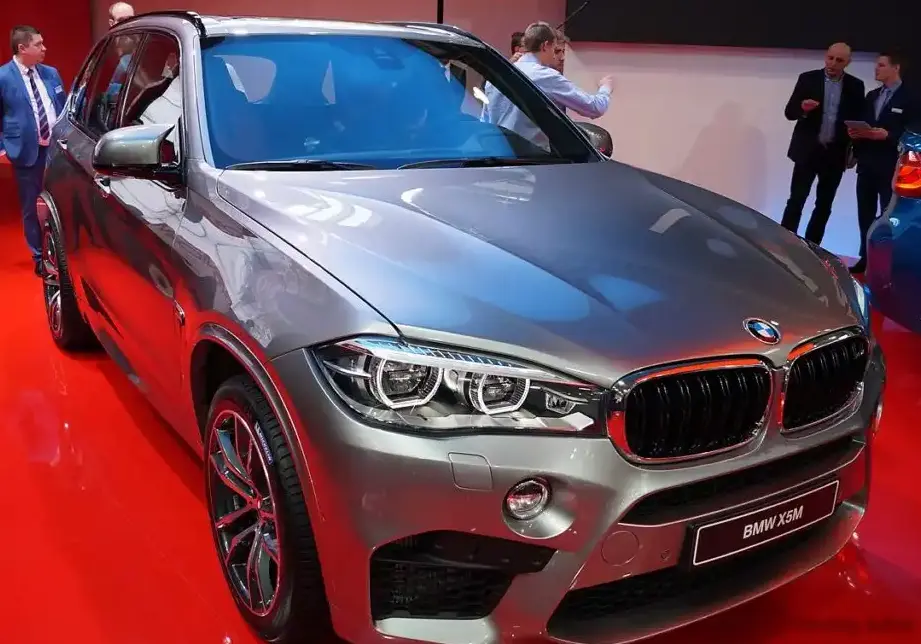
The BMW X5 (E70) 3.0d, produced from 2007 to 2008, represented a significant entry point into the second-generation X5 lineup. Positioned as a mid-range offering, it provided a balance between performance and fuel efficiency within the broader E70 range, which also included higher-output gasoline engines and more economical four-cylinder diesels. This variant, powered by the M57D30TU2 engine, was primarily aimed at buyers seeking a luxurious SUV with respectable power and torque for towing and everyday driving, while maintaining reasonable running costs. The E70 X5, as a whole, aimed to elevate BMW’s presence in the burgeoning luxury SUV segment, competing directly with vehicles like the Porsche Cayenne and Range Rover.
Technical Specifications
| Brand | BMW |
| Model | X5 |
| Generation | X5 (E70) |
| Type (Engine) | 3.0d (235 Hp) DPF |
| Start of production | 2007 |
| End of production | 2008 |
| Powertrain Architecture | Internal Combustion engine |
| Body type | SUV |
| Seats | 5 |
| Doors | 5 |
| Fuel consumption (urban) | 10.2 l/100 km (23.1 US mpg) |
| Fuel consumption (extra urban) | 6.9 l/100 km (34.1 US mpg) |
| Fuel consumption (combined) | 8.1 l/100 km (29 US mpg) |
| Fuel Type | Diesel |
| Acceleration 0 – 100 km/h | 8.1 sec |
| Acceleration 0 – 62 mph | 8.1 sec |
| Acceleration 0 – 60 mph | 7.7 sec |
| Maximum speed | 216 km/h (134.22 mph) |
| Emission standard | Euro 4 |
| Weight-to-power ratio | 9.1 kg/Hp |
| Weight-to-torque ratio | 4.1 kg/Nm |
| Power | 235 Hp @ 4000 rpm |
| Torque | 520 Nm @ 1750-3000 rpm (383.53 lb.-ft.) |
| Engine layout | Front, Longitudinal |
| Engine Model/Code | M57D30TU2 |
| Engine displacement | 2993 cm3 (182.64 cu. in.) |
| Number of cylinders | 6 |
| Engine configuration | Inline |
| Cylinder Bore | 84 mm (3.31 in.) |
| Piston Stroke | 90 mm (3.54 in.) |
| Compression ratio | 17:1 |
| Number of valves per cylinder | 4 |
| Fuel injection system | Diesel Commonrail |
| Engine aspiration | Turbocharger, Intercooler |
| Engine oil capacity | 7.3 l (7.71 US qt | 6.42 UK qt) |
| Coolant capacity | 10.4 l (10.99 US qt | 9.15 UK qt) |
| Kerb Weight | 2150 kg (4739.94 lbs.) |
| Max. weight | 2755 kg (6073.74 lbs.) |
| Max load | 605 kg (1333.8 lbs.) |
| Trunk (boot) space – minimum | 620 l (21.9 cu. ft.) |
| Fuel tank capacity | 85 l (22.45 US gal | 18.7 UK gal) |
| Length | 4854 mm (191.1 in.) |
| Width | 1933 mm (76.1 in.) |
| Height | 1766 mm (69.53 in.) |
| Wheelbase | 2933 mm (115.47 in.) |
| Front track | 1644 mm (64.72 in.) |
| Rear track | 1650 mm (64.96 in.) |
| Drive wheel | All wheel drive (4×4) |
| Number of gears | 6 |
| Gearbox type | Automatic transmission |
| Front suspension | Double wishbone |
| Rear suspension | Independent multi-link suspension |
| Front brakes | Ventilated discs |
| Rear brakes | Disc |
| Assisting systems | ABS (Anti-lock braking system) |
| Steering type | Steering rack and pinion |
| Tires size | 255/55 R18 |
| Wheel rims size | 18 |
INTRODUCTION
The BMW X5 (E70) 3.0d, manufactured between 2007 and 2008, was a key variant within the second-generation X5 (E70) series. Built on the 1HX0 platform, this model offered a compelling combination of luxury, practicality, and performance. It served as a popular choice for European buyers, where diesel engines were favored for their fuel efficiency and torque. In the US market, while less common than its gasoline counterparts, the 3.0d appealed to those seeking a more economical SUV without sacrificing the BMW driving experience. The E70 X5 represented a move upmarket for BMW’s SUV offerings, with a greater emphasis on interior refinement and advanced technology.
Powertrain & Engine Architecture
At the heart of the X5 3.0d lies the M57D30TU2, a 3.0-liter inline-six diesel engine. This engine is a direct descendant of BMW’s highly regarded M57 series, known for its durability and strong performance. The ‘TU2’ designation indicates an updated version of the engine, incorporating improvements to the fuel injection system and turbocharger. The engine utilizes a second-generation common rail direct injection system, delivering fuel at extremely high pressures for optimized combustion. A variable geometry turbocharger (VGT) with an intercooler further enhances performance and responsiveness. The engine produces 235 horsepower at 4000 rpm and a substantial 520 Nm (383 lb-ft) of torque between 1750 and 3000 rpm. This torque output is a defining characteristic of the engine, providing strong acceleration and effortless cruising. The engine is paired with a six-speed automatic transmission, specifically the ZF 6HP26, known for its smooth shifting and reliability. This transmission is electronically controlled and features adaptive shift programs to optimize performance and fuel economy based on driving conditions.
Driving Characteristics
The X5 3.0d’s driving experience is characterized by its smooth power delivery and comfortable ride. The abundant torque from the M57D30TU2 engine allows for brisk acceleration, with the 0-60 mph sprint taking approximately 7.7 seconds. While not as overtly sporty as the higher-powered gasoline versions, the 3.0d offers more than enough performance for most drivers. The six-speed automatic transmission contributes to a relaxed driving experience, with well-chosen gear ratios that keep the engine in its optimal power band. Compared to the manual transmission options available on other X5 models, the automatic prioritizes comfort and ease of use. The automatic transmission does slightly diminish the sense of driver engagement, but it makes the X5 3.0d a more accessible and user-friendly vehicle for a wider range of drivers. The X5’s all-wheel-drive system provides excellent traction in all weather conditions, enhancing stability and confidence.
Equipment & Trim Levels
The X5 3.0d typically came well-equipped, reflecting BMW’s luxury positioning. Standard features included leather upholstery, automatic climate control, a multi-function steering wheel, and a premium sound system. Depending on the market and optional packages selected, additional features could include power-adjustable seats with memory function, a sunroof, navigation system, and parking sensors. Interior trim options varied, with choices ranging from wood veneers to aluminum accents. The standard dashboard configuration featured analog gauges with a central information display. Optional extras included upgraded leather packages, rear-seat entertainment systems, and active suspension. The 3.0d trim generally sat in the middle of the X5 lineup, offering a good balance of features and price. It was positioned below the higher-performance xDrive 4.8i and xDrive 5.0i models, but above the entry-level 2.3i.
Chassis & Braking
The E70 X5 features a robust chassis designed to handle the vehicle’s weight and provide a comfortable ride. The front suspension utilizes a double wishbone design, while the rear suspension employs an independent multi-link setup. This configuration provides excellent wheel control and minimizes body roll. The X5 3.0d typically came equipped with ventilated disc brakes at the front and solid disc brakes at the rear. Anti-lock braking system (ABS) was standard, along with electronic brake-force distribution (EBD). The steering system is a rack-and-pinion setup with hydraulic power assistance, providing precise and responsive steering feel. The standard tire size was 255/55 R18, mounted on 18-inch alloy wheels. The suspension tuning was geared towards comfort, but still provided a reasonably controlled driving experience.
Market Reception & Comparison
The X5 3.0d was generally well-received by automotive critics, who praised its strong engine, comfortable ride, and luxurious interior. Fuel economy was a significant selling point, particularly in Europe, where diesel fuel was more affordable than gasoline. Compared to the gasoline-powered X5 models, the 3.0d offered comparable performance with significantly better fuel efficiency. However, some critics noted that the diesel engine was slightly noisier and less refined than the gasoline engines. In terms of reliability, the M57D30TU2 engine proved to be quite durable, although the diesel particulate filter (DPF) could be prone to clogging if the vehicle was primarily used for short trips. Compared to competitors like the Porsche Cayenne Diesel, the X5 3.0d offered a more practical and spacious interior, but lacked the Cayenne’s outright sporting character.
Legacy
The BMW X5 (E70) 3.0d has proven to be a relatively reliable vehicle in the used car market. The M57D30TU2 engine is known for its longevity, and with proper maintenance, can easily exceed 200,000 miles. However, potential buyers should be aware of the potential for DPF issues and the need for regular servicing. The E70 X5 3.0d remains a popular choice for those seeking a luxurious and capable SUV with good fuel economy. Its blend of performance, comfort, and practicality has ensured its continued appeal in the used car market, making it a solid option for buyers looking for a well-rounded luxury SUV.