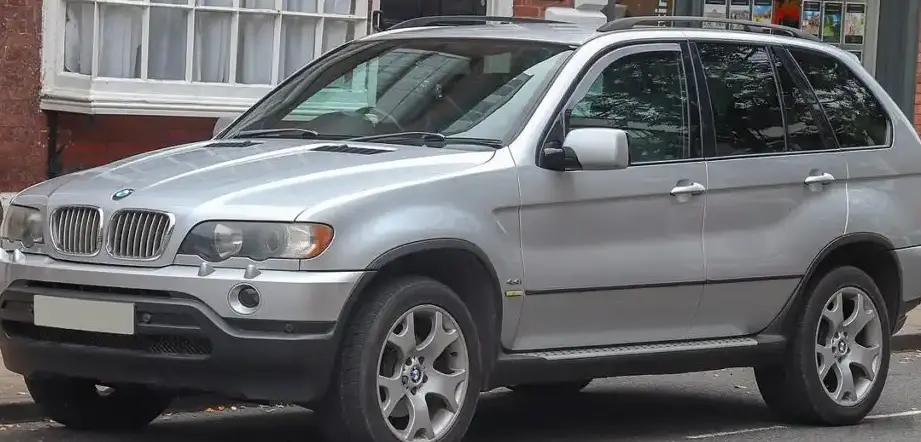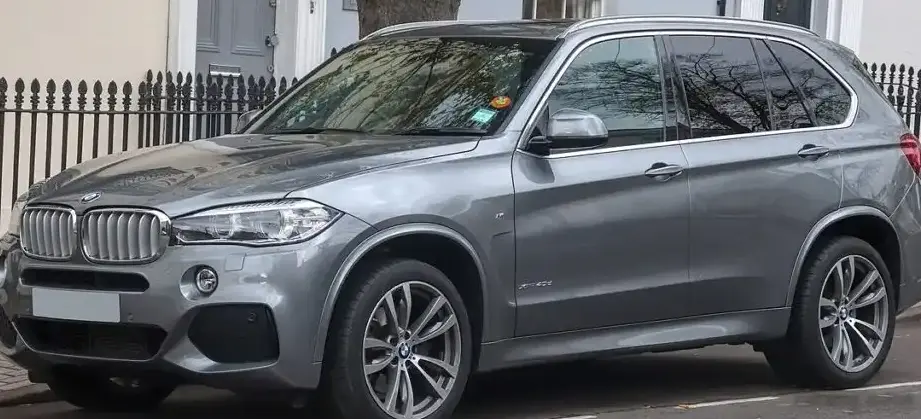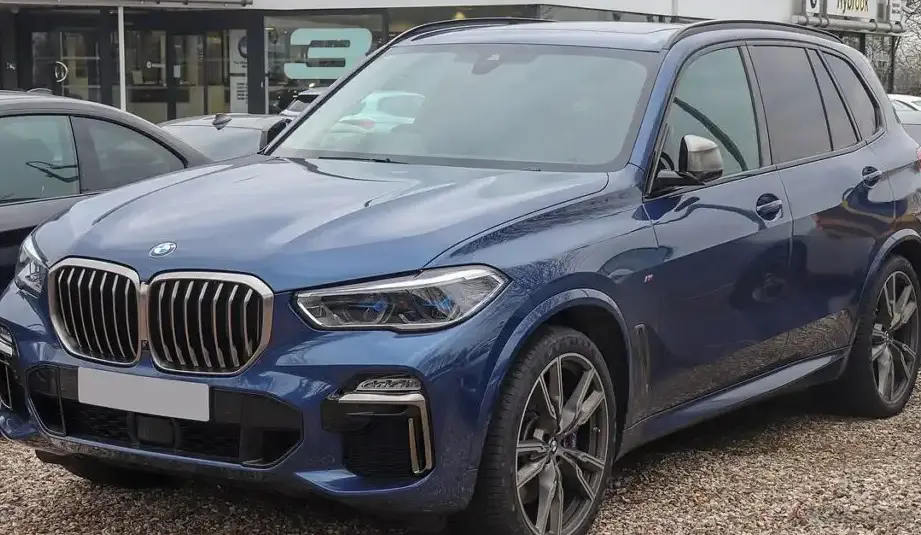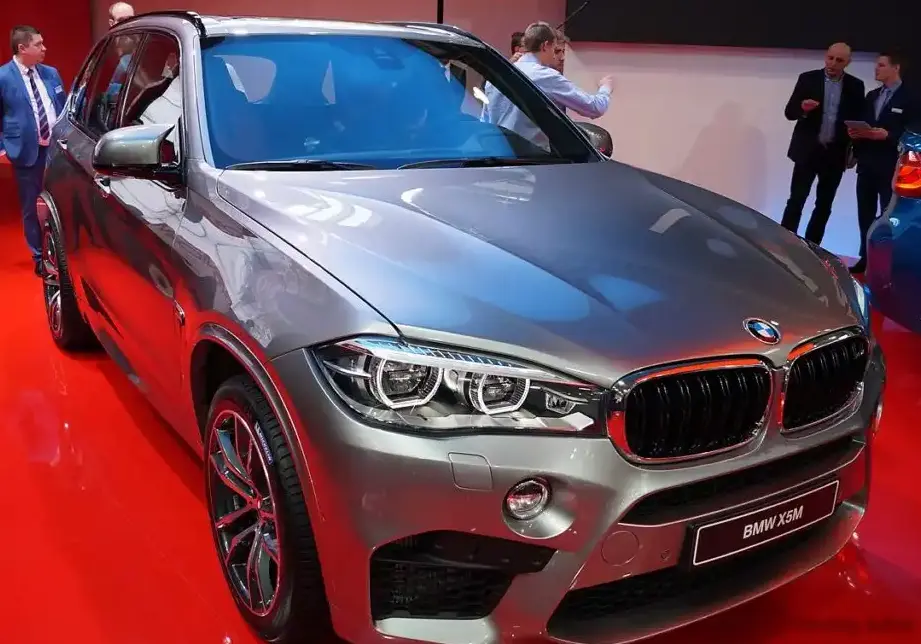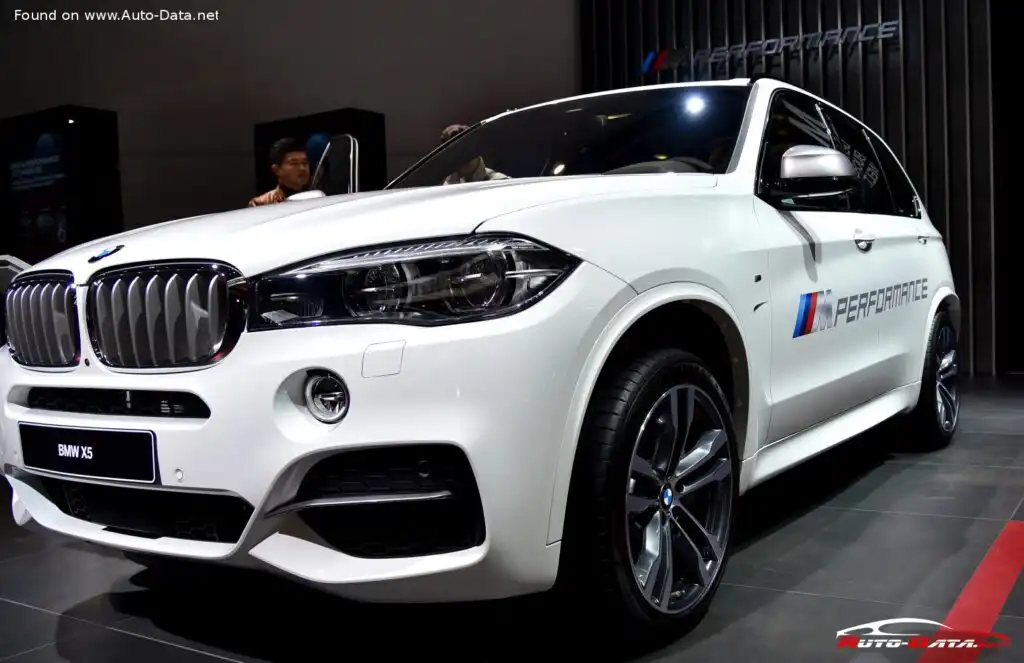
The BMW X5 (F15) 25d xDrive Steptronic, produced from 2013 to 2015, represents a key variant within the second generation of BMW’s popular Sports Activity Vehicle (SAV). Positioned as a diesel-powered, mid-range offering, the 25d aimed to balance fuel efficiency with respectable performance and the all-weather capability of BMW’s xDrive all-wheel-drive system. It served as an alternative to the more powerful gasoline engines and the higher-output diesel variants within the F15 X5 lineup, appealing to buyers prioritizing economy and practicality without sacrificing the X5’s core luxury and driving experience. This model was primarily marketed in Europe and other regions where diesel engines held significant market share.
Technical Specifications
| Brand | BMW |
| Model | X5 |
| Generation | X5 (F15) |
| Type (Engine) | 25d (218 Hp) xDrive Steptronic |
| Start of production | 2013 |
| End of production | 2015 |
| Powertrain Architecture | Internal Combustion engine |
| Body type | SAV |
| Seats | 5-7 |
| Doors | 5 |
| Fuel consumption (urban) | 6.7-6.8 l/100 km (35.1 – 34.6 US mpg, 42.2 – 41.5 UK mpg, 14.9 – 14.7 km/l) |
| Fuel consumption (extra urban) | 5.3-5.4 l/100 km (44.4 – 43.6 US mpg, 53.3 – 52.3 UK mpg, 18.9 – 18.5 km/l) |
| Fuel consumption (combined) | 5.8-5.9 l/100 km (40.6 – 39.9 US mpg, 48.7 – 47.9 UK mpg, 17.2 – 16.9 km/l) |
| CO2 emissions | 154-156 g/km |
| Fuel Type | Diesel |
| Acceleration 0 – 100 km/h | 8.2 sec |
| Acceleration 0 – 62 mph | 8.2 sec |
| Acceleration 0 – 60 mph | 7.8 sec |
| Maximum speed | 220 km/h (136.7 mph) |
| Emission standard | Euro 6 |
| Weight-to-power ratio | 9.4 kg/Hp, 106.9 Hp/tonne |
| Weight-to-torque ratio | 4.5 kg/Nm, 220.6 Nm/tonne |
| Power | 218 Hp @ 4400 rpm |
| Power per litre | 109.3 Hp/l |
| Torque | 450 Nm @ 1500-2500 rpm (331.9 lb.-ft. @ 1500-2500 rpm) |
| Engine layout | Front, Longitudinal |
| Engine Model/Code | N47D20D |
| Engine displacement | 1995 cm3 (121.74 cu. in.) |
| Number of cylinders | 4 |
| Engine configuration | Inline |
| Cylinder Bore | 84 mm (3.31 in.) |
| Piston Stroke | 90 mm (3.54 in.) |
| Compression ratio | 16.5:1 |
| Number of valves per cylinder | 4 |
| Fuel injection system | Diesel Commonrail |
| Engine aspiration | Twin-power turbo, Intercooler |
| Engine oil capacity | 5.2 l (5.49 US qt | 4.58 UK qt) |
| Coolant | 7.2 l (7.61 US qt | 6.34 UK qt) |
| Kerb Weight | 2040 kg (4497.43 lbs.) |
| Max. weight | 2750 kg (6062.71 lbs.) |
| Max load | 710 kg (1565.28 lbs.) |
| Trunk (boot) space – minimum | 650 l (22.95 cu. ft.) |
| Trunk (boot) space – maximum | 1870 l (66.04 cu. ft.) |
| Fuel tank capacity | 75 l (19.81 US gal | 16.5 UK gal) |
| Max. roof load | 100 kg (220.46 lbs.) |
| Permitted trailer load with brakes (12%) | 2700 kg (5952.48 lbs.) |
| Permitted trailer load without brakes | 750 kg (1653.47 lbs.) |
| Permitted towbar download | 140 kg (308.65 lbs.) |
| Length | 4886 mm (192.36 in.) |
| Width | 1938 mm (76.3 in.) |
| Width including mirrors | 2184 mm (85.98 in.) |
| Height | 1762 mm (69.37 in.) |
| Wheelbase | 2933 mm (115.47 in.) |
| Front track | 1644 mm (64.72 in.) |
| Rear (Back) track | 1650 mm (64.96 in.) |
| Front overhang | 890 mm (35.04 in.) |
| Rear overhang | 1063 mm (41.85 in.) |
| Ride height (ground clearance) | 209 mm (8.23 in.) |
| Drag coefficient (Cd) | 0.31 |
| Minimum turning circle (turning diameter) | 12.7 m (41.67 ft.) |
| Approach angle | 25° |
| Departure angle | 20° |
| Ramp-over (brakeover) angle | 20° |
| Wading depth | 500 mm (19.69 in.) |
| Drive wheel | All wheel drive (4×4) |
| Number of gears and type of gearbox | 8 gears, automatic transmission Steptronic |
| Front brakes | Ventilated discs |
| Rear brakes | Ventilated discs |
INTRODUCTION
The BMW X5 (F15) 25d xDrive Steptronic, launched in 2013, was a significant addition to the second-generation X5 range. Built on the F15 platform, which represented a substantial evolution over its predecessor (E70), the 25d offered a compelling blend of luxury, practicality, and efficiency. It was designed to appeal to a broader customer base, particularly in Europe, where diesel engines were favored for their fuel economy and torque characteristics. The ‘25d’ designation indicated the engine’s approximate power output (25 being a relative figure) and the diesel fuel type. The xDrive system provided all-wheel drive capability, enhancing traction and stability in various driving conditions, while the Steptronic transmission offered smooth and convenient gear changes.
Powertrain & Engine Architecture
At the heart of the X5 25d lies the BMW N47D20D 2.0-liter inline-four cylinder diesel engine. This engine is a member of BMW’s highly regarded N47 family, known for its efficiency and refinement. The N47D20D utilizes a second-generation common rail direct fuel injection system, delivering fuel at extremely high pressures for optimized combustion. A twin-scroll turbocharger with variable geometry turbine (VGT) technology provides enhanced responsiveness and power delivery across the rev range. The engine also features an intercooler to further cool the intake air, increasing density and boosting performance. The 8-speed Steptronic automatic transmission, a hallmark of BMW’s engineering, is paired with the engine. This transmission offers both fully automatic operation and manual gear selection via steering wheel-mounted paddles or the gear selector. The transmission’s wide gear ratio spread contributes to both fuel efficiency and strong acceleration.
Driving Characteristics
The X5 25d, with its 218 horsepower and 450 Nm (331.9 lb-ft) of torque, provided a comfortable and capable driving experience. While not as overtly sporty as the higher-powered X5 variants, the 25d offered ample power for everyday driving and highway cruising. The peak torque, available from 1500-2500 rpm, ensured strong acceleration in most situations. The 8-speed automatic transmission shifted smoothly and efficiently, contributing to a relaxed driving experience. Compared to the manual transmission options available on other X5 models, the Steptronic automatic prioritized convenience and ease of use. Against the more powerful X5 30d or 40d models, the 25d felt less urgent in acceleration, but its lower weight and efficient engine contributed to better fuel economy. The xDrive all-wheel-drive system provided excellent traction and stability, particularly in inclement weather conditions.
Equipment & Trim Levels
The X5 25d xDrive Steptronic typically came well-equipped as standard. Common features included leather upholstery, automatic climate control, a multi-function steering wheel, BMW’s iDrive infotainment system with a central display screen, and a suite of safety features such as ABS, stability control, and multiple airbags. Optional extras included features like a panoramic sunroof, upgraded audio systems (Harman Kardon or Bang & Olufsen), navigation, adaptive cruise control, and various driver assistance systems. Interior trim options varied, allowing buyers to personalize the cabin with different wood or aluminum accents. The standard seats provided good support and comfort, with optional sport seats available for a more focused driving experience.
Chassis & Braking
The F15 X5 featured a robust chassis with a MacPherson strut front suspension and an integral-arm rear suspension. The suspension was tuned to provide a balance between comfort and handling. The 25d model typically utilized ventilated disc brakes on all four wheels, providing ample stopping power. The braking system was enhanced by ABS (Anti-lock Braking System) and electronic brake-force distribution. Stabilizer bars were fitted front and rear to reduce body roll during cornering. The xDrive all-wheel-drive system intelligently distributed torque between the front and rear axles based on driving conditions, optimizing traction and stability. The standard tire size varied depending on the trim level, ranging from 18-inch to 20-inch wheels.
Market Reception & Comparison
The X5 25d was generally well-received by automotive critics, who praised its fuel efficiency, comfortable ride, and refined driving experience. It was often highlighted as a sensible choice for buyers prioritizing practicality and economy over outright performance. Compared to the more powerful X5 variants, the 25d offered a lower price point and significantly better fuel economy. However, some critics noted that its acceleration was not as brisk as that of the 30d or 40d models. In terms of reliability, the N47 engine family had some known issues with timing chain wear, which was a concern for some owners. However, regular maintenance and timely replacement of the timing chain could mitigate this risk.
Legacy
The BMW X5 (F15) 25d xDrive Steptronic remains a popular choice in the used car market, particularly in Europe. Its combination of luxury, practicality, and fuel efficiency continues to appeal to buyers seeking a versatile and capable SUV. While the N47 engine’s potential timing chain issues require attention, the X5 25d, when properly maintained, can provide years of reliable service. The F15 X5 generation as a whole established a strong reputation for build quality and refinement, solidifying the X5’s position as a leading contender in the premium SUV segment. The 25d variant, in particular, demonstrated BMW’s ability to deliver a compelling diesel-powered option that balanced performance, efficiency, and luxury.