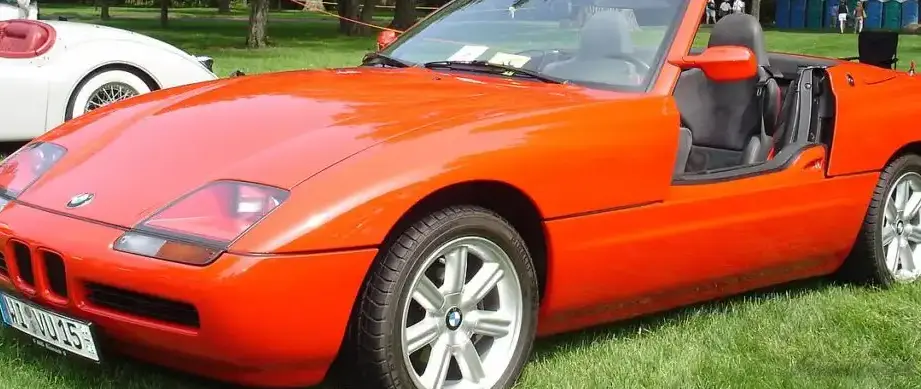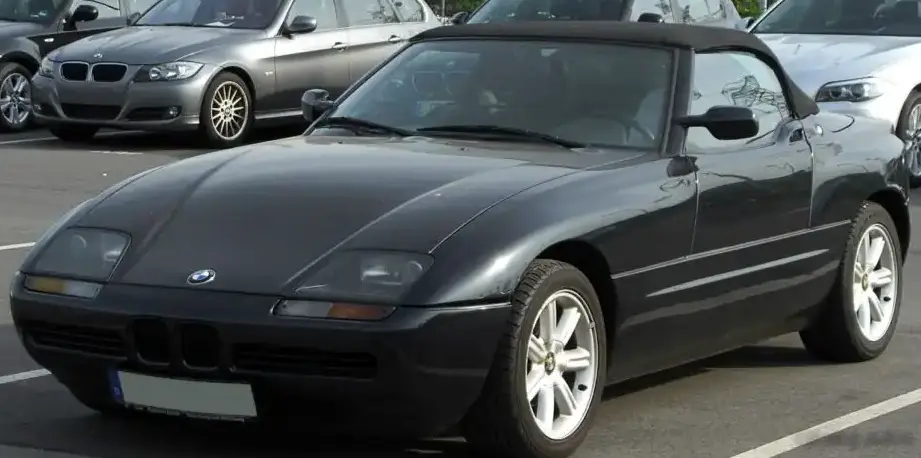
The BMW Z1, produced between 1988 and 1991, represents a unique chapter in BMW’s history. This two-seat roadster, designated internally as the E30, was a bold experiment in plastics technology and a return to BMW’s roots of building sporty, driver-focused automobiles. The 2.5-liter (170 hp) variant, introduced later in the production run, was positioned as the premium offering within the Z1 lineup, providing a noticeable performance upgrade over the earlier 1.8-liter models. It was primarily sold in Europe, serving as a niche vehicle appealing to enthusiasts seeking an open-air driving experience with BMW’s renowned handling characteristics. The Z1’s most distinctive feature is its thermoplastic exterior body panels, a revolutionary approach for a production car at the time.
Technical Specifications
| Brand | BMW |
| Model | Z1 |
| Generation | Z1 (E30) |
| Type (Engine) | 2.5 (170 Hp) |
| Start of production | 1988 |
| End of production | 1991 |
| Powertrain Architecture | Internal Combustion engine |
| Body type | Cabriolet |
| Seats | 2 |
| Doors | 2 |
| Fuel consumption (urban) | 12.9 l/100 km (18.2 US mpg, 21.9 UK mpg) |
| Fuel consumption (extra urban) | 6.8 l/100 km (34.6 US mpg, 41.5 UK mpg) |
| Fuel consumption (combined) | 8.4 l/100 km (28 US mpg, 33.6 UK mpg) |
| Fuel Type | Petrol (Gasoline) |
| Acceleration 0 – 100 km/h | 7.9 sec |
| Acceleration 0 – 62 mph | 7.9 sec |
| Acceleration 0 – 60 mph | 7.5 sec |
| Maximum speed | 225 km/h (139.81 mph) |
| Weight-to-power ratio | 7.4 kg/Hp |
| Weight-to-torque ratio | 5.6 kg/Nm |
| Power | 170 Hp @ 5800 rpm |
| Power per litre | 68.2 Hp/l |
| Torque | 222 Nm @ 4300 rpm (163.74 lb.-ft. @ 4300 rpm) |
| Engine layout | Front, Longitudinal |
| Engine Model/Code | M20B25 |
| Engine displacement | 2494 cm3 (152.19 cu. in.) |
| Number of cylinders | 6 |
| Engine configuration | Inline |
| Cylinder Bore | 84 mm (3.31 in.) |
| Piston Stroke | 75 mm (2.95 in.) |
| Compression ratio | 8.8:1 |
| Number of valves per cylinder | 2 |
| Fuel injection system | Multi-port manifold injection |
| Engine aspiration | Naturally aspirated engine |
| Valvetrain | OHC |
| Engine oil capacity | 4.25 l (4.49 US qt | 3.74 UK qt) |
| Coolant | 10.5 l (11.1 US qt | 9.24 UK qt) |
| Kerb Weight | 1250 kg (2755.78 lbs.) |
| Max. weight | 1460 kg (3218.75 lbs.) |
| Max load | 210 kg (462.97 lbs.) |
| Trunk (boot) space – minimum | 260 l (9.18 cu. ft.) |
| Fuel tank capacity | 58 l (15.32 US gal | 12.76 UK gal) |
| Length | 3920 mm (154.33 in.) |
| Width | 1690 mm (66.54 in.) |
| Height | 1275 mm (50.2 in.) |
| Wheelbase | 2445 mm (96.26 in.) |
| Front track | 1455 mm (57.28 in.) |
| Rear (Back) track | 1470 mm (57.87 in.) |
| Drivetrain Architecture | Rear wheel drive |
| Number of gears | 5 gears, manual transmission |
| Front suspension | Coil spring |
| Rear suspension | Coil spring |
| Front brakes | Disc |
| Rear brakes | Disc |
| Assisting systems | ABS (Anti-lock braking system) |
| Steering type | Steering rack and pinion |
| Power steering | Hydraulic Steering |
| Tires size | 225/45 R16 |
| Wheel rims size | 16 |
Powertrain & Engine Architecture
The Z1 2.5 was powered by BMW’s M20B25 inline-six engine, a 2.5-liter naturally aspirated powerplant. This engine, a derivative of the widely-respected M20 series, featured a cast iron block and an aluminum cylinder head. It utilized Bosch Motronic fuel injection and a single overhead camshaft (OHC) design. The M20B25 produced 170 horsepower at 5800 rpm and 222 Nm (163.74 lb-ft) of torque at 4300 rpm. The engine’s longitudinal front-engine layout and rear-wheel drive configuration contributed to the Z1’s balanced handling. The 2.5-liter engine was paired exclusively with a five-speed manual transmission, offering precise gear changes and enhancing the driving experience. The engine oil capacity was 4.25 liters, and the cooling system held 10.5 liters of coolant.
Driving Characteristics
The Z1 2.5 offered a significantly more engaging driving experience than the earlier 1.8-liter models. The increased power and torque of the M20B25 engine provided noticeably quicker acceleration – 0 to 60 mph in approximately 7.5 seconds and a top speed of 139.81 mph. The five-speed manual transmission allowed drivers to fully exploit the engine’s powerband. The Z1’s relatively lightweight construction (1250 kg / 2755.78 lbs) and well-tuned suspension contributed to its agile handling and precise steering. Compared to the 1.8-liter Z1, the 2.5 felt more confident at higher speeds and offered a more rewarding experience for spirited driving. The gear ratios were well-matched to the engine’s characteristics, providing strong acceleration in each gear.
Equipment & Trim Levels
The Z1 2.5 was generally well-equipped, reflecting its position as the premium variant. Standard features included leather upholstery, power windows, central locking, and an anti-lock braking system (ABS). The interior design was functional and driver-focused, with a clear instrument cluster and ergonomically placed controls. Optional extras included a sports suspension, upgraded sound system, and a limited-slip differential. The exterior was typically finished in a range of vibrant colors, and the distinctive roadster styling, with its low-slung profile and unique door design, made it instantly recognizable.
Chassis & Braking
The Z1 featured a robust chassis with independent suspension at all four wheels. The front suspension utilized coil springs and MacPherson struts, while the rear suspension employed semi-trailing arms and coil springs. This setup provided a comfortable ride and excellent handling characteristics. The braking system consisted of ventilated disc brakes on all four wheels, providing ample stopping power. The ABS system further enhanced safety by preventing wheel lockup during hard braking. The steering was a rack-and-pinion system with hydraulic power assistance, offering precise and responsive steering feel.
Market Reception & Comparison
The BMW Z1 2.5 was generally well-received by automotive critics, who praised its unique design, engaging driving dynamics, and high-quality construction. However, its relatively high price and limited production run meant it remained a niche vehicle. Compared to the 1.8-liter Z1, the 2.5 offered a significant performance upgrade, but at a higher cost. It also provided a more refined driving experience, making it a more appealing option for enthusiasts seeking a premium roadster. Fuel economy was reasonable for a sports car of its era, averaging around 28 US mpg in combined driving.
Legacy
The BMW Z1, while not a commercial blockbuster, remains a highly sought-after classic car. Its innovative use of plastics technology and its focus on driving pleasure have cemented its place in automotive history. The M20B25 engine is known for its reliability and durability, and well-maintained Z1s continue to provide years of enjoyment to their owners. Today, the Z1 2.5 commands a premium in the used car market, appealing to collectors and enthusiasts who appreciate its unique design and engaging driving experience. Its influence can be seen in later BMW roadster models, such as the Z3 and Z4, which continued the tradition of building sporty, driver-focused automobiles.