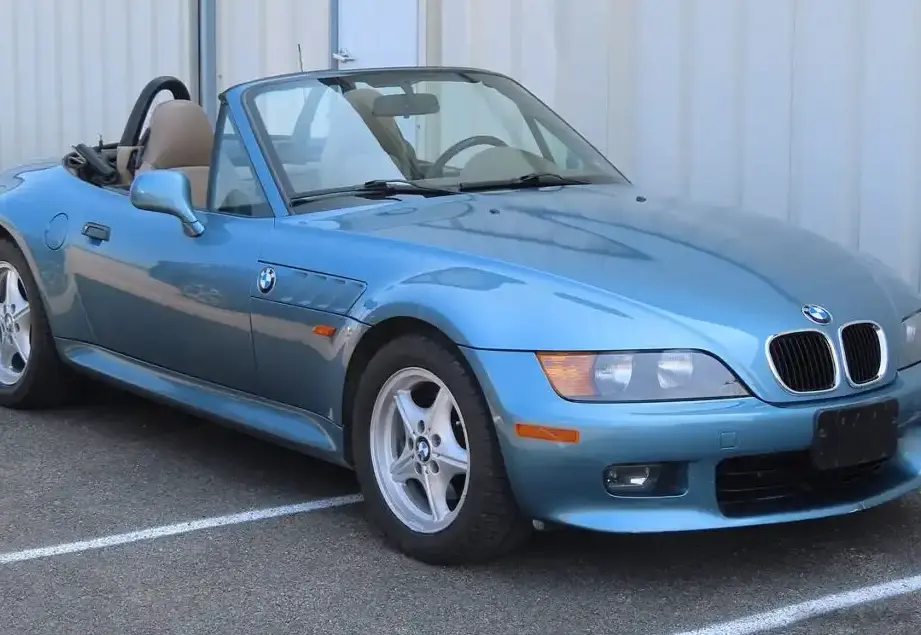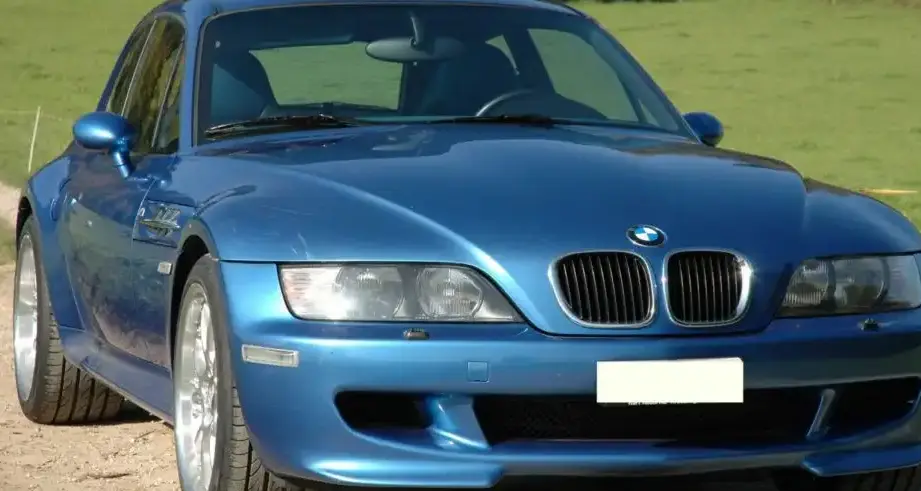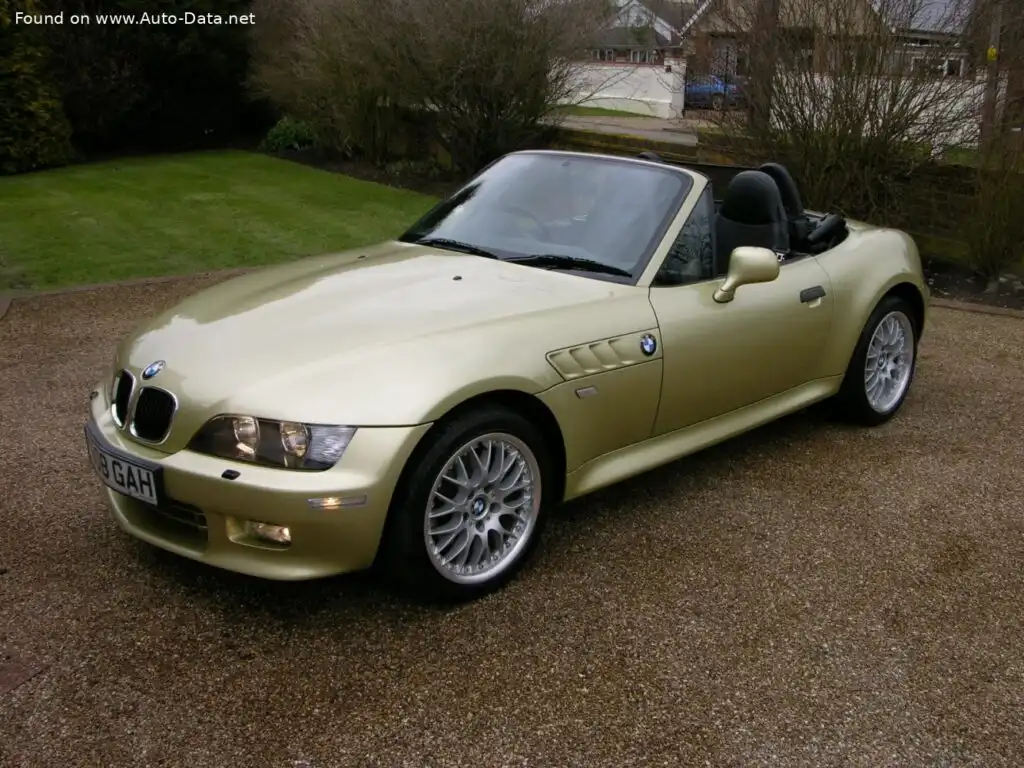
The BMW Z3 (E36/7) 1.8, produced from 1995 to 1998, represented the entry point into BMW’s popular two-seat roadster lineup. Positioned as the most accessible version of the first-generation Z3, it aimed to bring the BMW roadster experience to a wider audience. The Z3 itself was a significant model for BMW, designed to recapture the spirit of the classic BMW 507 and provide a direct competitor to the Mazda MX-5 Miata. The 1.8-liter variant, while not the most powerful in the range, played a crucial role in establishing the Z3’s market presence, particularly in Europe and North America.
Technical Specifications
| Brand | BMW |
| Model | Z3 |
| Generation | Z3 (E36/7) |
| Type (Engine) | 1.8 (115 Hp) |
| Start of production | 1995 |
| End of production | 1998 |
| Powertrain Architecture | Internal Combustion engine |
| Body type | Roadster |
| Seats | 2 |
| Doors | 2 |
| Fuel consumption (urban) | 10.9 l/100 km (21.6 US mpg) |
| Fuel consumption (extra urban) | 5.9 l/100 km (39.9 US mpg) |
| Fuel Type | Petrol (Gasoline) |
| Acceleration 0 – 100 km/h | 10.5 sec |
| Acceleration 0 – 62 mph | 10.5 sec |
| Acceleration 0 – 60 mph | 10 sec |
| Maximum speed | 194 km/h (120.55 mph) |
| Weight-to-power ratio | 10.1 kg/Hp |
| Weight-to-torque ratio | 6.9 kg/Nm |
| Power | 115 Hp @ 5500 rpm |
| Power per litre | 64 Hp/l |
| Torque | 168 Nm @ 3900 rpm (123.91 lb.-ft. @ 3900 rpm) |
| Engine layout | Front, Longitudinal |
| Engine Model/Code | M43B18 |
| Engine displacement | 1798 cm3 (109.72 cu. in.) |
| Number of cylinders | 4 |
| Engine configuration | Inline |
| Cylinder Bore | 84 mm (3.31 in.) |
| Piston Stroke | 81 mm (3.19 in.) |
| Compression ratio | 9.7:1 |
| Number of valves per cylinder | 2 |
| Fuel injection system | Multi-port manifold injection |
| Engine aspiration | Naturally aspirated engine |
| Engine oil capacity | 4 l (4.23 US qt | 3.52 UK qt) |
| Coolant capacity | 6.2 l (6.55 US qt | 5.46 UK qt) |
| Kerb Weight | 1160 kg (2557.36 lbs.) |
| Max. weight | 1410 kg (3108.52 lbs.) |
| Max load | 250 kg (551.16 lbs.) |
| Trunk (boot) space – minimum | 165 l (5.83 cu. ft.) |
| Fuel tank capacity | 51 l (13.47 US gal | 11.22 UK gal) |
| Length | 4025 mm (158.46 in.) |
| Width | 1692 mm (66.61 in.) |
| Height | 1288 mm (50.71 in.) |
| Wheelbase | 2446 mm (96.3 in.) |
| Front track | 1411 mm (55.55 in.) |
| Rear (Back) track | 1427 mm (56.18 in.) |
| Drivetrain Architecture | Rear wheel drive |
| Number of gears | 5 gears, manual transmission |
| Front suspension | Spring Strut |
| Rear suspension | Coil spring |
| Front brakes | Ventilated discs |
| Rear brakes | Disc |
| Assisting systems | ABS (Anti-lock braking system) |
| Steering type | Steering rack and pinion |
| Power steering | Hydraulic Steering |
| Tires size | 205/60 R15 |
| Wheel rims size | 15 |
INTRODUCTION
The Z3 1.8 was introduced as the base model of the E36 Z3 series, beginning production in 1995. It was designed to offer an affordable entry point into the BMW roadster experience, appealing to buyers who prioritized style and the open-air driving experience over outright performance. Built on the E36 platform, shared with the 3 Series sedan and coupe, the Z3 represented a return to BMW’s roots in building sporty, driver-focused vehicles. The 1.8-liter engine was chosen for its balance of fuel efficiency and adequate power for enjoyable cruising. It was primarily marketed towards new drivers, or those seeking a stylish and fun weekend car.
Powertrain & Engine Architecture
The heart of the Z3 1.8 is the M43B18, a 1.8-liter inline-four cylinder engine. This engine, a naturally aspirated unit, utilizes multi-port fuel injection and a single overhead camshaft (SOHC) valvetrain with two valves per cylinder. The M43 engine family was known for its relatively simple design and robust construction. The 1.8-liter version produced 115 horsepower at 5500 rpm and 168 Nm (124 lb-ft) of torque at 3900 rpm. The engine’s longitudinal mounting and rear-wheel drive configuration contribute to the Z3’s balanced handling characteristics. The standard transmission was a 5-speed manual, but a 4-speed automatic transmission was also available, though it impacted performance. The automatic transmission, while offering convenience, had wider gear ratios and a less responsive feel compared to the manual.
Driving Characteristics
The Z3 1.8, particularly with the manual transmission, offered a reasonably engaging driving experience. While not a performance powerhouse, the engine provided sufficient power for spirited driving on winding roads. Acceleration from 0 to 60 mph took around 10 seconds, and the top speed was approximately 120 mph. The automatic transmission version saw a slight decrease in acceleration due to the transmission’s efficiency losses. The car’s relatively light weight (around 2557 lbs) helped to offset the engine’s modest output. The rear-wheel drive layout and well-tuned suspension provided good handling balance, although the standard suspension setup was geared more towards comfort than outright sportiness. The steering, while not overly communicative, was precise and provided adequate feedback.
Equipment & Trim Levels
The Z3 1.8 was typically equipped with a relatively basic level of standard features, reflecting its position as the entry-level model. Standard equipment included power steering, anti-lock brakes (ABS), and a basic stereo system. Interior upholstery was typically cloth, and the dashboard featured a straightforward design. Optional extras included leather upholstery, power windows, power locks, a more advanced stereo system, and alloy wheels. A limited-slip differential was also available as an option, enhancing traction and handling. The Z3 1.8 was often seen as a blank canvas for customization, with many owners opting to add aftermarket accessories to personalize their vehicles.
Chassis & Braking
The Z3 1.8 utilized a MacPherson strut front suspension and a semi-trailing arm rear suspension. This setup provided a good balance of ride comfort and handling. The braking system consisted of ventilated discs at the front and solid discs at the rear. ABS was standard, providing enhanced braking control in emergency situations. The car’s relatively low weight helped to reduce the strain on the braking system. The standard tire size was 205/60 R15, providing adequate grip for most driving conditions. A stabilizer bar was fitted to both the front and rear suspension to reduce body roll during cornering.
Market Reception & Comparison
The Z3 1.8 received mixed reviews from automotive critics. While praised for its stylish design and engaging driving experience, it was often criticized for its relatively modest power output. Compared to the more powerful Z3 2.8 and 3.0 models, the 1.8 felt underpowered, particularly when equipped with the automatic transmission. However, the 1.8 offered significantly better fuel economy than its higher-powered siblings. The Z3 1.8 also represented a more affordable entry point into the roadster market, making it a popular choice for first-time sports car buyers. Compared to its main rival, the Mazda MX-5 Miata, the Z3 1.8 offered a more luxurious interior and a more refined driving experience, but at a higher price point.
Legacy
The Z3 1.8 has proven to be a relatively reliable vehicle, with the M43B18 engine being known for its durability. Common maintenance issues include oil leaks and occasional sensor failures. The availability of parts is generally good, and the car is relatively easy to maintain. Today, the Z3 1.8 is a popular choice among enthusiasts looking for an affordable and stylish classic roadster. Values have been steadily increasing in recent years, particularly for well-maintained examples. While not the fastest or most powerful Z3 variant, the 1.8 remains a desirable and enjoyable vehicle that captures the spirit of the original BMW roadster experience.