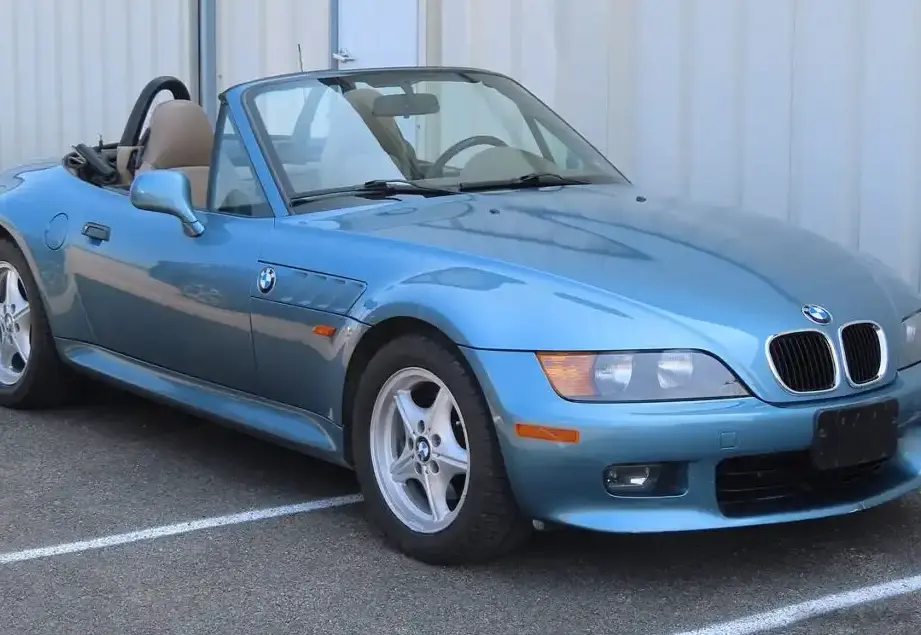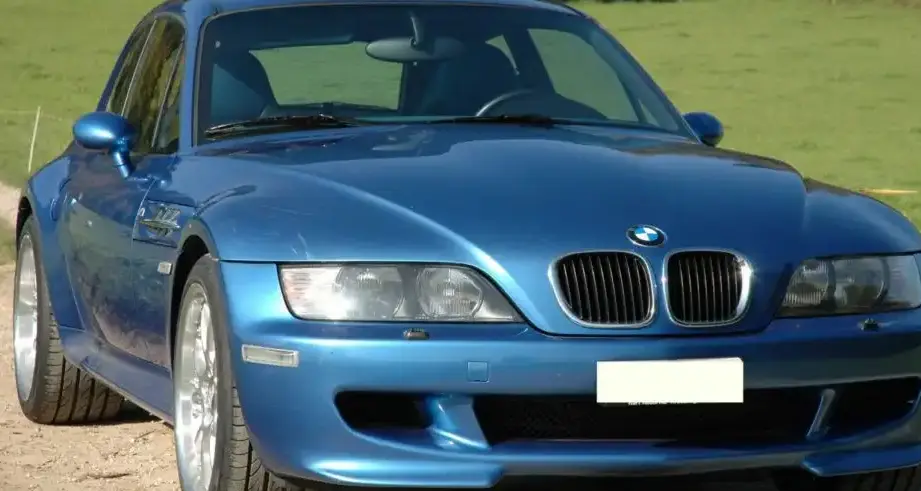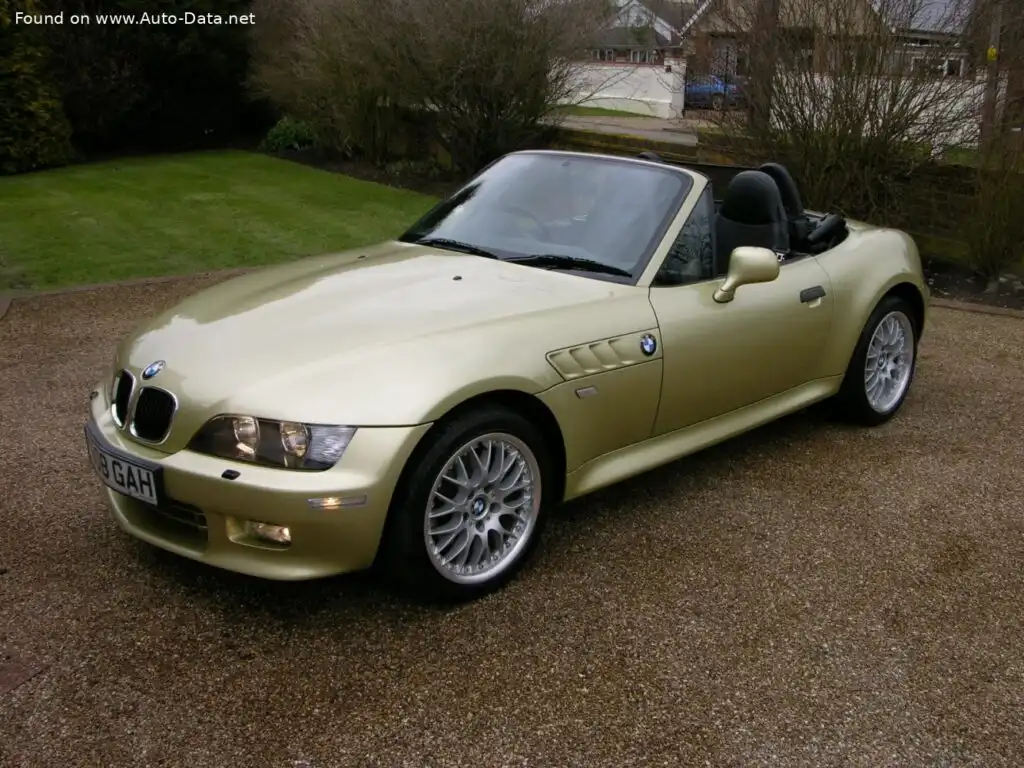
The BMW Z3 (E36/7) 1.9, produced between 1995 and 1999, represented the entry point into BMW’s popular two-seat roadster lineup. Positioned below the more powerful 2.5 and 2.8 liter variants, and later the 3.0 and 3.2 models, the 1.9 offered a more accessible price point and focused on providing a balanced driving experience. It was a key model in establishing the Z3 as a desirable sports car, particularly in European and North American markets, offering a taste of BMW’s renowned handling characteristics in a compact and stylish package. The Z3 itself was BMW’s replacement for the Z1, aiming for a broader appeal and higher production volumes.
Technical Specifications
| Brand | BMW |
| Model | Z3 |
| Generation | Z3 (E36/7) |
| Type (Engine) | 1.9 (140 Hp) |
| Start of production | 1995 |
| End of production | 1999 |
| Powertrain Architecture | Internal Combustion engine |
| Body type | Roadster |
| Seats | 2 |
| Doors | 2 |
| Fuel consumption (urban) | 11.4 l/100 km (20.6 US mpg) |
| Fuel consumption (extra urban) | 6 l/100 km (39.2 US mpg) |
| Fuel Type | Petrol (Gasoline) |
| Acceleration 0 – 100 km/h | 9.5 sec |
| Acceleration 0 – 62 mph | 9.5 sec |
| Acceleration 0 – 60 mph | 9 sec |
| Maximum speed | 205 km/h (127.38 mph) |
| Weight-to-power ratio | 8.5 kg/Hp |
| Weight-to-torque ratio | 6.6 kg/Nm |
| Power | 140 Hp @ 6000 rpm |
| Power per litre | 73.9 Hp/l |
| Torque | 180 Nm @ 4300 rpm (132.76 lb.-ft. @ 4300 rpm) |
| Engine layout | Front, Longitudinal |
| Engine Model/Code | M44B19 |
| Engine displacement | 1895 cm3 (115.64 cu. in.) |
| Number of cylinders | 4 |
| Engine configuration | Inline |
| Cylinder Bore | 85 mm (3.35 in.) |
| Piston Stroke | 83.5 mm (3.29 in.) |
| Compression ratio | 10:1 |
| Number of valves per cylinder | 4 |
| Fuel injection system | Multi-port manifold injection |
| Engine aspiration | Naturally aspirated engine |
| Valvetrain | DOHC |
| Engine oil capacity | 5 l (5.28 US qt | 4.4 UK qt) |
| Coolant capacity | 6.6 l (6.97 US qt | 5.81 UK qt) |
| Kerb Weight | 1185 kg (2612.48 lbs.) |
| Max. weight | 1435 kg (3163.63 lbs.) |
| Max load | 250 kg (551.16 lbs.) |
| Trunk (boot) space – minimum | 165 l (5.83 cu. ft.) |
| Fuel tank capacity | 51 l (13.47 US gal | 11.22 UK gal) |
| Length | 4025 mm (158.46 in.) |
| Width | 1692 mm (66.61 in.) |
| Height | 1288 mm (50.71 in.) |
| Wheelbase | 2446 mm (96.3 in.) |
| Front track | 1411 mm (55.55 in.) |
| Rear track | 1427 mm (56.18 in.) |
| Drivetrain Architecture | Rear wheel drive |
| Number of gears | 5 gears, manual transmission |
| Front suspension | Spring Strut |
| Rear suspension | Coil spring |
| Front brakes | Ventilated discs |
| Rear brakes | Disc |
| Assisting systems | ABS (Anti-lock braking system) |
| Steering type | Steering rack and pinion |
| Power steering | Hydraulic Steering |
| Tires size | 205/60 R15 |
| Wheel rims size | 15 |
Introduction
The Z3 1.9, launched in 1995, was a pivotal model for BMW. It aimed to capture a wider audience than the more expensive Z3 variants, offering a more affordable entry into the roadster market. Built on the E36 platform, shared with the 3-Series, the Z3 1.9 provided a compelling blend of sporty handling and everyday usability. It was available as a two-seater roadster with a manually operated soft top, and later a fixed hardtop option was offered. The 1.9 was primarily marketed towards drivers seeking an enjoyable, open-air driving experience without the high price tag associated with the larger-engined models.
Powertrain & Engine Architecture
The heart of the Z3 1.9 is the M44B19, a 1.9-liter inline-four cylinder engine. This engine is a naturally aspirated unit featuring multi-port fuel injection and a double overhead camshaft (DOHC) valvetrain. The M44 engine was a development of the earlier M42, known for its relatively smooth power delivery and reasonable reliability. It produced 140 horsepower at 6000 rpm and 180 Nm (132.76 lb-ft) of torque at 4300 rpm. The engine’s longitudinal front-engine layout contributes to the car’s balanced handling. The Z3 1.9 was exclusively offered with a 5-speed manual transmission, which was well-matched to the engine’s characteristics. The transmission provided precise shifts and contributed to the car’s engaging driving experience.
Driving Characteristics
The Z3 1.9, while not the fastest Z3 variant, offered a surprisingly enjoyable driving experience. The 140 hp engine, coupled with the 5-speed manual transmission, provided adequate power for spirited driving on winding roads. Acceleration from 0 to 60 mph took around 9 seconds, and the car had a top speed of 127.38 mph. The car’s relatively light weight (around 2612 lbs) contributed to its nimble handling. The suspension, featuring spring struts at the front and coil springs at the rear, provided a comfortable ride without sacrificing too much handling precision. Compared to the higher-powered Z3 models, the 1.9 felt less urgent in its acceleration, but it offered a more forgiving and accessible driving experience, particularly for less experienced drivers.
Equipment & Trim Levels
The Z3 1.9 typically came with a relatively basic level of equipment, reflecting its position as the entry-level model. Standard features included power steering, ABS brakes, and a basic stereo system. Interior upholstery was typically cloth, and the dashboard featured a straightforward design. Optional extras included leather upholstery, air conditioning, power windows, and a more advanced sound system. The Z3 1.9 was often seen as a blank canvas for customization, with many owners opting to add aftermarket accessories to personalize their vehicles.
Chassis & Braking
The Z3 1.9 utilized a robust chassis derived from the E36 3-Series. The front suspension employed spring struts, while the rear featured a coil spring setup. The braking system consisted of ventilated discs at the front and solid discs at the rear, providing adequate stopping power for the car’s weight and performance. ABS (Anti-lock Braking System) was standard, enhancing safety and control during emergency braking situations. The car’s relatively simple suspension setup contributed to its predictable handling characteristics.
Market Reception & Comparison
The Z3 1.9 was generally well-received by automotive critics as an affordable and enjoyable roadster. It was praised for its handling, styling, and overall driving experience. However, some critics noted that the engine lacked the punch of the larger-engined Z3 models. Compared to the 2.5 and 2.8 liter variants, the 1.9 offered significantly better fuel economy, making it a more practical choice for everyday driving. In terms of reliability, the M44B19 engine proved to be reasonably durable, although regular maintenance was essential to prevent issues such as oil leaks and cooling system problems.
Legacy
The Z3 1.9 remains a popular choice among enthusiasts and used car buyers today. Its affordability, combined with its classic BMW styling and engaging driving experience, makes it a desirable classic. While the engine may not be the most powerful, it is relatively easy to maintain and offers good fuel economy. The Z3 1.9’s simple construction and readily available parts make it a relatively straightforward car to own and repair. It represents a significant chapter in BMW’s history, demonstrating the company’s ability to create a compelling and accessible sports car that appealed to a wide range of drivers.