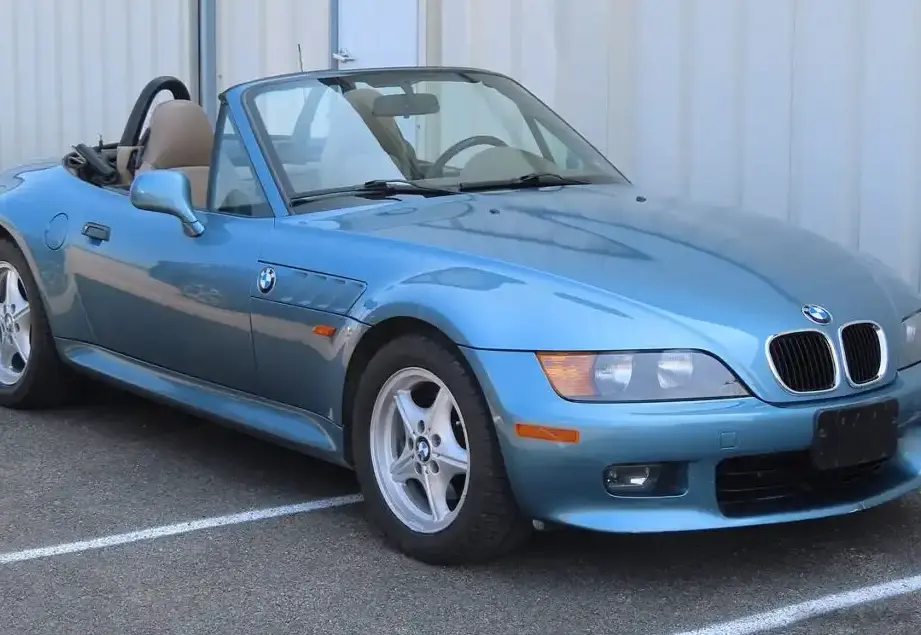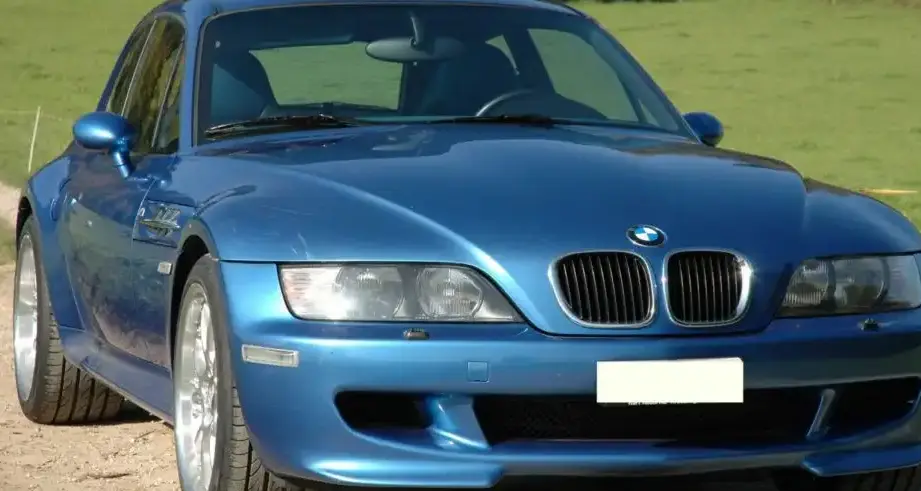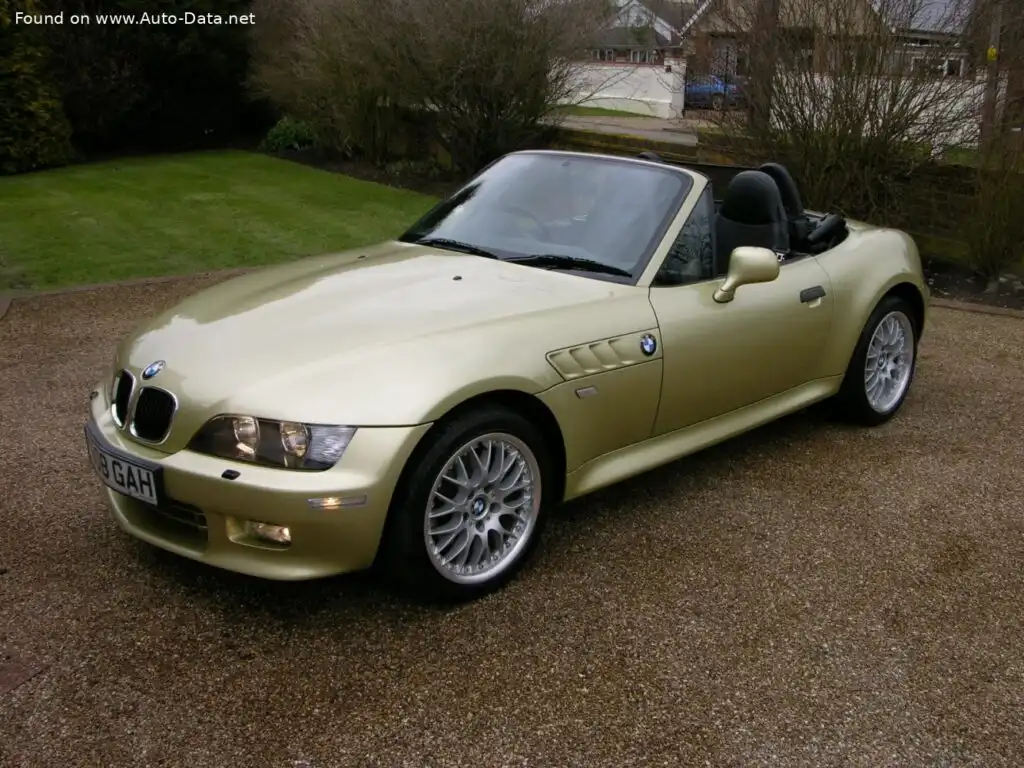
The BMW Z3 (E36/7) 1.9, produced between 1995 and 1999, represented the entry point into BMW’s popular two-seater roadster lineup. Positioned below the more potent 2.8 and 3.0 liter variants, the 1.9 model aimed to broaden the Z3’s appeal by offering a more affordable and fuel-efficient option. It was a key component of the E36 generation Z3, which was BMW’s return to the two-seat roadster market after a long hiatus, and played a significant role in establishing the Z3 as a desirable sports car, particularly in North America and Europe. This variant utilized the M44B19 engine paired with a four-speed automatic transmission, catering to drivers prioritizing comfort and ease of use over outright performance.
Technical Specifications
| Brand | BMW |
| Model | Z3 |
| Generation | Z3 (E36/7) |
| Type (Engine) | 1.9 (140 Hp) Automatic |
| Start of production | 1995 |
| End of production | 1999 |
| Powertrain Architecture | Internal Combustion engine |
| Body type | Roadster |
| Seats | 2 |
| Doors | 2 |
| Fuel consumption (urban) | 12.7 l/100 km (18.5 US mpg) |
| Fuel consumption (extra urban) | 6.5 l/100 km (36.2 US mpg) |
| Fuel Type | Petrol (Gasoline) |
| Acceleration 0 – 100 km/h | 10.6 sec |
| Acceleration 0 – 62 mph | 10.6 sec |
| Acceleration 0 – 60 mph | 10.1 sec |
| Maximum speed | 196 km/h (121.79 mph) |
| Weight-to-power ratio | 8.5 kg/Hp |
| Weight-to-torque ratio | 6.6 kg/Nm |
| Power | 140 Hp @ 6000 rpm |
| Torque | 180 Nm @ 4300 rpm (132.76 lb.-ft. @ 4300 rpm) |
| Engine layout | Front, Longitudinal |
| Engine Model/Code | M44B19 |
| Engine displacement | 1895 cm3 (115.64 cu. in.) |
| Number of cylinders | 4 |
| Engine configuration | Inline |
| Cylinder Bore | 85 mm (3.35 in.) |
| Piston Stroke | 83.5 mm (3.29 in.) |
| Compression ratio | 10:1 |
| Number of valves per cylinder | 4 |
| Fuel injection system | Multi-port manifold injection |
| Engine aspiration | Naturally aspirated |
| Valvetrain | DOHC |
| Engine oil capacity | 5 l (5.28 US qt | 4.4 UK qt) |
| Coolant capacity | 6.6 l (6.97 US qt | 5.81 UK qt) |
| Kerb Weight | 1185 kg (2612.48 lbs.) |
| Max. weight | 1435 kg (3163.63 lbs.) |
| Max load | 250 kg (551.16 lbs.) |
| Trunk (boot) space – minimum | 165 l (5.83 cu. ft.) |
| Fuel tank capacity | 51 l (13.47 US gal | 11.22 UK gal) |
| Length | 4025 mm (158.46 in.) |
| Width | 1692 mm (66.61 in.) |
| Height | 1288 mm (50.71 in.) |
| Wheelbase | 2446 mm (96.3 in.) |
| Front track | 1411 mm (55.55 in.) |
| Rear track | 1427 mm (56.18 in.) |
| Drivetrain | Rear wheel drive |
| Number of gears | 4 |
| Gearbox type | Automatic transmission |
| Front suspension | Spring Strut |
| Rear suspension | Coil spring |
| Front brakes | Ventilated discs |
| Rear brakes | Disc |
| Assisting systems | ABS (Anti-lock braking system) |
| Steering type | Steering rack and pinion |
| Power steering | Hydraulic |
| Tires size | 205/60 R15 |
| Wheel rims size | 15 |
INTRODUCTION
The BMW Z3 1.9 Automatic, launched in 1995, was a crucial model in revitalizing BMW’s roadster heritage. Built on the E36 platform, shared with the 3-Series, the Z3 offered a more accessible entry point into the world of BMW convertibles. The 1.9-liter engine and automatic transmission combination was specifically targeted at buyers who valued a comfortable driving experience and ease of use over the more aggressive performance offered by the larger-displacement engines. Production continued through 1999, with minor revisions throughout its lifespan. This model was particularly popular in the United States, where the Z3 enjoyed strong sales and helped solidify BMW’s image as a premium sports car manufacturer.
Powertrain & Engine Architecture
At the heart of the Z3 1.9 Automatic lies the M44B19 engine, a 1.9-liter inline-four cylinder powerplant. This engine, part of BMW’s M44 family, featured a cast iron block and an aluminum cylinder head, incorporating dual overhead camshafts (DOHC) and four valves per cylinder. Fuel delivery was managed by a Bosch Motronic multi-port fuel injection system, optimizing fuel efficiency and emissions. The engine produced 140 horsepower at 6000 rpm and 180 Nm (132.76 lb-ft) of torque at 4300 rpm. The four-speed automatic transmission (typically a GM 4L30-E unit) was chosen for its smooth operation and convenience, although it wasn’t known for its sporty responsiveness. This transmission featured a torque converter and offered a standard drive and sport mode. The engine’s longitudinal mounting and rear-wheel drive configuration contributed to the Z3’s balanced handling characteristics.
Driving Characteristics
The Z3 1.9 Automatic offered a comfortable and relaxed driving experience. While not as quick as its 2.8 or 3.0 liter siblings, the 1.9-liter engine provided adequate power for everyday driving and enjoyable cruising. Acceleration from 0 to 60 mph took around 10.1 seconds, and the top speed was approximately 121.79 mph. The automatic transmission, while smooth, resulted in some power loss and a less engaging driving experience compared to the available five-speed manual. Gear ratios were optimized for fuel economy and comfortable highway cruising, rather than aggressive acceleration. The car felt nimble and responsive in corners, thanks to its relatively light weight and well-tuned suspension, but lacked the outright punch of the higher-performance models.
Equipment & Trim Levels
The Z3 1.9 Automatic typically came with a fairly basic level of equipment, reflecting its position as the entry-level model. Standard features included power windows, central locking, and an AM/FM radio. Interior upholstery was typically cloth, although leather was available as an option. Dashboard trim was generally simple and functional. Optional extras included air conditioning, a premium sound system, power seats, and alloy wheels. The Z3 offered a range of customization options, allowing buyers to tailor the car to their preferences. Sport packages were available, adding features like sport seats, a sport suspension, and a leather-wrapped steering wheel.
Chassis & Braking
The Z3 1.9 Automatic utilized a MacPherson strut front suspension and a semi-trailing arm rear suspension. This setup provided a good balance of comfort and handling. The car featured ventilated disc brakes at the front and solid disc brakes at the rear, providing adequate stopping power for its weight and performance. Anti-lock braking system (ABS) was standard, enhancing safety. The steering was a rack-and-pinion system with hydraulic power assistance, offering precise and responsive steering feel. The 1.9 model typically came equipped with 15-inch wheels and 205/60 R15 tires, providing a comfortable ride and good grip.
Market Reception & Comparison
The Z3 1.9 Automatic received mixed reviews from automotive critics. While praised for its affordability and comfortable ride, it was often criticized for its lack of outright performance compared to the higher-powered Z3 models. Fuel economy was generally considered good for a sports car, averaging around 36.2 US mpg on the highway. Reliability was generally good, although some owners reported issues with the automatic transmission. Compared to the Z3 2.8 and 3.0, the 1.9 offered a significantly lower price point, making it accessible to a wider range of buyers. However, it lacked the exhilarating performance and more luxurious features of its more expensive siblings. The 1.9 TDI diesel variant, available in Europe, offered superior fuel economy but lacked the sporty character of the gasoline-powered models.
Legacy
The BMW Z3 1.9 Automatic has become a popular choice among enthusiasts looking for an affordable and reliable classic roadster. The M44B19 engine is known for its durability, and parts availability remains relatively good. While not a high-performance machine, the Z3 1.9 offers a fun and engaging driving experience, particularly for those who appreciate a more relaxed and comfortable ride. In the used car market, these models are generally well-maintained and can be found at reasonable prices, making them an attractive option for those seeking a classic BMW convertible. The Z3, in general, is remembered for bringing back the roadster spirit to BMW and paving the way for the successful Z4 that followed.