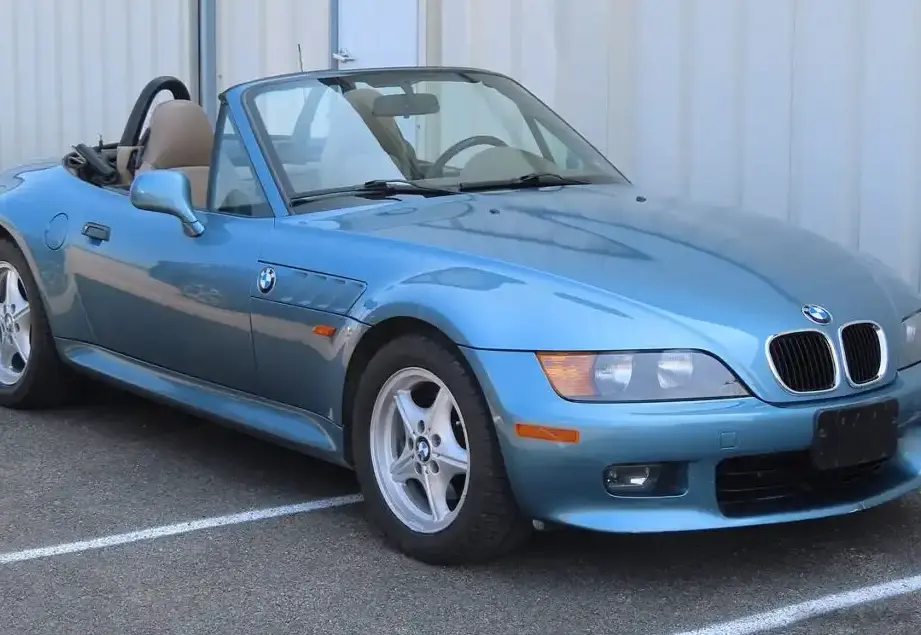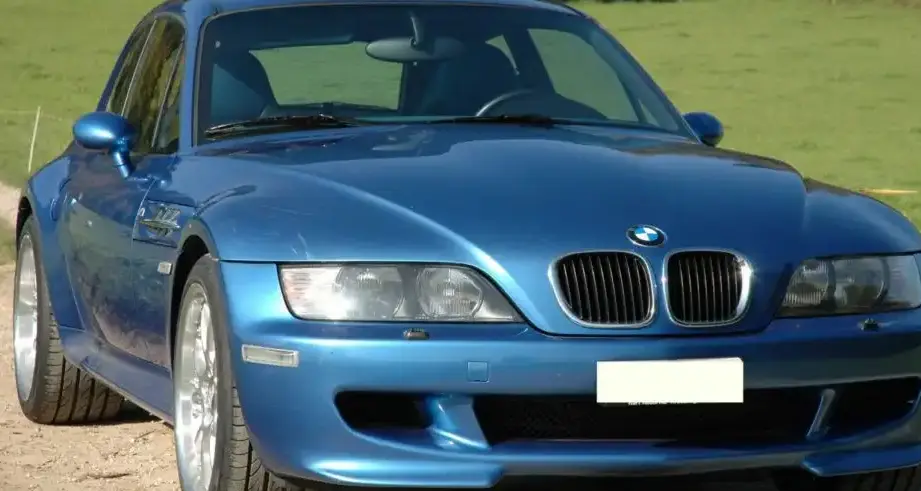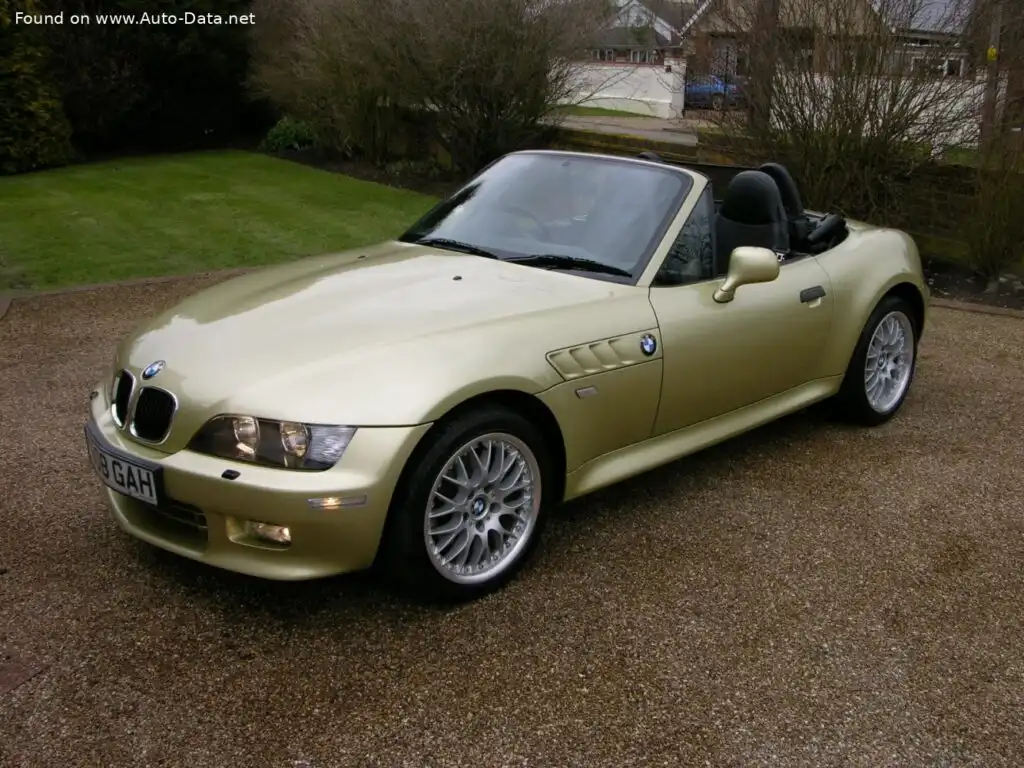
The BMW Z3 (E36/7) 2.0, produced from 1999 to 2000, represents a key iteration of the first-generation Z3 roadster. Positioned as a mid-range offering within the Z3 lineup, it aimed to provide a balance between affordability and the engaging driving experience BMW was known for. This variant utilized the M52TUB20 engine, a 2.0-liter inline-six, paired with a 5-speed manual transmission. It served as a popular choice for buyers seeking a sporty, open-top vehicle without the higher price tag of the more powerful models like the 2.8 or 3.0. The Z3 itself was BMW’s response to the growing popularity of the Mazda MX-5 Miata, aiming to bring a more premium and refined experience to the affordable roadster segment.
Technical Specifications
| Brand | BMW |
| Model | Z3 |
| Generation | Z3 (E36/7) |
| Type (Engine) | 2.0 (150 Hp) |
| Start of production | 1999 |
| End of production | 2000 |
| Powertrain Architecture | Internal Combustion engine |
| Body type | Roadster |
| Seats | 2 |
| Doors | 2 |
| Fuel consumption (urban) | 12.6 l/100 km (18.7 US mpg, 22.4 UK mpg, 7.9 km/l) |
| Fuel consumption (extra urban) | 7.2 l/100 km (32.7 US mpg, 39.2 UK mpg, 13.9 km/l) |
| Fuel consumption (combined) | 9.2 l/100 km (25.6 US mpg, 30.7 UK mpg, 10.9 km/l) |
| CO2 emissions | 220 g/km |
| Fuel Type | Petrol (Gasoline) |
| Acceleration 0 – 100 km/h | 8.9 sec |
| Acceleration 0 – 62 mph | 8.9 sec |
| Acceleration 0 – 60 mph | 8.5 sec |
| Maximum speed | 210 km/h (130.49 mph) |
| Weight-to-power ratio | 8.5 kg/Hp, 118.1 Hp/tonne |
| Weight-to-torque ratio | 6.7 kg/Nm, 149.6 Nm/tonne |
| Power | 150 Hp @ 5900 rpm |
| Power per litre | 75.3 Hp/l |
| Torque | 190 Nm @ 3500 rpm (140.14 lb.-ft. @ 3500 rpm) |
| Engine layout | Front, Longitudinal |
| Engine Model/Code | M52TUB20 |
| Engine displacement | 1991 cm3 (121.5 cu. in.) |
| Number of cylinders | 6 |
| Engine configuration | Inline |
| Cylinder Bore | 80 mm (3.15 in.) |
| Piston Stroke | 66 mm (2.6 in.) |
| Compression ratio | 11:1 |
| Number of valves per cylinder | 4 |
| Fuel injection system | Multi-port manifold injection |
| Engine aspiration | Naturally aspirated engine |
| Valvetrain | DOHC |
| Engine oil capacity | 6.5 l (6.87 US qt | 5.72 UK qt) |
| Coolant capacity | 10.5 l (11.1 US qt | 9.24 UK qt) |
| Kerb Weight | 1270 kg (2799.87 lbs.) |
| Max. weight | 1540 kg (3395.12 lbs.) |
| Max load | 270 kg (595.25 lbs.) |
| Trunk (boot) space – minimum | 165 l (5.83 cu. ft.) |
| Fuel tank capacity | 51 l (13.47 US gal | 11.22 UK gal) |
| Length | 4050 mm (159.45 in.) |
| Width | 1740 mm (68.5 in.) |
| Height | 1293 mm (50.91 in.) |
| Wheelbase | 2446 mm (96.3 in.) |
| Front track | 1413 mm (55.63 in.) |
| Rear (Back) track | 1494 mm (58.82 in.) |
| Minimum turning circle | 10 m (32.81 ft.) |
| Drivetrain Architecture | Rear wheel drive |
| Drive wheel | Rear wheel drive |
| Number of gears | 5 gears, manual transmission |
| Front suspension | Spring Strut |
| Rear suspension | Coil spring |
| Front brakes | Ventilated discs |
| Rear brakes | Disc |
| Assisting systems | ABS (Anti-lock braking system) |
| Steering type | Steering rack and pinion |
| Power steering | Hydraulic Steering |
| Tires size | 225/50 R16 |
| Wheel rims size | 7J x 16 |
Powertrain & Engine Architecture
The heart of the Z3 2.0 is the M52TUB20 engine, a 2.0-liter (1991cc) inline-six cylinder powerplant. This engine is part of BMW’s M52TU series, known for its smooth operation and relatively high specific output. The ‘TU’ designation signifies a technical upgrade to the original M52, incorporating features like individual throttle butterflies and a more refined engine management system. It utilizes a double overhead camshaft (DOHC) valvetrain with four valves per cylinder, contributing to its efficient breathing and power delivery. Fuel is delivered via multi-port fuel injection, and the engine is naturally aspirated. The M52TUB20 produces 150 horsepower at 5900 rpm and 190 Nm (140 lb-ft) of torque at 3500 rpm. This power is then sent to the rear wheels through a robust 5-speed manual transmission, offering precise gear changes and a direct connection to the drivetrain.
Driving Characteristics
The Z3 2.0 with the manual transmission delivers a balanced driving experience. While not as overtly powerful as the larger-engined Z3 models, the 2.0-liter engine provides sufficient power for spirited driving on winding roads. The 0-60 mph time of around 8.5 seconds is respectable for a roadster of this era. The manual gearbox allows for full control over the engine’s powerband, and the relatively light weight of the Z3 (around 2800 lbs) contributes to its nimble handling. Compared to the automatic transmission equipped models, the manual offers a more engaging and responsive driving experience. The gear ratios are well-matched to the engine’s characteristics, providing good acceleration in each gear. However, it’s important to note that the engine’s torque peak is relatively low, meaning that drivers may need to downshift to maintain momentum when climbing hills or overtaking.
Equipment & Trim Levels
The Z3 2.0 typically came with a reasonable level of standard equipment. Interior features included cloth upholstery, manually adjustable seats, and a basic stereo system. Power windows and locks were often standard, but air conditioning was sometimes an optional extra. The dashboard layout is relatively simple and driver-focused, with clearly marked gauges and controls. Optional extras included leather upholstery, upgraded sound systems, and a limited-slip differential for improved handling. The exterior styling remained consistent across the Z3 range, with a long hood, short rear deck, and distinctive BMW kidney grille. Alloy wheels were typically standard, although the design varied depending on the specific package.
Chassis & Braking
The Z3 utilizes a traditional roadster chassis layout, with a front engine and rear-wheel drive. The suspension consists of MacPherson struts at the front and a semi-trailing arm setup at the rear. This configuration provides a good balance between ride comfort and handling precision. The Z3 2.0 is equipped with ventilated disc brakes at the front and solid discs at the rear. Anti-lock braking system (ABS) is standard, enhancing safety and control during hard braking. The steering is a rack-and-pinion system with hydraulic power assistance, providing precise and responsive steering feel. The relatively lightweight construction of the Z3 contributes to its agile handling characteristics.
Market Reception & Comparison
The Z3 2.0 was generally well-received by automotive critics. It was praised for its sporty handling, engaging driving experience, and relatively affordable price. However, some critics noted that the 2.0-liter engine could feel underpowered compared to the larger-engined models. In terms of fuel economy, the Z3 2.0 offered reasonable figures for a sports car of its era, averaging around 25.6 mpg in combined driving. Compared to the Z3 2.8 and 3.0, the 2.0 was more fuel-efficient and less expensive to maintain. The 1.9L four-cylinder models were even more economical, but lacked the smoothness and refinement of the inline-six engine.
Legacy
The BMW Z3 2.0 has proven to be a relatively reliable vehicle, with the M52TUB20 engine being known for its durability. However, like any older car, it requires regular maintenance to keep it in good condition. Common issues include oil leaks, cooling system problems, and wear and tear on suspension components. Today, the Z3 2.0 is a popular choice among enthusiasts looking for an affordable and engaging classic roadster. Its relatively simple mechanicals make it easier to maintain and repair than more complex modern sports cars. The Z3 helped solidify BMW’s reputation for building high-quality, driver-focused vehicles, and it remains a desirable classic car in the used car market.