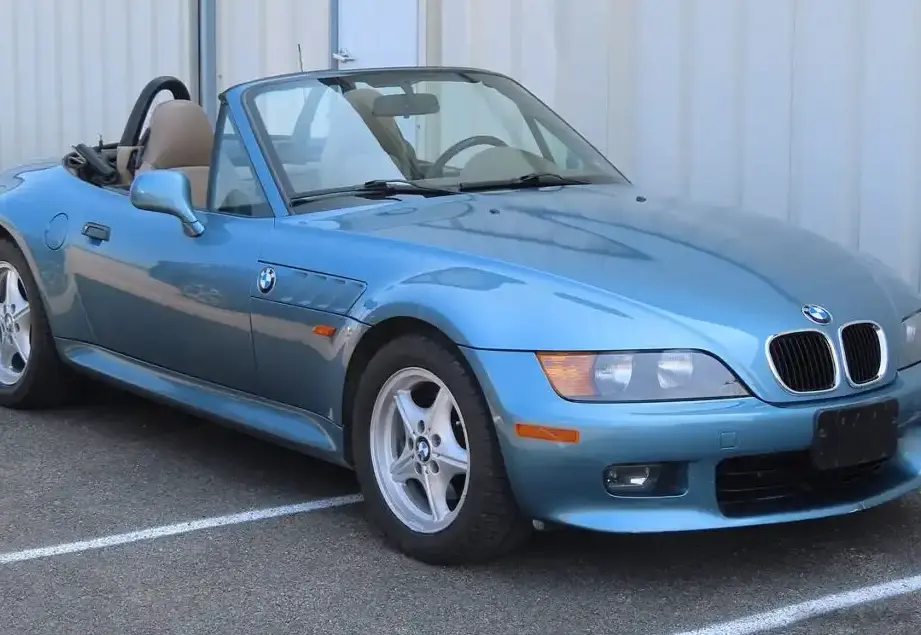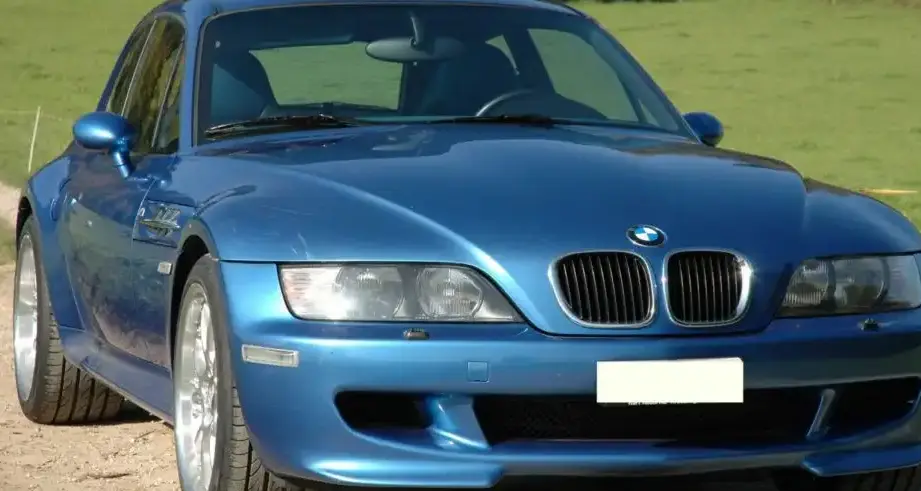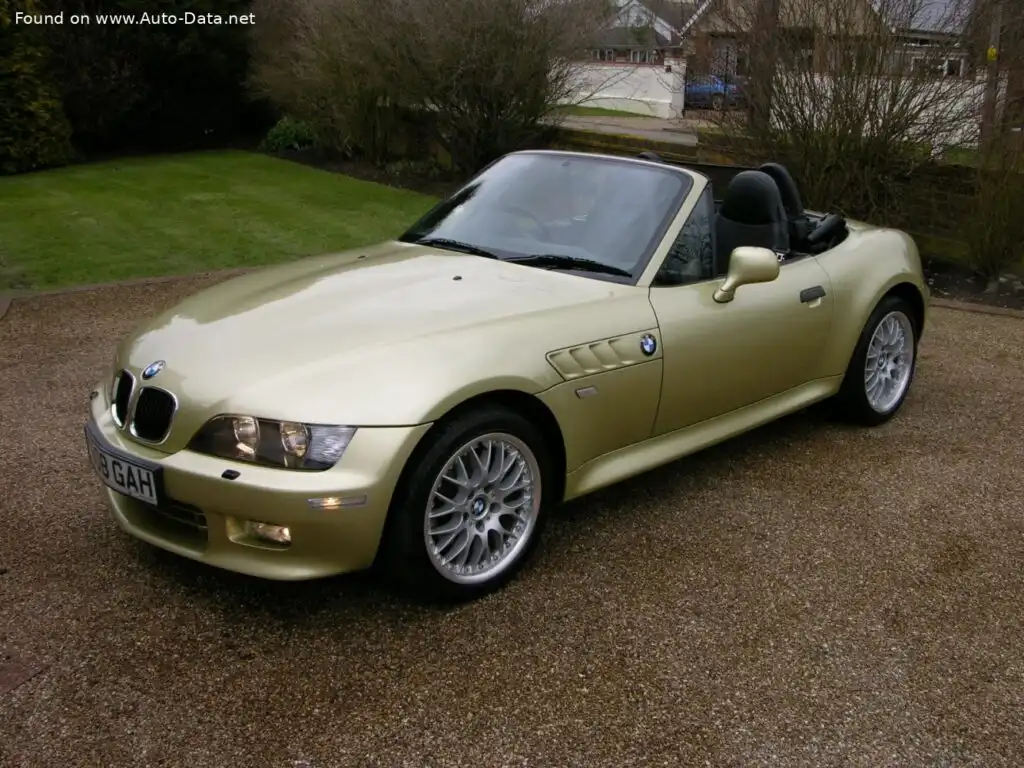
The BMW Z3 (E36/7) 2.2i, produced from 2000 to 2003, represented a significant mid-cycle update to the original Z3 roadster. Falling within the second phase of the E36/7 generation, this variant aimed to broaden the Z3’s appeal by offering a balance of performance and refinement. Positioned as a step up from the base 1.9-liter models, the 2.2i provided a noticeable increase in power and torque, making it a popular choice for drivers seeking a more engaging driving experience without the higher price tag of the flagship Z3 3.0i. It was a key model in BMW’s strategy to capture a larger share of the burgeoning two-seat roadster market, competing directly with the Mazda MX-5 Miata and Porsche Boxster.
Technical Specifications
| Brand | BMW |
| Model | Z3 |
| Generation | Z3 (E36/7) |
| Type (Engine) | 2.2i (170 Hp) |
| Start of production | 2000 year |
| End of production | 2003 year |
| Powertrain Architecture | Internal Combustion engine |
| Body type | Roadster |
| Seats | 2 |
| Doors | 2 |
| Fuel consumption (economy) – urban | 12.6 l/100 km (18.7 US mpg, 22.4 UK mpg, 7.9 km/l) |
| Fuel consumption (economy) – extra urban | 7.3 l/100 km (32.2 US mpg, 38.7 UK mpg, 13.7 km/l) |
| Fuel consumption (economy) – combined | 9.2 l/100 km (25.6 US mpg, 30.7 UK mpg, 10.9 km/l) |
| Fuel Type | Petrol (Gasoline) |
| Acceleration 0 – 100 km/h | 7.9 sec |
| Acceleration 0 – 62 mph | 7.9 sec |
| Acceleration 0 – 60 mph | 7.5 sec |
| Maximum speed | 224 km/h (139.19 mph) |
| Weight-to-power ratio | 7.9 kg/Hp, 126.4 Hp/tonne |
| Weight-to-torque ratio | 6.4 kg/Nm, 156.1 Nm/tonne |
| Power | 170 Hp @ 6250 rpm |
| Power per litre | 78.3 Hp/l |
| Torque | 210 Nm @ 3500 rpm (154.89 lb.-ft. @ 3500 rpm) |
| Engine layout | Front, Longitudinal |
| Engine Model/Code | M54B22 |
| Engine displacement | 2171 cm3 (132.48 cu. in.) |
| Number of cylinders | 6 |
| Engine configuration | Inline |
| Cylinder Bore | 80 mm (3.15 in.) |
| Piston Stroke | 72 mm (2.83 in.) |
| Compression ratio | 10.8:1 |
| Number of valves per cylinder | 4 |
| Fuel injection system | Multi-port manifold injection |
| Engine aspiration | Naturally aspirated engine |
| Valvetrain | DOHC |
| Engine oil capacity | 6.5 l (6.87 US qt | 5.72 UK qt) |
| Coolant | 10.5 l (11.1 US qt | 9.24 UK qt) |
| Kerb Weight | 1345 kg (2965.22 lbs.) |
| Max. weight | 1540 kg (3395.12 lbs.) |
| Max load | 195 kg (429.9 lbs.) |
| Trunk (boot) space – minimum | 165 l (5.83 cu. ft.) |
| Fuel tank capacity | 51 l (13.47 US gal | 11.22 UK gal) |
| Length | 4050 mm (159.45 in.) |
| Width | 1740 mm (68.5 in.) |
| Height | 1293 mm (50.91 in.) |
| Wheelbase | 2446 mm (96.3 in.) |
| Front track | 1413 mm (55.63 in.) |
| Rear (Back) track | 1494 mm (58.82 in.) |
| Drivetrain Architecture | The Internal combustion engine (ICE) drives the rear wheels of the vehicle. |
| Drive wheel | Rear wheel drive |
| Number of gears and type of gearbox | 5 gears, manual transmission |
| Front suspension | Spring Strut |
| Rear suspension | Coil spring |
| Front brakes | Ventilated discs |
| Rear brakes | Disc |
| Assisting systems | ABS (Anti-lock braking system) |
| Steering type | Steering rack and pinion |
| Power steering | Hydraulic Steering |
| Tires size | 225/50 R16 |
| Wheel rims size | 16 |
Powertrain & Engine Architecture
The heart of the Z3 2.2i is the M54B22, a 2.2-liter inline-six engine. This engine represented a significant improvement over the earlier M52B18 and M52B20 engines found in earlier Z3 models. The M54 featured a revised cylinder head with improved airflow, a more efficient intake manifold, and a higher compression ratio (10.8:1). Fuel delivery was handled by a Bosch Motronic system utilizing multi-port fuel injection. The engine’s double overhead camshaft (DOHC) valvetrain, with four valves per cylinder, contributed to its responsive nature and broad powerband. The 2.2i was typically paired with a Getrag 5-speed manual transmission, although an optional 5-speed automatic transmission was also available. The automatic, while offering convenience, did slightly diminish acceleration performance compared to the manual.
Driving Characteristics
The Z3 2.2i offered a noticeably more spirited driving experience than the base 1.8-liter models. With 170 horsepower and 155 lb-ft of torque, the 2.2i could accelerate from 0 to 60 mph in around 7.5 to 7.9 seconds, depending on the transmission. The engine felt eager to rev, and the inline-six configuration provided a smooth and refined power delivery. The manual transmission offered precise shifts and allowed drivers to fully exploit the engine’s capabilities. The automatic transmission, while smooth, resulted in some power loss and a less engaging driving experience. The Z3’s rear-wheel-drive layout contributed to its balanced handling and predictable cornering behavior. The relatively short wheelbase made the car feel nimble and responsive, but also required attentive steering inputs.
Equipment & Trim Levels
The Z3 2.2i typically came standard with features such as power windows, power locks, and a basic audio system. Leather upholstery was a popular option, as were sport seats that provided additional support during spirited driving. Other available options included a premium sound system, a power-operated soft top, and heated seats. The interior design was relatively simple and functional, prioritizing the driving experience over luxurious appointments. Trim levels were generally not explicitly designated, but options packages allowed buyers to customize their Z3 to their preferences.
Chassis & Braking
The Z3 2.2i utilized a MacPherson strut front suspension and a semi-trailing arm rear suspension. This setup provided a good balance of ride comfort and handling performance. The car was equipped with ventilated disc brakes at the front and solid disc brakes at the rear. Anti-lock braking system (ABS) was standard, enhancing safety and control during hard braking. The steering was a rack-and-pinion system with hydraulic power assistance, providing precise and responsive steering feel. The standard tire size was 225/50R16, offering a good compromise between grip and ride comfort.
Market Reception & Comparison
The Z3 2.2i was generally well-received by automotive critics. It was praised for its engaging driving dynamics, smooth engine, and stylish design. Compared to the base 1.8-liter models, the 2.2i offered a significant performance upgrade without the substantial price increase of the 3.0i. However, some critics noted that the automatic transmission diminished the driving experience. Fuel economy was respectable for a sports car, averaging around 25.6 mpg combined. Reliability was generally good, although some owners reported issues with the cooling system and electrical components.
Legacy
The BMW Z3 2.2i remains a popular choice among enthusiasts today. Its combination of classic roadster styling, engaging driving dynamics, and relatively affordable price makes it an attractive option in the used car market. The M54B22 engine is known for its durability and relatively simple maintenance requirements. While some maintenance items, such as the cooling system and VANOS system, may require attention as the car ages, the Z3 2.2i is generally considered a reliable and enjoyable sports car. It represents a sweet spot in the Z3 lineup, offering a compelling blend of performance, refinement, and value.