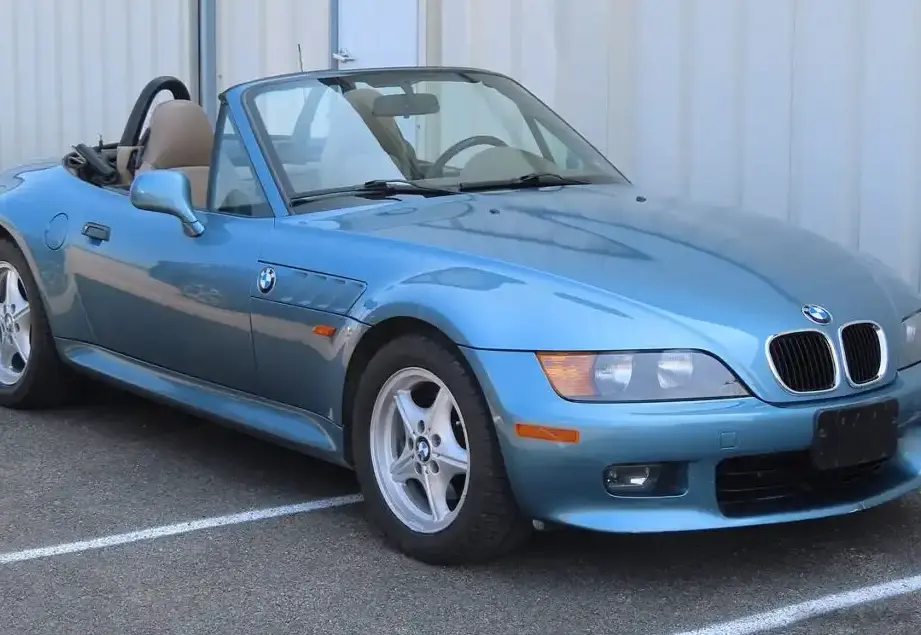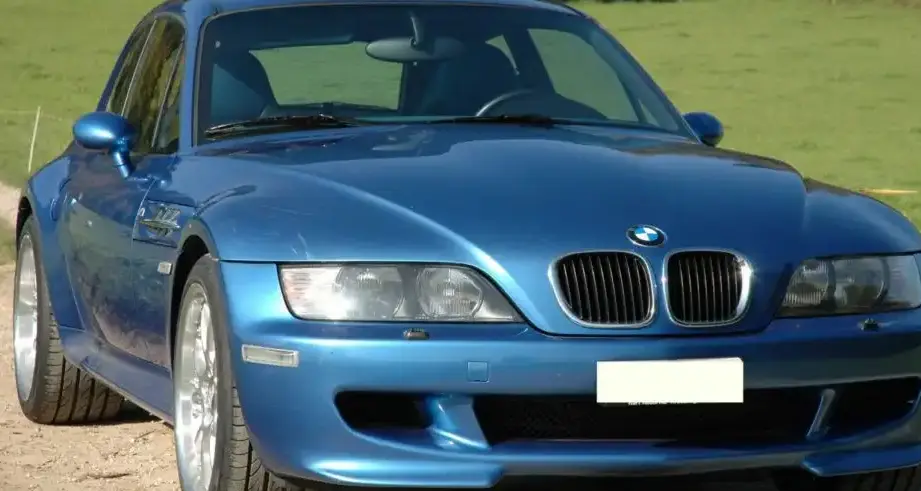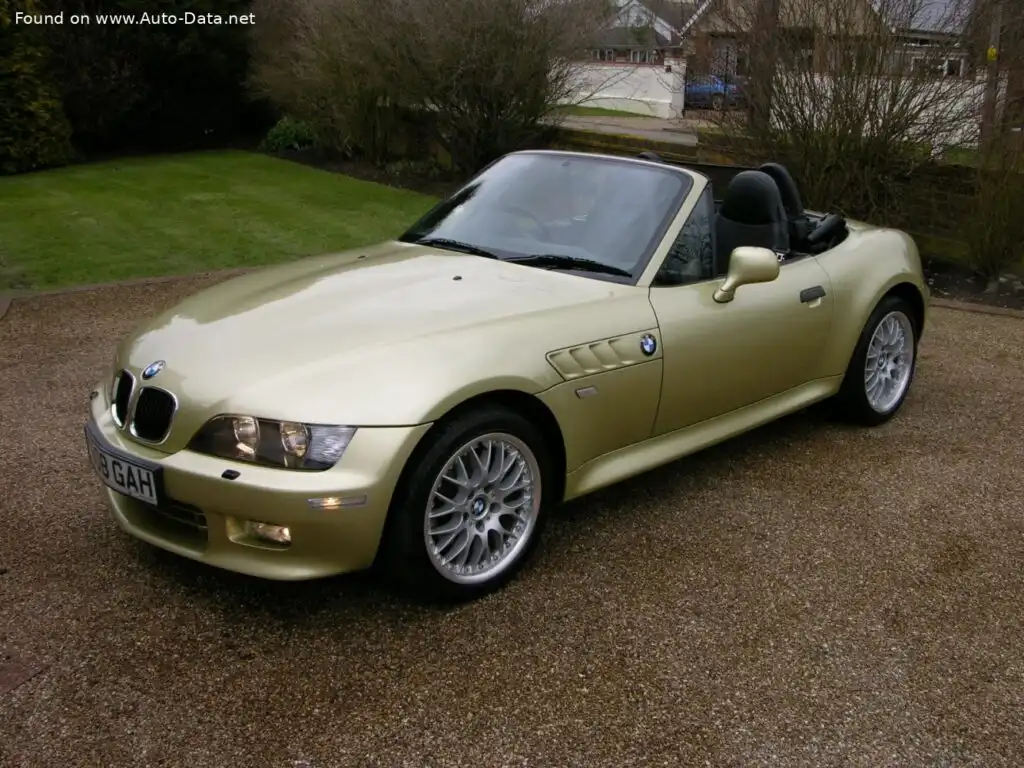
The BMW Z3 2.8, produced between 1997 and 2000, represented a substantial improvement in performance and refinement for the Z3 roadster lineup. Positioned as a near-top-of-the-range model – sitting just below the later 3.0 variants – it offered a compelling blend of sporting dynamics and open-air driving enjoyment. The Z3, as a whole, was BMW’s response to the Mazda MX-5 Miata, aiming to deliver a more premium and powerful experience within the affordable roadster segment. The E36/7 chassis code designates this as the first generation Z3, and the 2.8 model played a key role in establishing the Z3’s reputation as a capable and desirable sports car, particularly in the North American market where it found a significant customer base.
Technical Specifications
| Brand | BMW |
| Model | Z3 |
| Generation | Z3 (E36/7) |
| Engine Type | 2.8 (192 Hp) |
| Start of production | 1997 |
| End of production | 2000 |
| Powertrain Architecture | Internal Combustion engine |
| Body type | Roadster |
| Seats | 2 |
| Doors | 2 |
| Fuel consumption (urban) | 12.9 l/100 km (18.2 US mpg) |
| Fuel consumption (extra urban) | 7.4 l/100 km (31.8 US mpg) |
| Fuel Type | Petrol (Gasoline) |
| Acceleration 0 – 100 km/h | 6.9 sec |
| Acceleration 0 – 62 mph | 6.9 sec |
| Acceleration 0 – 60 mph | 6.6 sec |
| Maximum speed | 225 km/h (139.81 mph) |
| Weight-to-power ratio | 6.7 kg/Hp |
| Weight-to-torque ratio | 4.3 kg/Nm |
| Power | 192 Hp @ 5500 rpm |
| Torque | 300 Nm @ 3500 rpm (221.27 lb.-ft. @ 3500 rpm) |
| Engine layout | Front, Longitudinal |
| Engine Model/Code | M52B28 |
| Engine displacement | 2793 cm3 (170.44 cu. in.) |
| Number of cylinders | 6 |
| Engine configuration | Inline |
| Cylinder Bore | 84 mm (3.31 in.) |
| Piston Stroke | 84 mm (3.31 in.) |
| Compression ratio | 10.2:1 |
| Number of valves per cylinder | 4 |
| Fuel injection system | Multi-port manifold injection |
| Engine aspiration | Naturally aspirated engine |
| Valvetrain | DOHC |
| Engine oil capacity | 6.5 l (6.87 US qt | 5.72 UK qt) |
| Coolant capacity | 10 l (10.57 US qt | 8.8 UK qt) |
| Kerb Weight | 1285 kg (2832.94 lbs.) |
| Max. weight | 1550 kg (3417.17 lbs.) |
| Max load | 265 kg (584.22 lbs.) |
| Trunk (boot) space – minimum | 165 l (5.83 cu. ft.) |
| Fuel tank capacity | 51 l (13.47 US gal | 11.22 UK gal) |
| Length | 4050 mm (159.45 in.) |
| Width | 1740 mm (68.5 in.) |
| Height | 1293 mm (50.91 in.) |
| Wheelbase | 2446 mm (96.3 in.) |
| Front track | 1413 mm (55.63 in.) |
| Rear (Back) track | 1494 mm (58.82 in.) |
| Drivetrain Architecture | Rear wheel drive |
| Number of gears | 5 |
| Gearbox type | Manual transmission |
| Front suspension | Spring Strut |
| Rear suspension | Coil spring |
| Front brakes | Ventilated discs |
| Rear brakes | Disc |
| Assisting systems | ABS (Anti-lock braking system) |
| Steering type | Steering rack and pinion |
| Power steering | Hydraulic Steering |
| Tires size | 225/50 R16 |
| Wheel rims size | 16 |
Introduction
The BMW Z3 2.8, introduced in 1997, was a crucial model within the Z3 range. It addressed criticisms of the earlier, lower-displacement engines, offering a significant power boost and a more refined driving experience. Built on the E36 platform – shared with the 3-Series – the Z3 represented BMW’s first modern, mass-produced roadster since the iconic Z8 of the 1950s. The 2.8 variant aimed to fill the gap between the entry-level 1.8 and 1.9 models and the more expensive, high-performance Z3 3.0. It quickly became a popular choice for enthusiasts seeking a well-balanced and engaging sports car.
Powertrain & Engine Architecture
The heart of the Z3 2.8 is the M52B28 inline-six engine. This 2.8-liter powerplant, derived from the highly-regarded M52 series, generated 192 horsepower at 5500 rpm and 300 Nm (221 lb-ft) of torque at 3500 rpm. The M52B28 featured a cast iron block with an aluminum cylinder head, dual overhead camshafts (DOHC), and four valves per cylinder. Fuel delivery was managed by a Bosch Motronic multi-port fuel injection system. The engine’s design prioritized smooth power delivery and the distinctive BMW inline-six sound. A 5-speed manual transmission was standard, with an optional 4-speed automatic transmission also available. The automatic, while offering convenience, did slightly reduce the car’s acceleration and responsiveness compared to the manual.
Driving Characteristics
The Z3 2.8 delivered a noticeably more engaging driving experience than its lower-powered counterparts. The increased horsepower and torque enabled brisk acceleration – approximately 6.6 seconds from 0 to 60 mph – and confident passing capabilities. The manual transmission provided precise shifts and allowed the driver to fully utilize the engine’s powerband. While not designed for track use, the Z3 2.8 handled well, with responsive steering and a relatively firm suspension. The rear-wheel-drive layout contributed to a balanced feel, though oversteer could be induced with aggressive driving. The automatic transmission, while smooth, resulted in a slight performance decrease and a less connected driving feel.
Equipment & Trim Levels
The Z3 2.8 typically came well-equipped, though numerous options were available. Standard features included power windows, power locks, a leather-wrapped steering wheel, and alloy wheels. Interior upholstery was generally cloth, but leather was a popular upgrade. Available options encompassed heated seats, a premium sound system, a sport suspension package, and various cosmetic enhancements. The dashboard layout was relatively simple and functional, prioritizing driver focus. The 2.8 trim often served as a foundation for customers to personalize their Z3 with a wide range of factory options.
Chassis & Braking
The Z3’s chassis was based on a shortened version of the E36 3-Series platform. The suspension utilized MacPherson struts at the front and semi-trailing arms at the rear. The 2.8 model generally featured thicker stabilizer bars compared to the base Z3, enhancing handling and reducing body roll. Braking was provided by ventilated discs at the front and solid discs at the rear. An anti-lock braking system (ABS) was standard. The suspension tuning aimed for a balance between comfort and sporty handling, making the Z3 2.8 a versatile all-rounder.
Market Reception & Comparison
The Z3 2.8 was generally well-received by automotive critics. It was praised for its powerful engine, engaging handling, and stylish design. Compared to the base Z3 models, the 2.8 offered a significant performance upgrade. It also presented a more affordable alternative to the Z3 3.0. Fuel economy was reasonable for a sports car of its era, averaging around 22 mpg combined. Reliability was generally good, although some owners reported issues with the cooling system and electrical components. The 2.8 model struck a sweet spot in the Z3 lineup, offering a compelling combination of performance, features, and value.
Legacy
Today, the BMW Z3 2.8 is gaining recognition as a modern classic. Well-maintained examples are becoming increasingly sought after by enthusiasts. The M52B28 engine is known for its durability and relatively straightforward maintenance requirements. While not as collectible as the Z3 3.0 or the limited-edition M Roadster, the 2.8 offers a similar driving experience at a more accessible price point. Its blend of classic roadster styling, BMW engineering, and readily available parts makes it a rewarding and enjoyable car to own and drive. The Z3 2.8 represents a significant chapter in BMW’s history, marking the return of the roadster to the brand’s lineup and setting a benchmark for affordable sports cars.