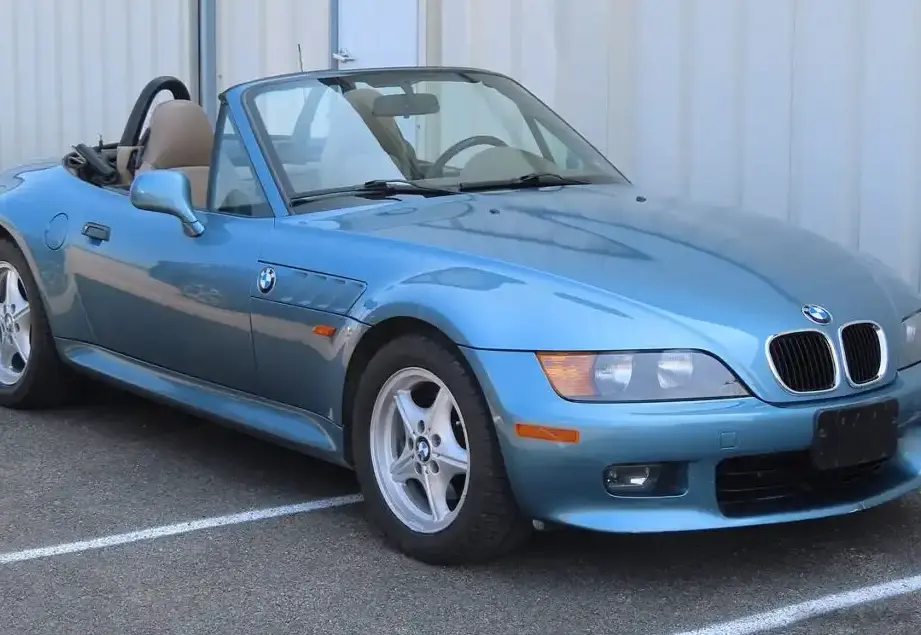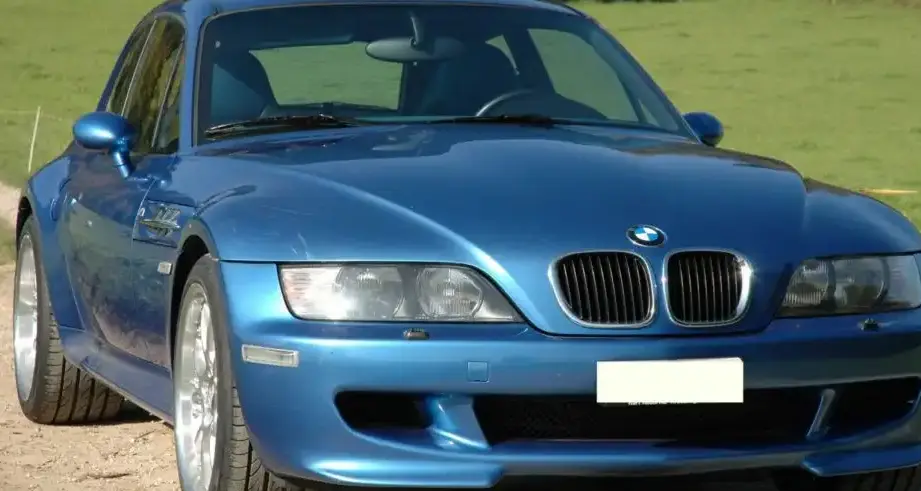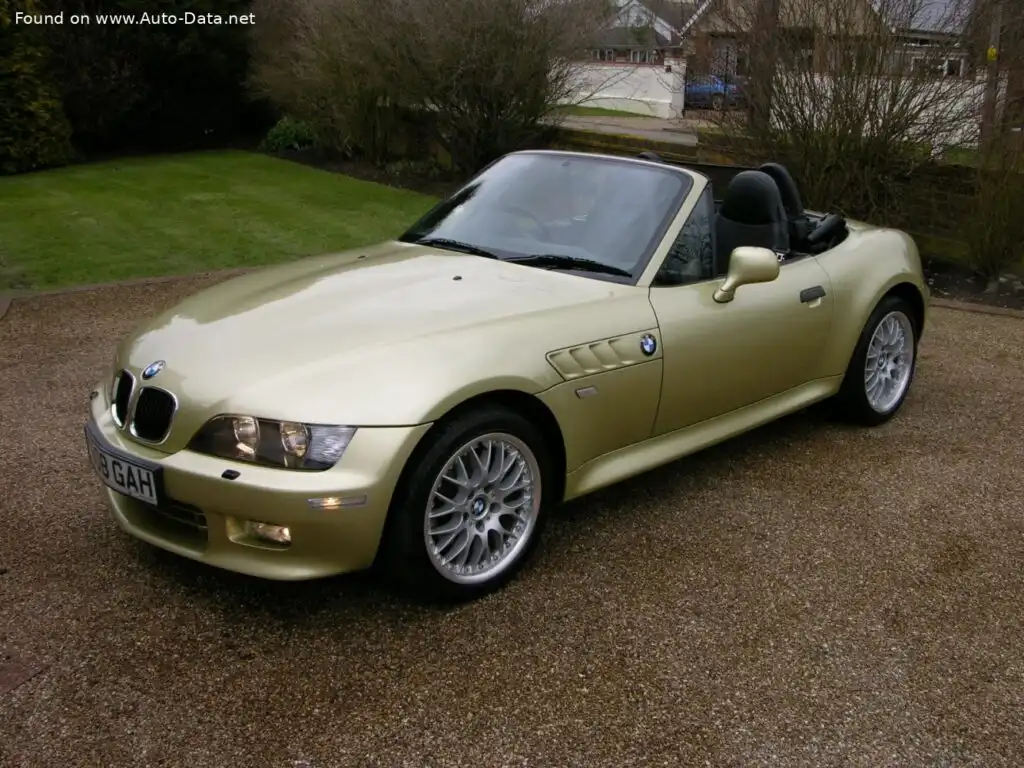
The BMW Z3 3.0i, produced between 2000 and 2003, represented the pinnacle of performance for the first generation (E36/7) Z3 roadster. Positioned as the range-topping model, it offered a significant step up in power and refinement compared to the 1.9 and 2.5 liter variants. The Z3, launched in 1996, was BMW’s answer to the Mazda MX-5 Miata, aiming to deliver a more premium and sporting experience in a compact, two-seat roadster package. The 3.0i specifically targeted enthusiasts seeking a blend of classic roadster driving dynamics with modern BMW engineering. It was a key model in establishing BMW’s presence in the affordable sports car segment, particularly in North America where the Z3 found a strong following.
Technical Specifications
| Brand | BMW |
| Model | Z3 |
| Generation | Z3 (E36/7) |
| Type (Engine) | 3.0i (231 Hp) |
| Start of production | 2000 year |
| End of production | 2003 year |
| Powertrain Architecture | Internal Combustion engine |
| Body type | Roadster |
| Seats | 2 |
| Doors | 2 |
| Fuel consumption (economy) – urban | 13 l/100 km (18.1 US mpg, 21.7 UK mpg, 7.7 km/l) |
| Fuel consumption (economy) – extra urban | 7.5 l/100 km (31.4 US mpg, 37.7 UK mpg, 13.3 km/l) |
| Fuel Type | Petrol (Gasoline) |
| Acceleration 0 – 100 km/h | 6 sec |
| Acceleration 0 – 62 mph | 6 sec |
| Acceleration 0 – 60 mph | 5.7 sec |
| Maximum speed | 250 km/h (155.34 mph) |
| Weight-to-power ratio | 5.6 kg/Hp, 177 Hp/tonne |
| Weight-to-torque ratio | 4.4 kg/Nm, 229.9 Nm/tonne |
| Power | 231 Hp @ 5900 rpm |
| Power per litre | 77.5 Hp/l |
| Torque | 300 Nm @ 3500 rpm (221.27 lb.-ft. @ 3500 rpm) |
| Engine layout | Front, Longitudinal |
| Engine Model/Code | M54B30 |
| Engine displacement | 2979 cm3 (181.79 cu. in.) |
| Number of cylinders | 6 |
| Engine configuration | Inline |
| Cylinder Bore | 84 mm (3.31 in.) |
| Piston Stroke | 89.6 mm (3.53 in.) |
| Compression ratio | 10.2:1 |
| Number of valves per cylinder | 4 |
| Fuel injection system | Multi-port manifold injection |
| Engine aspiration | Naturally aspirated engine |
| Engine oil capacity | 6.5 l (6.87 US qt | 5.72 UK qt) |
| Coolant | 10.5 l (11.1 US qt | 9.24 UK qt) |
| Kerb Weight | 1305 kg (2877.03 lbs.) |
| Max. weight | 1575 kg (3472.28 lbs.) |
| Max load | 270 kg (595.25 lbs.) |
| Trunk (boot) space – minimum | 165 l (5.83 cu. ft.) |
| Fuel tank capacity | 51 l (13.47 US gal | 11.22 UK gal) |
| Length | 4050 mm (159.45 in.) |
| Width | 1740 mm (68.5 in.) |
| Height | 1306 mm (51.42 in.) |
| Wheelbase | 2446 mm (96.3 in.) |
| Front track | 1413 mm (55.63 in.) |
| Rear (Back) track | 1494 mm (58.82 in.) |
| Drivetrain Architecture | The Internal combustion engine (ICE) drives the rear wheels of the vehicle. |
| Drive wheel | Rear wheel drive |
| Number of gears and type of gearbox | 5 gears, manual transmission |
| Front suspension | Spring Strut |
| Rear suspension | Coil spring |
| Front brakes | Ventilated discs |
| Rear brakes | Disc |
| Assisting systems | ABS (Anti-lock braking system) |
| Steering type | Steering rack and pinion |
| Power steering | Hydraulic Steering |
| Tires size | 225/50 R16 |
| Wheel rims size | 16 |
Powertrain & Engine Architecture
The heart of the Z3 3.0i is the M54B30, a 3.0-liter inline-six engine. This engine, part of BMW’s highly regarded M54 family, was a significant upgrade over the earlier M52 engines. It featured a double-VANOS variable valve timing system for both intake and exhaust camshafts, optimizing performance and fuel efficiency across the rev range. The M54B30 utilized multi-port fuel injection and a relatively high 10.2:1 compression ratio. The engine’s design emphasized smooth power delivery and a characteristic BMW inline-six sound. The 3.0i was exclusively offered with a 5-speed manual transmission, providing a direct connection to the engine’s power. This transmission was known for its precise shifts and robust construction.
Driving Characteristics
The Z3 3.0i delivered a noticeably more engaging driving experience than its lower-powered siblings. The 231 horsepower and 221 lb-ft of torque provided brisk acceleration, with 0-60 mph times consistently in the 5.7-second range. The manual transmission allowed for precise control, and the rear-wheel-drive layout contributed to a balanced and playful chassis. The suspension, while firm enough to provide good handling, was not overly harsh, making the Z3 3.0i a comfortable daily driver. Compared to the 2.5-liter model, the 3.0i offered a substantial increase in torque, making it more effortless in everyday driving situations and more capable on winding roads. The 3.0i’s performance was closer to that of the larger BMW coupes and sedans of the era, offering a similar level of refinement and driving enjoyment in a more compact package.
Equipment & Trim Levels
The Z3 3.0i came standard with a relatively well-equipped interior. Standard features included leather upholstery, power windows and locks, air conditioning, and a sport steering wheel. Optional extras were plentiful, including a premium sound system, heated seats, and a sport suspension package. The interior design was functional and driver-focused, with clear gauges and well-placed controls. The exterior styling was typically Z3, with a low-slung profile and a distinctive roadster silhouette. The 3.0i often featured unique badging and trim details to differentiate it from the lower-spec models.
Chassis & Braking
The Z3’s chassis was a traditional roadster design, with a rigid steel frame and independent suspension. The front suspension utilized MacPherson struts, while the rear featured a multi-link setup. The 3.0i benefited from slightly upgraded suspension components compared to the base models, providing improved handling and stability. Braking duties were handled by ventilated discs at the front and solid discs at the rear, equipped with ABS. The braking system was generally considered adequate for the car’s performance, although some enthusiasts opted for aftermarket upgrades for improved stopping power.
Market Reception & Comparison
The Z3 3.0i was well-received by automotive critics, who praised its performance, handling, and overall driving experience. It was often compared favorably to the Mazda MX-5 Miata, with reviewers noting the Z3’s more powerful engine and more refined interior. However, the Z3 was also criticized for its relatively small trunk space and its somewhat cramped interior. Fuel economy was reasonable for a sports car of its era, averaging around 18 mpg in the city and 31 mpg on the highway. Reliability was generally good, although some owners reported issues with the cooling system and the VANOS system.
Legacy
The BMW Z3 3.0i remains a popular choice among enthusiasts today. Its combination of classic roadster styling, strong performance, and BMW engineering has made it a sought-after used car. The M54B30 engine is known for its durability and relatively easy maintenance. Well-maintained examples of the Z3 3.0i can still provide years of enjoyable driving. The Z3 helped to revive the roadster segment and paved the way for the later Z4, which continued BMW’s tradition of building engaging and stylish sports cars. The 3.0i, in particular, represents a sweet spot in the Z3 lineup, offering a compelling blend of performance, refinement, and value.