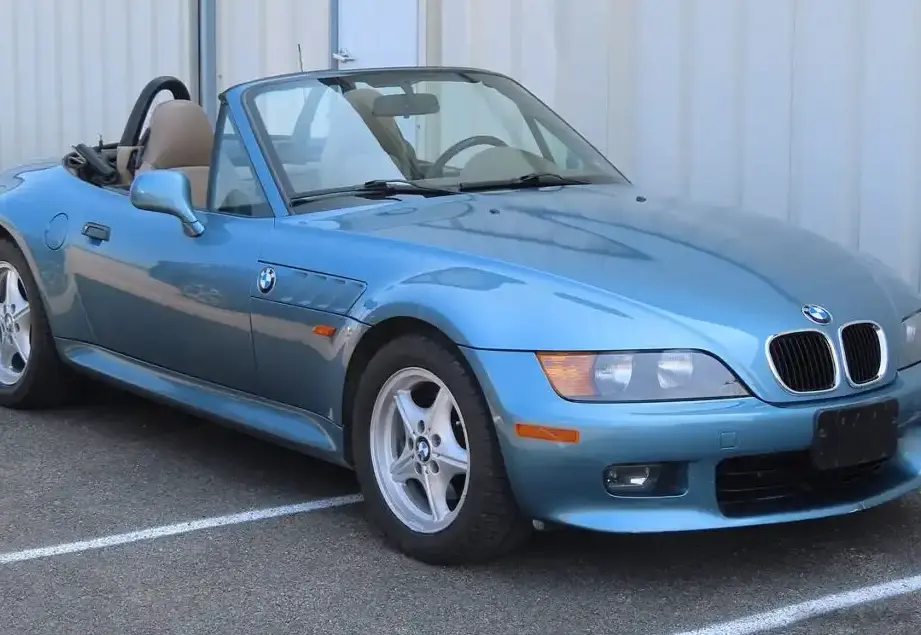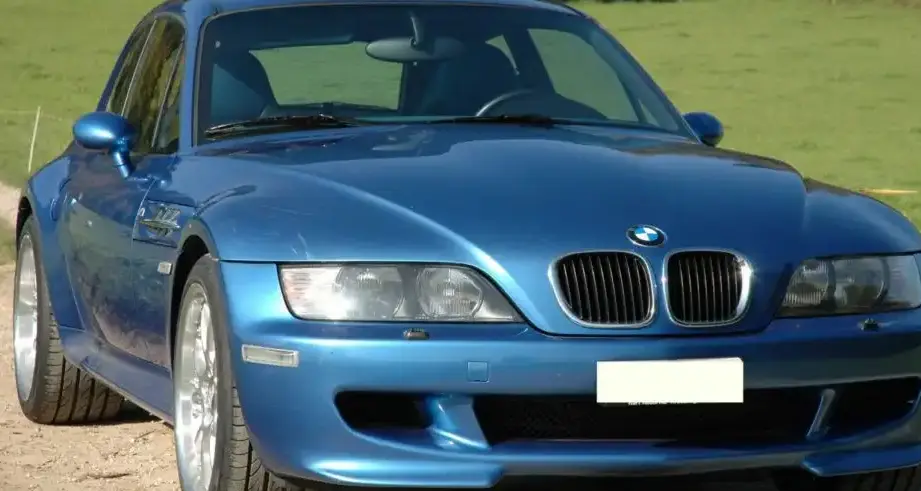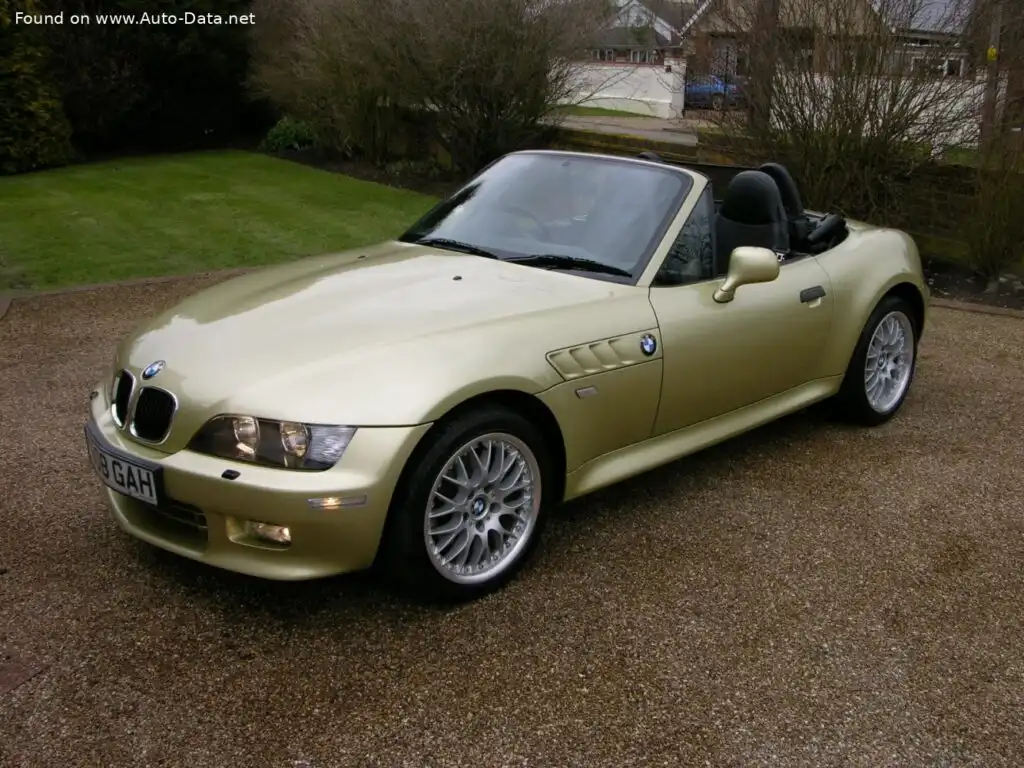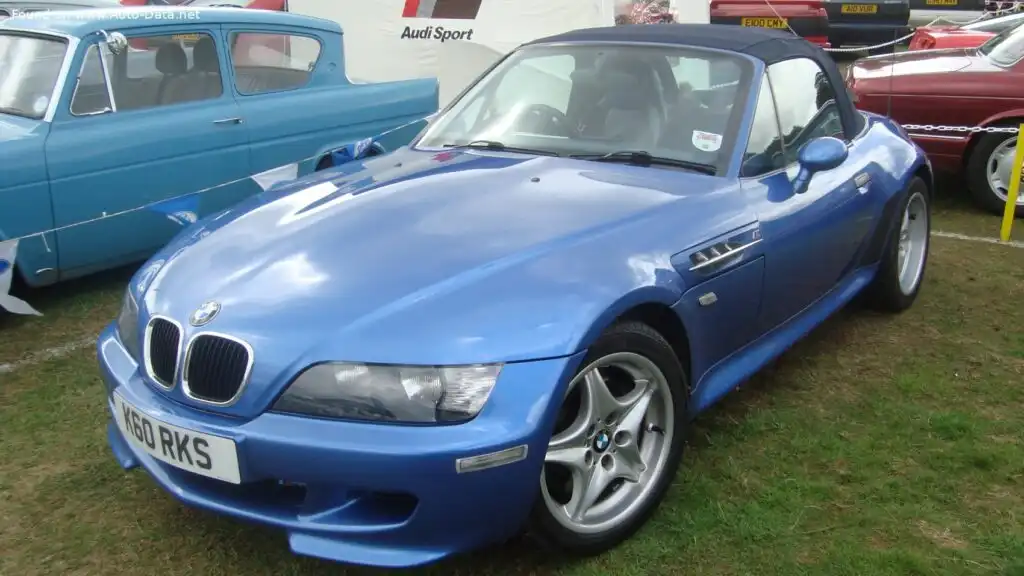
The BMW Z3 M Roadster (E36/7) with the 3.2-liter engine, producing 321 horsepower, represents the high-performance pinnacle of the first-generation Z3. Introduced in 1997 and continuing through 2003, it was designed to deliver a pure, engaging driving experience, directly competing with the Porsche Boxster and other premium roadsters. This variant was the flagship model of the Z3 range, positioned significantly above the base 1.8L and 2.5L versions in terms of performance and price. It quickly gained a reputation as a driver’s car, lauded for its responsive handling and powerful engine.
Technical Specifications
| Brand | BMW |
| Model | Z3 |
| Generation | Z3 M (E36/7) |
| Type (Engine) | 3.2 (321 Hp) |
| Start of production | 1997 |
| End of production | 2003 |
| Powertrain Architecture | Internal Combustion engine |
| Body type | Roadster |
| Seats | 2 |
| Doors | 2 |
| Fuel consumption (urban) | 16.6 l/100 km (14.2 US mpg, 17 UK mpg, 6 km/l) |
| Fuel consumption (extra urban) | 7.9 l/100 km (29.8 US mpg, 35.8 UK mpg, 12.7 km/l) |
| Fuel Type | Petrol (Gasoline) |
| Acceleration 0 – 100 km/h | 5 sec |
| Acceleration 0 – 62 mph | 5 sec |
| Acceleration 0 – 60 mph | 4.8 sec |
| Maximum speed | 250 km/h (155.34 mph) |
| Weight-to-power ratio | 4.2 kg/Hp, 236 Hp/tonne |
| Weight-to-torque ratio | 3.9 kg/Nm, 257.4 Nm/tonne |
| Power | 321 Hp @ 7400 rpm |
| Power per litre | 100.3 Hp/l |
| Torque | 350 Nm @ 3250 rpm (258.15 lb.-ft. @ 3250 rpm) |
| Engine layout | Front, Longitudinal |
| Engine Model/Code | S50B32 |
| Engine displacement | 3201 cm3 (195.34 cu. in.) |
| Number of cylinders | 6 |
| Engine configuration | Inline |
| Cylinder Bore | 86.4 mm (3.4 in.) |
| Piston Stroke | 91 mm (3.58 in.) |
| Compression ratio | 11.3:1 |
| Number of valves per cylinder | 4 |
| Fuel injection system | Multi-port manifold injection |
| Engine aspiration | Naturally aspirated engine |
| Valvetrain | DOHC |
| Engine oil capacity | 5.5 l (5.81 US qt | 4.84 UK qt) |
| Coolant | 10.8 l (11.41 US qt | 9.5 UK qt) |
| Kerb Weight | 1360 kg (2998.29 lbs.) |
| Max. weight | 1600 kg (3527.4 lbs.) |
| Max load | 240 kg (529.11 lbs.) |
| Trunk (boot) space – maximum | 165 l (5.83 cu. ft.) |
| Fuel tank capacity | 51 l (13.47 US gal | 11.22 UK gal) |
| Length | 4025 mm (158.46 in.) |
| Width | 1740 mm (68.5 in.) |
| Height | 1266 mm (49.84 in.) |
| Wheelbase | 2458 mm (96.77 in.) |
| Front track | 1422 mm (55.98 in.) |
| Rear (Back) track | 1492 mm (58.74 in.) |
| Drivetrain Architecture | Rear wheel drive |
| Drive wheel | Rear wheel drive |
| Number of gears and type of gearbox | 5 gears, manual transmission |
| Front suspension | Spring Strut |
| Rear suspension | Coil spring |
| Front brakes | Ventilated discs |
| Rear brakes | Ventilated discs |
| Assisting systems | ABS (Anti-lock braking system) |
| Steering type | Steering rack and pinion |
| Power steering | Hydraulic Steering |
| Tires size | 245/40 R17 |
| Wheel rims size | 17 |
INTRODUCTION
The Z3 M Roadster was born from a desire to inject true sporting credentials into the Z3 lineup. While the standard Z3 models offered stylish open-top motoring, they were often criticized for lacking the performance to match their looks. BMW addressed this with the M variant, utilizing a modified version of the S50 inline-six engine, originally developed for the E36 M3. Production spanned from 1997 to 2003, and the car was built at BMW’s Spartanburg, South Carolina plant. The Z3 M was a key model in establishing BMW’s reputation for building engaging and capable roadsters.
Powertrain & Engine Architecture
The heart of the Z3 M is the S50B32 engine, a 3.2-liter inline-six cylinder powerplant. This engine is a derivative of the S50B30 found in the European-market E36 M3, but with increased displacement and refined internals. It features individual throttle bodies, double VANOS (variable valve timing), and a high compression ratio of 11.3:1. Fuel is delivered via multi-port fuel injection. The engine produces 321 horsepower at 7,400 rpm and 350 Nm (258 lb-ft) of torque at 3,250 rpm. The Z3 M was exclusively offered with a 5-speed manual transmission, providing precise gear changes and enhancing the driving experience. The transmission features a robust design to handle the engine’s output.
Driving Characteristics
The Z3 M delivers a distinctly raw and engaging driving experience. The 3.2-liter engine provides strong acceleration throughout the rev range, with a particularly noticeable surge of power as it approaches its redline. The 5-speed manual transmission allows for precise control, and the short throw shifter contributes to a sporty feel. The car’s relatively lightweight construction (approximately 2,998 lbs) further enhances its agility. Compared to the 2.5L Z3, the M model offers significantly improved acceleration and handling. While the 2.5L provided a more comfortable and relaxed driving experience, the M variant prioritizes performance and driver involvement. The steering is direct and communicative, providing excellent feedback to the driver.
Equipment & Trim Levels
The Z3 M came relatively well-equipped, focusing on performance-oriented features. Standard equipment included sport seats, a sport suspension, and a limited-slip differential. Interior trim was typically leather-appointed, with options for different color combinations. Available options included air conditioning, a premium sound system, and a power-operated soft top. The Z3 M didn’t offer the extensive customization options found on some other BMW models; the focus remained on delivering a pure driving experience. The interior design was functional and driver-focused, with clear instrumentation and a straightforward layout.
Chassis & Braking
The Z3 M features a reinforced chassis compared to the standard Z3 models, providing increased rigidity and improved handling. The suspension consists of a MacPherson strut front suspension and a multi-link rear suspension, tuned for sporty performance. Braking duties are handled by ventilated disc brakes on all four wheels, providing ample stopping power. An Anti-lock Braking System (ABS) is standard. The car’s suspension setup is firm but not overly harsh, striking a balance between performance and comfort. The wider tires (245/40 R17) contribute to increased grip and stability.
Market Reception & Comparison
The Z3 M was generally well-received by automotive critics, who praised its powerful engine, responsive handling, and engaging driving experience. It was often compared favorably to the Porsche Boxster, with some reviewers preferring the BMW’s more raw and visceral feel. Fuel economy was reasonable for a high-performance roadster, averaging around 17 mpg in the city and 29 mpg on the highway. Reliability was generally good, although some owners have reported issues with the cooling system and VANOS system over time. Compared to the standard Z3 models, the M variant commanded a significantly higher price, reflecting its superior performance and equipment.
Legacy
The Z3 M Roadster has become a sought-after classic among BMW enthusiasts. Its combination of a powerful engine, engaging handling, and relatively lightweight construction makes it a rewarding car to drive. Well-maintained examples are holding their value, and the car is increasingly recognized as a significant model in BMW’s history. The S50B32 engine is known for its durability and tunability, making it a popular choice for modifications. While some maintenance items, such as the VANOS system, can require attention, the Z3 M remains a relatively reliable and enjoyable sports car for those willing to invest in its upkeep.