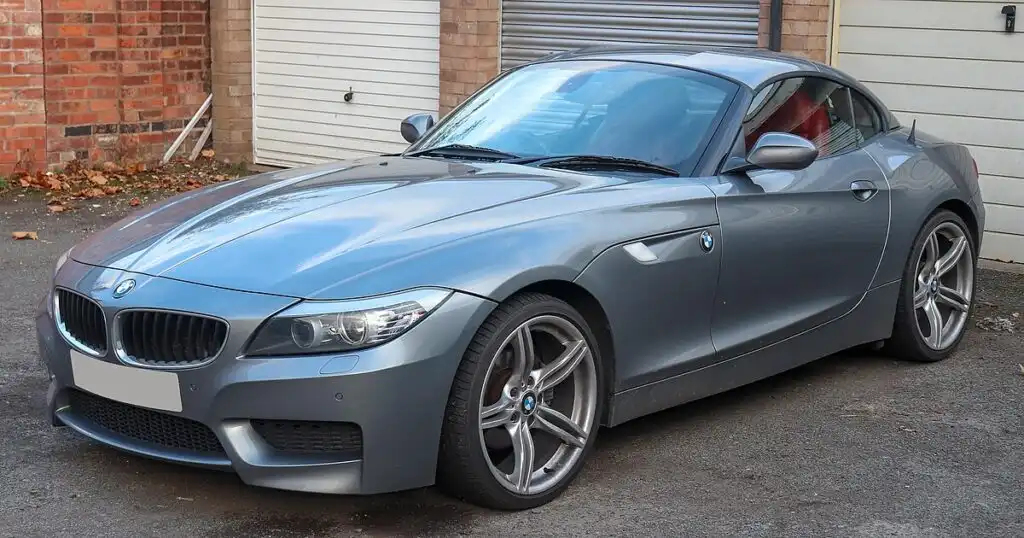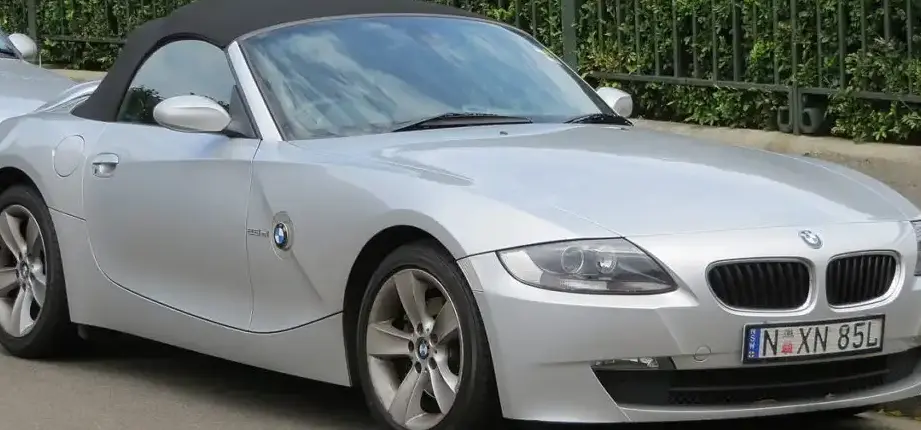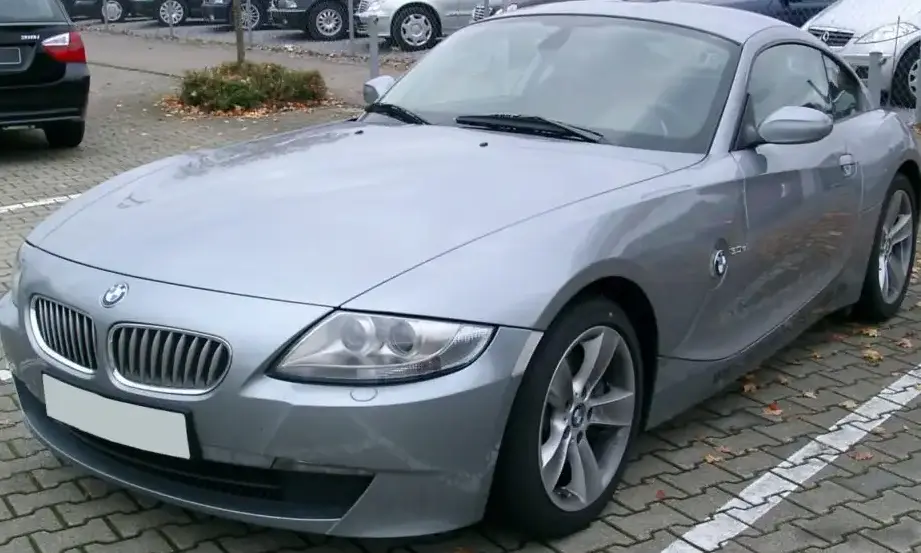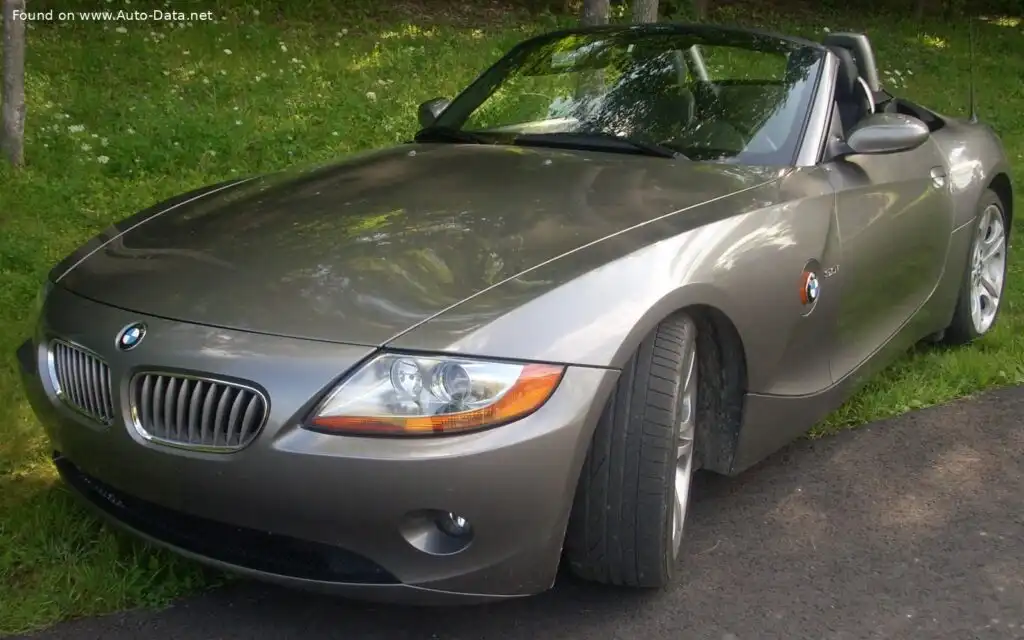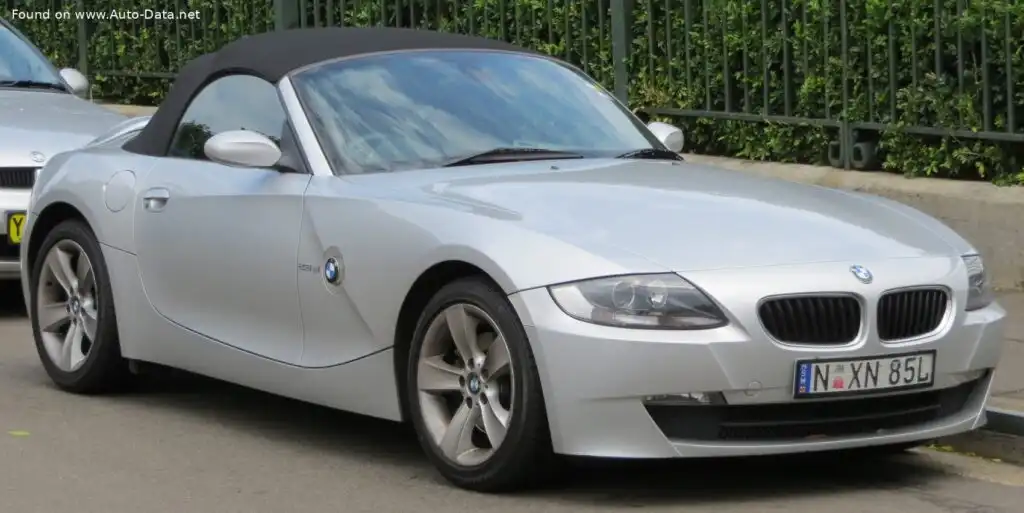
The BMW Z4 (E85) facelift, officially launched in 2006 (referred to as the LCI – Life Cycle Impulse), represented a significant refresh of BMW’s popular roadster. The 2.0i 16V variant, producing 150 horsepower, was a key model in the lineup from 2006 through 2008. Positioned as the entry-level offering, it aimed to provide an accessible entry point into BMW roadster ownership, balancing performance with affordability and fuel efficiency. This generation Z4, built on the E85 platform, sought to modernize the Z3 it replaced, offering a more refined driving experience and contemporary styling.
Technical Specifications
| Brand | BMW |
| Model | Z4 |
| Generation | Z4 (E85 LCI, facelift 2006) |
| Type (Engine) | 2.0i 16V (150 Hp) |
| Start of production | 2006 |
| End of production | 2008 |
| Powertrain Architecture | Internal Combustion engine |
| Body type | Roadster |
| Seats | 2 |
| Doors | 2 |
| Fuel consumption (urban) | 10.2 l/100 km (23.1 US mpg) |
| Fuel consumption (extra urban) | 5.6 l/100 km (42 US mpg) |
| Fuel Type | Petrol (Gasoline) |
| Acceleration 0 – 100 km/h | 8.2 sec |
| Acceleration 0 – 62 mph | 8.2 sec |
| Acceleration 0 – 60 mph | 7.8 sec |
| Maximum speed | 220 km/h (136.7 mph) |
| Weight-to-power ratio | 8.2 kg/Hp |
| Weight-to-torque ratio | 6.1 kg/Nm |
| Power | 150 Hp @ 6200 rpm |
| Torque | 200 Nm @ 3600 rpm (147.51 lb.-ft. @ 3600 rpm) |
| Engine layout | Front, Longitudinal |
| Engine Model/Code | N46B20B |
| Engine displacement | 1995 cm3 (121.74 cu. in.) |
| Number of cylinders | 4 |
| Engine configuration | Inline |
| Cylinder Bore | 84 mm (3.31 in.) |
| Piston Stroke | 90 mm (3.54 in.) |
| Compression ratio | 10.2:1 |
| Number of valves per cylinder | 4 |
| Fuel injection system | Multi-port manifold injection |
| Engine aspiration | Naturally aspirated engine |
| Engine oil capacity | 4.25 l (4.49 US qt | 3.74 UK qt) |
| Kerb Weight | 1225 kg (2700.66 lbs.) |
| Max. weight | 1520 kg (3351.03 lbs.) |
| Max load | 295 kg (650.36 lbs.) |
| Trunk (boot) space – minimum | 300 l (10.59 cu. ft.) |
| Fuel tank capacity | 55 l (14.53 US gal | 12.1 UK gal) |
| Length | 4091 mm (161.06 in.) |
| Width | 1781 mm (70.12 in.) |
| Height | 1268 mm (49.92 in.) |
| Wheelbase | 2495 mm (98.23 in.) |
| Front track | 1473 mm (57.99 in.) |
| Rear (Back) track | 1523 mm (59.96 in.) |
| Minimum turning circle | 9.8 m (32.15 ft.) |
| Drivetrain Architecture | Rear wheel drive |
| Number of gears | 6 gears, manual transmission |
| Front suspension | Spring Strut |
| Rear suspension | Coil spring |
| Front brakes | Ventilated discs |
| Rear brakes | Ventilated discs |
| Assisting systems | ABS (Anti-lock braking system) |
| Steering type | Steering rack and pinion |
| Power steering | Electric Steering |
| Tires size | 205/55 R16 |
| Wheel rims size | 16 |
INTRODUCTION
The 2.0i variant of the E85 Z4 facelift was powered by the N46B20B engine, a naturally aspirated 2.0-liter inline-four. This engine was a staple in BMW’s entry-level models during the mid-2000s. The LCI update brought revised styling, including new headlights and taillights, along with interior refinements. The 2.0i model served as the gateway to the Z4 experience, offering a balance of sporty handling and reasonable running costs. It was marketed towards buyers seeking a stylish and engaging roadster without the higher price tag of the more powerful 3.0i or 3.2i models.
Powertrain & Engine Architecture
The N46B20B engine is a 1995cc inline-four cylinder engine featuring double overhead camshafts (DOHC) and four valves per cylinder. It utilizes a multi-port fuel injection system, delivering fuel directly into the intake ports. The engine’s design prioritized smooth power delivery and fuel efficiency. The 150 horsepower peak is achieved at 6200 rpm, while the 200 Nm (147.51 lb-ft) of torque is available from 3600 rpm. The engine’s relatively high compression ratio of 10.2:1 contributes to its efficiency. The 2.0i was typically paired with a six-speed manual transmission, although a six-speed automatic transmission was also available. The automatic transmission, while offering convenience, did slightly impact acceleration and fuel economy compared to the manual.
Driving Characteristics
The Z4 2.0i offered a distinctly different driving experience compared to its more potent siblings. While it lacked the outright acceleration of the 3.0i or 3.2i models, it provided a nimble and engaging feel. The lighter engine weight contributed to balanced handling, and the rear-wheel-drive configuration ensured a sporty driving experience. Acceleration from 0-60 mph took around 7.8 to 8.2 seconds, depending on transmission. The six-speed manual transmission allowed for precise gear selection, maximizing the engine’s power band. The automatic transmission, while smooth, could feel somewhat hesitant during quick acceleration. The suspension, tuned for a balance of comfort and handling, provided a reasonably compliant ride on most road surfaces.
Equipment & Trim Levels
The 2.0i trim typically came standard with features such as power windows, power locks, air conditioning, and a basic audio system. Upholstery was typically cloth, although leather upholstery was available as an option. Optional extras included a premium sound system, heated seats, and a sport package that added features like sport suspension and upgraded wheels. The interior design was relatively minimalist, focusing on functionality and driver engagement. The LCI facelift brought subtle improvements to the interior trim and materials, enhancing the overall sense of quality.
Chassis & Braking
The Z4 E85 utilized a MacPherson strut front suspension and a multi-link rear suspension. This setup provided a good balance of handling and ride comfort. The 2.0i models typically featured ventilated disc brakes on all four wheels, providing adequate stopping power. Anti-lock braking system (ABS) was standard. The chassis was designed to be lightweight and rigid, contributing to the car’s sporty handling characteristics. The steering was a rack-and-pinion system with electric power assistance, providing precise and responsive steering feel.
Market Reception & Comparison
The Z4 2.0i was generally well-received by automotive critics as an accessible and enjoyable roadster. It was praised for its handling, fuel efficiency, and stylish design. However, some critics noted that the engine lacked the punch of the larger displacement engines. Compared to the 3.0i and 3.2i models, the 2.0i offered significantly better fuel economy, making it a more practical choice for everyday driving. It also had a lower purchase price and potentially lower maintenance costs. The 2.0i appealed to buyers who prioritized driving enjoyment and style over outright performance.
Legacy
The N46B20B engine, while generally reliable, is known to be susceptible to certain issues, including oil leaks and VANOS (variable valve timing) problems. Regular maintenance, including oil changes and VANOS servicing, is crucial for ensuring long-term reliability. Today, the Z4 2.0i represents an affordable entry point into BMW roadster ownership. Well-maintained examples are still relatively common on the used car market. Its combination of sporty handling, stylish design, and reasonable running costs continues to appeal to enthusiasts seeking a classic roadster experience. The E85 Z4, including the 2.0i variant, is increasingly appreciated as a modern classic, offering a compelling alternative to more expensive and complex sports cars.