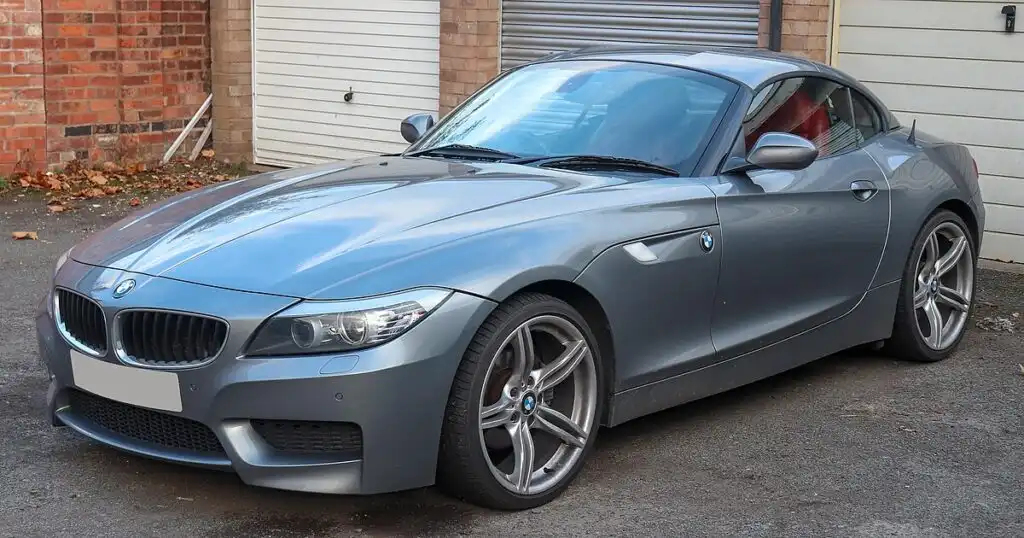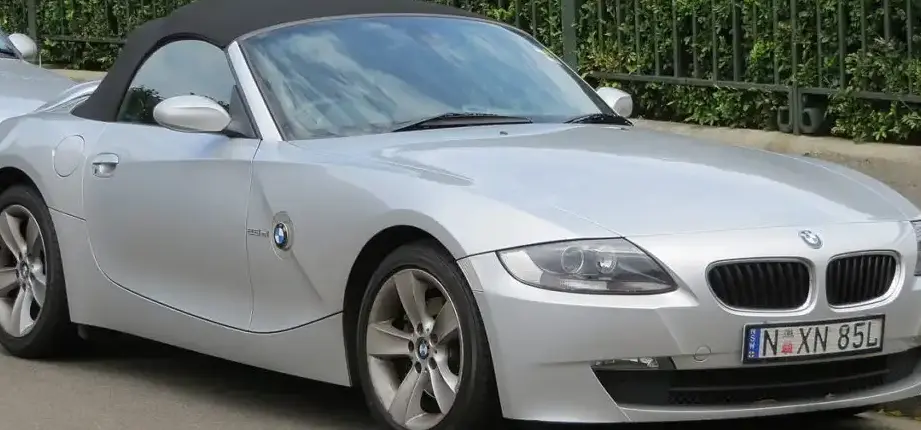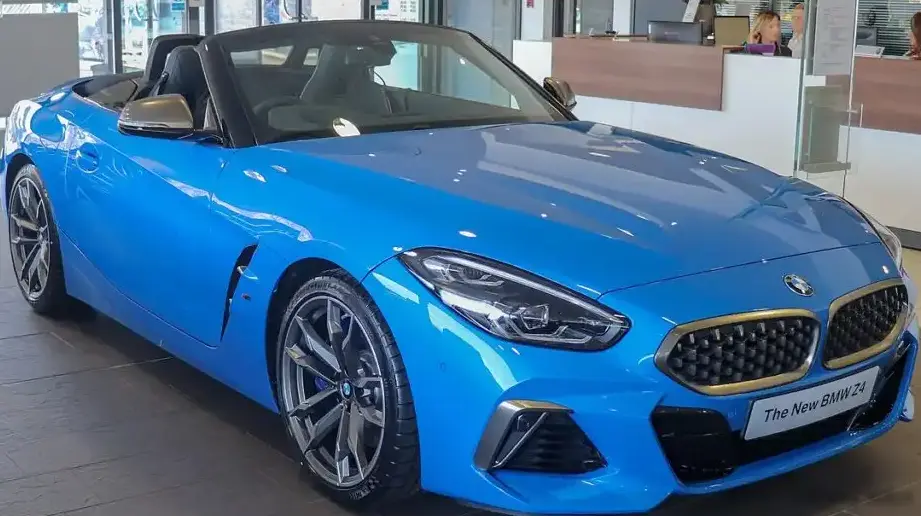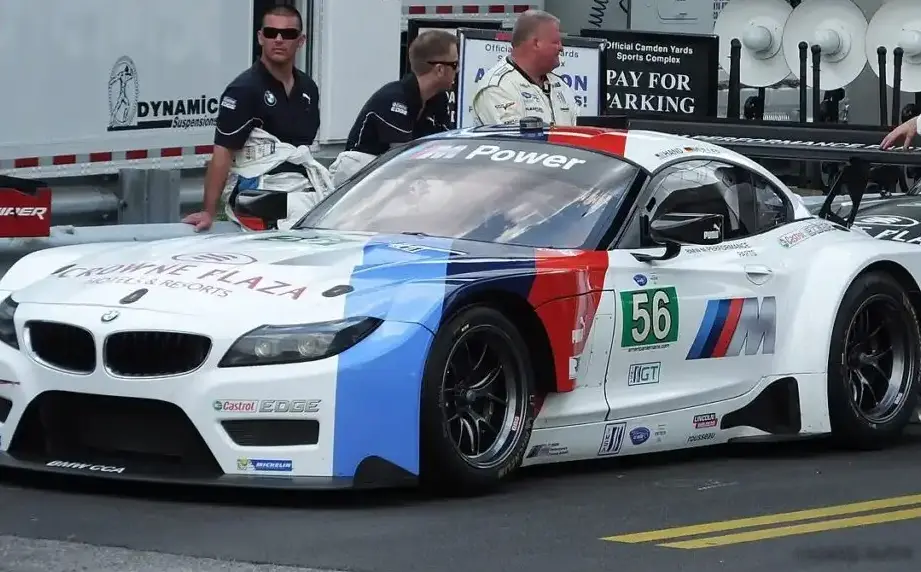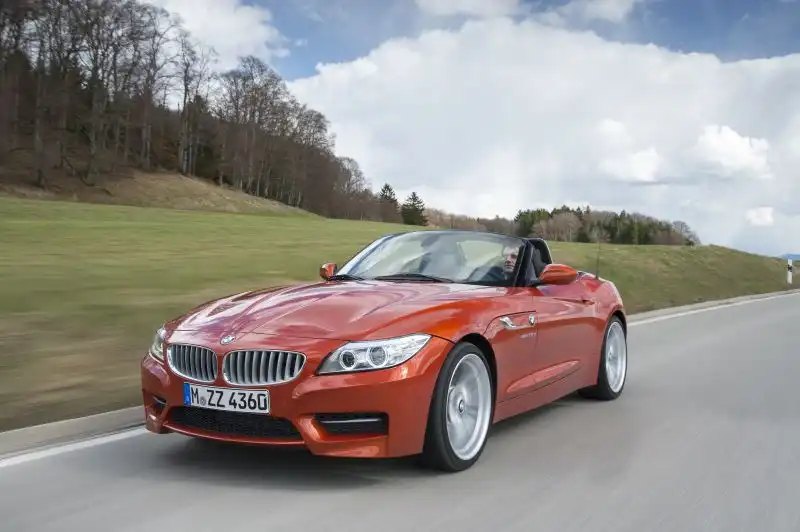
The BMW Z4 (E89 LCI), specifically the 28i sDrive variant produced from 2013 to 2016, represents a mid-cycle refresh of the E89 generation Z4 roadster. This facelift, known as the LCI (Life Cycle Impulse) in BMW terminology, brought updated styling, improved efficiency, and refinements to the interior. The 28i model occupied a central position in the Z4 lineup, offering a balance between performance and affordability, slotting below the more powerful 35i and 35is models. It was primarily aimed at buyers seeking a sporty, open-top driving experience without the higher price tag associated with the range-topping trims.
Technical Specifications
| Brand | BMW |
| Model | Z4 |
| Generation | Z4 (E89 LCI, facelift 2013) |
| Type (Engine) | 28i (245 Hp) sDrive |
| Start of production | 2013 |
| End of production | 2016 |
| Powertrain Architecture | Internal Combustion engine |
| Body type | Roadster |
| Seats | 2 |
| Doors | 2 |
| Fuel consumption (urban) | 9.1 l/100 km (25.8 US mpg, 31 UK mpg, 11 km/l) |
| Fuel consumption (extra urban) | 5.5 l/100 km (42.8 US mpg, 51.4 UK mpg, 18.2 km/l) |
| Fuel consumption (combined) | 6.8 l/100 km (34.6 US mpg, 41.5 UK mpg, 14.7 km/l) |
| CO2 emissions | 159 g/km |
| Fuel Type | Petrol (Gasoline) |
| Acceleration 0 – 100 km/h | 5.7 sec |
| Acceleration 0 – 62 mph | 5.7 sec |
| Acceleration 0 – 60 mph | 5.4 sec |
| Maximum speed | 250 km/h (155.34 mph) |
| Emission standard | Euro 6 |
| Weight-to-power ratio | 5.7 kg/Hp, 175 Hp/tonne |
| Weight-to-torque ratio | 4 kg/Nm, 250 Nm/tonne |
| Power | 245 Hp @ 5000-6500 rpm |
| Power per litre | 122.7 Hp/l |
| Torque | 350 Nm @ 1250-4800 rpm (258.15 lb.-ft. @ 1250-4800 rpm) |
| Engine layout | Front, Longitudinal |
| Engine Model/Code | N20B20A |
| Engine displacement | 1997 cm3 (121.86 cu. in.) |
| Number of cylinders | 4 |
| Engine configuration | Inline |
| Cylinder Bore | 84 mm (3.31 in.) |
| Piston Stroke | 90.1 mm (3.55 in.) |
| Compression ratio | 10:1 |
| Number of valves per cylinder | 4 |
| Fuel injection system | Direct injection |
| Engine aspiration | Twin-power turbo, Intercooler |
| Engine oil capacity | 5 l (5.28 US qt | 4.4 UK qt) |
| Coolant | 8.2 l (8.66 US qt | 7.21 UK qt) |
| Kerb Weight | 1400 kg (3086.47 lbs.) |
| Max. weight | 1730 kg (3814 lbs.) |
| Max load | 330 kg (727.53 lbs.) |
| Trunk (boot) space – minimum | 180 l (6.36 cu. ft.) |
| Trunk (boot) space – maximum | 310 l (10.95 cu. ft.) |
| Fuel tank capacity | 55 l (14.53 US gal | 12.1 UK gal) |
| Length | 4239 mm (166.89 in.) |
| Width | 1790 mm (70.47 in.) |
| Height | 1291 mm (50.83 in.) |
| Wheelbase | 2496 mm (98.27 in.) |
| Front track | 1511 mm (59.49 in.) |
| Rear (Back) track | 1559 mm (61.38 in.) |
| Ride height (ground clearance) | 130 mm (5.12 in.) |
| Drag coefficient (Cd) | 0.34 |
| Minimum turning circle (turning diameter) | 10.7 m (35.1 ft.) |
| Drivetrain Architecture | The Internal combustion engine (ICE) drives the rear wheels of the vehicle. |
| Drive wheel | Rear wheel drive |
| Number of gears and type of gearbox | 6 gears, manual transmission |
| Front suspension | Double wishbone |
| Rear suspension | Independent multi-link suspension |
| Front brakes | Ventilated discs |
| Rear brakes | Ventilated discs |
| Assisting systems | ABS (Anti-lock braking system) |
| Steering type | Steering rack and pinion |
| Power steering | Electric Steering |
| Tires size | 225/45 R17 |
| Wheel rims size | 8J x 17 |
INTRODUCTION
The E89 Z4, launched in 2009, marked BMW’s return to the traditional roadster formula after a hiatus. The LCI update in 2013 refined the design with sharper lines, a more aggressive front fascia, and updated interior materials. The 28i sDrive model, powered by the N20B20A 2.0-liter turbocharged four-cylinder engine, was a popular choice for buyers who prioritized fuel efficiency and everyday usability without sacrificing the Z4’s inherent sporty character. It was positioned as the entry point to the Z4 range, offering a more accessible price point than the 35i and 35is variants.
Powertrain & Engine Architecture
At the heart of the Z4 28i sDrive lies the N20B20A engine, a 2.0-liter inline-four cylinder powerplant. This engine utilizes direct fuel injection, a twin-scroll turbocharger, and variable valve timing (VANOS) and valve lift (Valvetronic) technologies to deliver a compelling blend of power and efficiency. The N20 engine is known for its responsiveness and relatively smooth power delivery. The engine produces 245 horsepower at 5,000-6,500 rpm and 258 lb-ft of torque between 1,250 and 4,800 rpm. The engine is longitudinally mounted, driving the rear wheels. The 28i was typically paired with a six-speed manual transmission, but an eight-speed automatic transmission was also available, offering smoother shifts and improved fuel economy. The automatic transmission featured steering wheel-mounted paddle shifters for manual control.
Driving Characteristics
The Z4 28i sDrive offered a balanced driving experience. While not as brutally quick as the 35i models, the 245 hp and 258 lb-ft of torque provided ample power for spirited driving on winding roads. The rear-wheel-drive configuration and well-tuned suspension contributed to a nimble and engaging feel. The automatic transmission, while smooth, could sometimes feel hesitant during quick downshifts. The gear ratios were optimized for a balance of acceleration and fuel economy. Compared to the manual transmission, the automatic offered a more relaxed driving experience, particularly in city traffic. The 28i’s lighter weight compared to the 35i models also contributed to its agility.
Equipment & Trim Levels
The Z4 28i sDrive came standard with a respectable array of features, including leatherette upholstery, automatic climate control, a power-retractable hardtop, and a BMW iDrive infotainment system. Optional extras included leather upholstery, heated seats, a premium sound system, navigation, and parking sensors. The LCI update brought subtle interior refinements, such as updated trim materials and revised switchgear. The standard wheels were 17-inch alloy wheels, with larger 18- and 19-inch options available. The interior design was driver-focused, with a cockpit-style layout and intuitive controls.
Chassis & Braking
The Z4 E89 utilized a double wishbone front suspension and an independent multi-link rear suspension, providing a comfortable yet sporty ride. The steering was precise and well-weighted, offering good feedback to the driver. The 28i model was equipped with ventilated disc brakes on all four wheels, providing ample stopping power. ABS (Anti-lock Braking System) was standard. The chassis was designed to be rigid, minimizing body roll and enhancing handling. The suspension tuning was geared towards providing a balance between comfort and performance, making the Z4 28i suitable for both daily driving and spirited weekend excursions.
Market Reception & Comparison
The Z4 28i sDrive was generally well-received by automotive critics. It was praised for its responsive engine, engaging handling, and comfortable ride. However, some reviewers noted that the interior space was somewhat limited, and the trunk capacity was relatively small. Compared to the Z4 35i, the 28i offered a more affordable entry point into the Z4 range, but it lacked the outright performance of its more powerful sibling. In terms of fuel economy, the 28i outperformed the 35i, making it a more practical choice for drivers who prioritized efficiency. The 28i also offered a more balanced driving experience than some of its competitors, such as the Porsche Boxster, which prioritized performance above all else.
Legacy
The N20 engine, while generally reliable, has been known to exhibit some issues, including oil leaks and cooling system problems. Regular maintenance and timely repairs are crucial to ensuring the longevity of this powertrain. The Z4 E89, including the 28i variant, has become a popular choice among used car buyers seeking a stylish and engaging roadster. The LCI models, with their updated styling and improved features, tend to command a premium in the used car market. The Z4 28i sDrive remains a compelling option for those seeking a fun-to-drive, open-top sports car that offers a good balance of performance, efficiency, and affordability.