
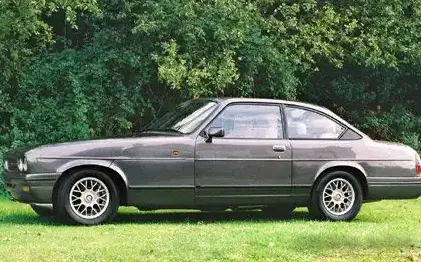
The Bristol Blenheim III 5.9i V8 3S, produced between 2002 and 2009, represents a continuation of Bristol’s tradition of hand-built, luxurious grand tourers. Positioned as the flagship of the Blenheim range, the 5.9i V8 3S offered the highest level of performance and refinement within the third generation of the Blenheim model, which spanned from 1996 to 2009 (designated 1HX0). The Blenheim, throughout its history, was never a high-volume seller, catering to a niche clientele seeking exclusivity and a distinctly British motoring experience. This variant aimed to provide a blend of effortless power and sophisticated comfort, appealing to drivers who valued a traditional, driver-focused experience over modern electronic aids.
Technical Specifications
| Brand | Bristol |
| Model | Blenheim |
| Generation | Blenheim III |
| Type (Engine) | 5.9 i V8 3S (390 Hp) |
| Start of production | 2002 |
| End of production | 2009 |
| Powertrain Architecture | Internal Combustion engine |
| Body type | Coupe |
| Seats | 4 |
| Doors | 2 |
| Fuel consumption (urban) | 18 l/100 km (13.1 US mpg) |
| Fuel consumption (extra urban) | 10 l/100 km (23.5 US mpg) |
| Fuel Type | Petrol (Gasoline) |
| Acceleration 0 – 100 km/h | 5.4 sec |
| Acceleration 0 – 62 mph | 5.4 sec |
| Acceleration 0 – 60 mph | 5.1 sec |
| Maximum speed | 250 km/h (155.34 mph) |
| Weight-to-power ratio | 4.5 kg/Hp |
| Weight-to-torque ratio | 3.5 kg/Nm |
| Power | 390 Hp @ 5500 rpm |
| Power per litre | 66.1 Hp/l |
| Torque | 500 Nm @ 4000 rpm (368.78 lb.-ft. @ 4000 rpm) |
| Engine layout | Front, Longitudinal |
| Engine Model/Code | Magnum |
| Engine displacement | 5900 cm3 (360.04 cu. in.) |
| Number of cylinders | 8 |
| Engine configuration | V-engine |
| Cylinder Bore | 101.6 mm (4 in.) |
| Piston Stroke | 90.93 mm (3.58 in.) |
| Compression ratio | 9.25:1 |
| Number of valves per cylinder | 4 |
| Fuel injection system | Multi-port manifold injection |
| Engine aspiration | Naturally aspirated engine |
| Kerb Weight | 1755 kg (3869.11 lbs.) |
| Trunk (boot) space | 540 l (19.07 cu. ft.) |
| Fuel tank capacity | 82 l (21.66 US gal | 18.04 UK gal) |
| Length | 4825 mm (189.96 in.) |
| Width | 1765 mm (69.49 in.) |
| Height | 1440 mm (56.69 in.) |
| Wheelbase | 2900 mm (114.17 in.) |
| Front track | 1450 mm (57.09 in.) |
| Rear track | 1460 mm (57.48 in.) |
| Drivetrain Architecture | Rear wheel drive |
| Drive wheel | Rear wheel drive |
| Number of gears | 4 |
| Gearbox type | Automatic transmission |
| Front suspension | Coil spring |
| Rear suspension | Torsion |
| Front brakes | Disc |
| Rear brakes | Disc |
| Assisting systems | ABS (Anti-lock braking system) |
| Tires size | 225/60 R16 |
| Wheel rims size | 16 |
Powertrain & Engine Architecture
The heart of the Blenheim III 5.9i V8 3S is the Bristol Magnum V8 engine, a naturally aspirated 5.9-liter (5900cc) powerplant. This engine, while appearing traditional in its layout, was a thoroughly modern design for its time, incorporating aluminum alloy construction for reduced weight. The engine utilizes a multi-port fuel injection system, delivering fuel directly into the intake ports, and features four valves per cylinder, contributing to its strong power output. The ‘3S’ designation indicates a specific tuning configuration, optimized for performance. The engine produces 390 horsepower at 5500 rpm and a substantial 500 Nm (368.78 lb-ft) of torque at 4000 rpm. This power is delivered to the rear wheels via a four-speed automatic transmission. While not offering the gear ratios of more modern automatics, this transmission was chosen for its smoothness and reliability, aligning with Bristol’s emphasis on a refined driving experience. The engine’s longitudinal mounting and rear-wheel-drive configuration contribute to the car’s balanced handling characteristics.
Driving Characteristics
The 5.9i V8 3S offers a distinctly different driving experience compared to its lower-powered Blenheim siblings. The substantial torque output of the V8 engine provides effortless acceleration in virtually any gear. The 0-60 mph time of around 5.1 seconds, while not blistering by modern standards, feels considerably quicker in real-world driving due to the engine’s responsiveness. Compared to the earlier 4.0-liter inline-six versions, the V8 offers a much broader powerband and a more muscular feel. The four-speed automatic transmission, while smooth, does mean that the engine operates at slightly higher revs during cruising compared to a manual or a more modern automatic with additional gears. However, this also contributes to the engine’s immediate responsiveness when the driver demands more power. The Blenheim III 5.9i V8 3S prioritizes a grand touring experience, offering a comfortable ride and a relaxed cruising demeanor, rather than outright sporty handling.
Equipment & Trim Levels
The Blenheim III 5.9i V8 3S was generously equipped, reflecting its position as the range-topping model. Standard features included Connolly leather upholstery, burled walnut veneer trim, electric windows, central locking, and an upgraded audio system. Air conditioning was also standard. Bristol offered a high degree of customization, allowing buyers to specify bespoke interior trim colors, wood veneers, and even exterior paint shades. Optional extras included heated front seats, a sunroof, and a more powerful audio system. The interior layout was classic British, with a focus on craftsmanship and comfort. The dashboard featured traditional gauges and a wood-rimmed steering wheel, creating a luxurious and inviting atmosphere.
Chassis & Braking
The Blenheim III utilized a traditional body-on-frame construction, providing a robust and durable chassis. The suspension system employed coil springs at the front and a torsion beam setup at the rear. While not as sophisticated as independent suspension systems found in some contemporary rivals, this setup provided a comfortable ride and predictable handling. The car featured disc brakes on all four wheels, providing adequate stopping power for its weight and performance. An anti-lock braking system (ABS) was standard, enhancing safety. The 5.9i V8 3S’s weight of 1755 kg (3869.11 lbs) was relatively high, but the engine’s torque helped to mitigate the effects of this weight.
Market Reception & Comparison
The Bristol Blenheim III 5.9i V8 3S was never subject to extensive road tests by mainstream automotive publications due to its limited production numbers and niche market appeal. However, reviews generally praised the car’s luxurious interior, powerful engine, and refined driving experience. Critics noted that the four-speed automatic transmission felt somewhat dated compared to more modern offerings. Fuel economy, at 18 l/100 km (13.1 US mpg) in urban conditions and 10 l/100 km (23.5 US mpg) on the highway, was relatively poor, but this was not a primary concern for the car’s target audience. Compared to the lower-powered Blenheim variants, the 5.9i V8 3S offered a significant performance upgrade, justifying its higher price tag. It competed with other high-end grand tourers, such as the Aston Martin DB7 and the Bentley Continental GT, although the Bristol offered a more understated and individualistic alternative.
Legacy
The Bristol Blenheim III 5.9i V8 3S remains a highly sought-after vehicle among collectors and enthusiasts. The Magnum V8 engine is known for its reliability and durability, provided it is properly maintained. The car’s hand-built construction and limited production numbers contribute to its exclusivity and value. In the used car market, prices for well-maintained examples of the 5.9i V8 3S have steadily increased in recent years. The Blenheim III represents a unique chapter in British automotive history, embodying a commitment to traditional craftsmanship and a distinctly individualistic approach to luxury motoring. Its blend of power, refinement, and exclusivity ensures its continued appeal to discerning drivers for years to come.

