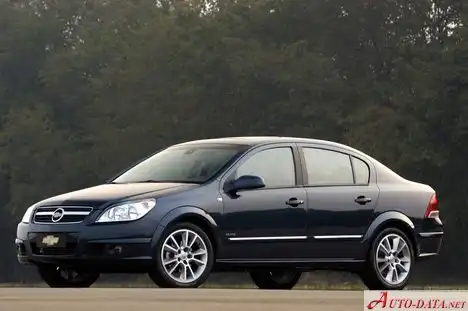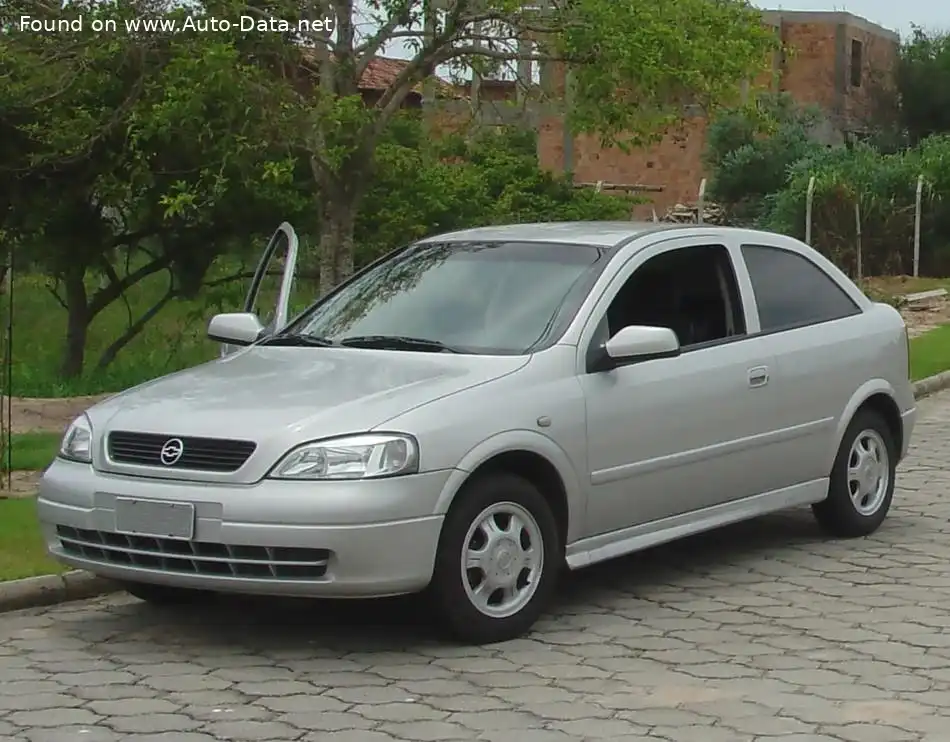
The Chevrolet Astra 1.8 i (110 Hp) is a compact front-wheel-drive hatchback produced by General Motors, primarily for the Latin American market, between 1998 and 2011. As a regional variant of the second-generation Opel Astra (Astra G), this vehicle represents a key chapter in GM’s global platform-sharing strategy. It combined European engineering and design with the strong brand recognition of Chevrolet in South America. Equipped with a dependable 1.8-liter, 8-valve gasoline engine, the Astra was positioned as a practical, versatile, and well-equipped vehicle in the competitive C-segment. For over a decade, it served as a popular choice for families and individuals seeking a balance of performance, fuel economy, and reliability, cementing its place as an automotive staple in countries like Brazil and Argentina.
History and Market Context
The genesis of the Chevrolet Astra 1.8 i (110 Hp) is rooted in the Opel Astra G, which was developed by Adam Opel AG in Germany and launched in Europe in 1998. The Astra G was a critically acclaimed model, praised for its significant advancements over its predecessor, the Astra F. Key improvements included a fully galvanized body to prevent rust, a longer wheelbase for improved interior space and ride stability, and a refined chassis that offered a superior driving experience.
General Motors, as the parent company of both Opel and Chevrolet, leveraged the success and solid engineering of the Astra G platform for its global markets. In Latin America, where the Chevrolet brand held a dominant market presence, it was strategically advantageous to market the vehicle as a Chevrolet rather than an Opel. Production began at the São Caetano do Sul plant in Brazil in 1998, and the vehicle quickly became a sales success.
The model’s long production run, extending to 2011, is a testament to its enduring popularity. While Europe moved on to the next-generation Astra H in 2004, the Astra G platform continued to be a cost-effective and desirable product in Latin America. Over its 13-year lifespan, the Chevrolet Astra received several minor facelifts and equipment updates to keep it competitive. These often included revised grilles, updated lighting clusters, new wheel designs, and modernized interior features. The 1.8-liter 8-valve engine was a mainstay of the lineup, known for its robustness and suitability for the region’s varying fuel quality and driving conditions.
Design and Features
The design of the Chevrolet Astra was a direct carryover from its Opel counterpart, penned under the direction of legendary designer Peter Horbury. The styling was a clear departure from the boxier shapes of the early 1990s, featuring a more rounded, aerodynamic silhouette with a drag coefficient of just 0.29 for some versions, which was excellent for its class at the time.
Exterior
The exterior was characterized by its clean lines, arched roofline, and distinctive triangular taillights. The hatchback variant was available in both three-door and five-door configurations, catering to different consumer needs. The three-door model presented a sportier, coupe-like profile, while the five-door offered greater practicality for families. Build quality was a significant selling point, with the use of a fully galvanized steel body offering a 12-year anti-perforation warranty—a major advantage in humid climates. The vehicle’s dimensions, with a length of 4110 mm and a wheelbase of 2614 mm, placed it squarely in the compact class, making it agile in urban environments while providing a stable footprint on the highway.
Interior
Inside, the Astra featured a driver-focused cockpit with a simple, ergonomic layout. The dashboard was typically constructed from durable, high-quality plastics, and the controls were intuitively placed. Compared to its predecessor, the interior offered substantially more room for passengers, particularly in the rear. The car comfortably seated five adults. Practicality was a strong suit, with the trunk offering a minimum of 370 liters of cargo space. With the rear seats folded down, this capacity expanded to an impressive 1180 liters, making it one of the more versatile vehicles in its segment. Depending on the trim level and model year, the Chevrolet Astra could be equipped with features such as air conditioning, power steering, power windows, central locking, and a factory-installed audio system.
Powertrain and Performance: Details of the Chevrolet Astra 1.8 i (110 Hp)
The heart of the Chevrolet Astra 1.8 i (110 Hp) is its gasoline engine, a power plant designed for reliability and adequate performance rather than outright speed. This engine was a staple in GM’s portfolio and perfectly suited the character of the vehicle.
Engine and Transmission
The engine is a naturally aspirated 1.8-liter (1796 cm³) inline-four cylinder unit with a single overhead camshaft (SOHC) and two valves per cylinder (8 valves total). This SOHC 8v configuration is a tried-and-true design known for its mechanical simplicity, durability, and strong low-to-mid-range torque delivery, which is beneficial for city driving. The fuel system utilized a multi-port manifold injection system, providing precise fuel delivery for improved efficiency and throttle response compared to older systems.
It produced a maximum power output of 110 horsepower (Hp) at 5400 rpm and a peak torque of 155 Newton-meters (Nm) at a relatively high 4800 rpm. While the peak torque figure arrived later in the rev range, the engine was known for its tractable nature across a broad spectrum of engine speeds. It was paired exclusively with a 5-speed manual transmission that routed power to the front wheels. This gearbox was noted for its positive shift feel and well-chosen gear ratios that balanced acceleration and highway cruising economy.
Performance and Fuel Economy
In terms of performance, the Chevrolet Astra 1.8 i (110 Hp) offered respectable figures for its era. The sprint from 0 to 100 km/h (0-62 mph) was accomplished in 10.6 seconds, with a top speed of 186 km/h (115.6 mph). These numbers made the Astra a capable performer, able to merge onto highways with confidence and undertake long journeys without feeling underpowered.
Fuel consumption was competitive for its class. In an urban driving cycle, it consumed approximately 10.6 liters per 100 kilometers. On the highway, under more constant speeds, consumption dropped to a more economical 6.9 liters per 100 kilometers. With a 52-liter fuel tank, this gave the Astra a decent range between fill-ups.
Chassis, Suspension, and Handling
The Astra G platform, on which the Chevrolet Astra was based, was lauded for its excellent balance of ride comfort and handling dynamics. The drivetrain architecture consisted of a transversely mounted engine driving the front wheels, a standard and efficient layout for compact cars.
The suspension setup featured independent MacPherson struts with coil springs at the front, a system that provides a good compromise between handling precision and absorbing road imperfections. The rear suspension used a semi-independent torsion beam axle with coil springs. This design is compact, durable, and cost-effective, allowing for a larger and flatter trunk floor while still providing stable and predictable handling characteristics.
Steering was a rack-and-pinion system with hydraulic power assistance. This provided drivers with good feedback from the road, a quality often missed in modern electric power steering systems. The braking system consisted of solid disc brakes at the front and traditional drum brakes at the rear. This front-disc/rear-drum combination was standard for non-performance models in this segment, offering reliable stopping power for everyday driving. The inclusion of an Anti-lock Braking System (ABS) was a crucial safety feature, preventing wheel lock-up during emergency braking and allowing the driver to maintain steering control.
Legacy
The Chevrolet Astra 1.8 i (110 Hp) carved out a significant legacy in the Latin American automotive landscape. It successfully translated a sophisticated European platform into a product that appealed to the regional market’s demands for durability, space, and value. For over a decade, it was a formidable competitor to other regional mainstays like the Volkswagen Golf and Ford Focus. Its reputation as a robust and reliable workhorse means many examples remain on the road today, a testament to their solid engineering and build quality. In conclusion, the Chevrolet Astra 1.8 i (110 Hp) was more than just a rebadged Opel; it was a strategically important model that became a trusted and familiar sight, embodying the ideal blend of global engineering and local market understanding.
Chevrolet Astra 1.8 i (110 Hp) Full Technical Specifications
| Category | Specification |
| ————————- | ——————————————————————————————————— |
| General Information | |
| Brand | Chevrolet |
| Model | Astra |
| Generation | Astra G |
| Production Start | 1998 |
| Production End | 2011 |
| Body Type | Hatchback (3/5 Doors) |
| Seats | 5 |
| Performance | |
| Acceleration 0-100 km/h | 10.6 seconds |
| Maximum Speed