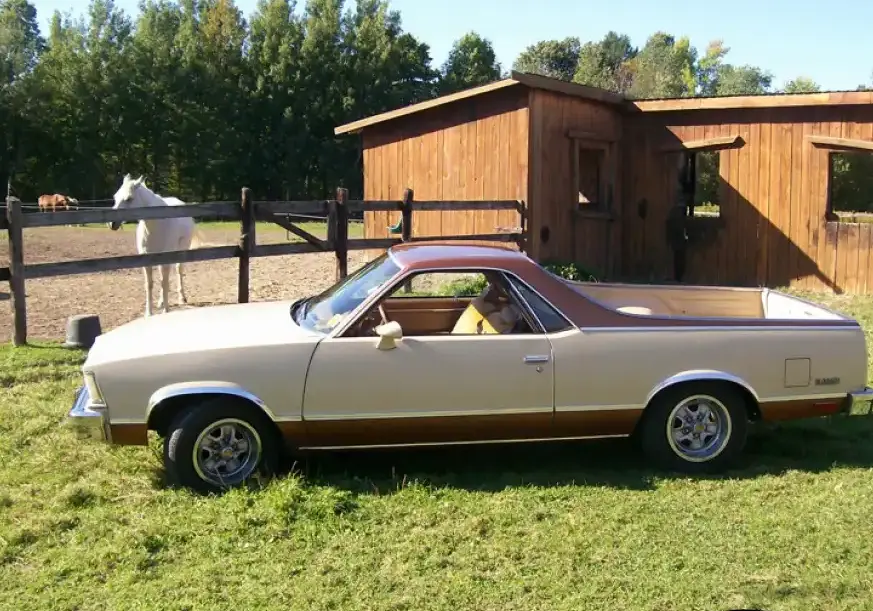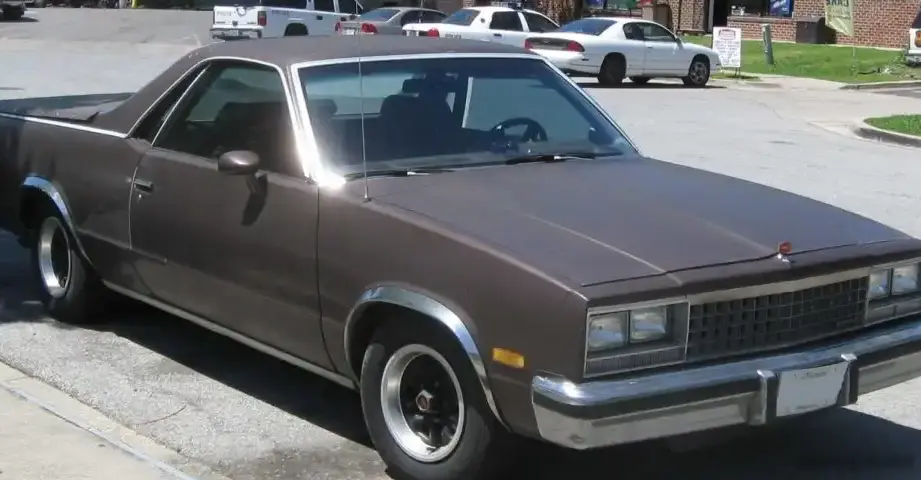
The Chevrolet Malibu El Camino, specifically the 1981-1983 facelifted model powered by the 4.3L diesel V6 engine paired with an automatic transmission, represents a unique chapter in Chevrolet’s history. Positioned as a utility-focused variant within the broader Malibu line, the El Camino blended the comfort of a mid-size sedan with the practicality of a pickup truck. This particular configuration, offering a diesel engine and automatic gearbox, aimed to provide a fuel-efficient and easy-to-drive option for buyers seeking a versatile vehicle. Production spanned from 1981 to 1983, falling within the second generation of the El Camino, which was based on the A-body platform shared with other GM vehicles of the era.
Technical Specifications
| Brand | Chevrolet |
| Model | Malibu |
| Generation | Malibu El Camino (Sedan Pickup, facelift 1981) |
| Type (Engine) | 4.3L d V6 (85 Hp) Automatic |
| Start of production | 1981 |
| End of production | 1983 |
| Powertrain Architecture | Internal Combustion engine |
| Body type | Pick-up |
| Seats | 3 |
| Doors | 2 |
| Fuel Type | Diesel |
| Power | 85 Hp @ 3600 rpm |
| Power per litre | 19.8 Hp/l |
| Torque | 223 Nm @ 1600 rpm / 164.48 lb.-ft. @ 1600 rpm |
| Engine layout | Front, Longitudinal |
| Engine Model/Code | LT6 |
| Engine displacement | 4293 cm3 / 261.97 cu. in. |
| Number of cylinders | 6 |
| Engine configuration | V-engine |
| Cylinder Bore | 103.05 mm / 4.06 in. |
| Piston Stroke | 85.98 mm / 3.39 in. |
| Compression ratio | 22.5:1 |
| Number of valves per cylinder | 2 |
| Fuel injection system | Precombustion chamber injection |
| Engine aspiration | Naturally aspirated engine |
| Valvetrain | OHV |
| Engine oil capacity | 6 l / 6.34 US qt | 5.28 UK qt |
| Coolant | 13.8 l / 14.58 US qt | 12.14 UK qt |
| Fuel tank capacity | 67 l / 17.7 US gal | 14.74 UK gal |
| Length | 5121 mm / 201.61 in. |
| Width | 1776 mm / 69.92 in. |
| Height | 1408 mm / 55.43 in. |
| Wheelbase | 2974 mm / 117.09 in. |
| Front track | 1486 mm / 58.5 in. |
| Rear (Back) track | 1467 mm / 57.76 in. |
| Front overhang | 915 mm / 36.02 in. |
| Rear overhang | 1232 mm / 48.5 in. |
| Ride height (ground clearance) | 160 mm / 6.3 in. |
| Minimum turning circle (turning diameter) | 13.0 m / 42.65 ft. |
| Approach angle | 23.5° |
| Departure angle | 17.5° |
| Ramp-over (brakeover) angle | 14.5° |
| Drivetrain Architecture | The Internal combustion engine (ICE) drives the rear wheels of the vehicle. |
| Drive wheel | Rear wheel drive |
| Number of gears and type of gearbox | 3 gears, automatic transmission |
| Front suspension | Independent, type McPherson with coil spring and anti-roll bar |
| Rear suspension | dependent spring suspension, Transverse stabilizer, Trailing arm |
| Front brakes | Ventilated discs |
| Rear brakes | Drum |
| Steering type | Steering rack and pinion |
| Tires size | 205/75 R14 |
| Wheel rims size | 6.0J x 14 |
Powertrain & Engine Architecture
The heart of this El Camino variant was the 4.3-liter (262 cubic inch) diesel V6, designated the LT6 engine code. This engine was a relatively uncommon offering in the American market, as diesel engines were gaining popularity for their fuel efficiency during the early 1980s. The LT6 featured a precombustion chamber injection system, a design common in European diesel engines of the time. This system utilized a small pre-chamber connected to the main combustion chamber, where fuel was initially injected and ignited, then transferred to the main chamber for complete combustion. The engine employed an overhead valve (OHV) valvetrain, a simpler and more cost-effective design compared to overhead cam systems. The three-speed automatic transmission was a typical GM unit for the era, designed for smooth and relatively simple operation. It was not known for particularly quick shifts, but it suited the engine’s torque characteristics and the intended use case of the vehicle.
Driving Characteristics
The 85 horsepower and 164 lb-ft of torque produced by the 4.3L diesel engine resulted in modest, but usable, performance. Acceleration was not brisk, and the El Camino was not intended to be a performance vehicle. However, the diesel engine’s torque curve provided adequate pulling power for light hauling and towing. The automatic transmission, with its relatively wide gear ratios, helped to keep the engine within its optimal operating range. Compared to the gasoline-powered V6 and V8 options available for the El Camino, the diesel automatic combination offered significantly better fuel economy, but at the expense of outright speed. The driving experience was generally smooth and comfortable, prioritizing ease of use over sporty handling.
Equipment & Trim Levels
The 1981-1983 Malibu El Camino with the 4.3L diesel and automatic transmission typically fell into the mid-range trim levels. Standard features included cloth upholstery, a basic AM radio, and a cigarette lighter. Options included upgraded sound systems, air conditioning, power steering, and cruise control. The interior was functional and durable, reflecting the vehicle’s work-oriented nature. Exterior trim was relatively simple, with chrome bumpers and basic wheel covers. The El Camino’s bed was a key feature, offering a versatile cargo area for hauling various items.
Chassis & Braking
The El Camino’s chassis utilized an independent McPherson strut front suspension with coil springs and an anti-roll bar, providing a reasonable level of ride comfort and handling. The rear suspension was a more traditional dependent spring setup with trailing arms and a transverse stabilizer. This configuration was common for rear-wheel-drive vehicles of the era. Braking duties were handled by ventilated discs at the front and drum brakes at the rear. While adequate for the vehicle’s weight and intended use, the braking system was not particularly powerful by modern standards. Steering was accomplished via a rack-and-pinion system, offering reasonably precise control.
Market Reception & Comparison
The diesel-powered El Camino received mixed reviews. Critics praised its fuel economy, which was a significant advantage during the early 1980s energy crisis. However, the engine’s lack of power and its somewhat noisy operation were common complaints. Compared to the gasoline-powered El Camino models, the diesel automatic version appealed to buyers prioritizing fuel efficiency and practicality over performance. The gasoline V6 offered more power, while the V8 provided even greater performance, but both came with a fuel economy penalty. The diesel El Camino occupied a niche market segment, attracting buyers who needed a versatile vehicle with good gas mileage.
Legacy
The 4.3L diesel V6 in the El Camino, while not known for exceptional longevity, proved to be reasonably durable with proper maintenance. However, like many diesel engines of the era, it was susceptible to issues with the injection pump and precombustion chambers. Today, these El Caminos are relatively rare and sought after by collectors and enthusiasts interested in unique and unusual vehicles. The diesel engine, while not a powerhouse, provides a distinctive driving experience and a connection to a period when diesel power was gaining traction in the American automotive market. The combination of a pickup bed, comfortable cabin, and fuel-efficient diesel engine makes this El Camino a unique and interesting piece of automotive history.