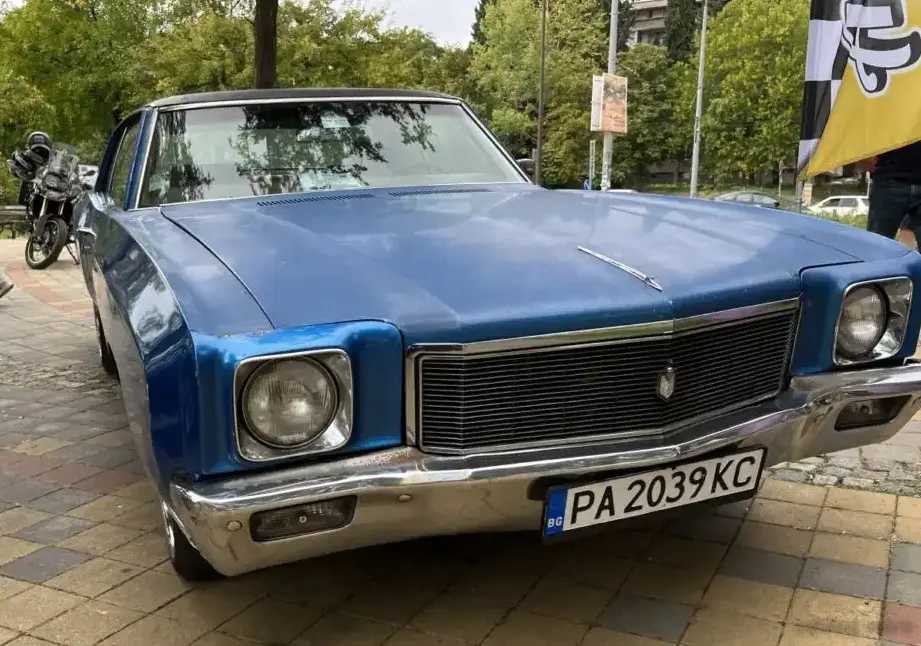
The Chevrolet Monte Carlo V 3.4 i V6, produced between 1994 and 1999, represented the fifth generation of Chevrolet’s iconic personal luxury coupe. This variant, powered by the 3.4-liter LQ1 V6 engine paired with a four-speed automatic transmission, occupied a middle ground within the Monte Carlo lineup, offering a balance between performance and affordability. It was positioned above the base models and below the higher-performance trims, appealing to buyers seeking a comfortable and stylish coupe with adequate power for everyday driving. The fifth-generation Monte Carlo, built on the GM W-body platform, aimed to recapture the spirit of the original Monte Carlo while offering modern amenities and improved safety features.
Technical Specifications
| Brand | Chevrolet |
| Model | Monte Carlo |
| Generation | Monte Carlo V |
| Type (Engine) | 3.4 i V6 (213 Hp) |
| Start of production | 1994 |
| End of production | 1999 |
| Powertrain Architecture | Internal Combustion engine |
| Body type | Coupe |
| Seats | 5 |
| Doors | 2 |
| Fuel Type | Petrol (Gasoline) |
| Weight-to-power ratio | 7.1 kg/Hp, 140.9 Hp/tonne |
| Weight-to-torque ratio | 5.2 kg/Nm, 192.5 Nm/tonne |
| Power | 213 Hp @ 5200 rpm |
| Power per litre | 63.5 Hp/l |
| Torque | 291 Nm @ 4000 rpm, 214.63 lb.-ft. @ 4000 rpm |
| Engine layout | Front, Transverse |
| Engine Model/Code | LQ1 |
| Engine displacement | 3352 cm3, 204.55 cu. in. |
| Number of cylinders | 6 |
| Engine configuration | V-engine |
| Cylinder Bore | 92 mm, 3.62 in. |
| Piston Stroke | 84 mm, 3.31 in. |
| Compression ratio | 9.3:1 |
| Number of valves per cylinder | 4 |
| Fuel injection system | Multi-port manifold injection |
| Engine aspiration | Naturally aspirated engine |
| Valvetrain | DOHC |
| Engine oil capacity | 5.2 l, 5.49 US qt | 4.58 UK qt |
| Coolant | 11.65 l, 12.31 US qt | 10.25 UK qt |
| Kerb Weight | 1512 kg, 3333.39 lbs |
| Trunk (boot) space – minimum | 434 l, 15.33 cu. ft |
| Fuel tank capacity | 63 l, 16.64 US gal | 13.86 UK gal |
| Length | 5102 mm, 200.87 in |
| Width | 1826 mm, 71.89 in |
| Height | 1366 mm, 53.78 in |
| Wheelbase | 2730 mm, 107.48 in |
| Front track | 1513 mm, 59.57 in |
| Rear (Back) track | 1493 mm, 58.78 in |
| Drivetrain Architecture | The Internal combustion engine (ICE) drives the front wheels of the vehicle. |
| Drive wheel | Front wheel drive |
| Number of gears and type of gearbox | 4 gears, automatic transmission |
| Front suspension | Coil spring |
| Rear suspension | Coil spring |
| Front brakes | Disc |
| Rear brakes | Drum |
| Assisting systems | ABS (Anti-lock braking system) |
| Steering type | Steering rack and pinion |
| Power steering | Hydraulic Steering |
| Tires size | 225/60 R16 S |
Powertrain & Engine Architecture
The heart of the Monte Carlo V 3.4 i was the LQ1 3.4-liter V6 engine. This engine, a member of Chevrolet’s 60-degree V6 family, featured a cast iron block and aluminum cylinder heads. It utilized a multi-port fuel injection system, delivering fuel directly to each cylinder for improved efficiency and performance. The engine’s dual overhead camshaft (DOHC) valvetrain, with four valves per cylinder, contributed to its relatively high output for its displacement. The LQ1 engine produced 213 horsepower at 5200 rpm and 291 Nm (214.63 lb-ft) of torque at 4000 rpm. This power was then channeled through a four-speed automatic transmission, a 4T65E unit, known for its smooth shifting characteristics. The transmission was calibrated for comfortable cruising rather than aggressive acceleration.
Driving Characteristics
The 3.4-liter V6 and four-speed automatic combination provided adequate, but not exhilarating, performance. Acceleration from 0 to 60 mph typically took around 8-9 seconds. The automatic transmission’s gear ratios were geared towards fuel economy and smooth operation, resulting in a less responsive feel compared to the available manual transmission options or the higher-output 3.8-liter V6. However, the automatic offered a more relaxed driving experience, particularly in city traffic. The front-wheel-drive configuration provided predictable handling, although it lacked the dynamic capabilities of rear-wheel-drive counterparts. Overall, the driving experience was geared towards comfort and convenience rather than sporty performance.
Equipment & Trim Levels
The Monte Carlo V 3.4 i typically came standard with features such as air conditioning, power windows and locks, a tilt steering wheel, and an AM/FM stereo. Interior upholstery was typically cloth, with options for leather available. Common optional extras included a sunroof, upgraded sound system, and alloy wheels. The dashboard layout was relatively straightforward, with easy-to-read gauges and logically placed controls. The trim level often dictated the availability of certain features, with higher trims offering more luxurious appointments.
Chassis & Braking
The Monte Carlo V utilized a front-wheel-drive chassis with independent coil spring suspension in the front and a coil spring suspension in the rear. The front suspension geometry was designed to provide comfortable ride quality and predictable handling. Braking duties were handled by disc brakes in the front and drum brakes in the rear. An anti-lock braking system (ABS) was standard, enhancing safety by preventing wheel lockup during hard braking. The steering system employed a rack-and-pinion setup with hydraulic power assist, providing responsive and effortless steering.
Market Reception & Comparison
The Monte Carlo V 3.4 i was generally well-received by critics as a comfortable and stylish coupe. However, some reviewers noted that the 3.4-liter V6 lacked the power and refinement of the optional 3.8-liter engine. Fuel economy was considered average for its class. Compared to the 3.8-liter V6 models, the 3.4-liter offered a more affordable entry point into the Monte Carlo lineup, but at the expense of performance. The 3.4-liter also proved to be generally reliable, with fewer reported issues compared to some of the more complex engine options available in other vehicles of the era.
Legacy
The Chevrolet Monte Carlo V 3.4 i remains a popular choice among collectors and enthusiasts seeking an affordable and stylish classic coupe. The LQ1 3.4-liter V6 engine is known for its durability and relatively simple maintenance requirements. While not a high-performance machine, the 3.4-liter Monte Carlo offers a comfortable and enjoyable driving experience. In the used car market, these models are generally available at reasonable prices, making them an attractive option for those looking for a classic American coupe. The combination of a reliable powertrain, comfortable interior, and distinctive styling has ensured the Monte Carlo V 3.4 i’s enduring appeal.