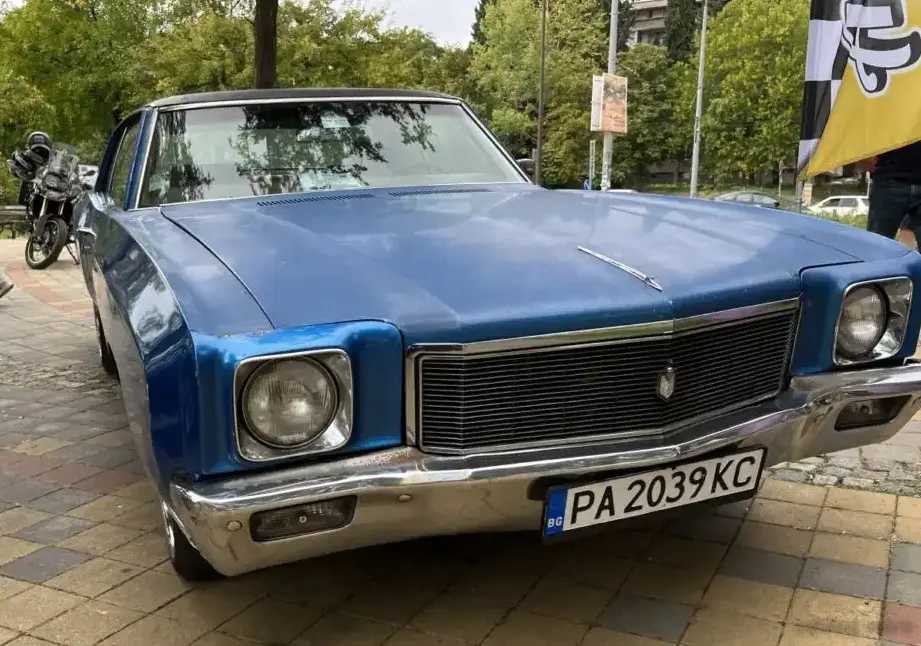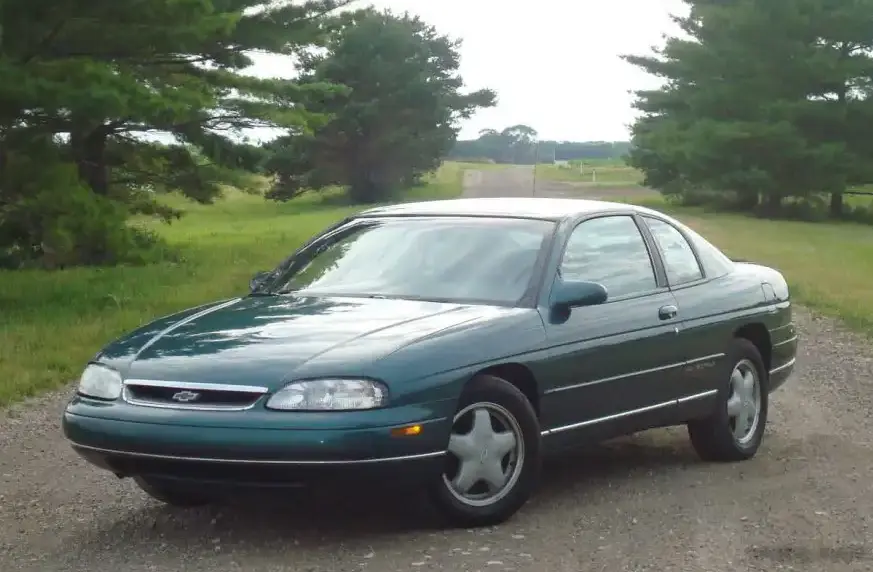
The Chevrolet Monte Carlo VI (1W) 3.5 i V6, produced from 2004 to 2007, represented the final generation of the iconic Monte Carlo nameplate. Positioned as a personal luxury coupe, it aimed to offer comfortable cruising and a sporty aesthetic. This particular variant, equipped with the 3.5-liter V6 engine and a four-speed automatic transmission, served as a mainstream offering within the Monte Carlo lineup, bridging the gap between the base models and potential higher-performance trims that were never fully realized for this generation. It was primarily marketed towards American consumers seeking a stylish, spacious coupe with a focus on comfort and ease of driving.
Technical Specifications
| Brand | Chevrolet |
| Model | Monte Carlo |
| Generation | Monte Carlo VI (1W) |
| Type (Engine) | 3.5 i V6 (212 Hp) |
| Start of production | 2004 |
| End of production | 2007 |
| Powertrain Architecture | Internal Combustion engine |
| Body type | Coupe |
| Seats | 5 |
| Doors | 2 |
| Fuel Type | Petrol (Gasoline) |
| Maximum speed | 180 km/h (111.85 mph) |
| Power | 212 Hp @ 5800 rpm |
| Power per litre | 60.4 Hp/l |
| Torque | 290 Nm @ 4000 rpm (213.89 lb.-ft. @ 4000 rpm) |
| Engine layout | Front, Transverse |
| Engine Model/Code | LZE |
| Engine displacement | 3510 cm3 (214.19 cu. in.) |
| Number of cylinders | 6 |
| Engine configuration | V-engine |
| Cylinder Bore | 99 mm (3.9 in.) |
| Piston Stroke | 76 mm (2.99 in.) |
| Compression ratio | 9.8:1 |
| Number of valves per cylinder | 2 |
| Fuel injection system | Multi-port manifold injection |
| Engine aspiration | Naturally aspirated engine |
| Engine oil capacity | 3.8 l (4.02 US qt | 3.34 UK qt) |
| Coolant | 11.6 l (12.26 US qt | 10.21 UK qt) |
| Trunk (boot) space – minimum | 447 l (15.79 cu. ft.) |
| Fuel tank capacity | 64 l (16.91 US gal | 14.08 UK gal) |
| Length | 5027 mm (197.91 in.) |
| Width | 1847 mm (72.72 in.) |
| Height | 1402 mm (55.2 in.) |
| Wheelbase | 2807 mm (110.51 in.) |
| Front track | 1575 mm (62.01 in.) |
| Rear (Back) track | 1560 mm (61.42 in.) |
| Drivetrain Architecture | The Internal combustion engine (ICE) drives the front wheels of the vehicle. |
| Drive wheel | Front wheel drive |
| Number of gears and type of gearbox | 4 gears, automatic transmission |
| Front suspension | Coil spring |
| Rear suspension | Coil spring |
| Front brakes | Ventilated discs |
| Rear brakes | Disc |
| Assisting systems | ABS (Anti-lock braking system) |
| Steering type | Steering rack and pinion |
| Power steering | Hydraulic Steering |
| Tires size | 225/60 R16 |
Powertrain & Engine Architecture
The heart of this Monte Carlo variant is the 3.5-liter (3510 cc) LZE V6 engine. This engine, part of Chevrolet’s 3800 Series II family, is a 60-degree V-engine featuring a cast iron block and aluminum cylinder heads. It utilizes a multi-port fuel injection system, delivering fuel directly to each intake port for optimized combustion. The engine boasts two valves per cylinder (DOHC) and a compression ratio of 9.8:1. The LZE engine was known for its relatively smooth operation and decent power output for its displacement. The four-speed automatic transmission (likely a 4T65E) was chosen for its ease of use and suitability for the car’s intended purpose – comfortable cruising. This transmission featured electronically controlled shifting and overdrive for improved fuel efficiency at highway speeds. The gear ratios were tuned for acceleration and relaxed highway driving, prioritizing comfort over outright performance.
Driving Characteristics
The 212 horsepower and 290 Nm (213.89 lb-ft) of torque provided by the 3.5L V6 and automatic transmission combination resulted in adequate, but not exhilarating, performance. Acceleration from 0 to 60 mph was estimated to be around 8-9 seconds. The automatic transmission, while smooth, did contribute to a slight loss of power compared to a manual transmission equipped model (had one been offered). The gear ratios were spaced to provide reasonable acceleration in everyday driving situations, but downshifts could be somewhat slow and hesitant. The Monte Carlo VI, even with this engine, was a relatively heavy car, which further impacted its overall agility. The focus was clearly on providing a comfortable and refined driving experience rather than sporty handling.
Equipment & Trim Levels
The 3.5L V6 automatic Monte Carlo typically came standard with features such as air conditioning, power windows and locks, a CD player, and cloth upholstery. Higher trim levels, such as the LT, added features like leather seats, upgraded audio systems, and alloy wheels. Optional extras included a sunroof, premium sound system, and remote keyless entry. The interior design was generally straightforward and functional, with a focus on providing a comfortable and spacious cabin for both driver and passengers. The dashboard layout was typical of early 2000s GM vehicles, featuring analog gauges and a centrally mounted infotainment system.
Chassis & Braking
The Monte Carlo VI utilized a front-wheel-drive platform with independent coil spring suspension in the front and a multi-link coil spring suspension in the rear. The suspension was tuned for comfort, providing a relatively soft ride quality. The front brakes were ventilated discs, while the rear brakes were solid discs. ABS (Anti-lock Braking System) was standard equipment. Steering was provided by a hydraulic power rack-and-pinion system. The tires were typically 225/60R16, offering a balance of ride comfort and grip.
Market Reception & Comparison
The Monte Carlo VI, and specifically the 3.5L V6 automatic variant, received mixed reviews. Critics generally praised its spacious interior, comfortable ride, and attractive styling. However, it was often criticized for its lack of sporty handling, somewhat dated interior design, and the automatic transmission’s tendency to hunt for gears. Compared to other coupes in its class, such as the Ford Mustang or Toyota Camry Solara, the Monte Carlo offered a more comfortable and spacious interior but lacked the same level of performance or driving engagement. Fuel economy was average for the segment, typically around 18-26 mpg depending on driving conditions.
Legacy
The Chevrolet Monte Carlo VI, including the 3.5L V6 automatic version, represents the end of an era for the Monte Carlo nameplate. While not a performance icon, it provided a comfortable and stylish option for buyers seeking a personal luxury coupe. The LZE V6 engine, while not known for exceptional reliability, proved to be reasonably durable with proper maintenance. Today, these Monte Carlos are relatively affordable on the used car market, making them an accessible option for those seeking a classic American coupe. However, potential buyers should be aware of potential issues with the automatic transmission and the age-related wear and tear common to vehicles of this era. The 3.5L automatic variant remains a common sight in the used car market, representing the most readily available configuration of the final Monte Carlo generation.