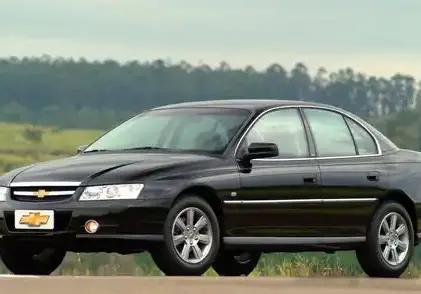
The Chevrolet Omega VT 3.8 i V6, produced from 1998 to 2005, represented a significant offering in the Brazilian and South American mid-size sedan market. Positioned as a premium variant within the VT Omega range (the third generation of the Omega), this model featured a 3.8-liter V6 engine producing 200 horsepower. It aimed to provide a blend of performance, comfort, and technology, competing with other large sedans available in the region. The VT series itself was a substantial update to the Omega line, incorporating revised styling, improved interior appointments, and updated mechanical components. This particular 3.8L V6 configuration was generally considered the top-tier engine option for the Omega VT.
Technical Specifications
| Brand | Chevrolet |
| Model | Omega |
| Generation | Omega (VT) |
| Type (Engine) | 3.8 i V6 (200 Hp) |
| Start of production | 1998 |
| End of production | 2005 |
| Powertrain Architecture | Internal Combustion engine |
| Body type | Sedan |
| Seats | 5 |
| Doors | 4 |
| Fuel consumption (urban) | 13.5 l/100 km (17.4 US mpg) |
| Fuel consumption (extra urban) | 8.1 l/100 km (29 US mpg) |
| Fuel Type | Petrol (Gasoline) |
| Acceleration 0 – 100 km/h | 10 sec |
| Acceleration 0 – 62 mph | 10 sec |
| Acceleration 0 – 60 mph | 9.5 sec |
| Maximum speed | 216 km/h (134.22 mph) |
| Weight-to-power ratio | 8.2 kg/Hp |
| Weight-to-torque ratio | 5.4 kg/Nm |
| Power | 200 Hp @ 5200 rpm |
| Power per litre | 52.8 Hp/l |
| Torque | 304 Nm @ 4000 rpm (224.22 lb.-ft. @ 4000 rpm) |
| Engine layout | Front, Longitudinal |
| Engine displacement | 3791 cm3 (231.34 cu. in.) |
| Number of cylinders | 6 |
| Engine configuration | V-engine |
| Cylinder Bore | 96.5 mm (3.8 in.) |
| Piston Stroke | 86.4 mm (3.4 in.) |
| Compression ratio | 9.4:1 |
| Number of valves per cylinder | 2 |
| Fuel injection system | Multi-port manifold injection |
| Engine aspiration | Naturally aspirated engine |
| Kerb Weight | 1640 kg (3615.58 lbs.) |
| Max. weight | 2085 kg (4596.64 lbs.) |
| Max load | 445 kg (981.06 lbs.) |
| Trunk (boot) space – minimum | 475 l (16.77 cu. ft.) |
| Fuel tank capacity | 75 l (19.81 US gal) |
| Length | 4880 mm (192.13 in.) |
| Width | 1825 mm (71.85 in.) |
| Height | 1440 mm (56.69 in.) |
| Wheelbase | 2790 mm (109.84 in.) |
| Front track | 1560 mm (61.42 in.) |
| Rear (Back) track | 1570 mm (61.81 in.) |
| Drivetrain Architecture | Rear wheel drive |
| Drive wheel | Rear wheel drive |
| Number of gears and type of gearbox | 5 gears, manual transmission |
| Front suspension | Coil spring |
| Rear suspension | Coil spring |
| Front brakes | Ventilated discs |
| Rear brakes | Disc |
| Assisting systems | ABS (Anti-lock braking system) |
| Steering type | Steering rack and pinion |
| Power steering | Hydraulic Steering |
| Tires size | 215/60 R16 |
Powertrain & Engine Architecture
The heart of the Omega VT 3.8 i V6 is the Chevrolet 3.8L (3791 cc) V6 engine. This engine, internally designated as the L48, is a naturally aspirated, 60-degree V6 featuring a cast iron block and aluminum cylinder heads. It utilizes a multi-port fuel injection system, delivering fuel directly into the intake ports. The engine boasts two valves per cylinder (a simple two-valve design) and a compression ratio of 9.4:1. The 5-speed manual transmission was the standard offering, providing a direct connection to the rear wheels. The engine’s longitudinal mounting allowed for a more balanced weight distribution, contributing to improved handling characteristics. The L48 engine was known for its relatively robust construction and straightforward design, making it reasonably reliable.
Driving Characteristics
The 200 horsepower and 224 lb-ft of torque provided by the 3.8L V6 delivered respectable performance for its time. Acceleration from 0-60 mph was achieved in approximately 9.5 seconds, and the car could reach a top speed of 134 mph. The 5-speed manual transmission allowed drivers to fully exploit the engine’s powerband. While not a sports car, the Omega VT 3.8 offered a comfortable and confident driving experience, particularly on the open road. The rear-wheel-drive configuration provided a balanced feel, although it lacked the all-weather capability of all-wheel-drive systems found in some competitors. Compared to the lower-displacement four-cylinder Omega models, the V6 offered significantly more power and torque, resulting in a more effortless driving experience, especially when fully loaded or tackling inclines.
Equipment & Trim Levels
The Omega VT 3.8 i V6 typically came well-equipped, reflecting its position as the premium trim level. Standard features included air conditioning, power windows and locks, central locking, and an upgraded audio system. Interior upholstery was typically cloth or leather, with woodgrain trim accents on the dashboard and door panels. Optional extras included a sunroof, upgraded sound system, and alloy wheels. The VT series also saw the introduction of features like a multi-function display and improved safety equipment, such as ABS brakes. The overall interior design aimed for a comfortable and refined atmosphere, appealing to buyers seeking a more luxurious driving experience.
Chassis & Braking
The Omega VT utilized a traditional body-on-frame construction, providing a robust and durable chassis. Suspension consisted of coil springs all around, with independent front suspension and a solid rear axle. The braking system featured ventilated disc brakes at the front and solid disc brakes at the rear, providing adequate stopping power for the vehicle’s weight and performance. ABS (Anti-lock Braking System) was standard, enhancing safety and control during emergency braking situations. The steering system employed a hydraulic power steering rack and pinion, offering precise and responsive steering feel.
Market Reception & Comparison
The Chevrolet Omega VT 3.8 i V6 was generally well-received by automotive critics in Brazil and South America. It was praised for its spacious interior, comfortable ride, and strong engine performance. However, some critics noted its relatively high fuel consumption compared to smaller, more fuel-efficient alternatives. Compared to the four-cylinder Omega models, the V6 offered a significant performance upgrade but came at a higher price point. It competed directly with other large sedans like the Ford Versailles and Volkswagen Passat, offering a compelling combination of features and performance. The Omega’s rear-wheel-drive layout was seen as a positive by driving enthusiasts, but it also contributed to slightly higher fuel consumption and reduced traction in adverse weather conditions.
Legacy
The Chevrolet Omega VT 3.8 i V6 remains a popular choice among classic car enthusiasts in Brazil and South America. The L48 V6 engine is known for its durability and relatively simple maintenance requirements. While parts availability can be a challenge, the engine’s robust construction ensures that many examples remain on the road today. The Omega VT 3.8 i V6 is often appreciated for its classic styling, comfortable ride, and strong performance, making it a desirable and collectible vehicle in the used car market. Its legacy as a comfortable, powerful, and well-equipped sedan continues to endure, solidifying its place in automotive history.