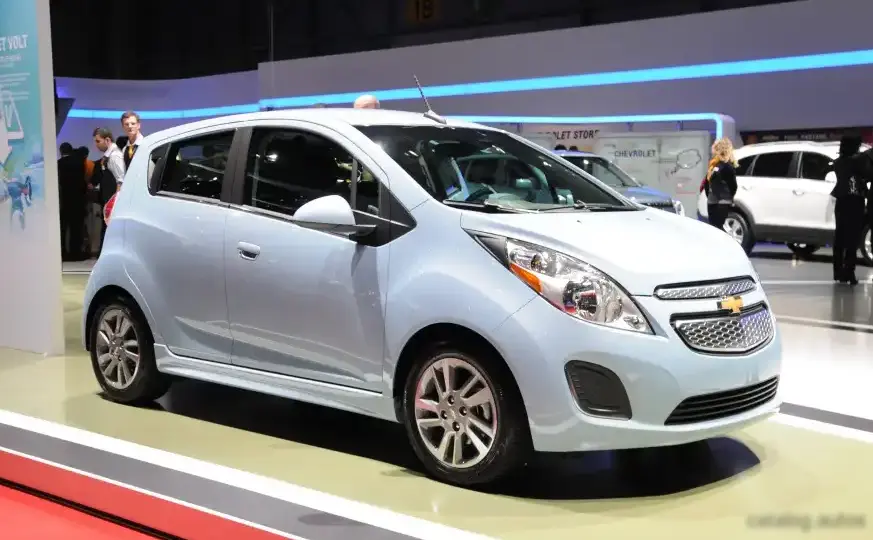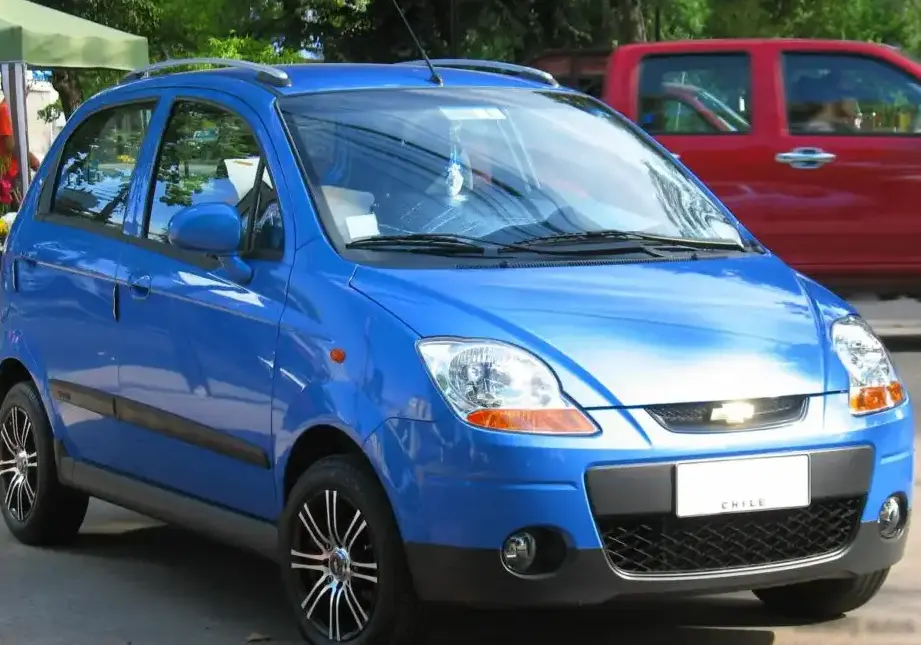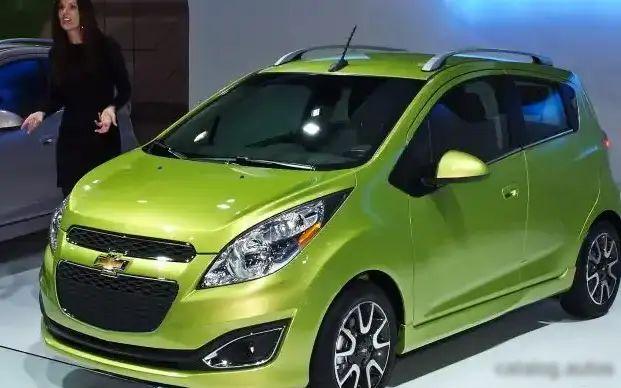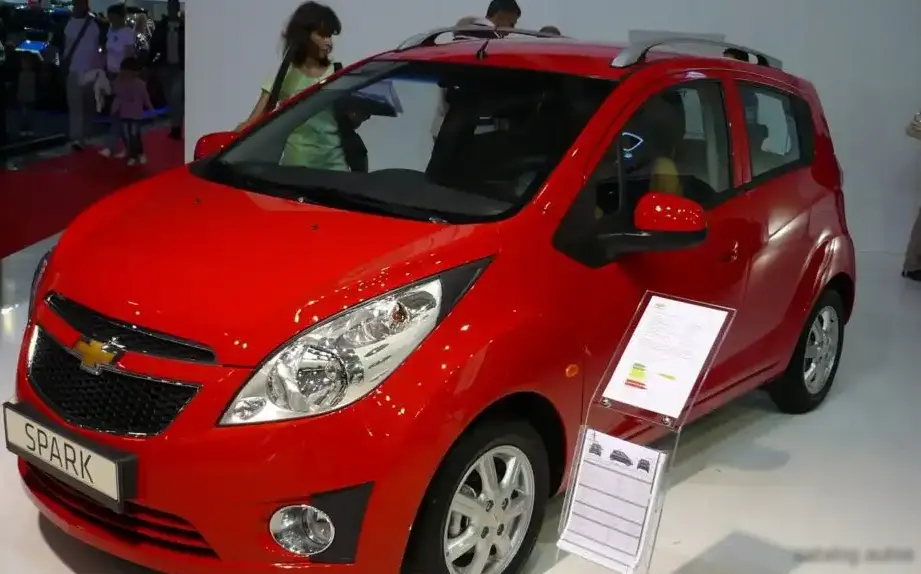
The Chevrolet Spark III 1.0 16V, produced from 2009 to 2013, represented the third generation of Chevrolet’s subcompact city car. This variant, equipped with the 1.0-liter 16-valve engine producing 68 horsepower, served as the entry-level offering in the Spark III lineup, primarily targeted at budget-conscious buyers and those seeking an economical vehicle for urban commuting. It was a key model for Chevrolet in markets where small, fuel-efficient cars were in high demand, particularly in Europe and emerging markets. The Spark III was built on General Motors’ global mini platform, and this specific engine/transmission combination aimed to provide a balance of affordability and practicality.
Technical Specifications
| Brand | Chevrolet |
| Model | Spark |
| Generation | Spark III |
| Type (Engine) | 1.0 16V (68 Hp) |
| Start of production | 2009 |
| End of production | 2013 |
| Powertrain Architecture | Internal Combustion engine |
| Body type | Hatchback |
| Seats | 5 |
| Doors | 5 |
| Fuel consumption (urban) | 6.6 l/100 km (35.6 US mpg) |
| Fuel consumption (extra urban) | 4.2 l/100 km (56 US mpg) |
| Fuel consumption (combined) | 5.1 l/100 km (46.1 US mpg) |
| Fuel Type | Petrol (Gasoline) |
| Acceleration 0 – 100 km/h | 15.5 sec |
| Acceleration 0 – 62 mph | 15.5 sec |
| Acceleration 0 – 60 mph | 14.7 sec |
| Maximum speed | 154 km/h (95.69 mph) |
| Emission standard | Euro 5 |
| Weight-to-power ratio | 13.8 kg/Hp |
| Weight-to-torque ratio | 10.1 kg/Nm |
| Power | 68 Hp @ 6400 rpm |
| Torque | 93 Nm @ 4800 rpm (68.59 lb.-ft. @ 4800 rpm) |
| Engine layout | Front, Transverse |
| Engine Model/Code | B10D1 |
| Engine displacement | 995 cm3 (60.72 cu. in.) |
| Number of cylinders | 4 |
| Engine configuration | Inline |
| Cylinder Bore | 68.5 mm (2.7 in.) |
| Piston Stroke | 67.5 mm (2.66 in.) |
| Compression ratio | 9.8:1 |
| Number of valves per cylinder | 4 |
| Fuel injection system | Multi-port manifold injection |
| Engine aspiration | Naturally aspirated engine |
| Valvetrain | DOHC |
| Engine oil capacity | 3.75 l (3.96 US qt | 3.3 UK qt) |
| Kerb Weight | 939 kg (2070.14 lbs.) |
| Max. weight | 1355 kg (2987.26 lbs.) |
| Max load | 416 kg (917.12 lbs.) |
| Trunk (boot) space – minimum | 170 l (6 cu. ft.) |
| Fuel tank capacity | 35 l (9.25 US gal | 7.7 UK gal) |
| Length | 3640 mm (143.31 in.) |
| Width | 1597 mm (62.87 in.) |
| Height | 1522 mm (59.92 in.) |
| Wheelbase | 2375 mm (93.5 in.) |
| Front track | 1410 mm (55.51 in.) |
| Rear (Back) track | 1417 mm (55.79 in.) |
| Minimum turning circle | 9.9 m (32.48 ft.) |
| Drivetrain Architecture | Front wheel drive |
| Number of gears | 5 gears, manual transmission |
| Front suspension | Independent type McPherson |
| Rear suspension | Torsion |
| Front brakes | Ventilated discs |
| Rear brakes | Drum |
| Assisting systems | ABS (Anti-lock braking system) |
| Power steering | Hydraulic Steering |
| Tires size | 155/80/13 |
| Wheel rims size | 13 |
Powertrain & Engine Architecture
The heart of the Spark III 1.0 was the B10D1 engine, a 995cc inline-four cylinder gasoline engine. This engine featured a double overhead camshaft (DOHC) valvetrain with four valves per cylinder, contributing to its relatively efficient operation. It utilized a multi-point fuel injection system, delivering fuel directly to the intake ports. The engine’s modest output of 68 horsepower at 6400 rpm and 93 Nm (68.59 lb-ft) of torque at 4800 rpm was achieved through a relatively high compression ratio of 9.8:1. The engine was transversely mounted in the front of the vehicle, driving the front wheels. Paired with this engine was a standard five-speed manual transmission, optimized for fuel economy rather than outright performance. An optional four-speed automatic transmission was available, but it further reduced acceleration and slightly increased fuel consumption.
Driving Characteristics
The 1.0-liter Spark III with the manual transmission offered adequate, though not exhilarating, performance. Acceleration from 0-60 mph took approximately 14.7 seconds, and top speed was around 95.69 mph. The engine felt strained at higher speeds, and overtaking required careful planning. The five-speed manual transmission was well-matched to the engine’s characteristics, allowing drivers to keep the engine in its optimal power band. The automatic transmission, while providing convenience, noticeably dulled performance and resulted in more frequent downshifts during acceleration. The Spark’s light weight (approximately 2070 lbs) helped mitigate the effects of the small engine, making it feel reasonably nimble in city traffic. The suspension was tuned for comfort, providing a relatively smooth ride on typical urban roads.
Equipment & Trim Levels
The base-level Spark III 1.0 16V typically came equipped with basic features such as power steering, central locking, and front airbags. Air conditioning was often an optional extra. Interior upholstery was typically cloth, and the dashboard featured a simple, functional design. Higher trim levels, such as the LS and LT, added features like alloy wheels, electric windows, a CD player, and upgraded interior trim. Optional extras included a sunroof, metallic paint, and a more advanced audio system. The focus of this trim level was affordability, so many features considered standard on larger vehicles were either omitted or offered as optional upgrades.
Chassis & Braking
The Spark III utilized a McPherson strut independent suspension in the front and a torsion beam suspension in the rear. This setup provided a reasonable balance of ride comfort and handling. The front brakes were ventilated discs, while the rear brakes were drums. ABS (Anti-lock Braking System) was standard, enhancing safety. The relatively lightweight construction of the vehicle contributed to its manageable braking performance. The steering was hydraulic, providing a light and easy driving experience, particularly useful for maneuvering in tight urban spaces.
Market Reception & Comparison
The Chevrolet Spark III 1.0 16V was generally well-received as an affordable and economical city car. Critics praised its fuel efficiency and compact size, making it ideal for navigating congested urban environments. However, the engine’s limited power was a common criticism, particularly when compared to larger-engined versions of the Spark or competing models. Compared to the 1.2-liter engine option, the 1.0-liter offered significantly lower performance but superior fuel economy. The automatic transmission version was often criticized for its sluggishness. In terms of reliability, the Spark III proved to be a generally dependable vehicle, with relatively few major mechanical issues reported.
Legacy
The Chevrolet Spark III 1.0 16V remains a popular choice in the used car market, particularly for first-time buyers or those seeking a low-cost, fuel-efficient vehicle. The B10D1 engine is known for its durability and relatively simple maintenance requirements. While not a performance car, the Spark III 1.0 16V provided a practical and affordable transportation solution for many drivers. Its legacy lies in its contribution to Chevrolet’s global strategy of offering accessible and economical vehicles in emerging markets and as a budget-friendly option for urban commuters.