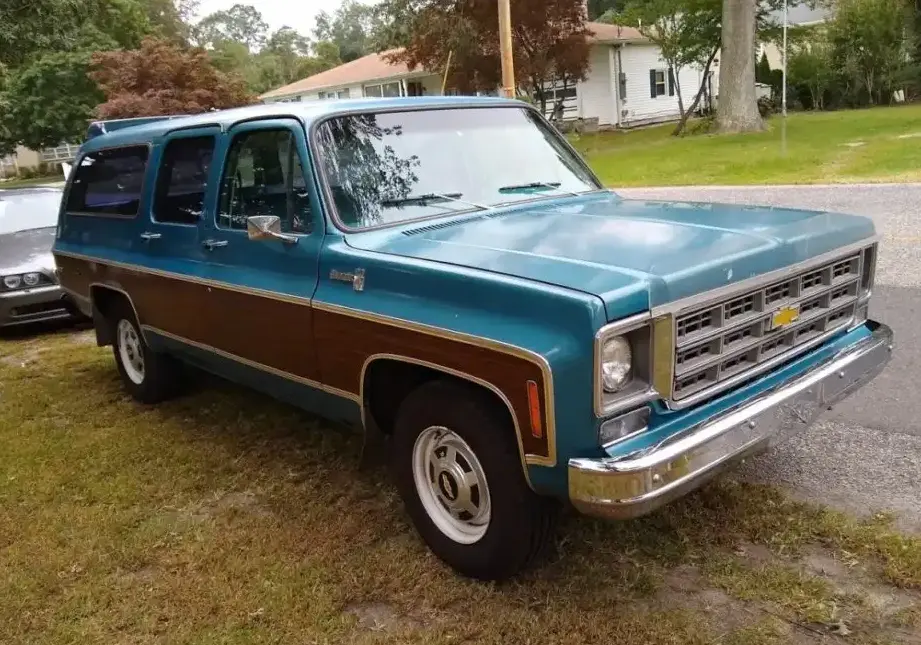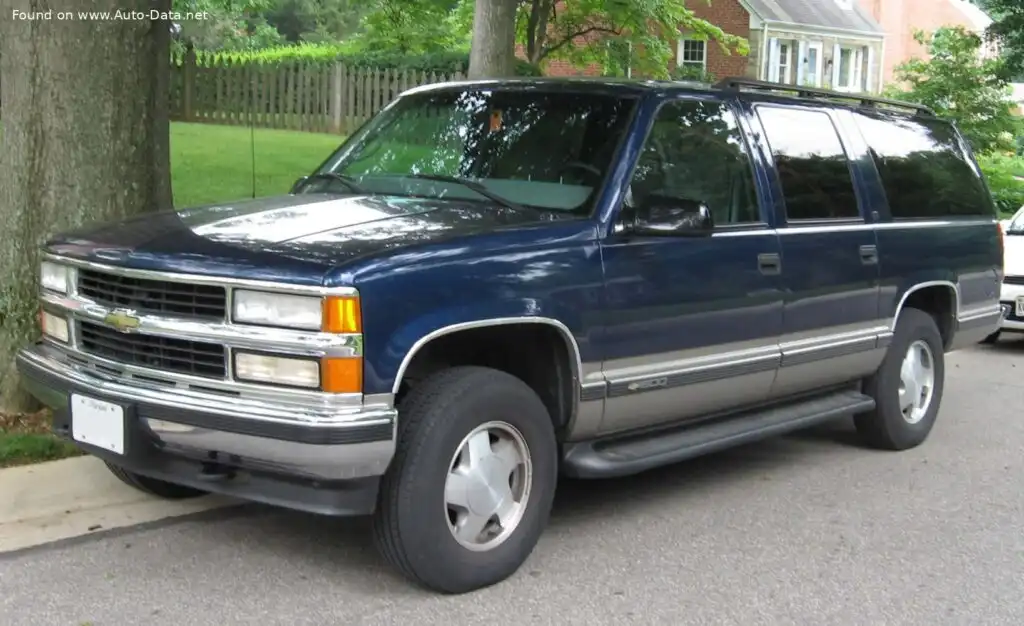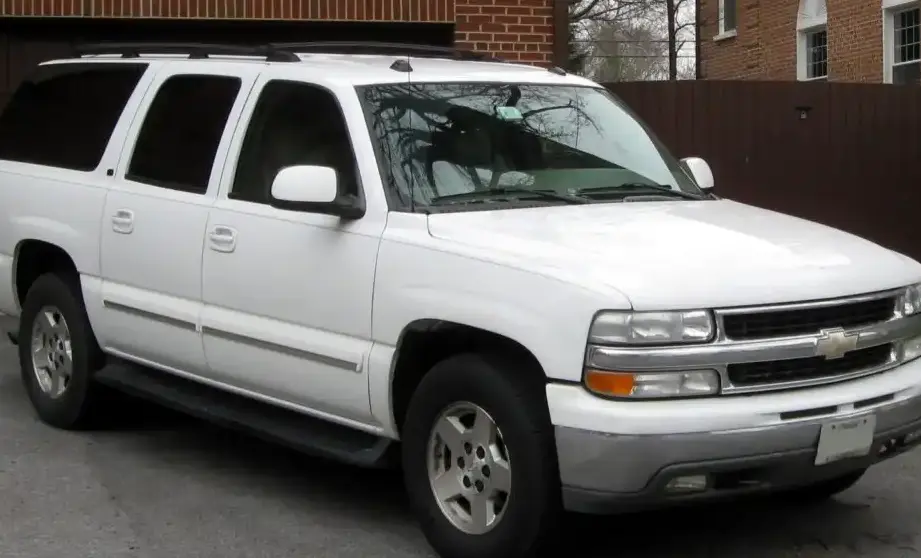
The Chevrolet Suburban (GMT800) 6.0L V8 4WD 2500, produced from 2004 to 2006, represents a significant iteration of Chevrolet’s long-running full-size SUV. This variant, positioned as a heavy-duty offering within the fourth-generation Suburban lineup, catered to buyers needing substantial towing capacity and passenger space. The GMT800 platform marked a move towards a more refined and capable Suburban, building upon the legacy of its predecessors while incorporating updated technology and a more powerful engine option. This particular configuration – the 6.0-liter V8 paired with a four-speed automatic transmission and four-wheel drive – was aimed at customers who frequently hauled large loads or navigated challenging terrain.
Technical Specifications
| Brand | Chevrolet |
| Model | Suburban |
| Generation | Suburban (GMT800) |
| Type (Engine) | 6.0L i V8 4WD 2500 (340 Hp) |
| Start of production | 2004 |
| End of production | 2006 |
| Powertrain Architecture | Internal Combustion engine |
| Body type | SUV |
| Seats | 9 |
| Doors | 5 |
| Fuel consumption (urban) | 18.1 l/100 km (13 US mpg, 15.6 UK mpg, 5.5 km/l) |
| Fuel consumption (extra urban) | 13.8 l/100 km (17 US mpg, 20.5 UK mpg, 7.2 km/l) |
| Fuel consumption (combined) | 15.7 l/100 km (15 US mpg, 18 UK mpg, 6.4 km/l) |
| Fuel Type | Petrol (Gasoline) |
| Maximum speed | 156 km/h (96.93 mph) |
| Weight-to-power ratio | 8 kg/Hp, 125 Hp/tonne |
| Weight-to-torque ratio | 5.4 kg/Nm, 186.8 Nm/tonne |
| Power | 340 Hp @ 5200 rpm |
| Power per litre | 57 Hp/l |
| Torque | 508 Nm @ 4000 rpm (374.68 lb.-ft. @ 4000 rpm) |
| Engine layout | Front, Longitudinal |
| Engine displacement | 5967 cm3 (364.13 cu. in.) |
| Number of cylinders | 8 |
| Engine configuration | V-engine |
| Cylinder Bore | 101.6 mm (4 in.) |
| Piston Stroke | 92 mm (3.62 in.) |
| Compression ratio | 9.4:1 |
| Number of valves per cylinder | 2 |
| Fuel injection system | Multi-port manifold injection |
| Engine aspiration | Naturally aspirated engine |
| Engine oil capacity | 5.7 l (6.02 US qt | 5.02 UK qt) |
| Coolant capacity | 15.3 l (16.17 US qt | 13.46 UK qt) |
| Kerb Weight | 2720 kg (5996.57 lbs.) |
| Max. weight | 3900 kg (8598.03 lbs.) |
| Max load | 1180 kg (2601.45 lbs.) |
| Trunk (boot) space – minimum | 1290 l (45.56 cu. ft.) |
| Trunk (boot) space – maximum | 3720 l (131.37 cu. ft.) |
| Fuel tank capacity | 146 l (38.57 US gal | 32.12 UK gal) |
| Length | 5570 mm (219.29 in.) |
| Width | 2002 mm (78.82 in.) |
| Height | 1887 mm (74.29 in.) |
| Wheelbase | 3302 mm (130 in.) |
| Front track | 1651 mm (65 in.) |
| Rear (Back) track | 1676 mm (65.98 in.) |
| Drive wheel | All wheel drive (4×4) |
| Number of gears and type of gearbox | 4 gears, automatic transmission |
| Front suspension | Double wishbone |
| Rear suspension | Coil spring |
| Front brakes | Ventilated discs |
| Rear brakes | Ventilated discs |
| Assisting systems | ABS (Anti-lock braking system), Hydraulic Power Steering |
| Tires size | 245/75 R16 |
Powertrain & Engine Architecture
The heart of the Suburban 2500 was the 6.0-liter Vortec V8 engine, specifically the LQ4 engine code. This engine was a member of Chevrolet’s small-block V8 family, known for its durability and relatively simple design. It featured a cast iron block and aluminum cylinder heads, contributing to its robust nature. The engine utilized a multi-port fuel injection system, delivering fuel directly to each cylinder for optimized combustion. The valvetrain employed two valves per cylinder, operated by a single camshaft. The four-speed 4L80-E automatic transmission was chosen for its ability to handle the engine’s substantial torque output and provide smooth shifting, even under heavy loads. This transmission was a staple in GM’s heavy-duty truck and SUV applications.
Driving Characteristics
The 6.0L V8 and 4L80-E automatic combination delivered a solid, if not particularly sporty, driving experience. While not as quick as lighter-weight SUVs or those equipped with smaller engines, the Suburban 2500 excelled at towing and hauling. The automatic transmission’s gear ratios were optimized for low-end torque, making it easy to get the heavy vehicle moving, even with a trailer attached. Acceleration was adequate for everyday driving, but passing maneuvers required planning. Compared to the 5.3L V8 offered in lower trims, the 6.0L provided a noticeable increase in power and towing capacity. It also offered a more refined driving experience than the available diesel options, which prioritized fuel economy and torque over outright acceleration.
Equipment & Trim Levels
The Suburban 2500, even in its base trim, offered a generous level of standard equipment. This included air conditioning, power windows and locks, and a basic audio system. Higher trim levels added features such as leather upholstery, heated seats, a premium sound system, and a navigation system. The interior was designed with practicality in mind, offering ample space for passengers and cargo. The 9-passenger seating configuration was standard, with options for second-row bucket seats to reduce capacity to 7. Exterior features included chrome accents, alloy wheels (on higher trims), and a tow package.
Chassis & Braking
The GMT800 Suburban 2500 featured a body-on-frame construction, providing a robust and durable platform. The suspension consisted of a double wishbone setup in the front and a coil spring arrangement in the rear. The heavy-duty suspension was designed to handle the increased weight and payload capacity of the 2500 model. Braking duties were handled by ventilated discs at all four corners, providing adequate stopping power for the vehicle’s weight. An anti-lock braking system (ABS) was standard, enhancing safety and control during emergency braking situations. Hydraulic power steering provided easy maneuverability, despite the vehicle’s large size.
Market Reception & Comparison
The Chevrolet Suburban 2500 was generally well-received by critics and consumers alike. It was praised for its spacious interior, powerful engine, and impressive towing capacity. However, its fuel economy was a common criticism, as expected for a vehicle of its size and weight. Compared to other full-size SUVs of the era, such as the Ford Expedition and GMC Yukon XL, the Suburban offered a similar level of capability and features. The Suburban’s reputation for reliability and durability also contributed to its popularity. The 6.0L V8 was considered a strong performer, offering a good balance of power and dependability.
Legacy
The GMT800 Suburban 2500, particularly the 6.0L V8 4WD variant, has maintained a solid reputation for reliability and longevity. The Vortec 6.0L engine is known for its durability, and the 4L80-E transmission is also considered a robust unit. In the used car market, these Suburbans remain popular choices for buyers seeking a capable and spacious SUV. While fuel economy remains a concern, the vehicle’s overall dependability and towing capacity continue to make it a desirable option. Regular maintenance, including oil changes and transmission fluid flushes, is crucial for ensuring the long-term health of these vehicles. The GMT800 generation Suburban laid the groundwork for the continued success of the Suburban nameplate, solidifying its position as a leading full-size SUV.