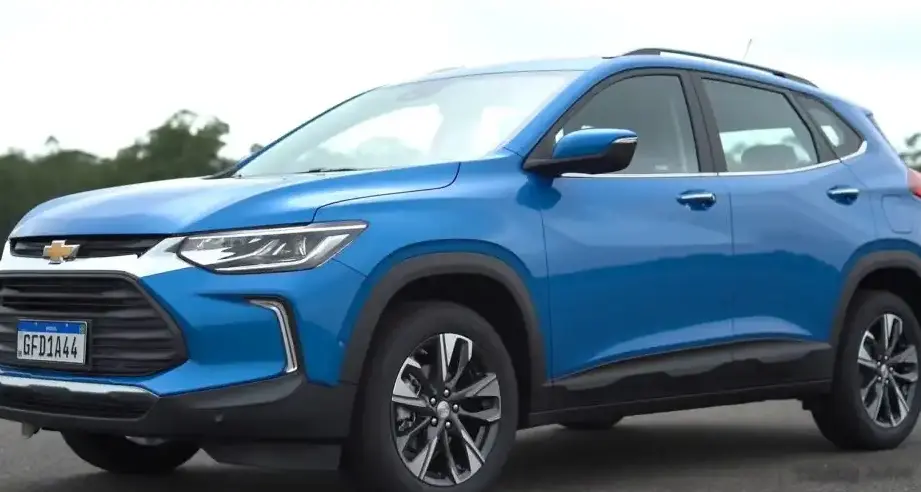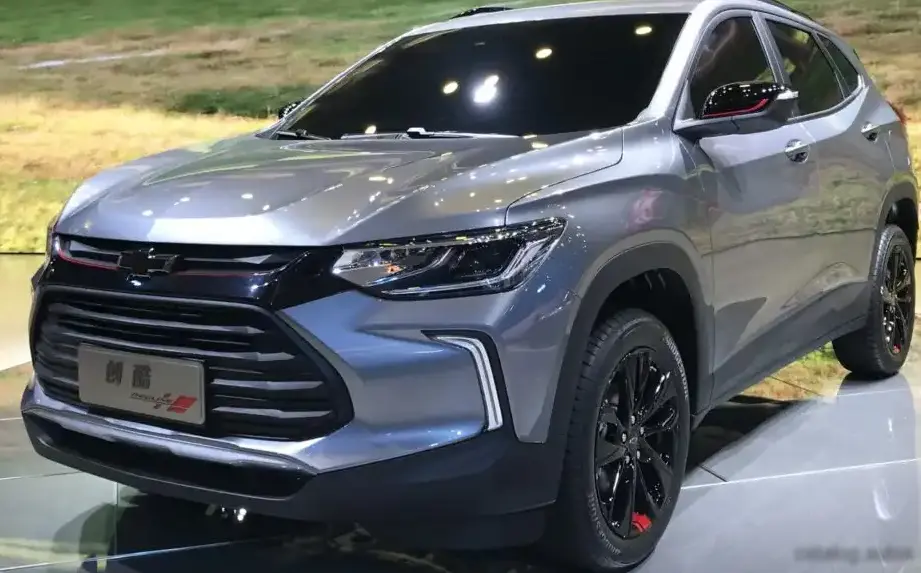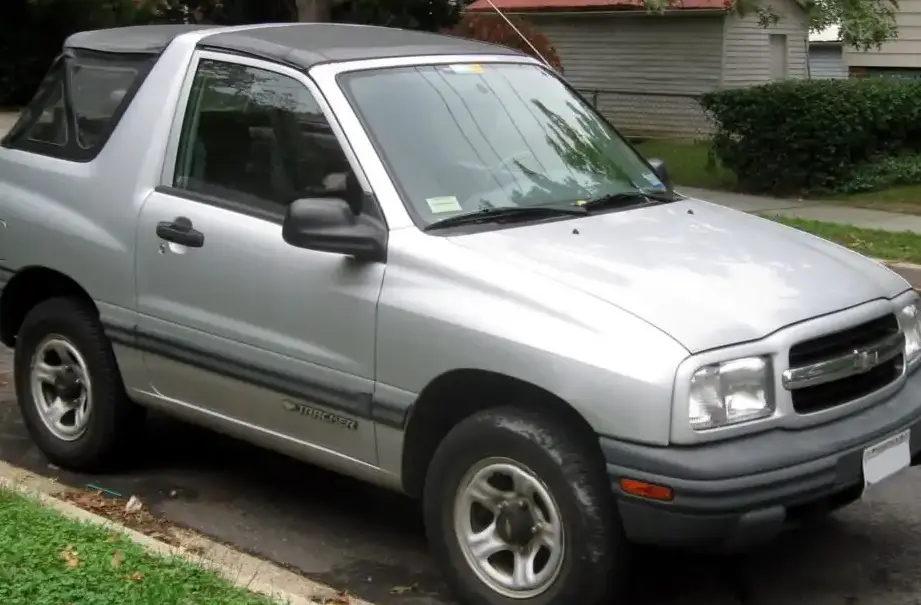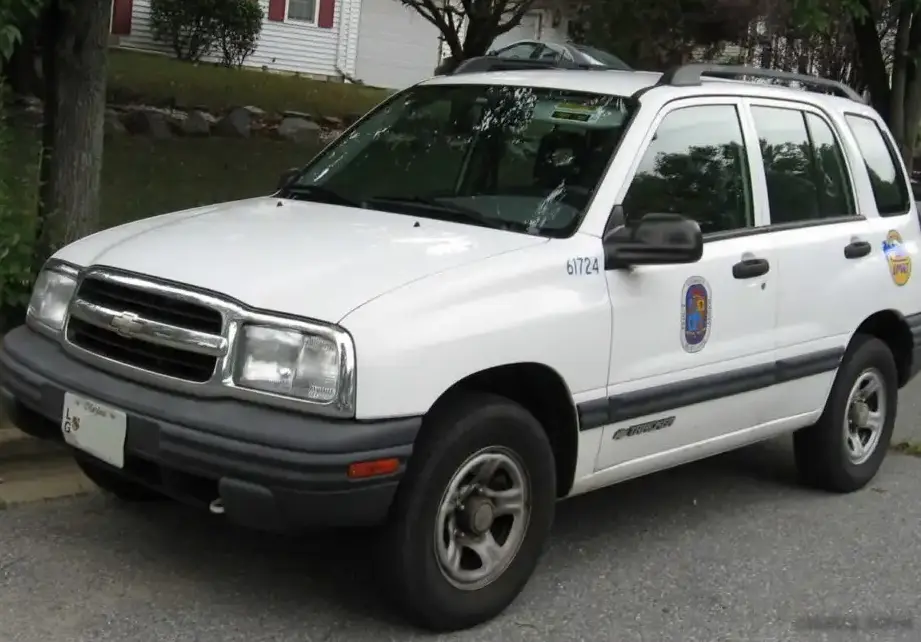
The Chevrolet Tracker II 1.6 i 16V Automatic, produced between 1998 and 2002, represented a significant update to Chevrolet’s entry-level SUV offering. Positioned as a relatively affordable and compact sport utility vehicle, the Tracker II aimed to provide basic transportation with some of the utility expected of an SUV. This particular variant, equipped with the 1.6-liter inline-four engine and a four-speed automatic transmission, was primarily targeted at buyers seeking ease of use and convenience over outright performance. It was sold primarily in Latin America and other international markets, with limited sales in the United States. The Tracker II was built on a body-on-frame chassis, a design choice that would become increasingly uncommon in the SUV segment as the years progressed.
Technical Specifications
| Brand | Chevrolet |
| Model | Tracker |
| Generation | Tracker II |
| Type (Engine) | 1.6 i 16V (97 Hp) Automatic |
| Start of production | 1998 |
| End of production | 2002 |
| Powertrain Architecture | Internal Combustion engine |
| Body type | SUV |
| Seats | 5 |
| Doors | 5 |
| Fuel consumption (urban) | 14 l/100 km (16.8 US mpg) |
| Fuel consumption (extra urban) | 8 l/100 km (29.4 US mpg) |
| Fuel Type | Petrol (Gasoline) |
| Acceleration 0 – 100 km/h | 11.5 sec |
| Acceleration 0 – 62 mph | 11.5 sec |
| Acceleration 0 – 60 mph | 10.9 sec |
| Maximum speed | 150 km/h (93.21 mph) |
| Weight-to-power ratio | 12.8 kg/Hp |
| Weight-to-torque ratio | 9.4 kg/Nm |
| Power | 97 Hp @ 5600 rpm |
| Power per litre | 61 Hp/l |
| Torque | 133 Nm @ 4000 rpm (98.1 lb.-ft. @ 4000 rpm) |
| Engine layout | Front, Longitudinal |
| Engine Model/Code | L01 |
| Engine displacement | 1590 cm3 (97.03 cu. in.) |
| Number of cylinders | 4 |
| Engine configuration | Inline |
| Cylinder Bore | 75 mm (2.95 in.) |
| Piston Stroke | 90 mm (3.54 in.) |
| Compression ratio | 9.5:1 |
| Number of valves per cylinder | 4 |
| Fuel injection system | Multi-port manifold injection |
| Engine aspiration | Naturally aspirated engine |
| Valvetrain | OHC |
| Engine oil capacity | 4.2 l (4.44 US qt | 3.7 UK qt) |
| Coolant | 5.5 l (5.81 US qt | 4.84 UK qt) |
| Kerb Weight | 1245 kg (2744.76 lbs.) |
| Max. weight | 1600 kg (3527.4 lbs.) |
| Max load | 355 kg (782.64 lbs.) |
| Trunk (boot) space – minimum | 590 l (20.84 cu. ft.) |
| Trunk (boot) space – maximum | 1300 l (45.91 cu. ft.) |
| Fuel tank capacity | 56 l (14.79 US gal | 12.32 UK gal) |
| Length | 4030 mm (158.66 in.) |
| Width | 1640 mm (64.57 in.) |
| Height | 1670 mm (65.75 in.) |
| Wheelbase | 2480 mm (97.64 in.) |
| Front track | 1390 mm (54.72 in.) |
| Rear (Back) track | 1400 mm (55.12 in.) |
| Drivetrain Architecture | Rear wheel drive |
| Number of gears and type of gearbox | 4 gears, automatic transmission |
| Front suspension | Spring Strut |
| Rear suspension | Coil spring |
| Front brakes | Disc |
| Rear brakes | Drum |
| Assisting systems | ABS (Anti-lock braking system) |
| Steering type | Worm-reduction unit |
| Power steering | Hydraulic Steering |
| Tires size | 195/75 R15 |
| Wheel rims size | 15 |
Powertrain & Engine Architecture
The heart of the Tracker II 1.6 i Automatic is the L01 engine, a 1.6-liter inline-four cylinder gasoline engine. This engine utilizes a single overhead camshaft (OHC) design and a multi-port fuel injection system. The 16-valve configuration (four valves per cylinder) helps to improve breathing and contribute to the engine’s 97 horsepower output at 5600 rpm and 133 Nm (98.1 lb-ft) of torque at 4000 rpm. The engine’s longitudinal mounting was a characteristic of the platform, influencing the drivetrain layout. The four-speed automatic transmission, while providing convenience, was a relatively basic unit, lacking the sophistication of more modern automatic gearboxes. It was chosen for its cost-effectiveness and simplicity, rather than performance.
Driving Characteristics
The 1.6-liter engine and four-speed automatic combination in the Tracker II delivered modest performance. Acceleration from 0 to 60 mph took approximately 10.9 seconds, and top speed was limited to around 93 mph. The automatic transmission’s gear ratios were geared towards fuel economy and drivability rather than spirited acceleration. Compared to potential manual transmission versions (not widely available in all markets) or higher-output engine options, this variant felt noticeably slower. The rear-wheel-drive configuration provided a different driving experience than the increasingly common front-wheel-drive SUVs, offering a slightly more traditional feel, but also potentially less traction in adverse conditions. The automatic transmission, while convenient, could feel sluggish during overtaking maneuvers.
Equipment & Trim Levels
The Tracker II 1.6 i Automatic typically came with a fairly basic level of equipment. Standard features generally included air conditioning, power steering, and a basic audio system. Interior upholstery was typically cloth, and the dashboard featured a functional, but not luxurious, design. Optional extras could include power windows, power door locks, and upgraded audio systems. Trim levels varied by market, but generally, this 1.6L automatic configuration represented the entry-level or mid-range offering within the Tracker II lineup. It was positioned below any potential higher-powered engine options or more comprehensively equipped trims.
Chassis & Braking
The Tracker II utilized a body-on-frame construction, which contributed to its relatively robust feel but also added weight. The front suspension employed a spring strut setup, while the rear suspension utilized coil springs. Braking was accomplished via disc brakes on the front wheels and drum brakes on the rear. An anti-lock braking system (ABS) was often included as standard equipment, enhancing safety. The rear drum brakes were a cost-saving measure, and while adequate for normal driving, they lacked the stopping power of disc brakes. Stabilizer bars were present, but their thickness was modest, reflecting the vehicle’s intended use as a basic utility vehicle.
Market Reception & Comparison
The Chevrolet Tracker II 1.6 i Automatic received mixed reviews. Critics generally praised its affordability and practicality, but noted its lack of refinement and modest performance. Fuel economy was considered reasonable for the time, but not exceptional. Compared to other SUVs in its class, the Tracker II offered a more basic driving experience. The 1.6-liter engine was seen as adequate for city driving, but struggled when fully loaded or on steep inclines. Reliability was generally considered good, but maintenance costs could be higher due to the body-on-frame construction and the potential for rust in certain climates.
Legacy
The Chevrolet Tracker II 1.6 i Automatic, while not a groundbreaking vehicle, served as an affordable and practical SUV option for buyers in the late 1990s and early 2000s. The L01 engine proved to be reasonably durable, and many examples remain on the road today. However, due to its age and relatively basic features, it is now primarily found in the used car market, often appealing to buyers seeking a low-cost utility vehicle or a classic from the era. Parts availability can be a concern, and maintenance may require specialized knowledge due to the vehicle’s age and construction. The Tracker II represents a transitional period in SUV design, bridging the gap between traditional body-on-frame vehicles and the more modern, car-based crossovers that would soon dominate the market.