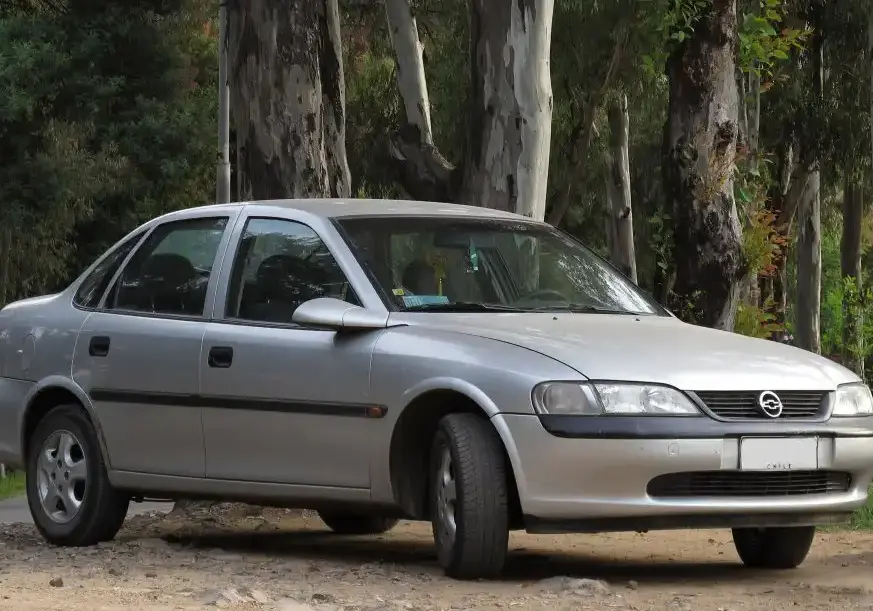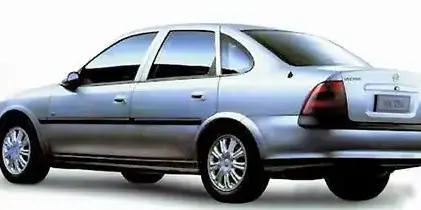
The Chevrolet Vectra, specifically the GM2900 series produced between 1998 and 2005, represented Chevrolet’s entry into the mid-size family sedan segment. This generation, sold primarily in Europe and Latin America, aimed to offer a blend of practicality, comfort, and modern styling. The 2.2 i 16V variant, producing 139 horsepower, occupied a middle ground within the Vectra lineup, positioned above the base models and below the more powerful V6 options. It was designed to appeal to buyers seeking a balance between performance and fuel efficiency, and was often equipped with a five-speed manual transmission, though an automatic option was also available. This article will focus on the 2.2 i 16V configuration.
Technical Specifications
| Brand | Chevrolet |
| Model | Vectra |
| Generation | Vectra (GM2900) |
| Type (Engine) | 2.2 i 16V (139 Hp) |
| Start of production | 1998 |
| End of production | 2005 |
| Powertrain Architecture | Internal Combustion engine |
| Body type | Sedan |
| Seats | 5 |
| Doors | 4 |
| Fuel consumption (urban) | 10.7 l/100 km (22 US mpg) |
| Fuel consumption (extra urban) | 6.4 l/100 km (36.8 US mpg) |
| Fuel Type | Petrol (Gasoline) |
| Acceleration 0 – 100 km/h | 10.6 sec |
| Acceleration 0 – 62 mph | 10.6 sec |
| Acceleration 0 – 60 mph | 10.1 sec |
| Maximum speed | 205 km/h (127.38 mph) |
| Weight-to-power ratio | 9.7 kg/Hp |
| Weight-to-torque ratio | 6.6 kg/Nm |
| Power | 139 Hp @ 5400 rpm |
| Torque | 203 Nm @ 2800 rpm (149.73 lb.-ft. @ 2800 rpm) |
| Engine layout | Front, Transverse |
| Engine Model/Code | C22SEL |
| Engine displacement | 1998 cm3 (121.93 cu. in.) |
| Number of cylinders | 4 |
| Engine configuration | Inline |
| Cylinder Bore | 86 mm (3.39 in.) |
| Piston Stroke | 86 mm (3.39 in.) |
| Compression ratio | 9.2:1 |
| Number of valves per cylinder | 4 |
| Fuel injection system | Multi-port manifold injection |
| Engine aspiration | Naturally aspirated |
| Valvetrain | DOHC |
| Engine oil capacity | 4.5 l (4.76 US qt | 3.96 UK qt) |
| Kerb Weight | 1345 kg (2965.22 lbs.) |
| Max. weight | 1865 kg (4111.62 lbs.) |
| Max load | 520 kg (1146.4 lbs.) |
| Trunk (boot) space – minimum | 500 l (17.66 cu. ft.) |
| Fuel tank capacity | 57 l (15.06 US gal | 12.54 UK gal) |
| Length | 4480 mm (176.38 in.) |
| Width | 1710 mm (67.32 in.) |
| Height | 1410 mm (55.51 in.) |
| Wheelbase | 2637 mm (103.82 in.) |
| Front track | 1485 mm (58.46 in.) |
| Rear track | 1470 mm (57.87 in.) |
| Drivetrain Architecture | Front wheel drive |
| Number of gears | 5 |
| Gearbox type | Manual transmission |
| Front suspension | Coil spring |
| Rear suspension | Coil spring |
| Front brakes | Disc |
| Rear brakes | Drum |
| Assisting systems | ABS (Anti-lock braking system) |
| Steering type | Steering rack and pinion |
| Power steering | Hydraulic |
| Tires size | 195/65 R15 |
Powertrain & Engine Architecture
The heart of the Vectra 2.2 i 16V is the C22SEL engine, a 1998cc inline-four cylinder powerplant. This engine utilizes a multi-port fuel injection system, delivering fuel directly to each intake port for optimized combustion. The engine features a double overhead camshaft (DOHC) valvetrain, operating 16 valves (four per cylinder) to enhance volumetric efficiency and improve breathing. The 9.2:1 compression ratio was a compromise between performance and the ability to run on readily available fuel grades. The engine’s design prioritized reliability and ease of maintenance, common traits of Opel/Chevrolet engines of the era. While not a cutting-edge design, it was a proven and durable unit. The five-speed manual transmission was the most common pairing, offering a relatively direct driving experience. An optional four-speed automatic transmission was available, but it impacted acceleration and fuel economy.
Driving Characteristics
The 2.2 i 16V Vectra offered a comfortable and predictable driving experience. With 139 horsepower, acceleration was adequate for everyday driving, achieving 0-60 mph in approximately 10.1 seconds. The engine delivered its peak torque of 203 Nm (149.73 lb-ft) at 2800 rpm, providing sufficient pulling power for overtaking maneuvers and maintaining highway speeds. Compared to the base engine options, the 2.2 i 16V provided a noticeable improvement in performance. However, it fell short of the more potent V6 models in terms of outright speed. The manual transmission offered more driver engagement and better fuel economy, while the automatic, though convenient, resulted in slightly sluggish performance and increased fuel consumption. The suspension was tuned for comfort, absorbing bumps and providing a stable ride, but it wasn’t particularly sporty.
Equipment & Trim Levels
The 2.2 i 16V Vectra typically came equipped with a reasonable level of standard features. These included power windows, central locking, power steering, and an anti-lock braking system (ABS). Interior upholstery was generally cloth, with options for upgraded materials available. Dashboard configuration was functional and straightforward, prioritizing usability over aesthetics. Optional extras included air conditioning, a CD player, alloy wheels, and a sunroof. Higher trim levels, such as the Elegance or Sport, added features like leather upholstery, upgraded audio systems, and more refined interior trim.
Chassis & Braking
The Vectra GM2900 utilized a front-engine, front-wheel-drive layout. Suspension consisted of coil springs all around, providing a comfortable ride. The front brakes were discs, offering good stopping power, while the rear brakes were drums, a cost-saving measure common in this class of vehicle. The steering was rack and pinion with hydraulic assistance, providing a reasonably responsive feel. Stabilizer bars were fitted to both the front and rear axles to reduce body roll during cornering. The chassis was designed to balance comfort and handling, prioritizing stability over sporty dynamics.
Market Reception & Comparison
The Vectra 2.2 i 16V was generally well-received by automotive critics as a competent and practical family sedan. It was praised for its comfortable ride, spacious interior, and reasonable fuel economy. However, some critics noted that the styling was somewhat conservative and that the interior materials weren’t as high-quality as those found in some competitors. Compared to other trims in the Vectra lineup, the 2.2 i 16V offered a good balance between performance and price. It was more affordable than the V6 models but provided a more engaging driving experience than the base engine options. Competitors included the Ford Mondeo, Volkswagen Passat, and Peugeot 406.
Legacy
The Chevrolet Vectra 2.2 i 16V, while not a particularly groundbreaking vehicle, proved to be a reliable and durable family sedan. The C22SEL engine is known for its longevity, and many examples are still on the road today. In the used car market, these Vectras are often sought after for their affordability and practicality. Maintenance is relatively straightforward, and parts are generally readily available. However, potential buyers should be aware of common issues such as corrosion and wear and tear on suspension components. The Vectra 2.2 i 16V represents a solid, if unspectacular, example of a late-1990s/early-2000s family sedan.