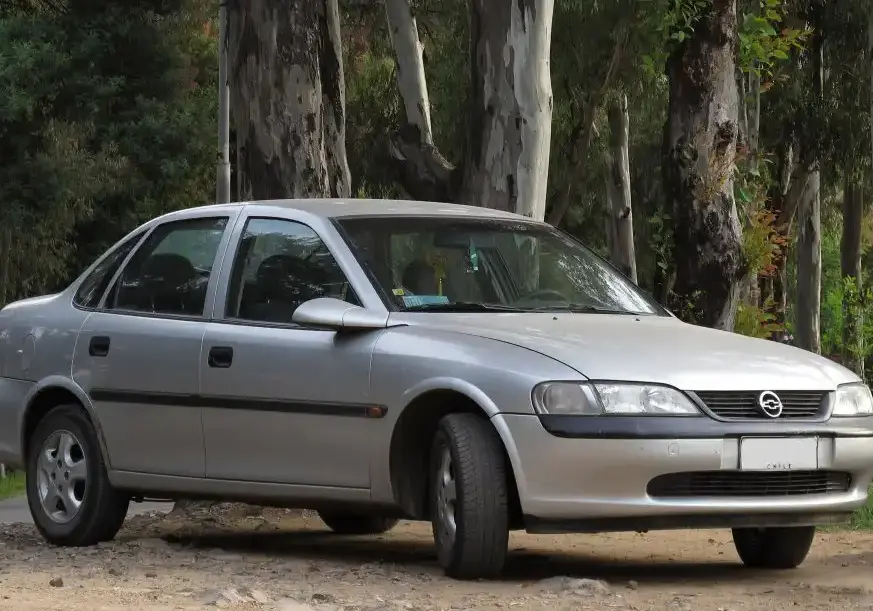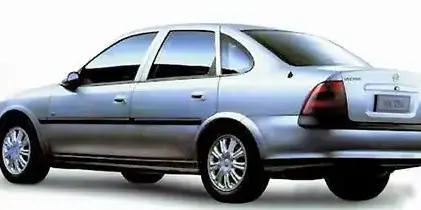
The Chevrolet Vectra (GM2900) 2.2 i, produced between 1998 and 2005, represented a significant offering in the mid-size sedan segment. Part of the B-platform generation, the GM2900 Vectra was Chevrolet’s attempt to compete with established European and Japanese rivals. This particular 2.2-liter, 190 horsepower variant occupied a position in the upper-mid range of the Vectra lineup, offering a balance between performance and relative affordability. It was marketed towards drivers seeking a more engaging driving experience than the base models, but without the premium price tag of potential future performance trims. The Vectra, while not a massive sales success in the US market, was a popular choice in Europe and other international markets.
Technical Specifications
| Brand | Chevrolet |
| Model | Vectra |
| Generation | Vectra (GM2900) |
| Type (Engine) | 2.2 i (190 Hp) |
| Start of production | 1998 |
| End of production | 2005 |
| Powertrain Architecture | Internal Combustion engine |
| Body type | Sedan |
| Seats | 5 |
| Doors | 4 |
| Fuel consumption (urban) | 10.5 l/100 km (22.4 US mpg) |
| Fuel consumption (extra urban) | 7.1 l/100 km (33.1 US mpg) |
| Fuel Type | Petrol (Gasoline) |
| Acceleration 0 – 100 km/h | 10.6 sec |
| Acceleration 0 – 62 mph | 10.6 sec |
| Acceleration 0 – 60 mph | 10.1 sec |
| Maximum speed | 195 km/h (121.17 mph) |
| Weight-to-power ratio | 6.6 kg/Hp |
| Weight-to-torque ratio | 10.2 kg/Nm |
| Power | 190 Hp @ 2800 rpm |
| Power per litre | 86.4 Hp/l |
| Torque | 122 Nm @ 5200 rpm (89.98 lb.-ft. @ 5200 rpm) |
| Engine layout | Front, Transverse |
| Engine displacement | 2198 cm3 (134.13 cu. in.) |
| Number of cylinders | 4 |
| Engine configuration | Inline |
| Cylinder Bore | 86 mm (3.39 in.) |
| Piston Stroke | 94.6 mm (3.72 in.) |
| Compression ratio | 9.2:1 |
| Number of valves per cylinder | 2 |
| Fuel injection system | Multi-port manifold injection |
| Engine aspiration | Naturally aspirated engine |
| Valvetrain | OHC |
| Kerb Weight | 1245 kg (2744.76 lbs.) |
| Max. weight | 1795 kg (3957.3 lbs.) |
| Max load | 550 kg (1212.54 lbs.) |
| Trunk (boot) space – minimum | 500 l (17.66 cu. ft.) |
| Fuel tank capacity | 57 l (15.06 US gal | 12.54 UK gal) |
| Length | 4480 mm (176.38 in.) |
| Width | 1710 mm (67.32 in.) |
| Height | 1410 mm (55.51 in.) |
| Wheelbase | 2637 mm (103.82 in.) |
| Front track | 1485 mm (58.46 in.) |
| Rear (Back) track | 1470 mm (57.87 in.) |
| Drivetrain Architecture | The Internal combustion engine (ICE) drives the front wheels of the vehicle. |
| Drive wheel | Front wheel drive |
| Number of gears and type of gearbox | 5 gears, manual transmission |
| Front suspension | Coil spring |
| Rear suspension | Coil spring |
| Front brakes | Disc |
| Rear brakes | Drum |
| Assisting systems | ABS (Anti-lock braking system) |
| Steering type | Steering rack and pinion |
| Power steering | Hydraulic Steering |
| Tires size | 185/70 R14 |
Powertrain & Engine Architecture
The heart of the Vectra 2.2 i is the X22XE engine, a 2.2-liter inline-four cylinder powerplant. This engine utilizes multi-port fuel injection and a single overhead camshaft (SOHC) valvetrain. The X22XE was known for its relatively smooth operation and decent power output for its displacement. The engine’s 9.2:1 compression ratio contributed to its performance, while the SOHC configuration kept production costs down. The 190 horsepower output was achieved through careful tuning of the engine management system and optimized intake and exhaust designs. The engine’s transverse mounting and front-wheel-drive configuration were standard for vehicles in this class. The five-speed manual transmission was the standard offering, providing a direct connection between the engine and the wheels. The transmission was chosen for its durability and relatively precise shift feel.
Driving Characteristics
The 2.2-liter Vectra offered a noticeable step up in performance compared to the base 1.6 or 1.8-liter models. While not a sports sedan, the 190 hp engine provided adequate acceleration for everyday driving and highway passing. The 0-60 mph time of around 10.1 seconds was respectable for the late 1990s and early 2000s. The engine’s torque peak at 5200 rpm meant that drivers needed to rev the engine slightly to access its full power. The five-speed manual transmission allowed for good control over the engine’s powerband. Compared to a potential future turbocharged variant, the 2.2 i offered a more linear power delivery, making it easier to modulate in various driving conditions. The suspension, tuned for comfort, provided a reasonably smooth ride, although it wasn’t particularly sporty.
Equipment & Trim Levels
The 2.2 i trim level typically included features such as power windows, power door locks, air conditioning, and an upgraded audio system. Interior upholstery was generally cloth, although leather options were available as an upgrade. Dashboard configuration was fairly standard for the era, with a straightforward layout and easy-to-read gauges. Optional extras included a sunroof, alloy wheels, and a more advanced audio system with a CD changer. Safety features included ABS brakes and driver and passenger airbags. The specific equipment levels could vary depending on the market and optional packages selected by the original buyer.
Chassis & Braking
The Vectra GM2900 utilized a MacPherson strut front suspension and a coil spring rear suspension. This setup provided a good balance between ride comfort and handling. The front brakes were ventilated discs, providing adequate stopping power, while the rear brakes were drums, a cost-saving measure. ABS (Anti-lock Braking System) was standard, enhancing safety during emergency braking situations. The chassis was designed to provide a stable and predictable driving experience. Stabilizer bars were included at both the front and rear to reduce body roll during cornering.
Market Reception & Comparison
The Vectra 2.2 i received generally positive reviews from automotive critics. It was praised for its comfortable ride, spacious interior, and respectable performance. However, some critics noted that the interior materials weren’t as high-quality as those found in some of its Japanese competitors. Fuel economy was considered average for the class. Compared to the lower-displacement Vectra models, the 2.2 i offered a significant performance boost, but at a higher price point. It provided a viable alternative to rivals like the Ford Mondeo and Volkswagen Passat, offering a good balance of features and performance.
Legacy
The X22XE engine proved to be a relatively reliable powerplant, with many examples still on the road today. However, like any older vehicle, regular maintenance is crucial to ensure its longevity. Common issues include oil leaks and wear on suspension components. The Vectra 2.2 i has developed a modest following among enthusiasts who appreciate its simple mechanical design and relatively affordable price. In the used car market, these vehicles are often sought after as practical and reliable transportation, offering a good value for the money. While not a collector’s item, well-maintained examples are becoming increasingly rare.