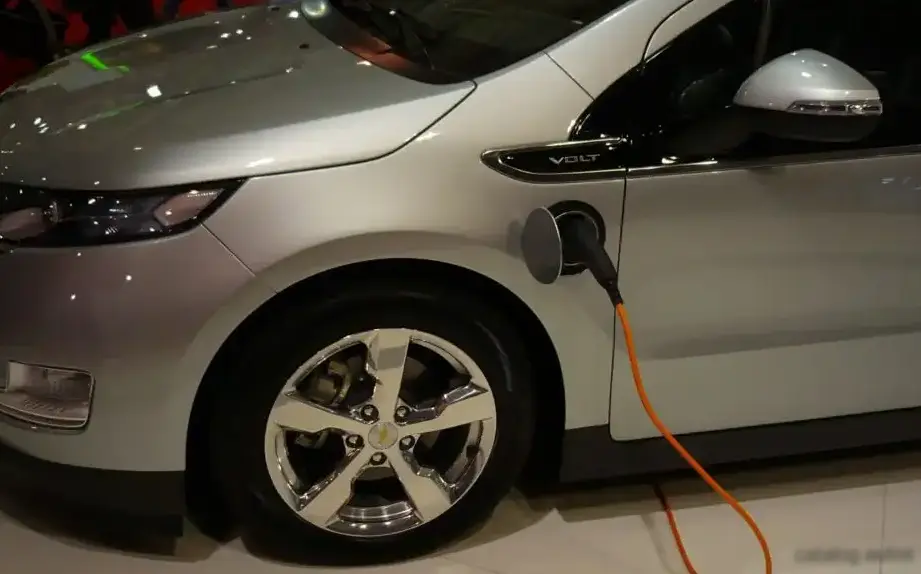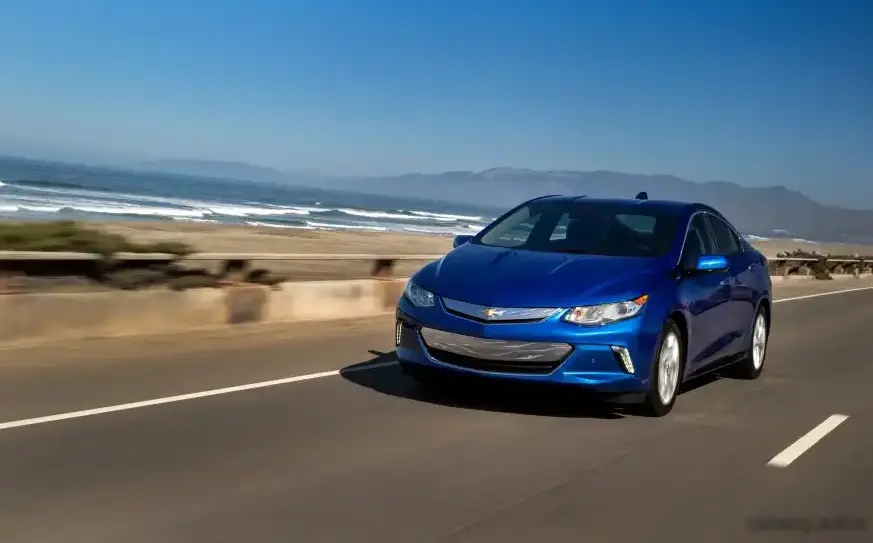
The Chevrolet Volt II 1.5 (150 Hp) represents the second generation of General Motors’ pioneering plug-in hybrid electric vehicle (PHEV). Produced from 2016 through March 2019, this variant occupied a central position within the Volt II lineup, offering a balance between all-electric range, fuel efficiency, and affordability. It built upon the lessons learned from the first-generation Volt, addressing criticisms and improving upon its core strengths. The Volt II, based on a modified Delta II platform, aimed to provide a practical and environmentally conscious alternative to traditional gasoline-powered compact cars, primarily targeting the North American market.
Technical Specifications
| Brand | Chevrolet |
| Model | Volt |
| Generation | Volt II |
| Type (Engine) | 1.5 (150 Hp) Plug-in Hybrid |
| Start of production | 2016 |
| End of production | March, 2019 |
| Powertrain Architecture | PHEV (Plug-in Hybrid Electric Vehicle) |
| Body type | Hatchback |
| Seats | 5 |
| Doors | 5 |
| Fuel consumption (urban) | 5.6 l/100 km (42 US mpg) |
| Fuel Type | Petrol / electricity |
| Weight-to-power ratio | 10.7 kg/Hp |
| Weight-to-torque ratio | 4.3 kg/Nm |
| Gross battery capacity | 18.4 kWh |
| All-electric range | 85 km (52.82 mi) |
| Average Energy consumption | 20.2 kWh/100 km (32.51 kWh/100 mi) |
| Electric motor power | 150 Hp |
| Electric motor Torque | 370 Nm (272.9 lb.-ft.) |
| System power | 150 Hp |
| System torque | 370 Nm (272.9 lb.-ft.) |
| Engine Power | 101 Hp @ 5600 rpm |
| Power per litre | 67.8 Hp/l |
| Maximum engine speed | 5600 rpm |
| Engine layout | Front, Transverse |
| Engine Model/Code | L3A |
| Engine displacement | 1490 cm3 (90.93 cu. in.) |
| Number of cylinders | 4 |
| Engine configuration | Inline |
| Cylinder Bore | 74 mm (2.91 in.) |
| Piston Stroke | 86.6 mm (3.41 in.) |
| Compression ratio | 12.5:1 |
| Number of valves per cylinder | 4 |
| Fuel injection system | Direct injection |
| Valvetrain | DOHC |
| Engine oil capacity | 4 l (4.23 US qt | 3.52 UK qt) |
| Coolant | 7 l (7.4 US qt | 6.16 UK qt) |
| Kerb Weight | 1607 kg (3542.83 lbs.) |
| Trunk (boot) space – minimum | 301 l (10.63 cu. ft.) |
| Fuel tank capacity | 33.7 l (8.9 US gal | 7.41 UK gal) |
| Length | 4582 mm (180.39 in.) |
| Width | 1809 mm (71.22 in.) |
| Height | 1432 mm (56.38 in.) |
| Wheelbase | 2694 mm (106.06 in.) |
| Front track | 1540 mm (60.63 in.) |
| Rear (Back) track | 1570 mm (61.81 in.) |
| Minimum turning circle | 11.1 m (36.42 ft.) |
| Drive wheel | Front wheel drive |
| Number of gears and type of gearbox | automatic transmission Multi-mode electric |
| Front suspension | Independent, type McPherson with coil spring and anti-roll bar |
| Rear suspension | Torsion |
| Front brakes | Ventilated discs |
| Rear brakes | Ventilated discs |
| Assisting systems | ABS (Anti-lock braking system) |
| Steering type | Steering rack and pinion |
| Power steering | Electric Steering |
| Tires size | 215/50 R17 |
| Wheel rims size | 7.0J x 17 |
Powertrain & Engine Architecture
The Chevrolet Volt II 1.5 employed a sophisticated powertrain combining a 1.5-liter inline-four gasoline engine (L3A) with a powerful electric motor. The engine, producing 101 horsepower at 5600 rpm, served primarily as a range extender, generating electricity to recharge the 18.4 kWh battery pack. It featured direct injection and a double overhead camshaft (DOHC) valvetrain, contributing to improved efficiency. The electric motor, delivering 150 horsepower and 370 Nm (272.9 lb.-ft.) of torque, provided the primary motive force. The powertrain operated in several modes: all-electric, extended-range (where the gasoline engine kicks in to generate electricity while driving), and sport mode, which prioritized performance. The transmission was a unique multi-mode electric variable transmission (EVT) designed to seamlessly blend power from both the engine and motor. This wasn’t a traditional automatic transmission with fixed gears, but rather a system optimized for electric drive with the engine providing supplemental power when needed.
Driving Characteristics
The 1.5-liter engine and automatic transmission combination in the Volt II offered a smooth and refined driving experience. While not designed for outright acceleration, the combined system output of 150 horsepower provided adequate performance for everyday driving situations. The EVT transmission, while lacking the distinct gear changes of a conventional automatic, offered a seamless and linear power delivery. In all-electric mode, the Volt II was nearly silent and provided instant torque, making it ideal for city driving. When the gasoline engine engaged, it did so relatively unobtrusively. Compared to the first-generation Volt, the second generation offered improved responsiveness and a more natural feel. The 1.5L/automatic configuration was generally considered less sporty than versions with the optional performance suspension, but it prioritized comfort and efficiency.
Equipment & Trim Levels
The Volt II 1.5 was typically well-equipped, even in its base trim. Standard features included a touchscreen infotainment system with Apple CarPlay and Android Auto compatibility, a rearview camera, keyless entry, and automatic climate control. Higher trim levels added features such as leather upholstery, heated front seats, a premium Bose audio system, and advanced safety features like lane departure warning and forward collision alert. Interior upholstery was typically cloth in lower trims, upgrading to leather in higher trims. Dashboard configurations were consistent across the lineup, featuring a digital instrument cluster and a central touchscreen display.
Chassis & Braking
The Volt II utilized a McPherson strut front suspension and a torsion beam rear suspension. This setup provided a comfortable ride quality, although it wasn’t as sporty as some competitors. The Volt II featured ventilated disc brakes on all four wheels, providing adequate stopping power. An Anti-lock Braking System (ABS) was standard. The suspension was tuned to balance ride comfort with handling, and stabilizer bars were included to reduce body roll. The weight distribution, influenced by the battery pack located under the floor, contributed to a stable and predictable driving experience.
Market Reception & Comparison
The Chevrolet Volt II 1.5 received generally positive reviews from automotive critics. It was praised for its fuel efficiency, all-electric range, and comfortable ride. However, some critics noted that the gasoline engine could be noisy under hard acceleration. Compared to other PHEVs and hybrid vehicles of the time, the Volt II offered a competitive all-electric range and a more sophisticated plug-in hybrid system. Against gasoline-only compact cars, it offered significantly better fuel economy, albeit at a higher initial purchase price. Reliability proved to be generally good, although some owners reported issues with the battery pack over the long term.
Legacy
The Chevrolet Volt II 1.5 played a significant role in popularizing plug-in hybrid technology. It demonstrated the viability of PHEVs as a practical and environmentally friendly transportation option. While production ended in 2019, the Volt II remains a popular choice in the used car market, particularly for buyers seeking a fuel-efficient and technologically advanced vehicle. The powertrain, while complex, has proven to be relatively durable, and parts availability remains reasonable. The Volt’s legacy extends beyond its sales figures; it paved the way for future generations of electric and plug-in hybrid vehicles from Chevrolet and other manufacturers.