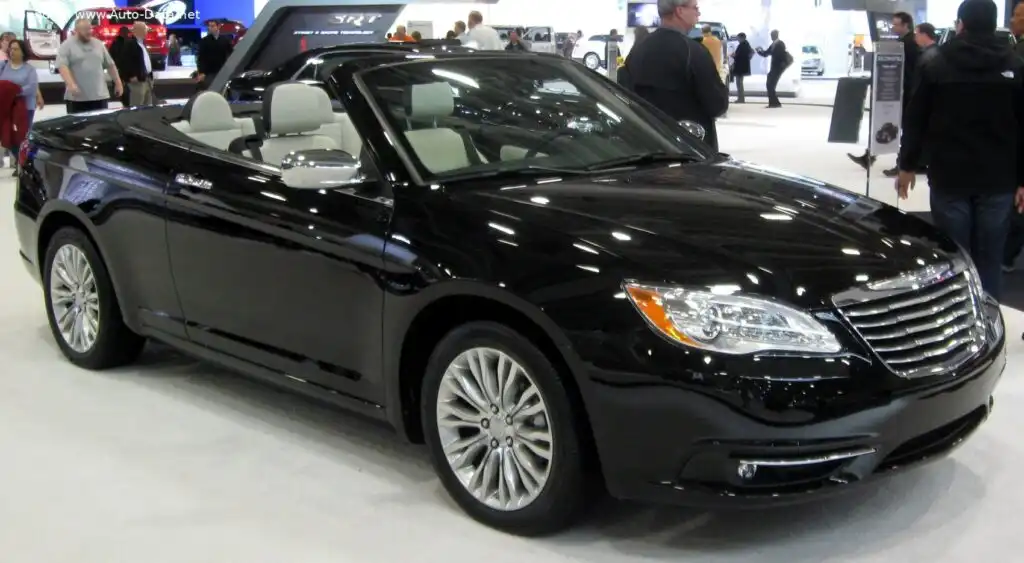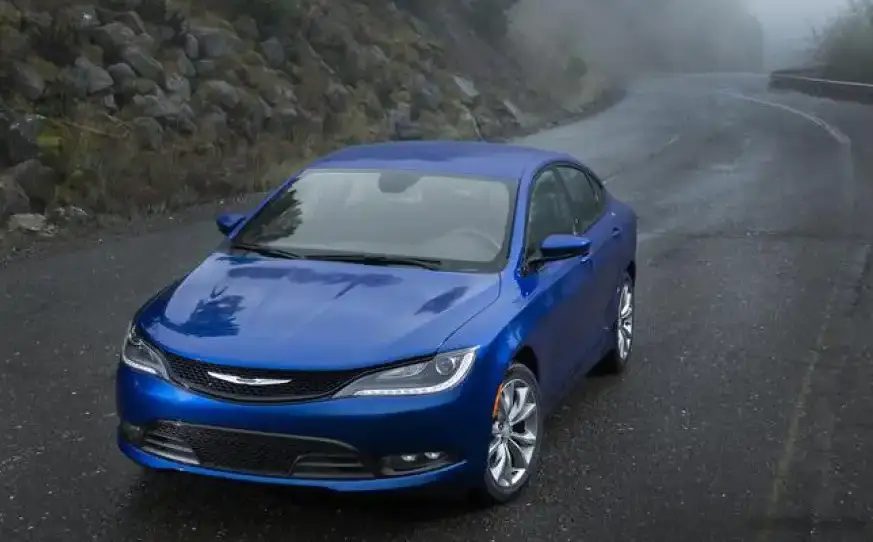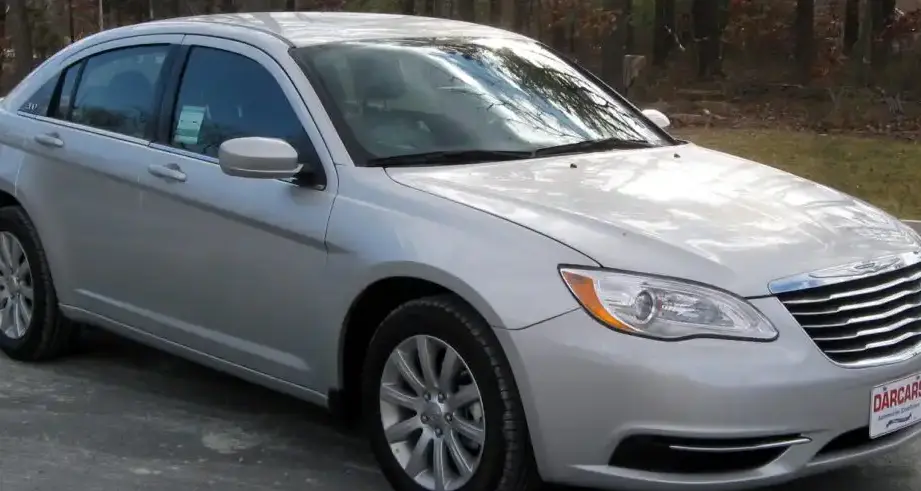
The Chrysler 200, specifically the 3.6-liter V6 variant paired with an automatic transmission, represented a significant step in Chrysler’s attempt to compete in the mid-size sedan segment. Produced from 2011 to 2014 as part of the first generation (200 I), this model aimed to offer a more compelling alternative to established rivals like the Toyota Camry and Honda Accord, focusing on a blend of style, performance, and available technology. This particular configuration, boasting 287 horsepower, positioned itself as the premium engine option within the 200 lineup, appealing to buyers seeking a more spirited driving experience than the base four-cylinder models could provide.
Technical Specifications
| Brand | Chrysler |
| Model | 200 |
| Generation | 200 I |
| Type (Engine) | 3.6 V6 (287 Hp) Automatic |
| Start of production | 2011 |
| End of production | 2014 |
| Powertrain Architecture | Internal Combustion engine |
| Body type | Sedan |
| Seats | 5 |
| Doors | 4 |
| Fuel consumption (urban) | 12.4 l/100 km (19 US mpg) |
| Fuel consumption (extra urban) | 8.1 l/100 km (29 US mpg) |
| Fuel consumption (combined) | 10.7 l/100 km (22 US mpg) |
| Fuel Type | Petrol (Gasoline) |
| Emission standard | Euro 4 |
| Weight-to-power ratio | 5.7 kg/Hp |
| Weight-to-torque ratio | 4.6 kg/Nm |
| Power | 287 Hp @ 6400 rpm |
| Torque | 353 Nm @ 4400 rpm (260.36 lb.-ft. @ 4400 rpm) |
| Maximum engine speed | 6800 rpm |
| Engine layout | Front, Transverse |
| Engine Model/Code | ERB |
| Engine displacement | 3605 cm3 (219.99 cu. in.) |
| Number of cylinders | 6 |
| Engine configuration | V-engine |
| Cylinder Bore | 96 mm (3.78 in.) |
| Piston Stroke | 83 mm (3.27 in.) |
| Compression ratio | 10.2:1 |
| Number of valves per cylinder | 4 |
| Fuel injection system | Multi-port manifold injection |
| Engine aspiration | Naturally aspirated engine |
| Valvetrain | DOHC |
| Engine oil capacity | 5.6 l (5.92 US qt | 4.93 UK qt) |
| Coolant | 11 l (11.62 US qt | 9.68 UK qt) |
| Kerb Weight | 1622 kg (3575.9 lbs.) |
| Fuel tank capacity | 64 l (16.91 US gal | 14.08 UK gal) |
| Permitted trailer load without brakes | 450 kg (992.08 lbs.) |
| Length | 4870 mm (191.73 in.) |
| Width | 1843 mm (72.56 in.) |
| Width including mirrors | 2121 mm (83.5 in.) |
| Height | 1482 mm (58.35 in.) |
| Wheelbase | 2765 mm (108.86 in.) |
| Front track | 1567 mm (61.69 in.) |
| Rear track | 1594 mm (62.76 in.) |
| Drag coefficient (Cd) | 0.34 |
| Minimum turning circle | 11.12/11.5 m (36.48 ft.) |
| Drivetrain Architecture | Front wheel drive |
| Drive wheel | Front wheel drive |
| Number of gears and type of gearbox | 6 gears, automatic transmission |
| Front suspension | Independent, type McPherson with coil spring and anti-roll bar |
| Rear suspension | Independent multi-link spring suspension with stabilizer |
| Front brakes | Ventilated discs |
| Rear brakes | Disc |
| Assisting systems | ABS (Anti-lock braking system) |
| Steering type | Steering rack and pinion |
| Tires size | 225/55 R17; 225/50 R18 |
| Wheel rims size | 6.5J x 17; 7J x 18 |
Powertrain & Engine Architecture
The heart of this Chrysler 200 variant was the 3.6-liter Pentastar V6 engine, designated with the ERB code. This engine was a key component of Chrysler’s powertrain strategy, designed to be versatile and efficient. The Pentastar featured a 60-degree V-angle, a relatively compact design for a V6, aiding in packaging within the engine bay. It utilized a multi-port fuel injection system, delivering fuel directly into the intake ports, and a double overhead camshaft (DOHC) valvetrain, optimizing airflow for improved performance. The 10.2:1 compression ratio was a balance between efficiency and power output. The engine was transversely mounted, driving the front wheels. Paired with this engine was a six-speed automatic transmission, chosen for its smooth operation and suitability for everyday driving. This transmission was calibrated to provide responsive shifts while prioritizing fuel economy.
Driving Characteristics
The 287-horsepower V6 significantly altered the driving experience compared to the base 2.4-liter four-cylinder models. Acceleration was noticeably quicker, making merging onto highways and overtaking maneuvers much easier. While not a sports sedan, the V6 provided ample power for confident driving in most situations. The six-speed automatic transmission generally shifted smoothly, although some reviewers noted a slight hesitation at times. The gear ratios were tuned for a balance between acceleration and fuel efficiency, with a taller final drive aimed at improving highway mileage. Compared to manual transmission equipped models (which were not widely available with this engine), the automatic offered convenience but sacrificed some driver engagement and control.
Equipment & Trim Levels
The 3.6L V6 automatic typically came in higher trim levels, such as the Limited and S models. Standard features included air conditioning, power windows and locks, a touchscreen infotainment system, and a six-speaker audio system. Higher trims added features like leather upholstery, heated front seats, a sunroof, and upgraded audio systems. Optional extras included navigation, a rear backup camera, and advanced safety features like blind-spot monitoring. Interior materials were generally considered to be of good quality for the price point, although not quite on par with some Japanese competitors.
Chassis & Braking
The Chrysler 200 utilized an independent front suspension with McPherson struts and a multi-link rear suspension, providing a comfortable ride quality. A stabilizer bar was included at both ends to reduce body roll during cornering. The braking system consisted of ventilated discs at the front and solid discs at the rear. Anti-lock brakes (ABS) were standard. The suspension tuning was geared towards comfort rather than sporty handling, prioritizing a smooth ride over sharp responsiveness. The steering was a rack-and-pinion system, providing adequate feedback but lacking the precision of some competitors.
Market Reception & Comparison
Critics generally praised the Chrysler 200’s stylish exterior and comfortable interior, but noted that it didn’t quite match the refinement or driving dynamics of leading competitors. The 3.6-liter V6 was widely regarded as a strong engine, providing ample power for the segment. However, fuel economy was a concern, with the combined fuel consumption of 22 mpg being lower than some rivals. Reliability was also a mixed bag, with some owners reporting issues with the transmission and electrical systems. Compared to the four-cylinder models, the V6 offered a significant performance upgrade but came at the cost of increased fuel consumption and a higher price tag.
Legacy
The Chrysler 200, while not a runaway success, represented a positive step forward for the brand. The 3.6-liter Pentastar V6 engine proved to be a durable and reliable powertrain, finding its way into numerous Chrysler, Dodge, and Jeep vehicles. In the used car market, the 2011-2014 Chrysler 200 with the 3.6L V6 offers a relatively affordable option for buyers seeking a comfortable and well-equipped mid-size sedan with decent performance. However, potential buyers should be aware of the potential for transmission issues and perform a thorough inspection before purchasing. The model’s legacy lies in its contribution to Chrysler’s powertrain development and its attempt to establish a stronger presence in the competitive mid-size sedan segment.