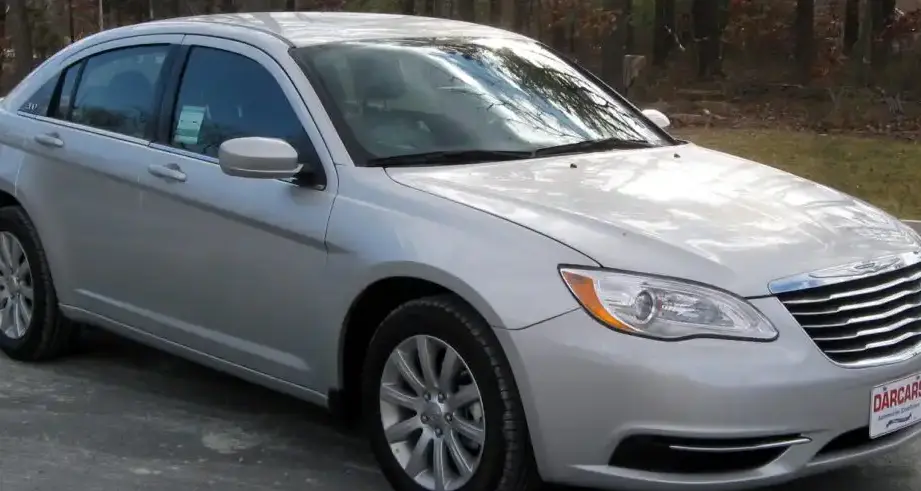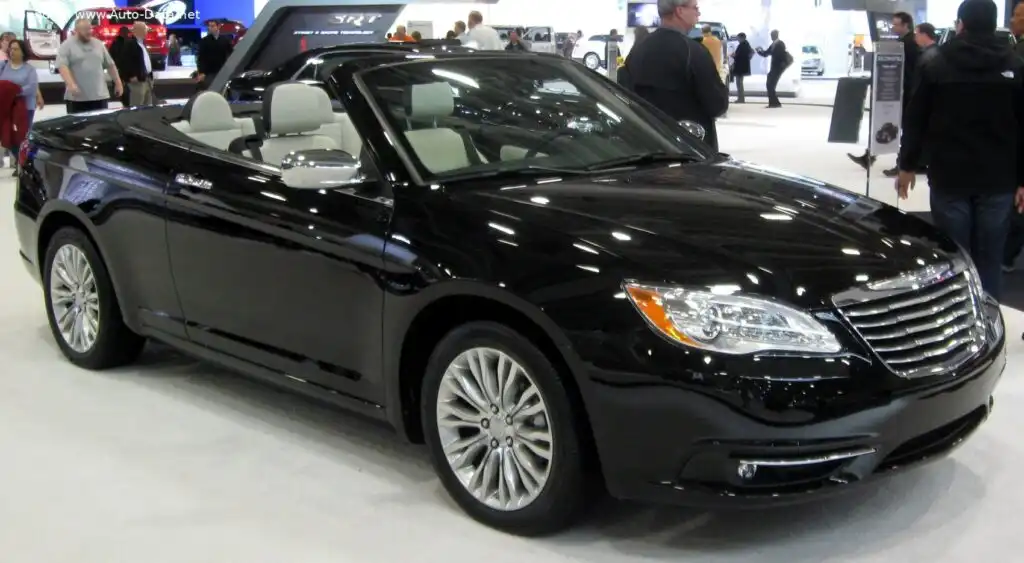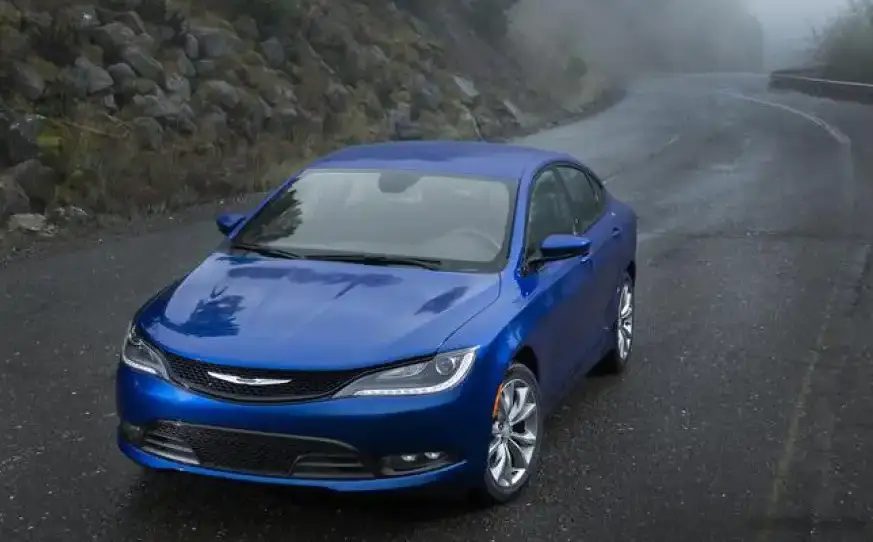
The Chrysler 200 II, specifically the 3.6-liter V6 variant paired with a 9-speed automatic transmission, represented a significant step forward for the Chrysler brand when it debuted for the 2015 model year. Produced through 2017, this iteration of the 200 aimed to compete directly with established mid-size sedans like the Toyota Camry, Honda Accord, and Ford Fusion. It was the second generation of the 200, following a brief hiatus after the first generation ended in 2011. The 200 II was built on the CUSW platform, shared with the Dodge Dart, and represented Chrysler’s attempt to offer a more engaging and stylish alternative in a highly competitive segment. This particular 3.6L V6 Automatic trim sat at the top of the 200 lineup, offering the most performance and a more premium experience compared to the base 2.4L four-cylinder models.
Technical Specifications
| Brand | Chrysler |
| Model | 200 |
| Generation | 200 II |
| Type (Engine) | 3.6 V6 (294 Hp) Automatic |
| Start of production | 2015 |
| End of production | 2017 |
| Powertrain Architecture | Internal Combustion engine |
| Body type | Sedan |
| Seats | 5 |
| Doors | 4 |
| Fuel consumption (urban) | 12.4 l/100 km (19 US mpg) |
| Fuel consumption (extra urban) | 7.6 l/100 km (30.9 US mpg) |
| Fuel consumption (combined) | 10.2 l/100 km (23.1 US mpg) |
| Fuel Type | Petrol (Gasoline) |
| Weight-to-power ratio | 5.6 kg/Hp |
| Weight-to-torque ratio | 4.6 kg/Nm |
| Power | 294 Hp @ 6350 rpm |
| Power per litre | 81.6 Hp/l |
| Torque | 355 Nm @ 4250 rpm (261.83 lb.-ft. @ 4250 rpm) |
| Maximum engine speed | 6400 rpm |
| Engine layout | Front, Transverse |
| Engine Model/Code | ERB |
| Engine displacement | 3605 cm3 (219.99 cu. in.) |
| Number of cylinders | 6 |
| Engine configuration | V-engine |
| Cylinder Bore | 96 mm (3.78 in.) |
| Piston Stroke | 83 mm (3.27 in.) |
| Compression ratio | 10.2:1 |
| Number of valves per cylinder | 4 |
| Fuel injection system | Multi-port manifold injection |
| Engine aspiration | Naturally aspirated engine |
| Valvetrain | DOHC |
| Engine oil capacity | 5.6 l (5.92 US qt | 4.93 UK qt) |
| Coolant capacity | 8.2 l (8.66 US qt | 7.21 UK qt) |
| Kerb Weight | 1650 kg (3637.63 lbs.) |
| Max. weight | 2092 kg (4612.07 lbs.) |
| Max load | 442 kg (974.44 lbs.) |
| Trunk (boot) space | 453 l (16 cu. ft.) |
| Fuel tank capacity | 60 l (15.85 US gal | 13.2 UK gal) |
| Length | 4884 mm (192.28 in.) |
| Width | 1871 mm (73.66 in.) |
| Height | 1491 mm (58.7 in.) |
| Wheelbase | 2742 mm (107.95 in.) |
| Front track | 1578 mm (62.13 in.) |
| Rear track | 1576 mm (62.05 in.) |
| Front overhang | 1039 mm (40.91 in.) |
| Rear overhang | 1103 mm (43.43 in.) |
| Ride height (ground clearance) | 147 mm (5.79 in.) |
| Drag coefficient (Cd) | 0.27 |
| Minimum turning circle | 12.13 m (39.8 ft.) |
| Drivetrain Architecture | Front wheel drive |
| Number of gears | 9 |
| Gearbox type | Automatic transmission |
| Front suspension | Independent type McPherson |
| Rear suspension | Independent multi-link suspension |
| Front brakes | Ventilated discs |
| Rear brakes | Disc |
| Steering type | Steering rack and pinion |
| Power steering | Electric Steering |
| Tires size | 215/55 R17 |
| Wheel rims size | 17 |
Powertrain & Engine Architecture
The heart of the Chrysler 200 II 3.6 V6 was the Pentastar engine, specifically the ERB code. This 3.6-liter, naturally aspirated V6 engine featured a 60-degree V-angle and utilized a dual overhead camshaft (DOHC) valvetrain with four valves per cylinder. The engine employed multi-port fuel injection, delivering fuel directly into the intake ports. The Pentastar engine was known for its smooth operation and relatively good power output for its size. Paired with this engine was Chrysler’s 9-speed automatic transmission (948TE). This transmission was designed to improve fuel economy and provide smoother shifts compared to traditional automatic transmissions. The 9-speed offered a wide range of gear ratios, allowing the engine to operate in its most efficient range more often. However, early iterations of the 9-speed were known to have some software glitches and occasionally exhibited hesitant or rough shifting, which were addressed through software updates.
Driving Characteristics
The 294 horsepower and 261 lb-ft of torque provided by the 3.6L V6 and 9-speed automatic combination delivered respectable performance. Acceleration from 0 to 60 mph was typically in the mid-6 second range, making it competitive with other V6-powered mid-size sedans. The 9-speed transmission, when functioning optimally, offered quick and smooth shifts, contributing to a more engaging driving experience than the base four-cylinder models. However, the transmission’s programming sometimes prioritized fuel economy over responsiveness, resulting in a slight delay in downshifts when quick acceleration was needed. Compared to the 200’s 2.4L four-cylinder, the V6 offered significantly more power and a more refined driving experience. The V6 also felt more capable when fully loaded with passengers and cargo.
Equipment & Trim Levels
The 3.6L V6 Automatic trim typically came standard with a generous amount of equipment. This included features like leather upholstery, heated front seats, a touchscreen infotainment system with Bluetooth connectivity, a rearview camera, and keyless entry. Higher trim levels, such as the Limited and Platinum, added features like premium audio systems, navigation, adaptive cruise control, and a panoramic sunroof. Optional extras included a power-adjustable steering column, upgraded interior trim materials, and various driver-assistance features.
Chassis & Braking
The Chrysler 200 II featured an independent front suspension with McPherson struts and an independent multi-link rear suspension. This suspension setup provided a comfortable ride while maintaining reasonable handling characteristics. The V6 models typically came equipped with larger brakes than the four-cylinder models, featuring ventilated front discs and solid rear discs. Anti-lock brakes (ABS) were standard, as was electronic stability control. The steering was electrically assisted, providing a light and responsive feel.
Market Reception & Comparison
Critics generally praised the Chrysler 200 II for its stylish design and comfortable interior. The 3.6L V6 engine received positive reviews for its smooth power delivery and respectable fuel economy. However, the 9-speed automatic transmission was a point of contention, with some reviewers noting its occasional hesitation and rough shifting. Compared to competitors like the Toyota Camry and Honda Accord, the 200 offered a more distinctive design and a more engaging driving experience, but it didn’t quite match the reliability and resale value of the Japanese rivals. Fuel economy for the V6 model averaged around 23 mpg combined, which was competitive with other V6-powered sedans in its class.
Legacy
The Chrysler 200 II, despite its relatively short production run, represented a positive step for the Chrysler brand. The 3.6L V6 powertrain proved to be generally reliable, although the 9-speed automatic transmission required occasional software updates to address early issues. On the used car market, the 200 II 3.6 V6 offers a compelling value proposition, providing a stylish and well-equipped mid-size sedan at a relatively affordable price. However, potential buyers should be aware of the potential for transmission issues and ensure that any vehicle they consider has received the latest software updates. The 200 II ultimately was discontinued as Chrysler shifted its focus towards SUVs and trucks, but the 3.6L Pentastar V6 engine continues to be a mainstay in the Chrysler and Dodge lineups.