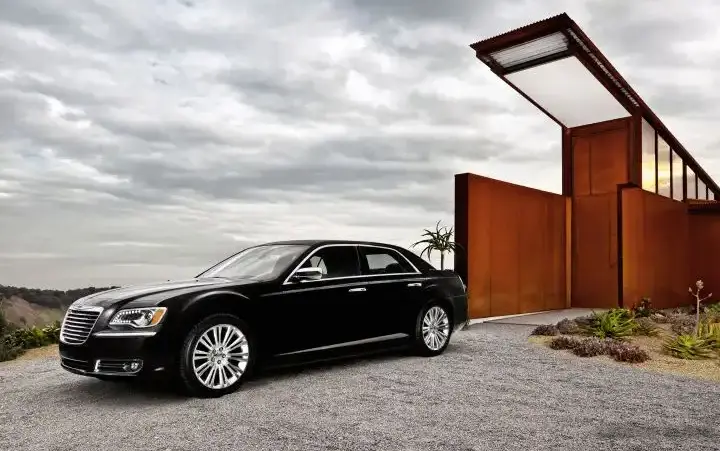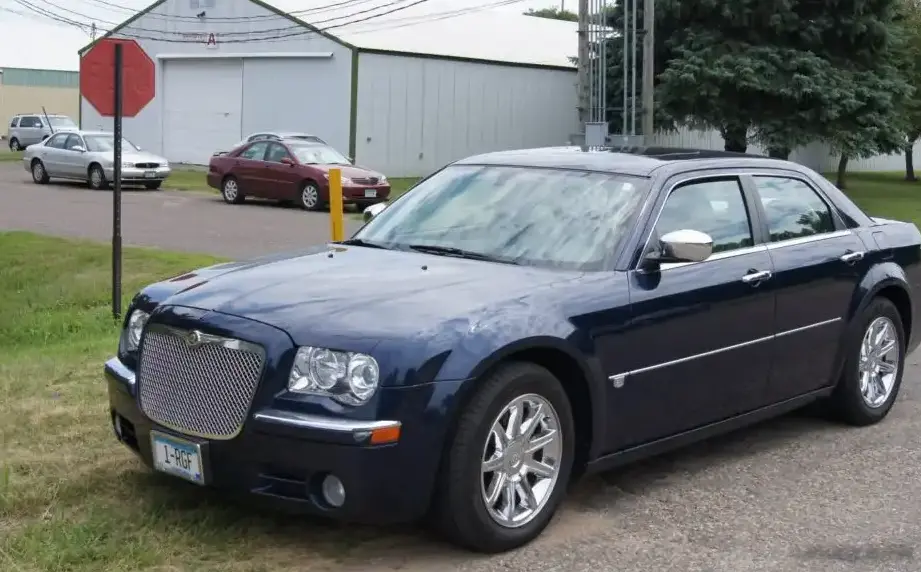
The Chrysler 300 SRT-8, specifically the 6.1-liter V8 variant produced from 2005 to 2010, represented a significant return to performance for the Chrysler brand. This model year marked the first generation (LX) of the 300, and the SRT-8 trim was positioned as the flagship performance offering. It aimed to recapture the spirit of Chrysler’s muscle car heritage while offering a modern, comfortable, and relatively luxurious driving experience. The 6.1L engine was a substantial upgrade over the base V6 and 5.7L Hemi options, establishing the SRT-8 as a genuine competitor in the American performance sedan segment.
Technical Specifications
| Brand | Chrysler |
| Model | 300 |
| Generation | 300 (LX) |
| Type (Engine) | 6.1 i V8 16V SRT-8 (425 Hp) |
| Start of production | 2005 |
| End of production | 2010 |
| Powertrain Architecture | Internal Combustion engine |
| Body type | Sedan |
| Seats | 5 |
| Doors | 4 |
| Fuel consumption (urban) | 16.8 l/100 km (14 US mpg, 16.8 UK mpg, 6 km/l) |
| Fuel consumption (extra urban) | 12.4 l/100 km (19 US mpg, 22.8 UK mpg, 8.1 km/l) |
| Fuel consumption (combined) | 12.8 l/100 km (18.4 US mpg, 22.1 UK mpg, 7.8 km/l) |
| Fuel Type | Petrol (Gasoline) |
| Acceleration 0 – 100 km/h | 5 sec |
| Acceleration 0 – 62 mph | 5 sec |
| Acceleration 0 – 60 mph | 4.8 sec |
| Maximum speed | 250 km/h (155.34 mph) |
| Weight-to-power ratio | 4.4 kg/Hp, 225.1 Hp/tonne |
| Weight-to-torque ratio | 3.3 kg/Nm, 301.4 Nm/tonne |
| Power | 425 Hp @ 6200 rpm |
| Power per litre | 70.1 Hp/l |
| Torque | 569 Nm @ 4800 rpm (419.67 lb.-ft. @ 4800 rpm) |
| Engine layout | Front, Longitudinal |
| Engine Model/Code | ESF |
| Engine displacement | 6059 cm3 (369.74 cu. in.) |
| Number of cylinders | 8 |
| Engine configuration | V-engine |
| Cylinder Bore | 103 mm (4.06 in.) |
| Piston Stroke | 90.9 mm (3.58 in.) |
| Compression ratio | 10.3:1 |
| Number of valves per cylinder | 2 |
| Fuel injection system | Multi-port manifold injection |
| Engine aspiration | Naturally aspirated engine |
| Valvetrain | OHV |
| Engine oil capacity | 6.6 l (6.97 US qt | 5.81 UK qt) |
| Coolant capacity | 14 l (14.79 US qt | 12.32 UK qt) |
| Kerb Weight | 1888 kg (4162.33 lbs.) |
| Trunk (boot) space | 442 l (15.61 cu. ft.) |
| Fuel tank capacity | 72 l (19.02 US gal | 15.84 UK gal) |
| Length | 4999 mm (196.81 in.) |
| Width | 1882 mm (74.09 in.) |
| Height | 1471 mm (57.91 in.) |
| Wheelbase | 3048 mm (120 in.) |
| Front track | 1600 mm (62.99 in.) |
| Rear track | 1603 mm (63.11 in.) |
| Drivetrain Architecture | Rear wheel drive |
| Number of gears | 5 |
| Gearbox type | Automatic transmission |
| Front suspension | Spring Strut |
| Rear suspension | Transverse stabilizer |
| Front brakes | Ventilated discs |
| Rear brakes | Disc |
| Assisting systems | ABS (Anti-lock braking system) |
| Steering type | Steering rack and pinion |
| Tires size | 245/45 R20; 255/45 R20 |
| Wheel rims size | 9J x 20 |
INTRODUCTION
The 2005-2010 Chrysler 300 SRT-8, powered by the 6.1-liter HEMI V8 engine, was a pivotal model for Chrysler. Built on the rear-wheel-drive LX platform (shared with the Dodge Charger and Magnum), it represented a deliberate shift towards performance and a more assertive brand identity. The SRT-8 trim was the top-of-the-line offering, boasting a significantly more powerful engine, upgraded suspension, and distinctive styling cues compared to the standard 300 models. This variant aimed to appeal to buyers seeking a blend of American muscle, modern comfort, and a touch of luxury.
Powertrain & Engine Architecture
The heart of the 300 SRT-8 is the 6.1-liter (6059 cc) HEMI V8 engine, internally designated as the ESF. This engine is a descendant of the legendary Chrysler HEMI engines, featuring a cast iron block, aluminum cylinder heads, and a hydraulic roller camshaft. It produces 425 horsepower at 6200 rpm and 420 lb-ft of torque at 4800 rpm. The engine utilizes a multi-port fuel injection system and a relatively conservative 10.3:1 compression ratio. The overhead valve (OHV) valvetrain, while traditional, was optimized for low-end torque and reliability. The engine is longitudinally mounted, driving the rear wheels. The SRT-8 was exclusively paired with a five-speed automatic transmission (545RFE) designed to handle the engine’s substantial power output. This transmission featured AutoStick, a manual shift mode allowing the driver some control over gear selection.
Driving Characteristics
The 300 SRT-8 with the 6.1L engine and automatic transmission delivers a distinctly American driving experience. Acceleration is brisk, with 0-60 mph times consistently in the high 4-second to low 5-second range. The automatic transmission, while not as responsive as a modern eight or ten-speed unit, provides smooth shifts and adequate control. The gear ratios are tuned for strong acceleration, but the engine is also surprisingly tractable at lower speeds. Compared to the 5.7L Hemi versions, the 6.1L offers a noticeable increase in power and torque throughout the rev range. While the 6.1L isn’t as nimble as some European sports sedans, it provides a comfortable and confident ride, making it well-suited for both daily driving and spirited weekend excursions. The rear-wheel-drive layout contributes to a balanced feel, although traction can be a concern under hard acceleration, especially in wet conditions.
Equipment & Trim Levels
The SRT-8 trim came standard with a comprehensive list of features. Interior appointments included performance-oriented front seats with aggressive bolstering, leather upholstery, and unique SRT-8 badging. Standard equipment also included automatic climate control, a premium sound system, power-adjustable pedals, and a tilt/telescoping steering wheel. Exterior features included a distinctive front grille, a rear spoiler, and 20-inch alloy wheels. Optional extras included a sunroof, navigation system, and upgraded audio options. The interior generally featured a dark color scheme with accents to highlight the performance nature of the vehicle.
Chassis & Braking
The SRT-8 featured a significantly upgraded chassis compared to the standard 300. The suspension was retuned with stiffer springs, firmer dampers, and a larger diameter stabilizer bar to reduce body roll and improve handling. The braking system was also upgraded with larger ventilated disc brakes at all four corners, providing ample stopping power. Anti-lock brakes (ABS) were standard. The rear suspension utilized a multi-link design, contributing to improved ride quality and handling. The steering system employed a rack-and-pinion setup for precise steering feel.
Market Reception & Comparison
The 300 SRT-8 was generally well-received by automotive critics. It was praised for its powerful engine, comfortable ride, and distinctive styling. However, some critics noted its relatively heavy weight and less-than-cutting-edge interior design. Compared to the 5.7L Hemi models, the SRT-8 offered a substantial performance upgrade, but at a higher price point. The 6.1L engine also tended to consume more fuel. Compared to European competitors like the BMW 5 Series or Mercedes-Benz E-Class, the 300 SRT-8 offered a different value proposition – more raw power and a more aggressive character at a lower price. Fuel economy was rated at around 18 mpg combined, which was typical for a large, high-performance sedan of that era.
Legacy
The 6.1L HEMI engine in the 300 SRT-8 has proven to be a relatively reliable powertrain. While routine maintenance is essential, the engine is generally known for its durability. The automatic transmission has also proven to be fairly robust. On the used car market, the 300 SRT-8 remains a popular choice for buyers seeking an affordable and powerful American performance sedan. Values have remained relatively stable, and well-maintained examples are highly sought after. The 300 SRT-8 represents a significant chapter in Chrysler’s history, marking a return to its performance roots and establishing a foundation for future SRT models.