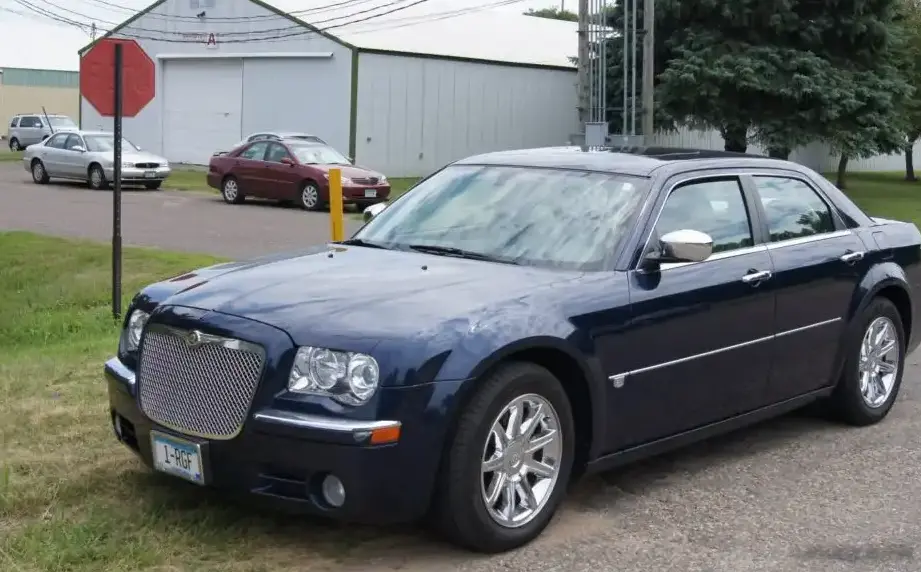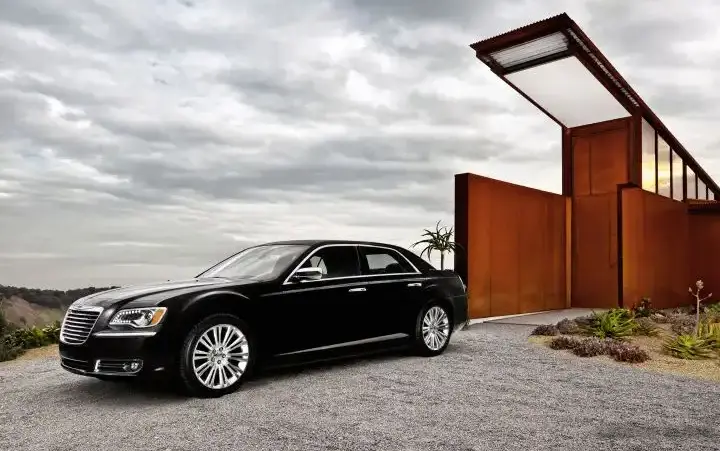
The Chrysler 300 II, specifically the 3.6-liter (292 horsepower) variant with all-wheel drive and an automatic transmission, was produced from 2011 to 2014. This model represented the second generation of the Chrysler 300, built on the LX platform, and aimed to recapture the full-size, rear-wheel-drive American sedan market. Positioned as a mid-to-upper trim level within the 300 lineup, it offered a balance of performance, luxury, and all-weather capability. It was a key offering for Chrysler as they sought to establish a more premium image and compete with domestic rivals like Ford and GM.
Technical Specifications
| Brand | Chrysler |
| Model | 300 |
| Generation | 300 II |
| Type (Engine) | 3.6 (292 Hp) AWD Automatic |
| Start of production | 2011 |
| End of production | 2014 |
| Powertrain Architecture | Internal Combustion engine |
| Body type | Sedan |
| Seats | 5 |
| Doors | 4 |
| Fuel consumption (urban) | 13.1 l/100 km (18 US mpg, 21.6 UK mpg, 7.6 km/l) |
| Fuel consumption (extra urban) | 8.7 l/100 km (27 US mpg, 32.5 UK mpg, 11.5 km/l) |
| Fuel consumption (combined) | 11.2 l/100 km (21 US mpg, 25.2 UK mpg, 8.9 km/l) |
| Fuel Type | Petrol (Gasoline) |
| Acceleration 0 – 100 km/h | 7.4 sec |
| Acceleration 0 – 62 mph | 7.4 sec |
| Acceleration 0 – 60 mph | 7 sec |
| Maximum speed | 240 km/h (149.13 mph) |
| Weight-to-power ratio | 6.3 kg/Hp, 159.7 Hp/tonne |
| Weight-to-torque ratio | 5.2 kg/Nm, 191.5 Nm/tonne |
| Power | 292 Hp @ 6350 rpm |
| Power per litre | 81 Hp/l |
| Torque | 350 Nm @ 4800 rpm (258.15 lb.-ft. @ 4800 rpm) |
| Engine layout | Front, Longitudinal |
| Engine Model/Code | ERB |
| Engine displacement | 3604 cm3 (219.93 cu. in.) |
| Number of cylinders | 6 |
| Engine configuration | V-engine |
| Number of valves per cylinder | 4 |
| Engine aspiration | Naturally aspirated engine |
| Engine oil capacity | 5.6 l (5.92 US qt | 4.93 UK qt) |
| Coolant capacity | 9.5 l (10.04 US qt | 8.36 UK qt) |
| Kerb Weight | 1828 kg (4030.05 lbs) |
| Max. weight | 2359 kg (5200.7 lbs) |
| Max load | 531 kg (1170.65 lbs) |
| Trunk (boot) space – minimum | 462 l (16.32 cu. ft.) |
| Fuel tank capacity | 72 l (19.02 US gal | 15.84 UK gal) |
| Length | 5066 mm (199.45 in) |
| Width | 1902 mm (74.88 in) |
| Height | 1462 mm (57.56 in) |
| Wheelbase | 3052 mm (120.16 in) |
| Front track | 1623 mm (63.9 in) |
| Rear (Back) track | 1640 mm (64.57 in) |
| Ride height (ground clearance) | 119 mm (4.69 in) |
| Drive wheel | All wheel drive (4×4) |
| Number of gears and type of gearbox | 8 gears, automatic transmission |
| Front suspension | Independent, type McPherson with coil spring and anti-roll bar |
| Rear suspension | Independent coil spring |
| Front brakes | Ventilated discs |
| Rear brakes | Disc |
| Assisting systems | ABS (Anti-lock braking system) |
| Steering type | Steering rack and pinion |
| Power steering | Electric Steering |
Powertrain & Engine Architecture
The heart of the Chrysler 300 II 3.6 AWD Automatic is the 3.6-liter Pentastar V6 engine, designated as the ERB code. This engine is a 60-degree V6 featuring a cast aluminum block and cylinder heads. It utilizes a variable valve timing (VVT) system to optimize performance and fuel efficiency across the rev range. Fuel delivery is managed by a multi-point fuel injection system. The engine produces 292 horsepower at 6,350 rpm and 260 lb-ft of torque at 4,400 rpm. The engine’s longitudinal mounting and rear-wheel-drive bias, coupled with the all-wheel-drive system, contribute to a balanced driving experience.
The transmission paired with this engine is an eight-speed automatic transmission (845RE). This transmission offers smooth shifts and contributes to improved fuel economy compared to older automatic designs. It features a wide gear ratio spread, allowing for both strong acceleration and relaxed highway cruising. The all-wheel-drive system is an on-demand system, primarily operating in rear-wheel drive but seamlessly engaging the front wheels when traction is lost.
Driving Characteristics
The 300 II 3.6 AWD Automatic delivers a comfortable and composed driving experience. While not a sports sedan, the 292 horsepower engine provides adequate acceleration, achieving 0-60 mph in around 7 seconds. The eight-speed automatic transmission is generally responsive, although it can sometimes exhibit slight hesitation during downshifts. The all-wheel-drive system enhances stability and traction, particularly in inclement weather conditions. Compared to the higher-performance 5.7L HEMI V8 or the diesel variants, this 3.6L model prioritizes fuel efficiency and a smoother ride over outright speed. The gear ratios are tuned for a balance between acceleration and fuel economy, with taller gearing in higher gears for relaxed highway cruising.
Equipment & Trim Levels
The 300 II 3.6 AWD Automatic typically came standard with features such as leather upholstery, dual-zone automatic climate control, a touchscreen infotainment system, and a premium sound system. Common options included a sunroof, navigation system, heated and ventilated front seats, and advanced safety features like blind-spot monitoring and rear cross-path detection. Interior trim levels varied, with higher trims offering more luxurious materials and finishes. The dashboard layout was generally straightforward and user-friendly, with a focus on providing a comfortable and upscale cabin environment.
Chassis & Braking
The Chrysler 300 II utilizes an independent front suspension with McPherson struts and a multi-link independent rear suspension. This suspension setup provides a comfortable ride quality while maintaining reasonable handling characteristics. The front suspension incorporates a stabilizer bar to reduce body roll during cornering. Braking duties are handled by ventilated disc brakes on all four wheels, providing ample stopping power. The anti-lock braking system (ABS) is standard, enhancing safety and control during emergency braking situations. The curb weight of approximately 4,030 pounds influences the vehicle’s handling and braking performance.
Market Reception & Comparison
The Chrysler 300 II 3.6 AWD Automatic was generally well-received by critics as a comfortable and capable full-size sedan. It was praised for its spacious interior, smooth ride, and available all-wheel-drive system. However, some reviewers noted that the 3.6-liter V6 engine, while adequate, lacked the punch of the available V8 engine. Fuel economy was considered average for its class, with combined ratings around 21 mpg. Compared to the V8-powered 300, the 3.6L model offered a more affordable entry point and better fuel efficiency, appealing to a broader range of buyers. Against competitors like the Ford Taurus and Toyota Avalon, the 300 offered a more distinctive styling and a more rear-wheel-drive-oriented driving experience.
Legacy
The Chrysler 300 II 3.6 AWD Automatic has proven to be a relatively reliable powertrain combination. The Pentastar V6 engine is known for its durability, and the eight-speed automatic transmission has generally held up well over time. Common maintenance items include regular oil changes, coolant flushes, and transmission fluid services. In the used car market, these models represent a good value for buyers seeking a spacious, comfortable, and well-equipped full-size sedan. While not a collector’s item, the 300 II remains a popular choice for those who appreciate its classic American styling and comfortable driving experience. The availability of all-wheel drive adds to its appeal in regions with harsh winter weather.