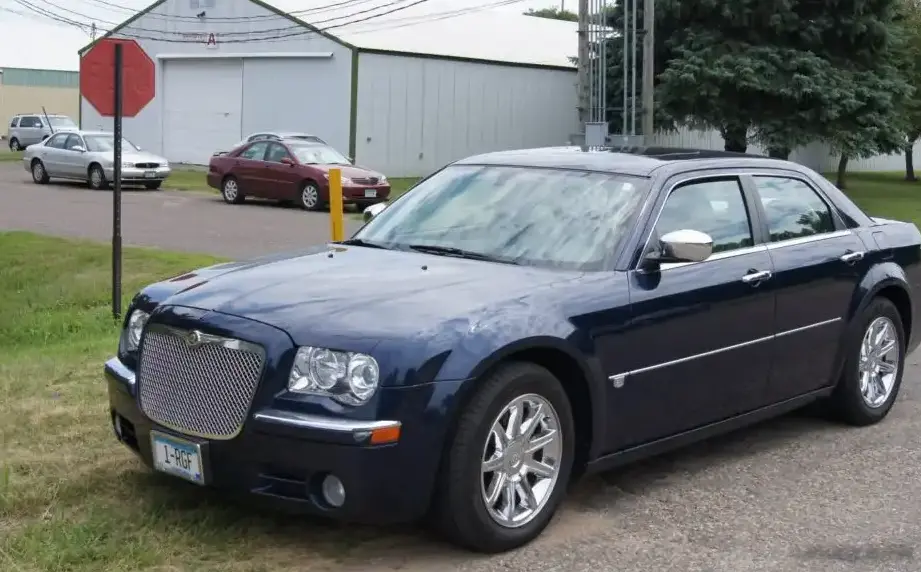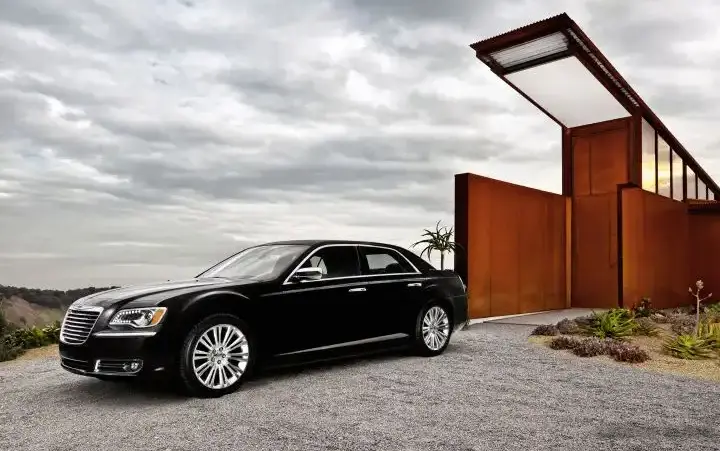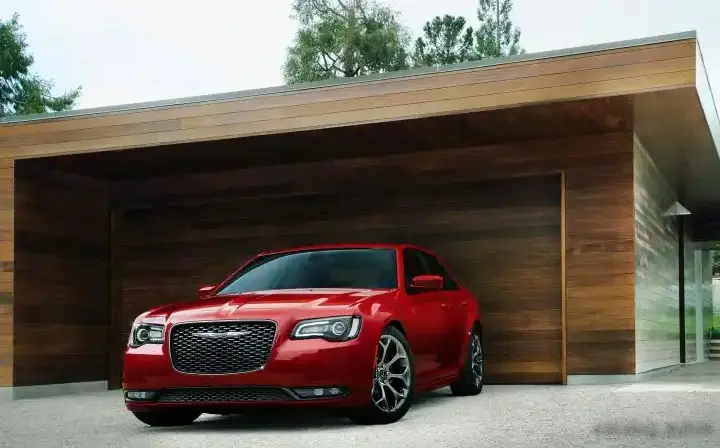
The Chrysler 300 II, specifically the 3.6-liter (286 horsepower) variant with an automatic transmission, represents a significant iteration of Chrysler’s full-size sedan. Introduced with the 2015 facelift, and continuing through the 2021 model year, this version aimed to balance performance with everyday usability within the broader 300 lineup. Positioned as a mid-range offering, it sat between the base 3.6-liter models and the high-performance 300 SRT. This variant was primarily marketed towards American consumers seeking a spacious, comfortable, and relatively powerful rear-wheel-drive sedan.
Technical Specifications
| Brand | Chrysler |
| Model | 300 |
| Generation | 300 II (facelift 2015) |
| Type (Engine) | 3.6 (286 Hp) Automatic |
| Start of production | 2015 |
| End of production | 2021 |
| Powertrain Architecture | Internal Combustion engine |
| Body type | Sedan |
| Seats | 5 |
| Doors | 4 |
| Fuel consumption (urban) | 13.9-14.3 l/100 km (16.9 – 16.4 US mpg) |
| Fuel consumption (extra urban) | 6.7-7.1 l/100 km (35.1 – 33.1 US mpg) |
| Fuel consumption (combined) | 9.4-9.7 l/100 km (25 – 24.2 US mpg) |
| CO2 emissions | 219-227 g/km |
| Fuel Type | Petrol (Gasoline) |
| Weight-to-power ratio | 6.4 kg/Hp, 155.6 Hp/tonne |
| Weight-to-torque ratio | 5.4 kg/Nm, 185 Nm/tonne |
| Power | 286 Hp @ 6350 rpm |
| Power per litre | 79.4 Hp/l |
| Torque | 340 Nm @ 4300 rpm (250.77 lb.-ft. @ 4300 rpm) |
| Engine layout | Front, Longitudinal |
| Engine Model/Code | ERB |
| Engine displacement | 3604 cm3 (219.93 cu. in.) |
| Number of cylinders | 6 |
| Engine configuration | V-engine |
| Cylinder Bore | 96 mm (3.78 in.) |
| Piston Stroke | 83 mm (3.27 in.) |
| Compression ratio | 10.2:1 |
| Number of valves per cylinder | 4 |
| Fuel injection system | Multi-port manifold injection |
| Engine aspiration | Naturally aspirated engine |
| Valvetrain | DOHC |
| Engine oil capacity | 5.6 l (5.92 US qt | 4.93 UK qt) |
| Coolant | 9.5 l (10.04 US qt | 8.36 UK qt) |
| Kerb Weight | 1838-1862 kg (4052.1 – 4105.01 lbs.) |
| Fuel tank capacity | 70 l (18.49 US gal | 15.4 UK gal) |
| Permitted trailer load with brakes (12%) | 1724 kg (3800.77 lbs.) |
| Permitted trailer load without brakes | 450 kg (992.08 lbs.) |
| Length | 5066 mm (199.45 in.) |
| Width | 1902 mm (74.88 in.) |
| Height | 1488 mm (58.58 in.) |
| Wheelbase | 3052 mm (120.16 in.) |
| Front track | 1623 mm (63.9 in.) |
| Rear track | 1641 mm (64.61 in.) |
| Ride height (ground clearance) | 140 mm (5.51 in.) |
| Drivetrain Architecture | Rear wheel drive |
| Number of gears and type of gearbox | 8 gears, automatic transmission |
| Front suspension | Independent coil spring |
| Rear suspension | Independent multi-link suspension |
| Front brakes | Ventilated discs |
| Rear brakes | Disc |
| Steering type | Steering rack and pinion |
| Power steering | Hydraulic Steering |
| Tires size | 235/55 R18 |
| Wheel rims size | 18 |
Powertrain & Engine Architecture
At the heart of the 2015-2021 Chrysler 300 II 3.6L Automatic lies the Pentastar V6 engine, specifically the ERB variant. This 3.6-liter (219.93 cubic inches) naturally aspirated engine utilizes a 60-degree V-configuration with four valves per cylinder operated by a dual overhead camshaft (DOHC) valvetrain. The engine employs a multi-port fuel injection system, delivering fuel directly into the intake ports. The ERB engine produces 286 horsepower at 6,350 rpm and 260 lb-ft of torque at 4,300 rpm. The engine’s design prioritizes a balance between power and fuel efficiency, making it suitable for both highway cruising and city driving. Paired with the engine is an eight-speed automatic transmission (845RE), known for its smooth shifting and wide gear ratio spread. This transmission contributes to both improved fuel economy and responsive acceleration. The transmission is electronically controlled, adapting shift points based on driving conditions and throttle input.
Driving Characteristics
The 300 II 3.6L Automatic delivers a comfortable and composed driving experience. While not as overtly sporty as the SRT variant, the 286 horsepower provides adequate acceleration for most driving situations. The eight-speed automatic transmission is a key contributor to the driving feel, offering smooth and timely gear changes. The rear-wheel-drive configuration provides a balanced feel, although it can be less forgiving in slippery conditions compared to all-wheel-drive alternatives. The gear ratios are tuned for a blend of acceleration and fuel efficiency, with lower gears providing brisk off-the-line performance and higher gears optimized for highway cruising. Compared to the base 3.6L models, the increased horsepower and torque of this variant offer a noticeable improvement in responsiveness. However, it doesn’t match the outright performance of the 5.7L HEMI or the 6.4L SRT models.
Equipment & Trim Levels
The 300 II 3.6L Automatic was typically offered in several trim levels, including the Limited and the S. Standard features generally included keyless entry, a touchscreen infotainment system with Bluetooth connectivity, a rearview camera, and automatic headlights. Higher trim levels added features such as leather upholstery, heated and ventilated front seats, a premium sound system, and advanced safety technologies like blind-spot monitoring and rear cross-traffic alert. Optional extras included a panoramic sunroof, navigation system, and upgraded wheels. Interior upholstery typically consisted of cloth on lower trims and leather on higher trims. The dashboard layout was generally consistent across trim levels, with a focus on user-friendliness and a relatively uncluttered design.
Chassis & Braking
The Chrysler 300 II features an independent front suspension with coil springs and an independent multi-link rear suspension. This suspension setup provides a comfortable ride quality while maintaining reasonable handling characteristics. The chassis is designed to provide a stable and planted feel, even during spirited driving. Braking duties are handled by ventilated discs at the front and solid discs at the rear. Anti-lock braking system (ABS) is standard, enhancing braking performance and stability. The steering system utilizes a hydraulic power steering rack and pinion, providing a responsive and predictable steering feel. The standard tire size for this variant is 235/55 R18, offering a good balance between ride comfort and grip.
Market Reception & Comparison
The 2015-2021 Chrysler 300 II 3.6L Automatic received generally positive reviews, with critics praising its spacious interior, comfortable ride, and relatively powerful engine. However, some reviewers noted that its fuel economy was not class-leading and that its handling was not as sharp as some of its competitors. Compared to the V6 models of rivals like the Toyota Avalon and Ford Taurus, the 300 offered a more distinctive styling and a more luxurious interior. Against the higher-output trims within the 300 lineup (like the 5.7L HEMI), the 3.6L offered a more affordable entry point with acceptable performance for everyday driving. Reliability reports suggest that the Pentastar V6 engine is generally reliable, although some owners have reported issues with the transmission and electrical systems.
Legacy
The Chrysler 300 II 3.6L Automatic remains a popular choice in the used car market, offering a compelling combination of space, comfort, and value. The Pentastar V6 engine has proven to be relatively durable, and parts availability is generally good. While not a sports car, this variant provides a comfortable and capable driving experience for those seeking a full-size sedan. Its rear-wheel-drive layout and distinctive styling continue to appeal to a segment of buyers who appreciate a more traditional American sedan experience. As a final iteration of a long-running model, the 300 II 3.6L Automatic represents a significant chapter in Chrysler’s history.